
Disclosure: As an Amazon Associate, Bookish Wisdom earns from qualifying purchases. This doesn’t change our picks or your price.
Quick answer: High-interest low-level (hi-lo) books give older kids and teens stories that match their age and interests, written at an easier reading level. Great picks include Hank Zipzer, Bluford High, Holes, The Outsiders, Rebound, Ghost Boys, Zita the Spacegirl, the Who Was? biographies and the Percy Jackson graphic novel.
A struggling reader in fifth, seventh or ninth grade faces a painful problem: the books at their reading level often look babyish, and the books their friends read feel impossible. Hi-lo books solve that. They use shorter sentences, accessible vocabulary, clear layouts and short chapters, but the plots, characters and covers are designed for older readers. Some publishers, like Saddleback and Orca, specialize in them, and many mainstream books also work well. This list mixes both, from upper elementary to high school.
Table of Contents
What Makes a Book High-Interest Low-Level?
- Age-appropriate content with characters the reader’s age or older.
- Lower reading level, often two or more grades below the reader’s age.
- Short chapters and fast pacing that deliver frequent wins.
- Supportive formats such as verse, graphic panels or white space.
- Covers that don’t look like “little kid” books, which protects confidence.
Quick Picks at a Glance
| Book | Author | Best Age Range |
|---|---|---|
| Hank Zipzer: Niagara Falls, or Does It? | Henry Winkler and Lin Oliver | 8–12 |
| Bluford High: Lost and Found | Anne Schraff | 12–18 |
| Holes | Louis Sachar | 10–14 |
| The Outsiders | S.E. Hinton | 12–16 |
| Rebound | Kwame Alexander | 10–14 |
| Look Both Ways | Jason Reynolds | 10–14 |
| Stuntboy, in the Meantime | Jason Reynolds | 8–12 |
| Zita the Spacegirl | Ben Hatke | 8–12 |
| Scary Stories to Tell in the Dark | Alvin Schwartz | 9–14 |
| Who Was Albert Einstein? | Jess Brallier | 8–12 |
| The Lightning Thief: The Graphic Novel | Rick Riordan | 9–14 |
| Because of Winn-Dixie | Kate DiCamillo | 8–12 |
| Ghost Boys | Jewell Parker Rhodes | 10–14 |
| Sunny Side Up | Jennifer L. Holm and Matthew Holm | 8–12 |
| National Geographic Kids Almanac | National Geographic Kids | 8–14 |
1. Hank Zipzer: Niagara Falls, or Does It? by Henry Winkler and Lin Oliver
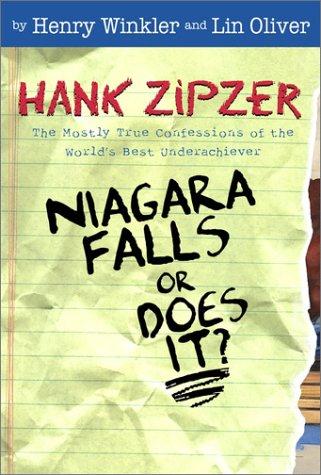
Hank is funny and clever but struggles in school, and he can’t write a five-paragraph essay about his summer, so he builds a model of Niagara Falls instead. Co-written by actor Henry Winkler, who has dyslexia, the series shows struggling readers that they’re smart and not alone.
2. Bluford High: Lost and Found by Anne Schraff
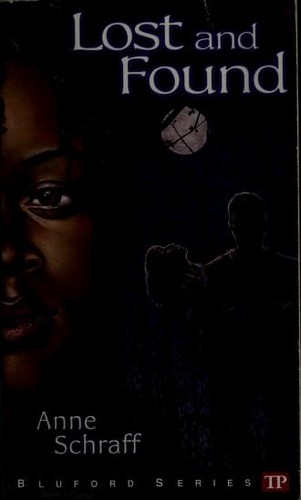
Darcy Wills deals with a stalker, a missing sister and a father who returns after abandoning the family. The Bluford High series was created specifically for teens who struggle with reading, with realistic urban high school settings and short, gripping books.
3. Holes by Louis Sachar
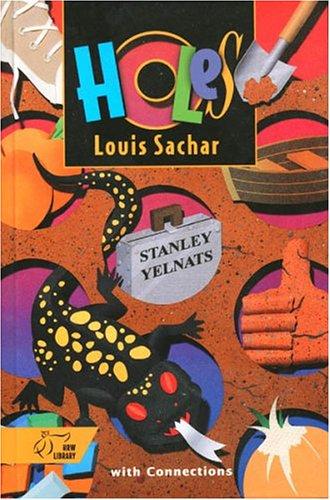
Stanley Yelnats digs holes at a juvenile detention camp while a century-old mystery unfolds. Despite its Newbery Medal, the sentences are short, the chapters are brief and the vocabulary is accessible, making it a perfect bridge book for older struggling readers.
4. The Outsiders by S.E. Hinton
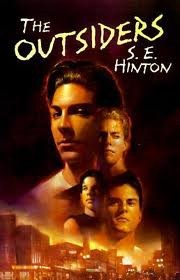
Ponyboy and the Greasers face off against the rich Socs in a story full of loyalty, violence and loss. Its plain, direct language and teen narrator make it one of the most accessible classics for high schoolers who find reading difficult.
5. Rebound by Kwame Alexander
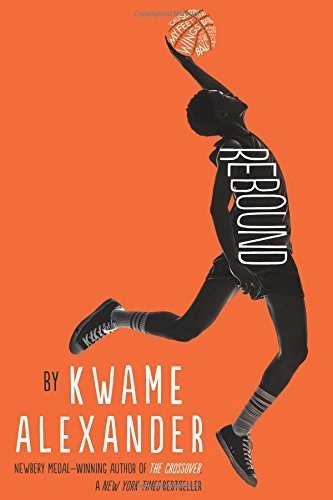
The prequel to The Crossover follows Chuck Bell in 1988 after his father’s death, when basketball and comics help him heal. Written in verse with graphic novel sections, it has few words per page and lots of white space, which reduces overwhelm.
6. Look Both Ways by Jason Reynolds
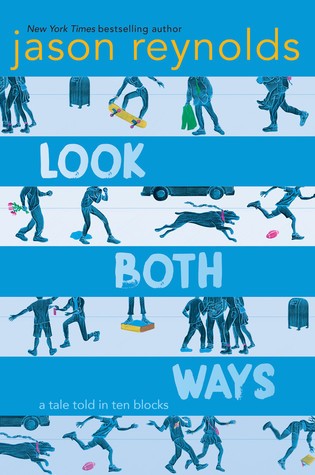
Ten short stories, one for each block, follow different kids walking home from the same middle school. Each story can be read in one sitting, which is ideal for building stamina. It was a National Book Award finalist.
7. Stuntboy, in the Meantime by Jason Reynolds
Portico Reeves is secretly a superhero named Stuntboy who protects his apartment building, while his parents’ fighting gives him the “frets.” Heavily illustrated by Raúl the Third, it’s funny, heartfelt and easy to read.
8. Zita the Spacegirl by Ben Hatke
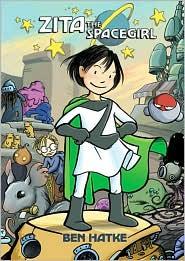
When her friend is pulled through a portal, Zita jumps in after him and lands on a planet of robots and aliens about to be destroyed. This graphic novel is pure adventure with minimal text per panel.
9. Scary Stories to Tell in the Dark by Alvin Schwartz
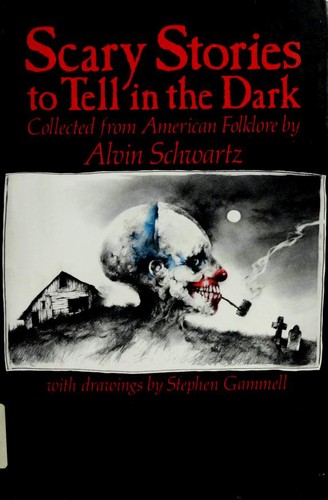
Classic folklore horror stories, most just a page or two long. The short length means even very reluctant readers can finish one, and the creepiness keeps them reading another. Some editions feature notoriously eerie illustrations.
10. Who Was Albert Einstein? by Jess Brallier
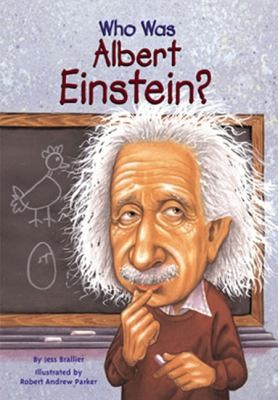
The Who Was? series offers short, illustrated biographies of famous people, from athletes to inventors. Simple text, sidebars and drawings make history approachable. With hundreds of titles, there’s one for every interest. See our Who Was? series list.
11. The Lightning Thief: The Graphic Novel by Rick Riordan
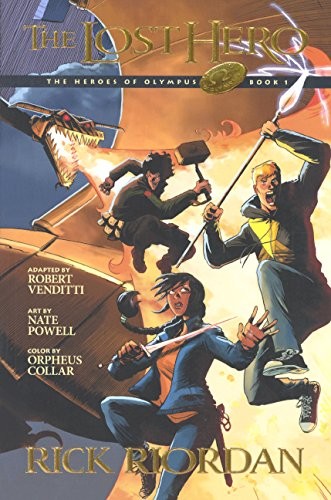
This adaptation lets struggling readers enjoy the same story their classmates love. After the graphic novel, many kids feel confident enough to try the original or listen to the audiobook.
12. Because of Winn-Dixie by Kate DiCamillo
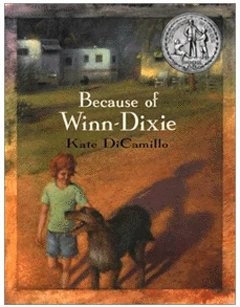
Opal adopts a scruffy dog in a grocery store, and he helps her make friends in her new Florida town. It’s short, warm and written in simple, beautiful sentences. It’s a Newbery Honor book that works well for older elementary readers.
13. Ghost Boys by Jewell Parker Rhodes
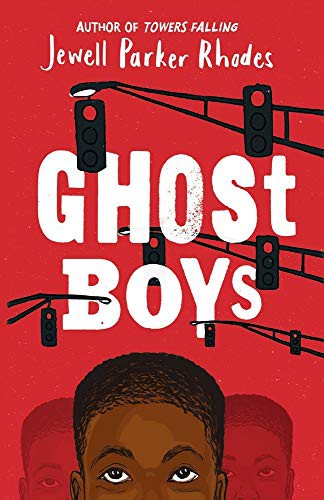
Twelve-year-old Jerome is shot by a police officer and, as a ghost, meets Emmett Till and the officer’s daughter. It’s short, powerful and accessible, and it opens important conversations for middle and high schoolers.
14. Sunny Side Up by Jennifer L. Holm and Matthew Holm
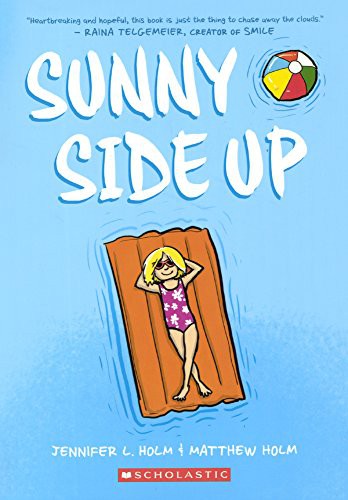
Sunny spends the summer of 1976 at her grandfather’s Florida retirement community, and slowly reveals a family secret about her brother’s substance abuse. This gentle graphic novel handles a serious subject with care.
15. National Geographic Kids Almanac
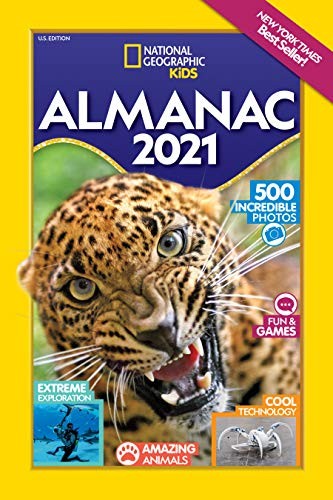
Photos, maps, quizzes and fast facts make this yearly almanac easy to dip in and out of. It’s ideal for kids who prefer real-world information and need reading that doesn’t require sustained focus.
Tips for Supporting Struggling Readers
- Protect dignity. Choose books with mature covers and never label them “easy” in front of peers.
- Use audiobooks with print. Reading along builds fluency and vocabulary.
- Build momentum. Finishing several short books beats abandoning one long one.
- Ask about the story, not the mistakes. Conversation builds comprehension and confidence.
- Seek an evaluation if needed. Dyslexia and other learning differences are common and treatable.
Related: books for reluctant readers in middle school and decodable books for kids with dyslexia.
Frequently Asked Questions
What does hi-lo mean in books?
Hi-lo stands for high-interest, low-readability: books with age-appropriate, engaging content written at a lower reading level.
Who are hi-lo books for?
They help older kids and teens who read below grade level, including English learners and students with dyslexia, while respecting their maturity.
Are graphic novels good for struggling readers?
Yes. Pictures support comprehension and reduce the text load, which helps struggling readers build stamina and confidence.
Featured image: Photo by Zoshua Colah on Unsplash