
Disclosure: As an Amazon Associate, Bookish Wisdom earns from qualifying purchases. This doesn’t change our picks or your price.
Quick answer: These 15 diverse books suit middle schoolers (ages 10–13). Start with Front Desk, Merci Suárez Changes Gears, Other Words for Home, Genesis Begins Again, Hello, Universe or The Parker Inheritance. Each pick below has a short blurb, an age range and a content note where it matters.
Diverse books give every child a mirror and a window. Kids see their own lives in the pages and also step into other cultures, abilities and families. This list collects fifteen outstanding middle grade novels for ages 9 to 13 that feature characters of many backgrounds, including Asian American, Latinx, Black, Muslim, Native American, immigrant and neurodiverse heroes. Most are warm, funny and hopeful, and some address hard subjects such as racism and loss, which we flag. They make excellent classroom reads and family conversation starters.
Table of Contents
Quick Picks at a Glance
| Book | Author | Ages | Best For |
|---|---|---|---|
| Front Desk | Kelly Yang | 8–12 | immigrant-story fans |
| Merci Suárez Changes Gears | Meg Medina | 9–13 | family-story fans |
| Other Words for Home | Jasmine Warga | 9–13 | verse-novel fans |
| Genesis Begins Again | Alicia D. Williams | 10–14 | self-worth readers |
| Hello, Universe | Erin Entrada Kelly | 9–13 | quirky friendship fans |
| The Parker Inheritance | Varian Johnson | 10–14 | mystery and history fans |
| Stella by Starlight | Sharon M. Draper | 10–14 | historical-fiction fans |
| Fish in a Tree | Lynda Mullaly Hunt | 9–13 | struggling readers |
| Wonder | R.J. Palacio | 8–12 | empathy-building fans |
| Amina’s Voice | Hena Khan | 8–12 | friendship-story fans |
| Healer of the Water Monster | Brian Young | 8–12 | Navajo-culture fans |
| The Night Diary | Veera Hiranandani | 9–13 | historical-fiction fans |
| Harbor Me | Jacqueline Woodson | 9–13 | discussion-driven readers |
| Prairie Lotus | Linda Sue Park | 10–14 | pioneer-story fans |
| Efrén Divided | Ernesto Cisneros | 9–13 | family-story fans |
1. Front Desk by Kelly Yang
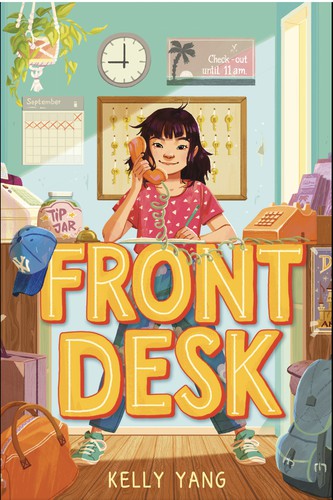
Mia Tang manages the front desk of a motel while her immigrant parents work as housekeepers. Funny and heartfelt, with themes of prejudice and community. Based on the author’s own childhood. Content note: racism and money worries.
Best for: immigrant-story fans. Ages: 8–12.
2. Merci Suárez Changes Gears by Meg Medina
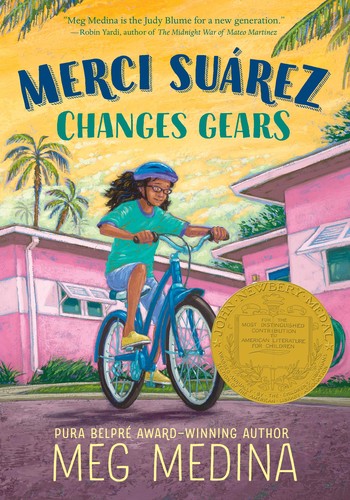
Merci, a scholarship student, deals with her grandfather’s illness and changing friendships. Warm and real. A Newbery winner. Content note: a grandparent’s dementia.
Best for: family-story fans. Ages: 9–13.
3. Other Words for Home by Jasmine Warga
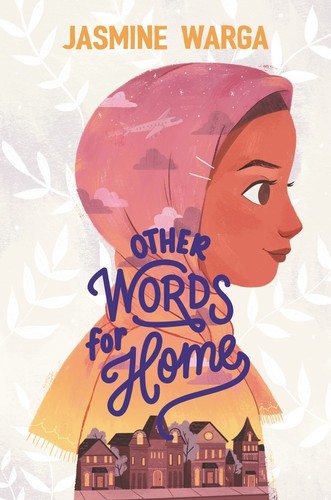
Jude leaves Syria for Cincinnati and adjusts to a new life. Told in verse, it’s moving and hopeful. A story of home and belonging. Content note: war and displacement.
Best for: verse-novel fans. Ages: 9–13.
4. Genesis Begins Again by Alicia D. Williams
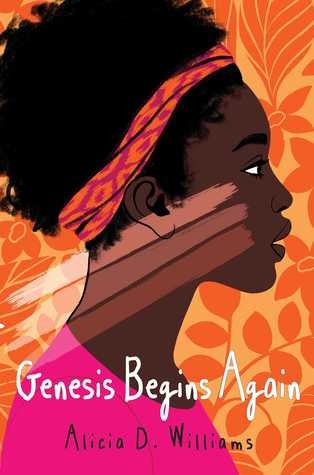
Genesis struggles with colorism and her family’s problems. Honest and moving. A story about self-acceptance. Content note: colorism and family instability.
Best for: self-worth readers. Ages: 10–14.
5. Hello, Universe by Erin Entrada Kelly
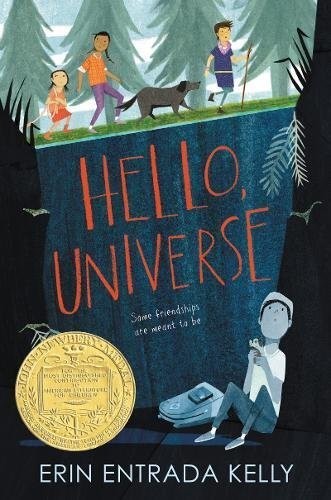
Four kids’ lives cross during one day when a bully traps a boy in a well. Sweet and funny, with Filipino American and deaf characters. A Newbery winner.
Best for: quirky friendship fans. Ages: 9–13.
6. The Parker Inheritance by Varian Johnson
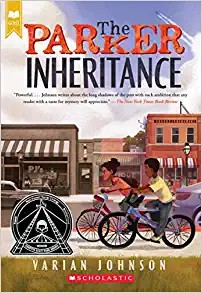
Candice and Brandon solve a decades-old puzzle that reveals a racist injustice. Clever and moving. Combines puzzles with history. Content note: racism.
Best for: mystery and history fans. Ages: 10–14.
7. Stella by Starlight by Sharon M. Draper
Stella in 1932 North Carolina faces the Ku Klux Klan and fights for her family’s right to vote. Powerful and clear. A book for classroom discussion. Content note: racist violence.
Best for: historical-fiction fans. Ages: 10–14.
8. Fish in a Tree by Lynda Mullaly Hunt
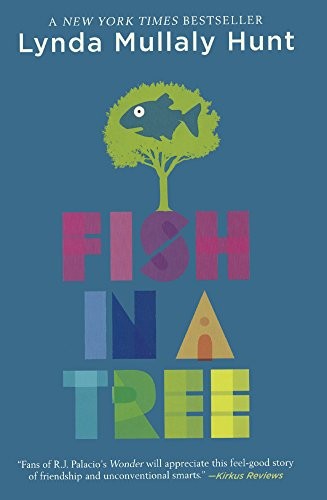
Ally hides her dyslexia until a teacher helps her. Heartfelt and encouraging. Great for children who struggle at school.
Best for: struggling readers. Ages: 9–13.
9. Wonder by R.J. Palacio
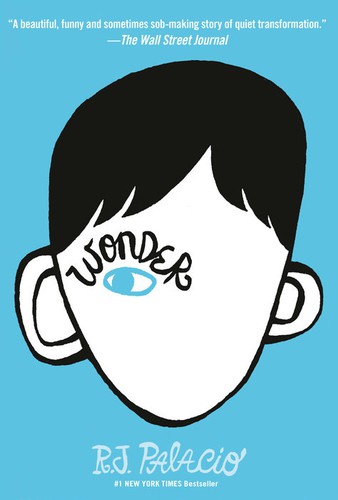
August Pullman, born with a facial difference, enters fifth grade. Told through multiple viewpoints. A modern classic about kindness. Content note: bullying.
Best for: empathy-building fans. Ages: 8–12.
10. Amina’s Voice by Hena Khan
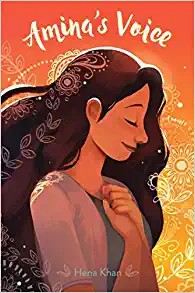
Amina, a Pakistani American Muslim girl, worries about a school performance and a vandalized mosque. Warm and wise. A story about identity and community. Content note: a hate crime.
Best for: friendship-story fans. Ages: 8–12.
11. Healer of the Water Monster by Brian Young
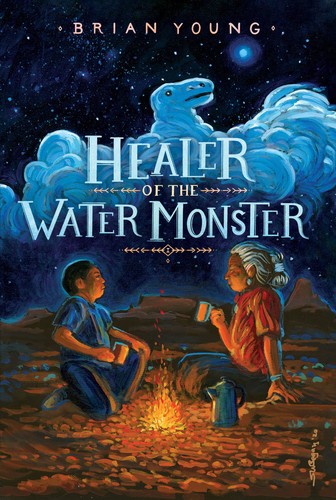
Nathan spends a summer with his grandmother on a Navajo reservation and meets a creature in need. Gentle and magical. Rooted in Diné culture.
Best for: Navajo-culture fans. Ages: 8–12.
12. The Night Diary by Veera Hiranandani
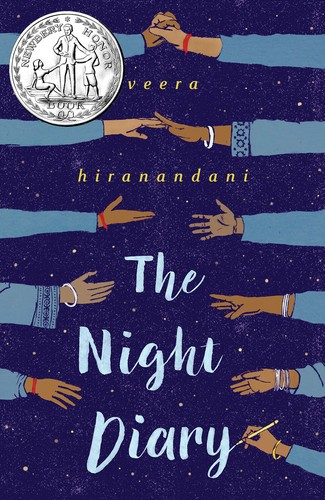
Nisha, half Hindu and half Muslim, writes diary entries to her late mother during the 1947 Partition of India. Beautiful and sad. A Newbery Honor book. Content note: violence of Partition.
Best for: historical-fiction fans. Ages: 9–13.
13. Harbor Me by Jacqueline Woodson
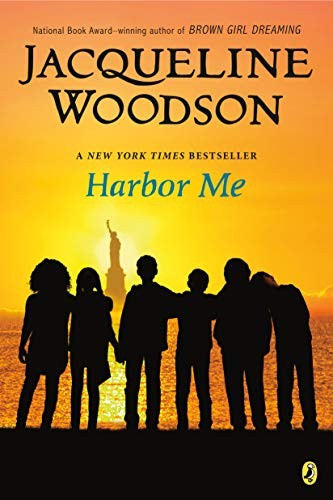
Six students gather weekly in a room to talk freely and share stories. Moving and honest. Covers immigration, incarceration and loss. Content note: parental incarceration and deportation.
Best for: discussion-driven readers. Ages: 9–13.
14. Prairie Lotus by Linda Sue Park
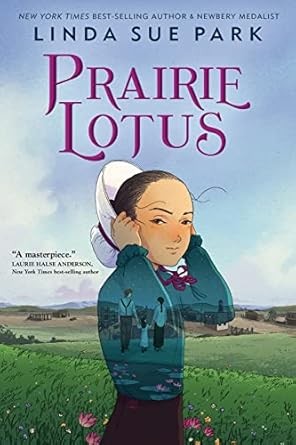
Hanna, a half-Chinese girl, tries to attend school in 1880 Dakota Territory. A response to the Little House books. Honest about prejudice. Content note: racism.
Best for: pioneer-story fans. Ages: 10–14.
15. Efrén Divided by Ernesto Cisneros
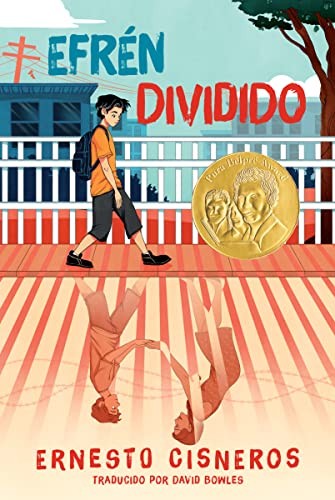
Efrén’s mother is deported, and he takes responsibility for his family. Heartbreaking and timely. A story of courage. Content note: deportation and family separation.
Best for: family-story fans. Ages: 9–13.
How to Match a Diverse Book to Your Middle School
Middle school readers range widely. One eleven-year-old may still love illustrated chapter books, while another is ready for novels with darker themes. Start with the reader’s current favorites, then pick a diverse title with a similar length and pace. Look at the first page together: if your middle school can read it smoothly and wants to continue, it is a good fit. Short chapters and strong openings help hesitant readers, while avid readers can handle longer books and series. Pay attention to content notes in this list, and preview a book if your child is sensitive to a particular topic. When in doubt, offer two or three choices and let your child decide, because a book they choose is a book they are more likely to finish.
A Simple Reading Plan for Diverse Books
Choose one book from the list to start this week and set a modest goal, such as twenty minutes a day. Keep a library card in use, since borrowing lets your child try several diverse books without cost. Read the same book yourself, or listen to it as an audiobook in the car, so you can chat about it at dinner. When your middle school finishes, ask which part they liked best and whether they want to try the next book in a series or a similar title from this list. A simple chart on the fridge can track finished books. Celebrate progress with a trip to the library or bookstore rather than with screen time or a prize.
Why Diverse Books Matter for Middle Schoolers
Reading diverse books during the middle school years does more than fill free time. Children this age are building stamina for longer texts, growing their vocabulary and learning to follow complex plots, and they do those things best when they enjoy what they read. A book that fits their interests teaches them that reading is a source of pleasure, not only an assignment. It also gives you a way to talk about hard subjects, friendships and choices through characters, which can be easier than talking about their own lives. Research on reading habits repeatedly finds that children who read for fun do better in school, so a good diverse book is worth far more than its price.
Where to Find and How to Read These Books
Buying every book on this list is not necessary. Start at your public library, where you can borrow print copies, e-books and audiobooks with a free card, and use the holds feature for popular titles. Paperbacks are usually the best value for books your child will reread, and hardcovers hold up better for favorites that will be passed down. Used copies are often cheap, and a classroom or neighborhood swap can add variety. Large-print or dyslexia-friendly editions help some readers, and audiobooks are a good support for children who are building stamina. Whatever format you choose, keep a few diverse books visible on a shelf or by the bed so reading is the easy choice.
After the Last Page: What to Read Next
The last page of a book is a good moment to keep the momentum going. Ask your child what they liked, then look for the sequel, another book by the same author or a similar title from this list. Many children enjoy a small ritual, such as choosing the next diverse book at the library every week. If a book did not work, treat that as information, not failure; it simply tells you what to try next. Notice patterns, such as whether your child prefers short chapters, humor or fast plots, and use them to guide future picks. Over a few months, those small choices add up to a real reading habit.
A Quick Checklist Before You Pick a Diverse Book
Ask these questions before you borrow or buy:
- Is the length right? A 150-page book is a confident win, while a 400-page book is a project.
- Does the first chapter hook your child within a few pages?
- Is the content right for their age and sensitivity?
- Is there a sequel or companion book waiting if they love it?
- Can you find it at your library so there is no risk?
Questions to Talk About After Reading
These work for almost any book on this list:
- What was your favorite part, and why?
- Which character would you want as a friend?
- What would you have done differently in the main character’s place?
- Did the ending surprise you?
- Which book from this list do you want to read next?
Tips for Choosing Diverse Books for Middle Schoolers
- Let kids choose. They connect more deeply with books they pick.
- Read together. Discuss differences and similarities.
- Support authors. Many authors share their own experiences.
- Check heavier topics. Some books address racism and loss.
- Add more voices. Look for #OwnVoices authors.
Related: 15 best book club books for middle schoolers and 15 best books for reluctant readers in middle school.
Frequently Asked Questions
What are good diverse books for middle school?
Front Desk, Merci Suárez Changes Gears, Hello, Universe and The Night Diary are popular.
Why do diverse books matter for kids?
They help children see themselves and understand others.
What diverse books suit reluctant readers?
Other Words for Home and Harbor Me are short and powerful.