
Disclosure: As an Amazon Associate, Bookish Wisdom earns from qualifying purchases. This doesn’t change our picks or your price.
Quick answer: These 15 Easter books suit elementary kids (ages 6–9). Start with Rabbit Hill, The Velveteen Rabbit, Bunnicula, Charlie and the Chocolate Factory, The Egg Tree or Easter Egg Farm. Each pick below has a short blurb, an age range and a content note where it matters.
Elementary-age children enjoy spring stories that go beyond picture books, from classic rabbit tales to chapter books about chickens, chocolate and animal life cycles. This list collects fifteen secular spring and Easter-time books for ages 6 to 9, mixing fiction and nonfiction. You will find classics like Rabbit Hill and The Velveteen Rabbit, funny tales like Bunnicula, and fact-filled books that explain how eggs become chicks. Whether your family celebrates Easter, enjoys spring break or simply likes rabbits and sweets, these books offer something for every reader, from beginners to confident chapter-book fans.
Table of Contents
Quick Picks at a Glance
| Book | Author | Ages | Best For |
|---|---|---|---|
| Rabbit Hill | Robert Lawson | 7–10 | classic-animal-story fans |
| The Velveteen Rabbit | Margery Williams | 6–10 | tender readers |
| Bunnicula | James Howe | 7–11 | funny mystery fans |
| Charlie and the Chocolate Factory | Roald Dahl | 7–11 | candy lovers |
| The Egg Tree | Katherine Milhous | 5–9 | tradition lovers |
| Easter Egg Farm | Mary Jane Auch | 4–8 | humor fans |
| Where Do Chicks Come From? | Amy Sklansky | 5–9 | science fans |
| Egg to Chick | Millicent E. Selsam | 5–9 | life-cycle fans |
| Egg: Nature’s Perfect Package | Steve Jenkins | 6–10 | nature lovers |
| Chickens Aren’t the Only Ones | Ruth Heller | 5–9 | animal lovers |
| Rabbits, Rabbits & More Rabbits | Gail Gibbons | 5–9 | fact-loving rabbit fans |
| The Trouble with Chickens | Doreen Cronin | 6–9 | early chapter-book fans |
| How to Catch the Easter Bunny | Adam Wallace | 4–8 | STEM and humor fans |
| The Tale of Benjamin Bunny | Beatrix Potter | 5–9 | classic readers |
| The Tale of Peter Rabbit | Beatrix Potter | 5–9 | classic readers |
1. Rabbit Hill by Robert Lawson
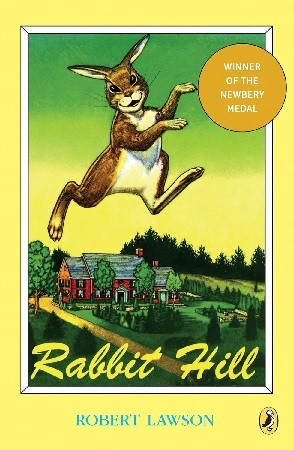
The animals of Rabbit Hill wait to see whether the new folks will be generous or mean. A Newbery Medal winner with gentle humor and detailed pen drawings.
Best for: classic-animal-story fans. Ages: 7–10.
2. The Velveteen Rabbit by Margery Williams
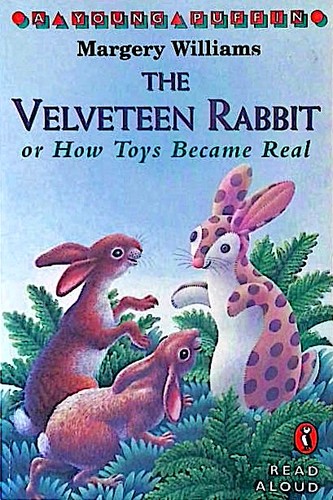
A toy rabbit wants to become real, and love makes it so. A classic about friendship and growing up, ideal as a read-aloud.
Best for: tender readers. Ages: 6–10.
3. Bunnicula by James Howe
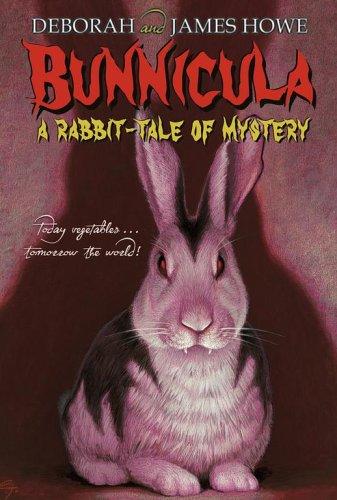
The family pet may be a vampire rabbit, and the dog and cat investigate. Light, funny and easy to read for new chapter-book readers.
Best for: funny mystery fans. Ages: 7–11.
4. Charlie and the Chocolate Factory by Roald Dahl
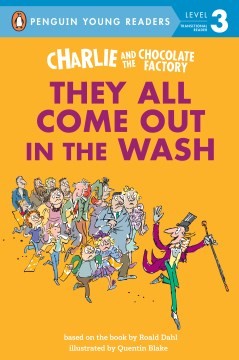
Charlie wins a golden ticket to Willy Wonka’s marvelous factory. Perfect for the season of sweets, and a great read-aloud over several nights.
Best for: candy lovers. Ages: 7–11.
5. The Egg Tree by Katherine Milhous
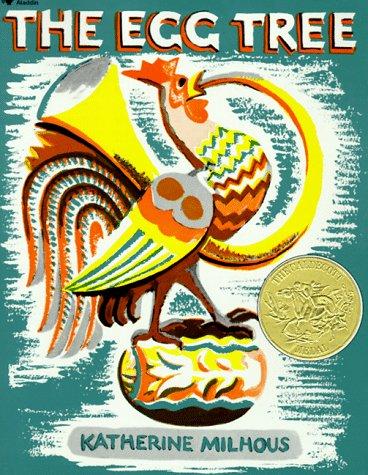
A girl and her family decorate an egg tree in this Caldecott-winning story. Rich pictures and a cozy family setting.
Best for: tradition lovers. Ages: 5–9.
6. Easter Egg Farm by Mary Jane Auch
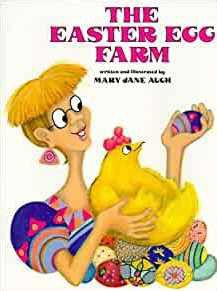
Pauline the hen lays eggs in surprising colors, which helps her find her place on the farm. Funny and colorful.
Best for: humor fans. Ages: 4–8.
7. Where Do Chicks Come From? by Amy Sklansky
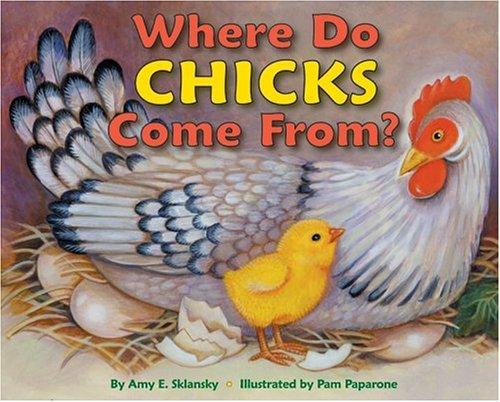
A Let’s-Read-and-Find-Out book that explains how eggs grow into chicks, with clear pictures. A good first science book about life cycles.
Best for: science fans. Ages: 5–9.
8. Egg to Chick by Millicent E. Selsam
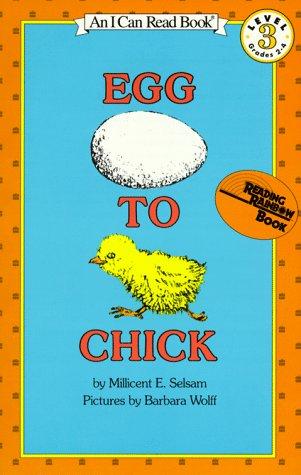
This classic nonfiction title follows a chick’s development inside the egg and after hatching. Clear text and photos.
Best for: life-cycle fans. Ages: 5–9.
9. Egg: Nature’s Perfect Package by Steve Jenkins
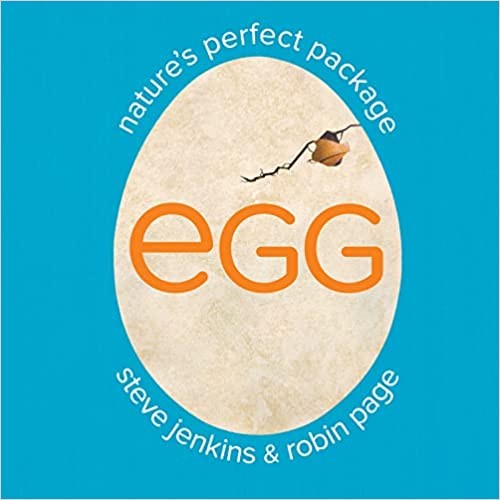
Using bold cut-paper illustrations, Jenkins shows the many kinds of eggs laid by animals, from insects to dinosaurs. Gorgeous and informative.
Best for: nature lovers. Ages: 6–10.
10. Chickens Aren’t the Only Ones by Ruth Heller
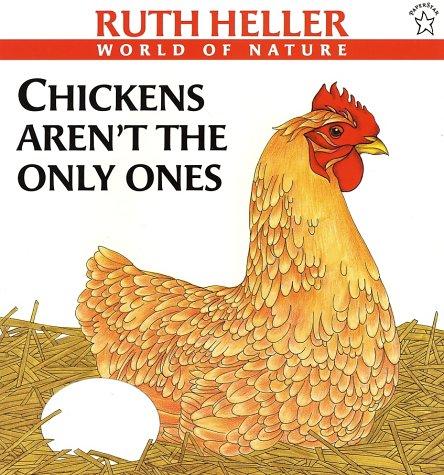
A rhyming look at animals that lay eggs, from snakes to platypuses. Brightly painted pages make it a fun read.
Best for: animal lovers. Ages: 5–9.
11. Rabbits, Rabbits & More Rabbits by Gail Gibbons
Gibbons covers rabbit habits, homes, hares and how to care for pet rabbits. Clean pictures and short sections.
Best for: fact-loving rabbit fans. Ages: 5–9.
12. The Trouble with Chickens by Doreen Cronin
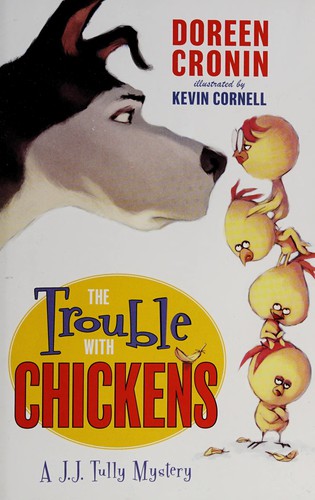
J.J. Tully, a retired search-and-rescue dog, is asked to find missing chicks. A funny, quick mystery with illustrations on every page.
Best for: early chapter-book fans. Ages: 6–9.
13. How to Catch the Easter Bunny by Adam Wallace
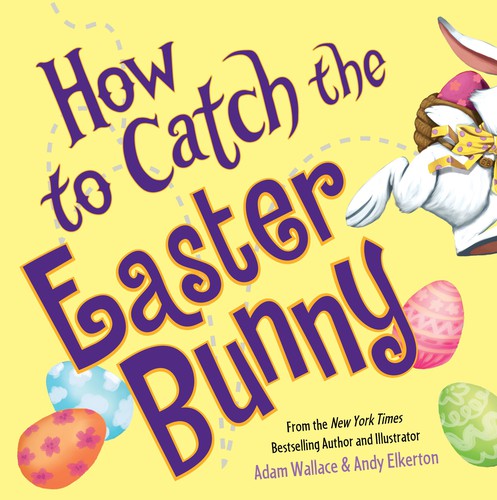
Kids build elaborate traps for the Easter Bunny, who outsmarts them every time. Easy to read and full of engineering ideas.
Best for: STEM and humor fans. Ages: 4–8.
14. The Tale of Benjamin Bunny by Beatrix Potter
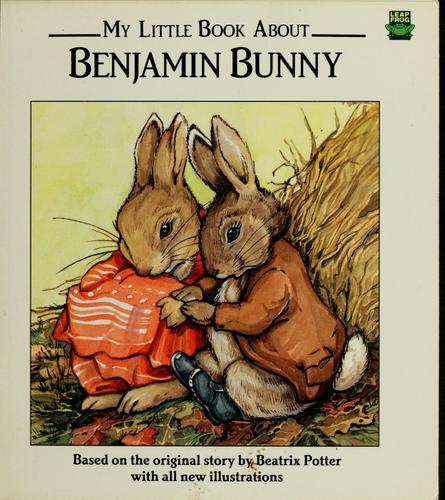
Peter returns to Mr. McGregor’s garden with his cousin Benjamin. A short classic with beautiful watercolors.
Best for: classic readers. Ages: 5–9.
15. The Tale of Peter Rabbit by Beatrix Potter
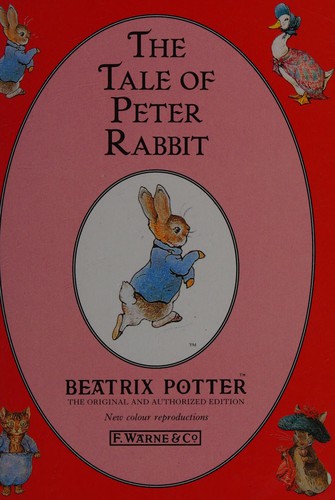
The original rabbit adventure remains a model of clear, direct storytelling. Early readers may enjoy reading it aloud in parts.
Best for: classic readers. Ages: 5–9.
A Spring Learning Project
Choose one nonfiction book from this list and one story, then make a small project. After Where Do Chicks Come From?, draw the life cycle of a chicken on a paper plate cut into stages. After Rabbits, Rabbits & More Rabbits, compare rabbits and hares in a chart. Visit a library display or farm to see animals up close if you can. Writing a short summary of what they learned builds comprehension, while a drawing helps visual learners. Kids who can explain an idea in their own words understand it. These activities turn spring reading into a project they will remember.
Reading Aloud Chapter Books in Spring
Chapter books are a wonderful way to stretch spring break or a long weekend. Pick one, such as Bunnicula or Charlie and the Chocolate Factory, and read a chapter a night, stopping at a cliffhanger. Let your child predict what happens next and keep a notebook of funny lines. Audiobooks are a good alternative for car trips. Shared chapter books build vocabulary, attention span and a sense of family tradition, and they give you something to look forward to after dinner when the days are busy.
How to Match a Easter Book to Your Elementary Student
Elementary-age readers range from kids who are sounding out words to kids who read chapter books independently, so check the level before you choose. A good Easter book for this age has a story that grabs attention, language that is slightly challenging and pictures that support the text. If your elementary student stumbles on more than a few words per page, read it aloud together; if they breeze through, move on to a longer title. Offer two or three choices rather than one assigned book, and let your child abandon a book that is not working. Books they pick themselves are the ones they finish, and finishing builds confidence.
A Simple Reading Plan for Easter Books
Choose one book from the list and set a small daily goal, such as one chapter or ten pages. Take turns reading aloud when the text is challenging, and let your elementary student read alone when it is easy. Ask a question or two during the story, such as what a character might do next. When the book is finished, talk about the favorite part and look for another Easter title from this list. A simple reading chart on the fridge makes progress visible, and a library visit makes a good reward.
Why Easter Books Matter for Elementary Kids
Reading Easter books during the elementary years builds fluency, vocabulary and the stamina needed for longer books. Children this age are also learning empathy and how the world works, and stories are a safe way to explore them. A Easter book can spark questions, writing, drawing and projects at home or school. Children who read for fun do better in school, so every enjoyable book is an investment. The best strategy is to keep reading pleasant and let your child’s interests lead.
Where to Find and How to Read These Books
You do not need to buy every book. Public libraries lend print books, e-books and audiobooks free, and school libraries add more variety. Paperbacks are great value for books your child will reread, and used copies are plentiful. Audiobooks are a good support for children who are still building reading stamina, and they let the whole family enjoy a Easter story in the car. Check whether a book has a sequel or companion, because finishing a series is often what turns an elementary reader into a lifelong one.
Building a Daily Routine Around Easter Books
Children in the elementary years do best when reading has a regular place in the day. Choose a twenty-minute window after dinner or before bed, and let your child read alone while you read your own book nearby. Take turns reading pages aloud when the text is challenging. Keep Easter books in a basket by the couch or bed so they are easy to grab, and let your child decide which one to read first. Track finished books on a simple chart and celebrate when it fills up. If your child resists, shorten the session and keep it pleasant rather than turning it into a battle.
Sharing Easter Books With Family and Friends
Reading is even better when it is shared. Start a family reading hour once a week, where everyone reads their own book in the same room. Invite a friend over for a book swap of Easter favorites, or form a mini book club with two or three classmates who read the same title. Encourage your child to recommend a book to a friend or to write a short review for the class or the family fridge. Teachers and librarians are happy to hear what students enjoy and can recommend similar titles. Sharing turns reading from a solo task into a social activity, which keeps kids interested as they grow.
After the Last Page: What to Read Next
After your child finishes a book, ask what they liked and whether they want the sequel. Look for other books by the same author or another Easter title from this list. A small ritual, such as choosing a new book at the library every week, keeps momentum going. If a book did not work, treat it as information about your child’s taste and try something different. Over time, those choices add up to a reading habit that lasts.
A Quick Checklist Before You Pick a Easter Book
Ask these questions before you borrow or buy:
- Is the reading level right for your child, easy enough to enjoy but with a few new words?
- Does the story hook your child within the first few pages?
- Are there enough pictures to support the text?
- Is there a sequel or companion book waiting?
- Is the content appropriate for your child’s sensitivity?
Questions to Talk About After Reading
These work for almost any book on this list:
- What was the best part of the story?
- Which character would you like to be, and why?
- What would you do if you were in the story?
- Did anything surprise you?
- Which book from this list do you want to read next?
How to Tell a Easter Book Is the Right Fit
You can tell a book is a good fit when your child keeps reading past bedtime, shares funny lines, asks for the next one or retells the story. A poor fit looks like groaning, skipping pages or finding other things to do. If a book is too easy, your child may breeze through it, which is fine for confidence. If it is too hard, read aloud together. Try the five-finger test: if your child misses five or more words on a page, the book is probably a challenge. Let your child abandon books that aren’t working and try another.
Tips for Choosing Easter Books for Elementary Kids
- Mix fiction and facts. Pair a chick life-cycle book with a rabbit story.
- Try chapter books. Read a chapter of Bunnicula each night.
- Do a project. Draw a life cycle of a chick and label the parts.
- Visit a farm. Real baby animals bring books to life.
- Use audiobooks. Many classics like Rabbit Hill sound wonderful aloud.
Related: 15 Best Easter Books for Preschoolers and 15 Best Easter Books for Toddlers.
Frequently Asked Questions
What are good Easter books for elementary kids?
Rabbit Hill, Bunnicula, Charlie and the Chocolate Factory and Where Do Chicks Come From? are great choices for ages 6 to 9.
Are there nonfiction spring books for this age?
Yes. Egg to Chick, Egg: Nature’s Perfect Package and Rabbits, Rabbits & More Rabbits are clear, appealing nonfiction.
Are these books secular?
Yes. They focus on animals, eggs and spring, so any family can enjoy them.