
Disclosure: As an Amazon Associate, Bookish Wisdom earns from qualifying purchases. This doesn’t change our picks or your price.
Quick answer: These 15 Easter books suit preschoolers (ages 3–5). Start with The Tale of Peter Rabbit, The Velveteen Rabbit, Max’s Chocolate Chicken, The Country Bunny and the Little Gold Shoes, The Egg Tree or Egg Drop. Each pick below has a short blurb, an age range and a content note where it matters.
Preschoolers adore Easter-time stories with bunnies, chicks, silly mix-ups and egg hunts. At this age they enjoy a plot, funny characters and a story they can retell, and they love when the pictures hide little jokes. This list gathers fifteen secular spring and Easter picture books for ages 3 to 5, from timeless classics like The Tale of Peter Rabbit and The Velveteen Rabbit to newer favorites such as The Rabbit Listened and How to Catch the Easter Bunny. Whether you celebrate Easter or simply enjoy the season, these books bring laughs, warmth and a good reason to snuggle up.
Table of Contents
Quick Picks at a Glance
| Book | Author | Ages | Best For |
|---|---|---|---|
| The Tale of Peter Rabbit | Beatrix Potter | 3–7 | classic fans |
| The Velveteen Rabbit | Margery Williams | 4–8 | tender-story readers |
| Max’s Chocolate Chicken | Rosemary Wells | 3–6 | funny sibling-story fans |
| The Country Bunny and the Little Gold Shoes | DuBose Heyward | 4–8 | classic-story fans |
| The Egg Tree | Katherine Milhous | 4–8 | tradition lovers |
| Egg Drop | Mini Grey | 3–7 | humor fans |
| How to Catch the Easter Bunny | Adam Wallace | 4–7 | gadget and rhyme lovers |
| Peep and Egg: I’m Not Hatching | Laura Gehl | 3–6 | humor lovers |
| The Rabbit Listened | Cori Doerrfeld | 3–7 | gentle-story fans |
| Happy Easter, Mouse! | Laura Numeroff | 2–5 | If You Give a Mouse fans |
| Guess How Much I Love You | Sam McBratney | 2–5 | tender readers |
| Chickens to the Rescue | John Himmelman | 3–7 | action fans |
| Plant the Tiny Seed | Christie Matheson | 2–5 | interactive readers |
| The Easter Egg | Jan Brett | 3–7 | art lovers |
| The Runaway Bunny | Margaret Wise Brown | 2–5 | comfort seekers |
1. The Tale of Peter Rabbit by Beatrix Potter
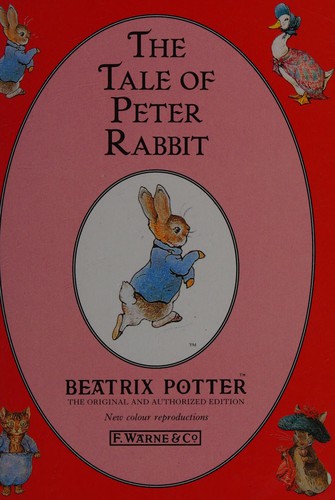
Peter disobeys his mother and squeezes under Mr. McGregor’s gate, getting into trouble. Short sentences and charming watercolors make it a favorite for preschoolers.
Best for: classic fans. Ages: 3–7.
2. The Velveteen Rabbit by Margery Williams
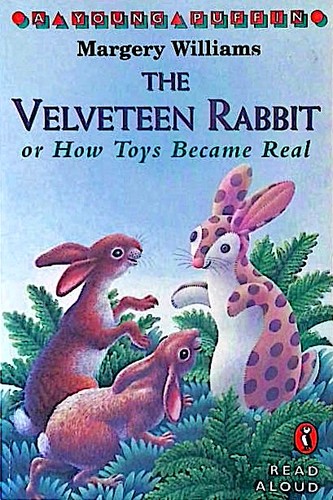
A toy rabbit longs to become real through love. The classic story is long for some preschoolers, so consider a picture-book edition. It explores friendship and loss gently.
Best for: tender-story readers. Ages: 4–8.
3. Max’s Chocolate Chicken by Rosemary Wells
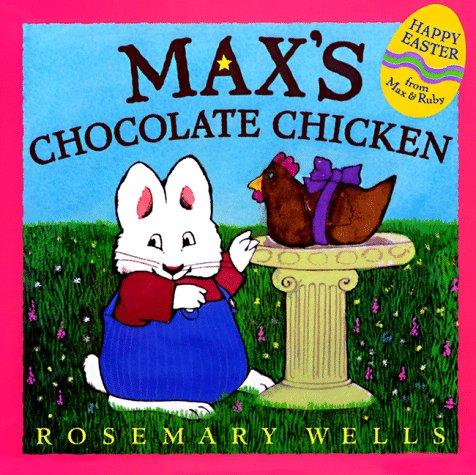
Max and Ruby search for a chocolate chicken in the garden. Max’s stubborn determination makes this a laugh-out-loud story.
Best for: funny sibling-story fans. Ages: 3–6.
4. The Country Bunny and the Little Gold Shoes by DuBose Heyward
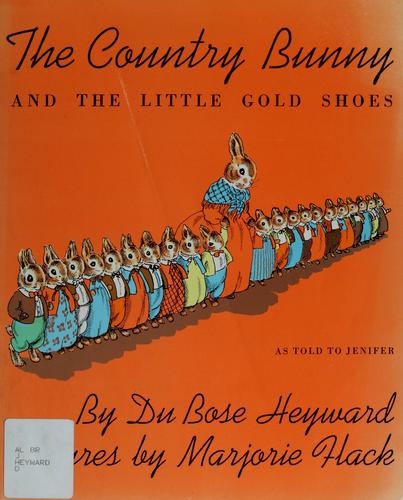
A mother of many bunnies proves she can be the Easter Bunny’s helper. An old-fashioned tale about perseverance and kindness, with lovely illustrations.
Best for: classic-story fans. Ages: 4–8.
5. The Egg Tree by Katherine Milhous
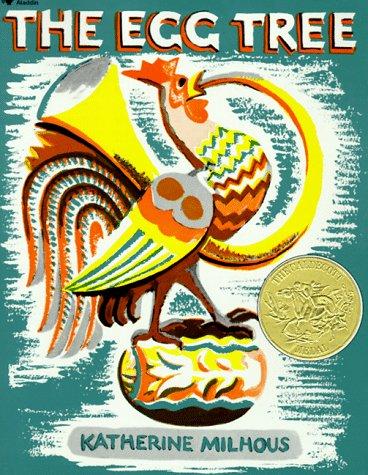
A Caldecott Medal winner about a family decorating an egg tree, based on Pennsylvania Dutch customs. Richly colorful pictures.
Best for: tradition lovers. Ages: 4–8.
6. Egg Drop by Mini Grey
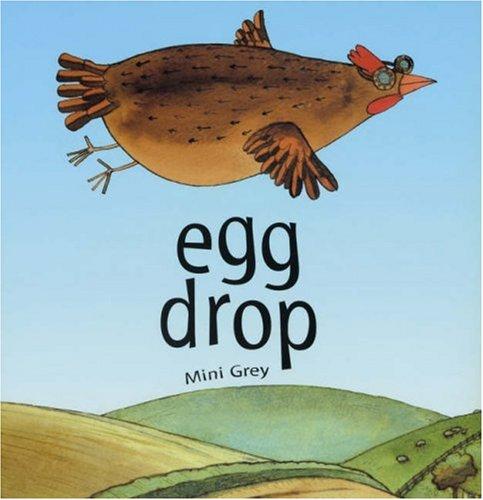
An egg wants to see the world and learns about gravity the hard way. Silly and surprising, with a happy ending.
Best for: humor fans. Ages: 3–7.
7. How to Catch the Easter Bunny by Adam Wallace
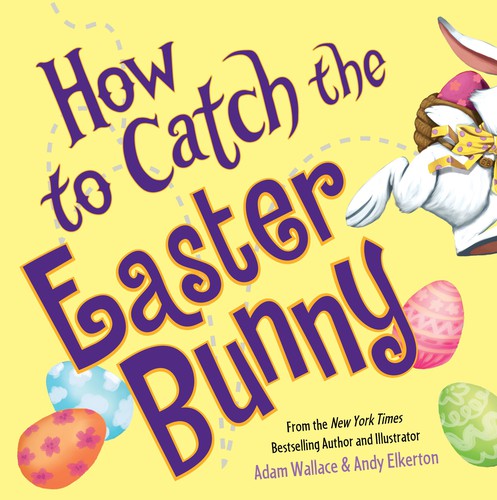
Kids build traps to catch the Easter Bunny, but he is cleverer than they are. Rhyming and fast, a good read-aloud.
Best for: gadget and rhyme lovers. Ages: 4–7.
8. Peep and Egg: I’m Not Hatching by Laura Gehl
Peep tries to convince an egg to hatch, and the egg refuses to come out. A funny, short book about patience.
Best for: humor lovers. Ages: 3–6.
9. The Rabbit Listened by Cori Doerrfeld

When Taylor’s block tower collapses, animals offer advice, but only the rabbit simply listens. A kind book about how to support others.
Best for: gentle-story fans. Ages: 3–7.
10. Happy Easter, Mouse! by Laura Numeroff
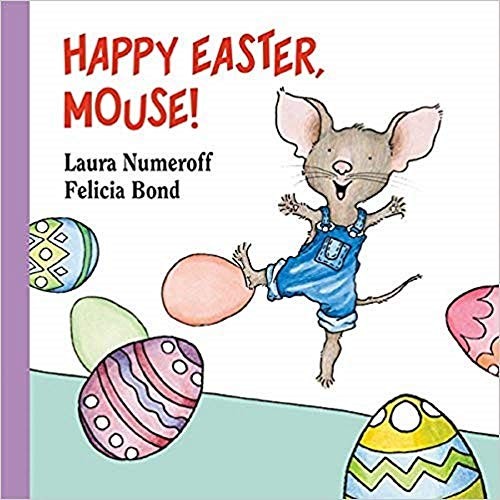
The mouse prepares for the spring holiday with plenty of energy. Short sentences and silly situations.
Best for: If You Give a Mouse fans. Ages: 2–5.
11. Guess How Much I Love You by Sam McBratney
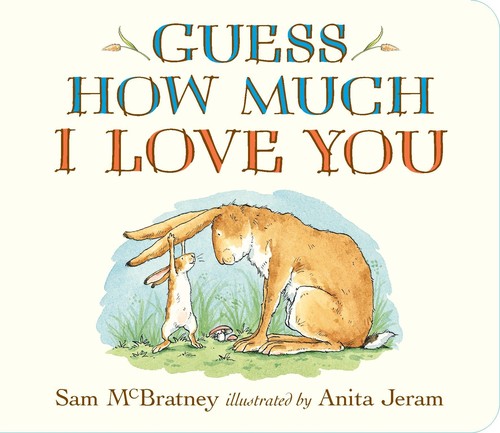
Little Nutbrown Hare tries to show how much he loves Big Nutbrown Hare. A snuggly bedtime favorite.
Best for: tender readers. Ages: 2–5.
12. Chickens to the Rescue by John Himmelman
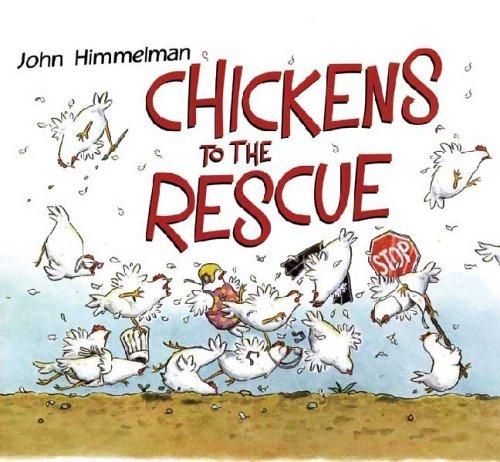
Chickens come to the rescue in a series of farm emergencies. Fun, rhythmic and action-packed.
Best for: action fans. Ages: 3–7.
13. Plant the Tiny Seed by Christie Matheson
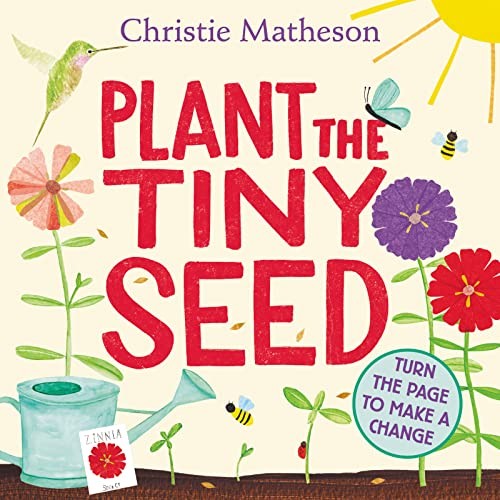
Kids tap, shake and blow to help a seed grow into a flower. A great interactive book for spring.
Best for: interactive readers. Ages: 2–5.
14. The Easter Egg by Jan Brett
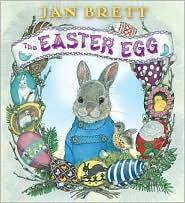
Hoppi the rabbit decorates an egg for the egg-decorating contest and discovers that kindness is the best prize. Beautifully detailed.
Best for: art lovers. Ages: 3–7.
15. The Runaway Bunny by Margaret Wise Brown
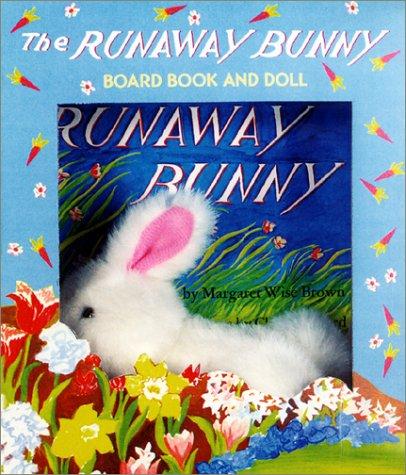
A little bunny says he will run away, and his mother says she will follow. A soothing classic.
Best for: comfort seekers. Ages: 2–5.
Creating a Cozy Spring Book Basket
Fill a small basket with your favorite spring books, a stuffed bunny and a few plastic eggs, and keep it where your child can reach it. Rotate two or three books at a time so the basket always feels new. Add a small notebook and crayons so your preschooler can draw a favorite scene after reading. On a rainy spring day, build a blanket burrow and read inside it. These small touches make the books feel special, and they help your child associate reading with comfort and fun. Over a few weeks, you may find your preschooler retelling the stories to a stuffed animal, a sign that comprehension is growing.
Using Spring Stories to Practice Early Skills
Spring books are great for gentle skill-building. Count the eggs on each page in Egg Drop, name the colors in The Easter Egg, practice rhyme in How to Catch the Easter Bunny, and talk about feelings in The Rabbit Listened. Ask your preschooler to point to words that start with the same sound, or to tell you what happens next. None of this needs flash cards; it is just conversation around a story. These playful moments build vocabulary, listening skills and early literacy without pressure.
How to Match a Easter Book to Your Preschooler
Preschoolers love stories with characters they recognize, funny moments and pictures worth studying. Choose Easter books that match your preschooler’s interests and attention span, usually a story you can finish in five to ten minutes. Read with expression, use different voices and stop to ask what might happen next. Look for rhyme, repetition and a gentle problem that gets solved, because these help preschoolers learn how stories work. Let your child choose some of the books, even if they pick the same one repeatedly, and keep a few new titles in the mix so there is always something fresh. Following the words with your finger shows them how print works.
A Simple Reading Plan for Easter Books
Pick one book to read this week and set aside ten minutes at the same time each day. Read it through once for the story, then again slowly so your preschooler can look at the pictures and ask questions. Let your child turn the pages, guess what comes next and chime in on repeated phrases. Visit the library often so new Easter books keep arriving, and keep favorites within easy reach. A cozy spot, such as a pile of pillows, makes reading feel special. Short, happy sessions matter more than long ones.
Why Easter Books Matter for Preschoolers
Reading Easter books with preschoolers builds the skills they need for school: vocabulary, listening, understanding how stories begin and end, and recognizing letters and sounds. It also helps children make sense of big feelings and new situations, since a story can show how a character handles worry, excitement or change. Sharing a Easter book makes ordinary days feel special and gives you something to talk about at dinner and bedtime. Children who enjoy books at this age are more likely to become confident readers later.
Where to Find and How to Read These Books
You do not need to buy every book. Your library has picture books, storytimes and read-along audiobooks, and children’s librarians love helping families find Easter titles. Paperbacks are good value for books your child will ask for repeatedly, while hardcovers last longer for favorites. Library sales, thrift stores and book swaps are inexpensive sources. Many libraries also offer e-books, which are handy for travel. Keep a basket near your child’s bed so there is always something to pick.
Building a Daily Routine Around Easter Books
Preschoolers love routines, and a reliable reading time gives them something to look forward to. Choose a regular slot, such as right after dinner or just before lights out, and protect it from screens and interruptions. Allow your child to choose one of the books each night while you choose the other, which teaches that reading is both a choice and a shared activity. Keep a basket of Easter books close by and rotate a few titles every week so they stay fresh. Ask one question per book, such as what a character might be feeling, and leave time for your child to answer. A simple routine like this builds listening skills, vocabulary and a love of books.
Sharing Easter Books With Family and Friends
Preschoolers love an audience, so share these books beyond bedtime. Invite a grandparent to read by video call, let an older cousin take a turn or visit the library for storytime where your child can listen with other kids. Swap Easter books with friends to keep your shelf fresh without spending money. Encourage your child to read to a stuffed animal or the family pet, even if they are only telling the story from the pictures. This pretend reading builds confidence and shows that your child understands how books work. When they see you reading for fun, too, they learn that books are for everyone.
After the Last Page: What to Read Next
After the last page, ask your preschooler what they liked best, and let them retell the story in their own words. Many children enjoy acting it out, drawing a picture or finding the book on the shelf again. Look for other books by the same author or illustrator, or another Easter title from this list. Visiting the library every week to choose one new book gives your child a sense of ownership. If a book was not a hit, put it away for a few months and try again; tastes change quickly at this age.
A Quick Checklist Before You Pick a Easter Book
Ask these questions before you borrow or buy:
- Is the story short enough to finish in one sitting?
- Do the pictures add humor or details to talk about?
- Does it include rhyme or repetition your child can join in on?
- Is the topic one your child is curious about?
- Is the tone gentle enough for bedtime if you read it at night?
Questions to Talk About After Reading
These work for almost any book on this list:
- What was your favorite part?
- How do you think the character felt?
- What do you think will happen next?
- Has anything like this happened to you?
- Which book should we read tomorrow?
How to Tell a Easter Book Is the Right Fit
A good fit shows up in small ways: your preschooler asks questions, chimes in on the repeated lines, laughs at the pictures or asks for the book again tomorrow. A book that is a miss may bring fidgeting, interruptions about something else or a request for a different story. That’s fine. If the book is too long, read half and finish the next day. If it is too scary, skip ahead or set it aside. Pay attention to the themes your child returns to, such as animals, families or feelings, and use them to guide the next choice.
Tips for Choosing Easter Books for Preschoolers
- Hold an egg hunt. Link stories to play with a simple indoor or outdoor hunt.
- Read with voices. Different voices for the rabbit and the farmer make stories vivid.
- Plant seeds. Spring is a great time to grow beans and watch them sprout.
- Retell the story. Ask your child to act out Peter Rabbit in the garden.
- Rotate books. Keep a spring basket of favorites by the bed.
Related: 15 Best Easter Books for Toddlers and 15 Best Thanksgiving Books for Elementary Kids.
Frequently Asked Questions
What are good Easter books for preschoolers?
How to Catch the Easter Bunny, Max’s Chocolate Chicken, The Egg Tree and The Rabbit Listened are all well loved.
Are there Easter books that are not religious?
Yes. This list focuses on bunnies, chicks, eggs and spring, which suit all families.
When should I start reading spring books?
Start a few weeks before Easter and keep them out through April.