

Finding the perfect transition from picture books to chapter books can feel overwhelming for parents and young readers alike. The best first chapter books for 6 year olds bridge this gap beautifully, offering engaging stories with simple text and delightful illustrations. These carefully selected books will captivate your child’s imagination while building essential reading skills and confidence.
Table of Contents
1. Frog and Toad Are Friends by Arnold Lobel
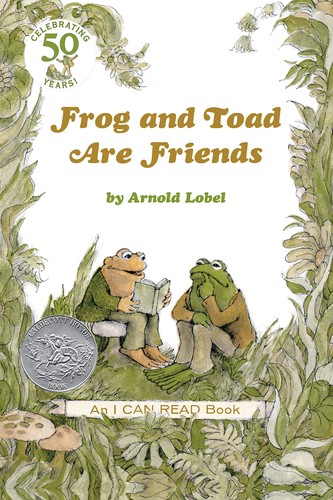
This timeless classic introduces young readers to the heartwarming friendship between Frog and Toad through five charming short stories. The simple vocabulary and repetitive sentence structures make it perfect for beginning chapter book readers. Each story teaches valuable lessons about friendship, kindness, and understanding differences. The gentle illustrations complement the text beautifully, helping children visualize the story while developing independent reading skills.
2. Mercy Watson to the Rescue by Kate DiCamillo
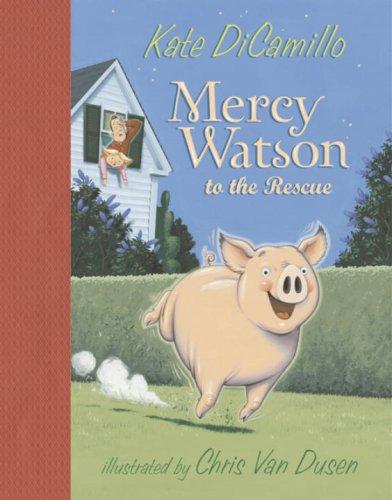
Meet Mercy Watson, a pig with a big appetite and an even bigger heart, in this delightfully funny series starter. The story combines humor with adventure as Mercy accidentally saves the day while searching for buttered toast. DiCamillo’s engaging writing style and Chris Van Dusen’s vibrant illustrations create an irresistible reading experience. This book proves that best first chapter books for 6 year olds can be both educational and thoroughly entertaining.
3. Henry and Mudge: The First Book by Cynthia Rylant
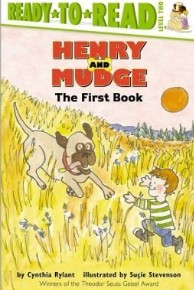
The beloved Henry and Mudge series begins with this touching story about a boy and his enormous dog. Rylant’s gentle prose captures the special bond between Henry and his 180-pound mastiff companion. The short chapters and familiar themes of friendship and adventure make this an ideal choice for emerging readers. Young children will relate to Henry’s experiences and laugh at Mudge’s lovable antics throughout their neighborhood adventures.
4. The Magic Tree House: Dinosaurs Before Dark by Mary Pope Osborne
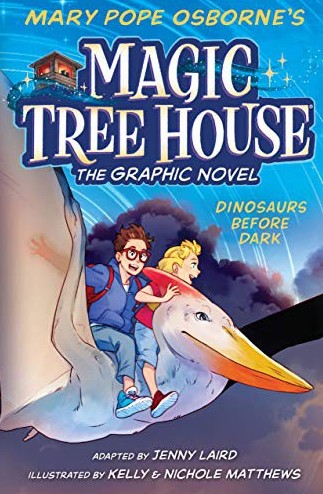
Jack and Annie discover a mysterious tree house filled with books that transport them through time in this exciting series opener. The combination of adventure, history, and magic creates an engaging reading experience that keeps children turning pages. Osborne masterfully balances educational content with thrilling storytelling, making learning feel like an adventure. This book opens the door to an extensive series that will keep young readers engaged for years to come.
5. Pinky and Rex by James Howe
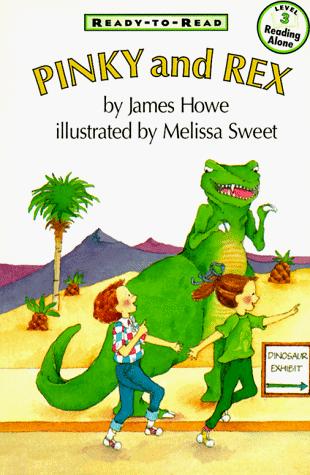
This sensitive story explores friendship and gender stereotypes through the relationship between Pinky, who loves the color pink, and Rex, who adores dinosaurs. Howe addresses important social themes while maintaining an age-appropriate and engaging narrative. The characters face realistic childhood challenges that six-year-olds can understand and relate to personally. The book’s message about accepting differences makes it both entertaining and valuable for character development.
6. Little Critter: Just Going to the Dentist by Mercer Mayer
Little Critter faces a common childhood fear in this reassuring and humorous chapter book adaptation. Mayer’s familiar character helps children navigate anxiety about dental visits through relatable experiences and gentle humor. The simple text structure and engaging illustrations make this perfect for building reading confidence. Parents will appreciate how this book addresses real-life situations while providing excellent reading practice for developing readers.
7. Biscuit’s New Trick by Alyssa Satin Capucilli
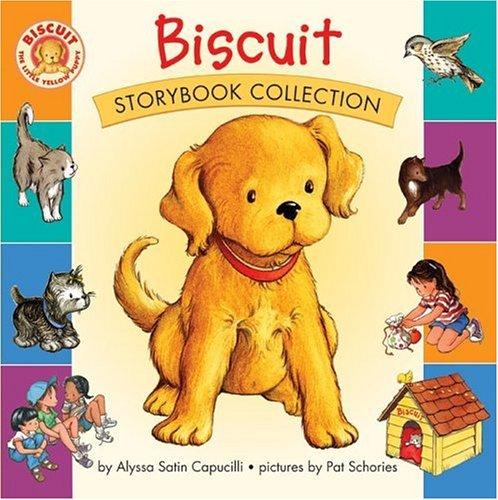
The adorable yellow puppy Biscuit learns new skills in this charming early chapter book that builds on the popular picture book series. Capucilli’s repetitive text patterns help reinforce reading skills while telling an engaging story about persistence and learning. Children will cheer for Biscuit as he masters his new trick through determination and practice. The familiar character and predictable story structure provide comfort for children transitioning to longer books.
8. Cam Jansen and the Mystery of the Stolen Diamonds by David A. Adler
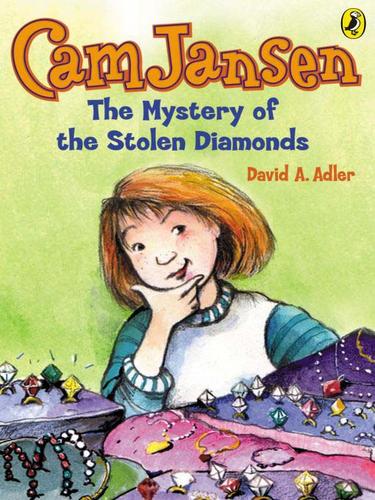
Young detective Cam Jansen uses her photographic memory to solve mysteries in this engaging series starter. Adler creates age-appropriate mystery plots that encourage logical thinking and problem-solving skills. The short chapters and clear writing style make complex mystery elements accessible to beginning chapter book readers. Children will enjoy following clues alongside Cam while developing critical thinking skills through entertaining storytelling.
9. The Boxcar Children by Gertrude Chandler Warner
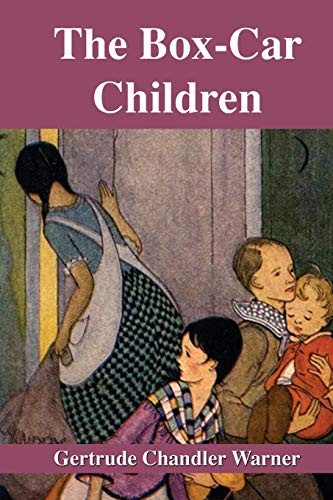
Four orphaned siblings create a home in an abandoned boxcar in this classic adventure story that has captivated young readers for generations. Warner’s timeless tale celebrates family bonds, resourcefulness, and independence in age-appropriate ways. The simple language and exciting plot make this one of the best first chapter books for 6 year olds seeking adventure stories. Modern children continue to connect with the Alden children’s creativity and problem-solving abilities.
10. Junie B. Jones and the Stupid Smelly Bus by Barbara Park
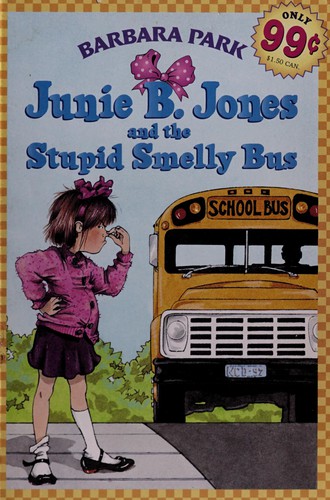
Kindergartner Junie B. Jones faces her first day of school with characteristic humor and spunk in this beloved series opener. Park’s authentic child voice and Junie B.’s hilarious misunderstandings create laugh-out-loud moments that resonate with young readers. The book addresses common childhood fears about school and growing up with sensitivity and humor. Parents and children alike will appreciate Junie B.’s unique perspective on navigating childhood challenges.
11. Nate the Great by Marjorie Weinman Sharmat
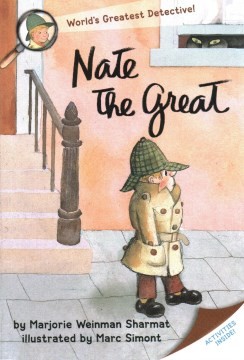
Young detective Nate the Great solves the mystery of Annie’s missing picture in this classic beginning chapter book. Sharmat’s clever plotting and Nate’s methodical detective work introduce children to logical reasoning and deduction skills. The pancake-loving detective’s serious approach to solving cases provides gentle humor throughout the investigation. This book successfully combines mystery elements with accessible vocabulary and engaging storytelling techniques.
12. Amelia Bedelia by Peggy Parish
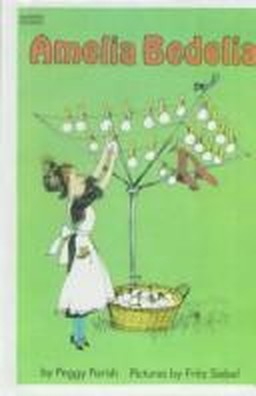
The literal-minded housekeeper Amelia Bedelia creates hilarious chaos by following instructions exactly as written in this classic comedy. Parish’s wordplay and Amelia’s innocent misunderstandings teach children about language while providing endless entertainment. The predictable humor pattern helps young readers anticipate jokes while building comprehension skills. This book demonstrates how the best first chapter books for 6 year olds can make learning about language fun and memorable.
13. The Poppleton series by Cynthia Rylant
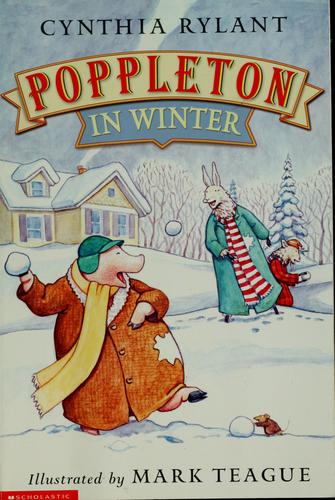
Poppleton the pig enjoys simple pleasures and quiet adventures in his cozy neighborhood in this gentle series. Rylant’s warm storytelling celebrates everyday moments and the joy found in simple activities. The short chapters and peaceful tone make this perfect for bedtime reading or quiet afternoon sessions. Children will appreciate Poppleton’s contentment and his appreciation for life’s small pleasures and meaningful friendships.
14. Commander Toad in Space by Jane Yolen
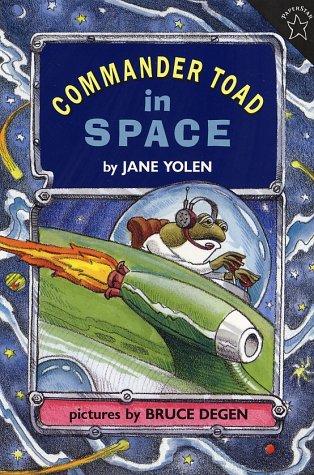
Commander Toad and his crew explore the galaxy in this humorous space adventure that parodies classic science fiction. Yolen’s clever wordplay and silly situations create an entertaining story that appeals to young readers’ sense of humor. The space setting adds excitement while the familiar fairy tale references provide comfort and recognition. This book proves that chapter books can successfully combine education, humor, and adventure in engaging ways.
15. The Minnie and Moo series by Denys Cazet
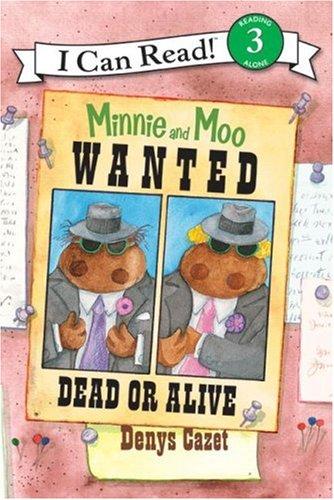
Two cows with big dreams and bigger hearts embark on hilarious adventures in this charming series. Cazet’s gentle humor and the cows’ friendship create heartwarming stories that celebrate imagination and loyalty. The simple text and engaging illustrations make these books perfect for children ready to tackle longer stories independently. Young readers will laugh at Minnie and Moo’s misadventures while learning valuable lessons about friendship and perseverance.
What Makes These Chapter Books Perfect for Six-Year-Olds
The transition from picture books to chapter books represents a significant milestone in a child’s reading journey. The best first chapter books for 6 year olds share several important characteristics that support developing readers. These books feature larger fonts, shorter chapters, and plenty of white space to prevent overwhelming young eyes.
Vocabulary selection plays a crucial role in making chapter books accessible to six-year-olds. Authors of successful early chapter books choose words that challenge readers without frustrating them. They often repeat key vocabulary throughout the story, helping children internalize new words through context and repetition.
Illustration support remains important in first chapter books, though pictures appear less frequently than in picture books. Strategic placement of illustrations helps break up text and provides visual context for story events. These images serve as comprehension aids while encouraging children to rely more heavily on text for story understanding.
Building Reading Confidence Through Chapter Books
Chapter books offer young readers a sense of accomplishment that picture books cannot provide. The physical act of reading a “real book” with chapters boosts children’s confidence and reading identity. Six-year-olds take pride in reading books that look similar to those enjoyed by older siblings and parents.
The episodic nature of many first chapter books helps children develop reading stamina gradually. Short chapters provide natural stopping points, allowing young readers to process information and feel successful. This structure prevents reading fatigue while building the endurance needed for longer books in the future.
Series books offer particular benefits for developing readers by providing familiar characters and predictable story structures. Once children connect with beloved characters like Henry and Mudge or Mercy Watson, they eagerly seek out additional books in the series. This enthusiasm drives independent reading practice and helps establish lifelong reading habits.
Supporting Your Child’s Chapter Book Journey
Parents can support their six-year-old’s transition to chapter books through various strategies that encourage success. Reading aloud together remains valuable even as children develop independent reading skills. Taking turns reading pages or chapters allows children to hear fluent reading while practicing their own skills.
Creating a comfortable reading environment helps children focus on their new chapter books. Designate a special reading spot with good lighting and minimal distractions where your child can enjoy their first chapter books peacefully. Having a consistent reading time each day establishes routine and demonstrates the importance of reading.
Discussing books together enhances comprehension and enjoyment for young chapter book readers. Ask open-ended questions about characters, plot events, and personal connections to encourage deeper thinking. These conversations help children process story elements while developing critical thinking skills essential for future reading success.
Choosing the Right Chapter Book for Your Child
Individual children develop reading skills at different rates, making personal assessment important when selecting chapter books. Consider your child’s interests, attention span, and current reading level when choosing from the best first chapter books for 6 year olds. A book that matches your child’s interests will motivate them to persist through challenging sections.
Preview books before presenting them to your child to ensure appropriate content and difficulty level. Read a few pages aloud to gauge whether the vocabulary and sentence structure match your child’s abilities. The goal is finding books that challenge without overwhelming developing readers.
Don’t hesitate to revisit picture books alongside chapter books during this transitional period. Many children benefit from alternating between familiar picture books and new chapter books. This approach maintains reading confidence while gradually building skills needed for longer texts.
The Long-Term Benefits of Early Chapter Books
Successfully navigating first chapter books sets the foundation for future reading achievement and academic success. Children who master early chapter books develop the stamina and skills needed for more complex literature in elementary school. These early positive experiences with longer texts create enthusiasm for reading that often lasts throughout life.
Chapter books introduce children to more sophisticated story structures, character development, and plot complexity than picture books typically offer. This exposure prepares young readers for the narrative complexity they’ll encounter in school and recreational reading. Understanding how stories work becomes intuitive through extensive practice with well-crafted chapter books.
The independence gained through chapter book reading extends beyond literacy skills into other areas of learning and personal development. Children who successfully read chapter books independently often show increased confidence in tackling other challenging tasks. This self-efficacy becomes a valuable asset throughout their educational journey and beyond.
Conclusion
Selecting the right first chapter books can transform your six-year-old’s reading experience and set them on a path toward lifelong literacy enjoyment. These fifteen carefully chosen titles represent the best first chapter books for 6 year olds, offering engaging stories, appropriate challenge levels, and memorable characters that will captivate young readers. From the gentle friendship lessons in Frog and Toad to the exciting adventures of the Magic Tree House, each book provides unique benefits while supporting developing reading skills.
Remember that every child’s reading journey is unique, and patience during this transitional period pays dividends in future reading success. Celebrate small victories, provide gentle support when needed, and trust that consistent exposure to quality chapter books will build the skills and confidence your child needs. With the right books and supportive environment, your six-year-old will soon discover the joy and independence that comes from reading chapter books successfully.