
Disclosure: As an Amazon Associate, Bookish Wisdom earns from qualifying purchases. This doesn’t change our picks or your price.
Quick answer: These 15 funny books suit middle schoolers (ages 10–13). Start with Diary of a Wimpy Kid, Frindle, Sideways Stories from Wayside School, The Terrible Two, Big Nate: In a Class by Himself or The Strange Case of Origami Yoda. Each pick below has a short blurb, an age range and a content note where it matters.
Humor is the fastest route to a reader who says books are boring. A child who laughs out loud in chapter one will usually read chapter two, and funny books are some of the most reread books on any shelf. This list collects fifteen favorites for ages 10 to 13, from diary-style comics and prank wars to absurd schools and dragon-training disasters. Many use illustrations or short chapters, which helps reluctant readers build confidence. Others are word-play classics that reward kids who love language. Everything here is school-friendly, though a few have potty humor, and we flag it where it matters. Use them to build a reading habit that sticks.
Table of Contents
Quick Picks at a Glance
| Book | Author | Ages | Best For |
|---|---|---|---|
| Diary of a Wimpy Kid | Jeff Kinney | 8–12 | reluctant readers |
| Frindle | Andrew Clements | 8–12 | word lovers |
| Sideways Stories from Wayside School | Louis Sachar | 7–11 | absurd-humor fans |
| The Terrible Two | Mac Barnett and Jory John | 8–12 | prank fans |
| Big Nate: In a Class by Himself | Lincoln Peirce | 7–12 | comic-style readers |
| The Strange Case of Origami Yoda | Tom Angleberger | 8–12 | Star Wars fans |
| Timmy Failure: Mistakes Were Made | Stephan Pastis | 8–12 | sarcastic-humor fans |
| Middle School: The Worst Years of My Life | James Patterson and Chris Tebbetts | 9–13 | school-story fans |
| Fortunately, the Milk | Neil Gaiman | 7–11 | silly-story fans |
| How to Train Your Dragon | Cressida Cowell | 8–12 | dragon-loving jokers |
| The Day My Butt Went Psycho | Andy Griffiths | 9–13 | gross-out humor fans |
| The Bad Beginning | Lemony Snicket | 8–12 | dark-humor fans |
| Hank Zipzer: Niagara Falls, or Does It? | Henry Winkler and Lin Oliver | 7–11 | kids who struggle in school |
| My Life as a Book | Janet Tashjian | 8–12 | doodle fans |
| Swindle | Gordon Korman | 9–13 | caper fans |
1. Diary of a Wimpy Kid by Jeff Kinney
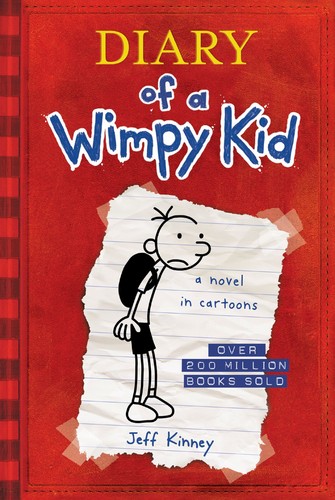
Greg Heffley records his disastrous first year of middle school in a journal full of cartoons. Short entries and relatable embarrassment make it easy to read in one sitting. The series has many sequels, and kids often devour them all.
Best for: reluctant readers. Ages: 8–12.
2. Frindle by Andrew Clements
Nick Allen invents a new word for pen, ‘frindle,’ and a school-wide craze starts. The book is a smart, funny look at how language works and how kids can change things. It’s short and a classroom favorite.
Best for: word lovers. Ages: 8–12.
3. Sideways Stories from Wayside School by Louis Sachar
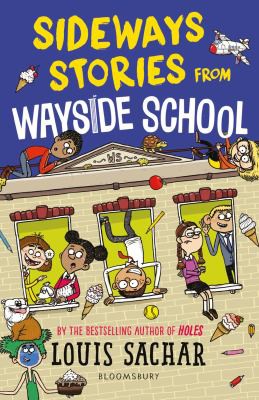
Wayside School was built sideways with thirty classrooms stacked on top of each other. Each chapter is a short, silly tale about odd students and teachers. It’s perfect for bite-sized reading or reading aloud.
Best for: absurd-humor fans. Ages: 7–11.
4. The Terrible Two by Mac Barnett and Jory John
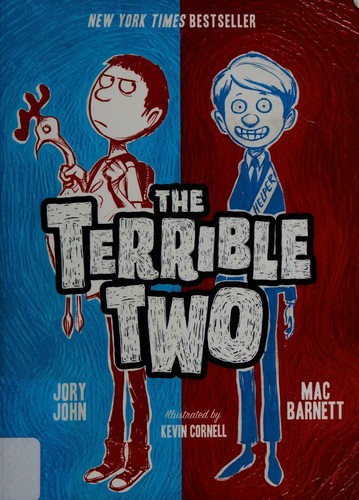
New student Miles, a prankster, finds his match in the school’s other prank master, Niles. Together they plan the ultimate prank on their principal. Illustrations and quick chapters keep it light and silly.
Best for: prank fans. Ages: 8–12.
5. Big Nate: In a Class by Himself by Lincoln Peirce
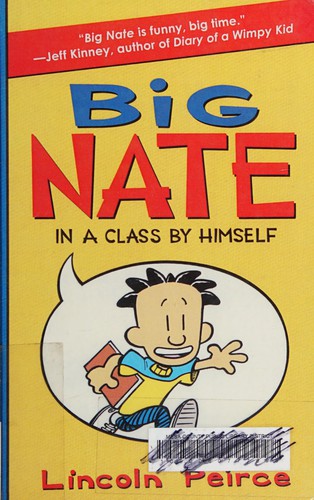
Nate Wright is sure he is destined for greatness, but he keeps getting detention. The book mixes prose and comics, with a hero who is overconfident and lovable. It’s an easy step for fans of Wimpy Kid.
Best for: comic-style readers. Ages: 7–12.
6. The Strange Case of Origami Yoda by Tom Angleberger
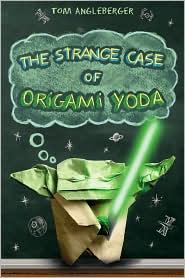
A weird kid has a finger puppet that gives surprisingly good advice, and classmates debate whether Yoda is real. The story is told as a case file by several kids. It’s clever, funny and very relatable.
Best for: Star Wars fans. Ages: 8–12.
7. Timmy Failure: Mistakes Were Made by Stephan Pastis
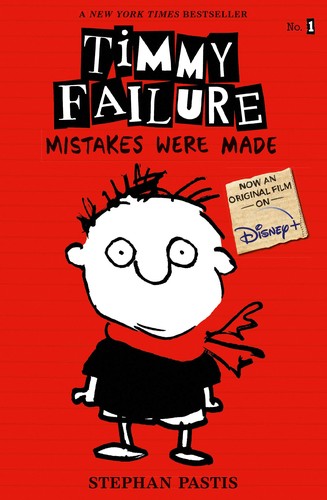
Timmy runs a detective agency with his polar bear partner, who is sure to ruin cases. The jokes are dry and the drawings lively. Written by the creator of the comic strip Pearls Before Swine.
Best for: sarcastic-humor fans. Ages: 8–12.
8. Middle School: The Worst Years of My Life by James Patterson and Chris Tebbetts
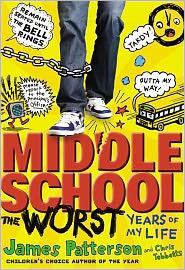
Rafe Khatchadorian decides to break every rule in his school’s code of conduct. Doodles, humor and some heart make this a fast read. It’s the first of a long series.
Best for: school-story fans. Ages: 9–13.
9. Fortunately, the Milk by Neil Gaiman
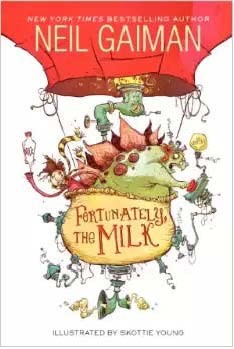
A dad returns with milk and a fantastical tale of aliens, pirates and time travel. Skottie Young’s illustrations add to the fun. It’s short, hilarious and ideal for reading aloud.
Best for: silly-story fans. Ages: 7–11.
10. How to Train Your Dragon by Cressida Cowell
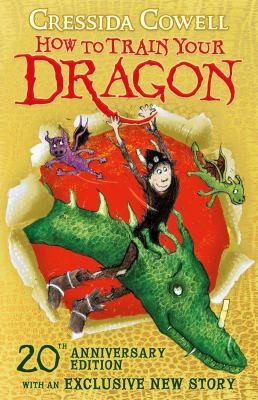
Hiccup, a small Viking boy, must catch and train a dragon to earn his place in the tribe. The book is funnier and quirkier than the films. It has doodles and a great narrator voice.
Best for: dragon-loving jokers. Ages: 8–12.
11. The Day My Butt Went Psycho by Andy Griffiths
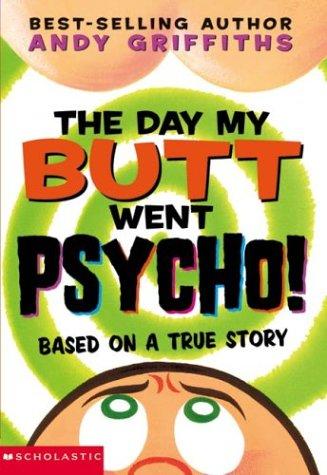
Zack’s rear end breaks free and starts a rampage. It’s extremely silly and full of potty humor that kids love. Not for everyone, but a surefire hit for reluctant readers. Content note: crude humor.
Best for: gross-out humor fans. Ages: 9–13.
12. The Bad Beginning by Lemony Snicket
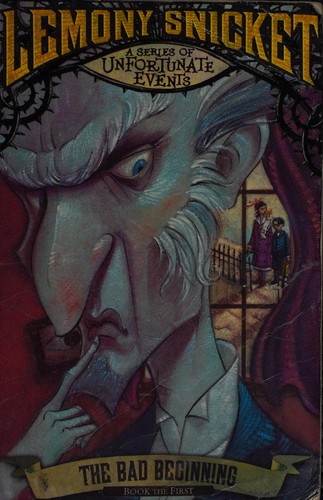
The Baudelaire orphans face a villainous guardian in the first of A Series of Unfortunate Events. The narrator’s dry comments are the main joke. It’s gloomy yet funny, with clever wordplay. Content note: orphan peril.
Best for: dark-humor fans. Ages: 8–12.
13. Hank Zipzer: Niagara Falls, or Does It? by Henry Winkler and Lin Oliver
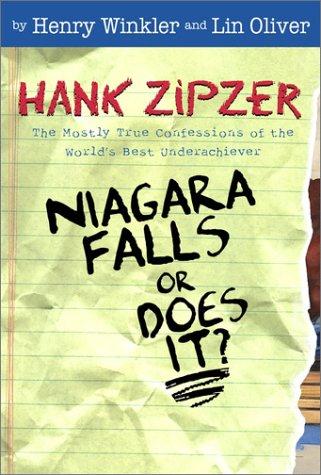
Hank, a creative kid with learning challenges, gets into trouble before his big school report. The authors draw on Winkler’s own dyslexia. It’s funny, kind and affirming.
Best for: kids who struggle in school. Ages: 7–11.
14. My Life as a Book by Janet Tashjian
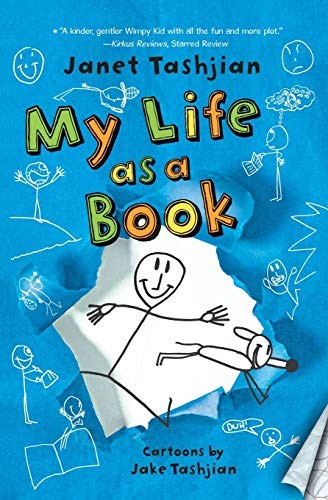
Derek Fallon hates reading but uses drawings to understand vocabulary words during a summer of reading. The book mixes humor and illustrations. It encourages reluctant readers.
Best for: doodle fans. Ages: 8–12.
15. Swindle by Gordon Korman
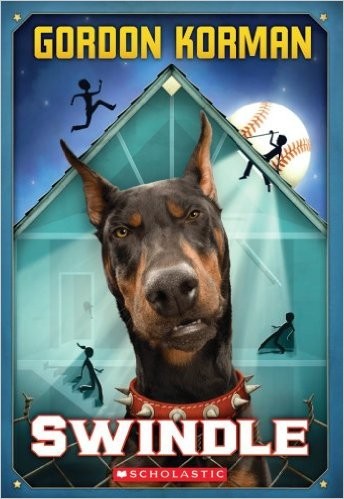
Griffin Bing assembles a crew to steal back a valuable baseball card from a swindler. The plot is brisk and the humor sly. Korman’s books are known for ensemble casts and quick pacing.
Best for: caper fans. Ages: 9–13.
How to Match a Funny Book to Your Middle School
Middle school readers range widely. One eleven-year-old may still love illustrated chapter books, while another is ready for novels with darker themes. Start with the reader’s current favorites, then pick a funny title with a similar length and pace. Look at the first page together: if your middle school can read it smoothly and wants to continue, it is a good fit. Short chapters and strong openings help hesitant readers, while avid readers can handle longer books and series. Pay attention to content notes in this list, and preview a book if your child is sensitive to a particular topic. When in doubt, offer two or three choices and let your child decide, because a book they choose is a book they are more likely to finish.
A Simple Reading Plan for Funny Books
Choose one book from the list to start this week and set a modest goal, such as twenty minutes a day. Keep a library card in use, since borrowing lets your child try several funny books without cost. Read the same book yourself, or listen to it as an audiobook in the car, so you can chat about it at dinner. When your middle school finishes, ask which part they liked best and whether they want to try the next book in a series or a similar title from this list. A simple chart on the fridge can track finished books. Celebrate progress with a trip to the library or bookstore rather than with screen time or a prize.
Why Funny Books Matter for Middle Schoolers
Reading funny books during the middle school years does more than fill free time. Children this age are building stamina for longer texts, growing their vocabulary and learning to follow complex plots, and they do those things best when they enjoy what they read. A book that fits their interests teaches them that reading is a source of pleasure, not only an assignment. It also gives you a way to talk about hard subjects, friendships and choices through characters, which can be easier than talking about their own lives. Research on reading habits repeatedly finds that children who read for fun do better in school, so a good funny book is worth far more than its price.
Where to Find and How to Read These Books
Buying every book on this list is not necessary. Start at your public library, where you can borrow print copies, e-books and audiobooks with a free card, and use the holds feature for popular titles. Paperbacks are usually the best value for books your child will reread, and hardcovers hold up better for favorites that will be passed down. Used copies are often cheap, and a classroom or neighborhood swap can add variety. Large-print or dyslexia-friendly editions help some readers, and audiobooks are a good support for children who are building stamina. Whatever format you choose, keep a few funny books visible on a shelf or by the bed so reading is the easy choice.
After the Last Page: What to Read Next
The last page of a book is a good moment to keep the momentum going. Ask your child what they liked, then look for the sequel, another book by the same author or a similar title from this list. Many children enjoy a small ritual, such as choosing the next funny book at the library every week. If a book did not work, treat that as information, not failure; it simply tells you what to try next. Notice patterns, such as whether your child prefers short chapters, humor or fast plots, and use them to guide future picks. Over a few months, those small choices add up to a real reading habit.
A Quick Checklist Before You Pick a Funny Book
Ask these questions before you borrow or buy:
- Is the length right? A 150-page book is a confident win, while a 400-page book is a project.
- Does the first chapter hook your child within a few pages?
- Is the content right for their age and sensitivity?
- Is there a sequel or companion book waiting if they love it?
- Can you find it at your library so there is no risk?
Questions to Talk About After Reading
These work for almost any book on this list:
- What was your favorite part, and why?
- Which character would you want as a friend?
- What would you have done differently in the main character’s place?
- Did the ending surprise you?
- Which book from this list do you want to read next?
Tips for Choosing Funny Books for Middle Schoolers
- Let kids choose. Humor is personal. Offer a few sample pages and see what makes your child laugh.
- Embrace silly books. A book does not have to be serious to build reading skills.
- Pair with audiobooks. Funny narrators bring jokes to life, especially for Fortunately, the Milk.
- Read series in order. Many funny series have running gags that make more sense in sequence.
- Share a laugh. Read a funny passage aloud at dinner to encourage more reading.
Related: 15 best book club books for middle schoolers and 15 best books for reluctant readers in middle school.
Frequently Asked Questions
What are the funniest books for middle schoolers?
Diary of a Wimpy Kid, Sideways Stories from Wayside School, The Terrible Two and Frindle are classics.
Are funny books good for reluctant readers?
Yes. Humor, short chapters and pictures help children enjoy reading and build stamina.
What should my child read after Diary of a Wimpy Kid?
Try Big Nate, Timmy Failure, Middle School: The Worst Years of My Life or The Terrible Two.