
Disclosure: As an Amazon Associate, Bookish Wisdom earns from qualifying purchases. This doesn’t change our picks or your price.
Quick answer: These 15 funny books suit early readers (ages 5–7). Start with Today I Will Fly!, Hi! Fly Guy, Mercy Watson to the Rescue, The Bad Guys, Captain Underpants and the Attack of the Talking Toilets or Pete the Cat: I Love My White Shoes. Each pick below has a short blurb, an age range and a content note where it matters.
Nothing hooks a young reader like a good laugh. Funny books make learning to read feel like play, and children happily reread favorites until they have them memorized. This list collects fifteen of the funniest books for ages 5 to 7, including easy readers, picture books and early chapter books. All are gentle, with silly humor, and a few are better read-aloud. Prepare for giggles, funny voices and requests to read just one more.
Table of Contents
Quick Picks at a Glance
| Book | Author | Ages | Best For |
|---|---|---|---|
| Today I Will Fly! | Mo Willems | 4–7 | first easy readers |
| Hi! Fly Guy | Tedd Arnold | 5–8 | pet-story fans |
| Mercy Watson to the Rescue | Kate DiCamillo | 5–8 | early chapter readers |
| The Bad Guys | Aaron Blabey | 5–9 | comic-style fans |
| Captain Underpants and the Attack of the Talking Toilets | Dav Pilkey | 6–9 | potty-humor fans |
| Pete the Cat: I Love My White Shoes | Eric Litwin | 3–7 | song-loving fans |
| The Day the Crayons Quit | Drew Daywalt | 4–8 | picture-book fans |
| Click, Clack, Moo: Cows That Type | Doreen Cronin | 4–8 | farm-story fans |
| Dory Fantasmagory | Abby Hanlon | 5–8 | imaginative readers |
| Junie B. Jones and the Stupid Smelly Bus | Barbara Park | 5–8 | spunky-character fans |
| Frog and Toad Are Friends | Arnold Lobel | 4–8 | gentle humor fans |
| Amelia Bedelia | Peggy Parish | 4–8 | wordplay fans |
| The Stinky Cheese Man and Other Fairly Stupid Tales | Jon Scieszka | 5–9 | parody fans |
| I Want My Hat Back | Jon Klassen | 3–7 | dry-humor fans |
| Press Here | Hervé Tullet | 3–7 | interactive-book fans |
1. Today I Will Fly! by Mo Willems
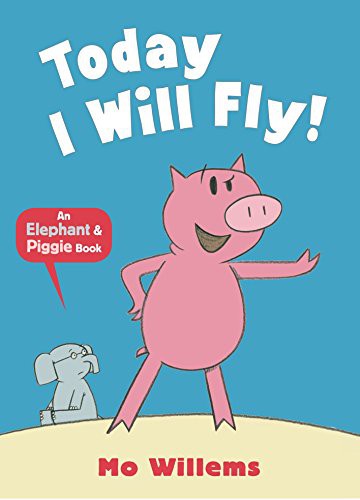
Piggie tries to fly while Gerald the elephant worries. Simple words, huge emotion and big laughs. Part of the beloved Elephant & Piggie series.
Best for: first easy readers. Ages: 4–7.
2. Hi! Fly Guy by Tedd Arnold
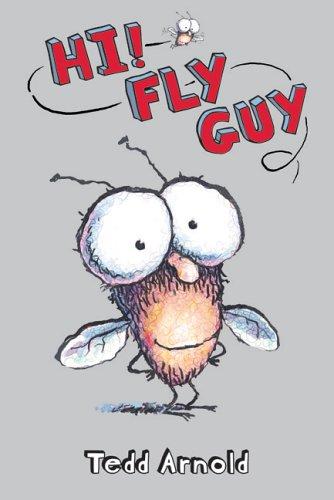
Buzz finds a pet fly who can say his name. A short, silly easy reader with green illustrations. Kids love the series.
Best for: pet-story fans. Ages: 5–8.
3. Mercy Watson to the Rescue by Kate DiCamillo
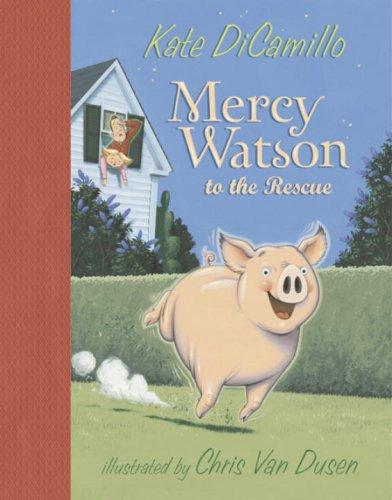
Mercy the pig loves buttered toast and saves the day by accident. Funny and warm. A great bridge to chapter books.
Best for: early chapter readers. Ages: 5–8.
4. The Bad Guys by Aaron Blabey
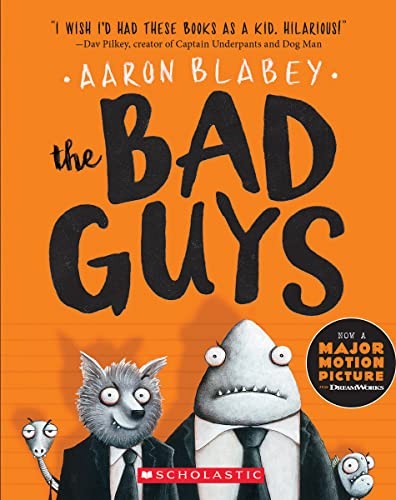
A wolf, shark, snake and piranha try to become good guys. Short chapters and bright pictures. A laugh-out-loud series. Content note: cartoon silliness.
Best for: comic-style fans. Ages: 5–9.
5. Captain Underpants and the Attack of the Talking Toilets by Dav Pilkey
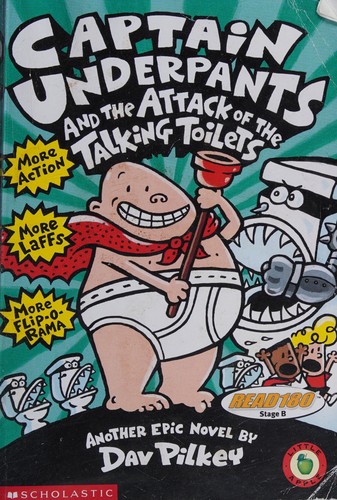
George and Harold hypnotize their principal into a superhero. Silly, with comics and flip-o-rama. Great for reluctant readers. Content note: potty humor.
Best for: potty-humor fans. Ages: 6–9.
6. Pete the Cat: I Love My White Shoes by Eric Litwin
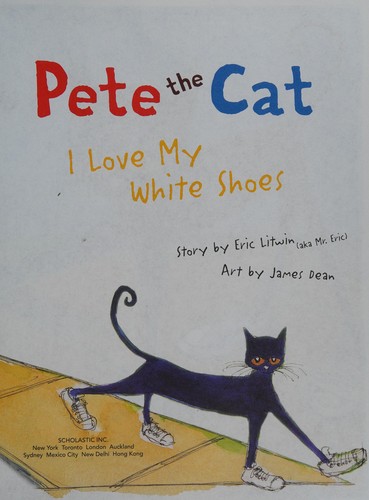
Pete steps in strawberries, blueberries and mud and keeps singing. Catchy and calm. Perfect for reading aloud.
Best for: song-loving fans. Ages: 3–7.
7. The Day the Crayons Quit by Drew Daywalt
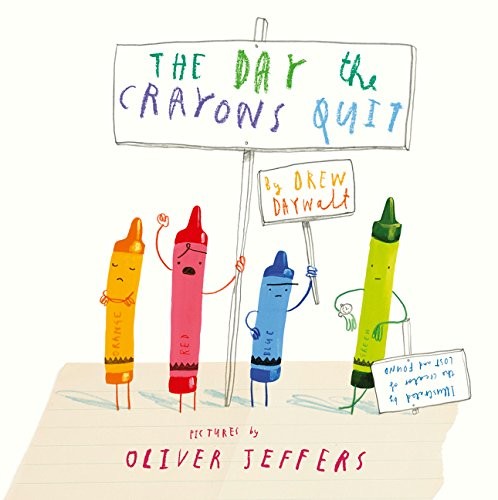
Duncan’s crayons write letters complaining about their jobs. Clever and colorful. Great for creative kids.
Best for: picture-book fans. Ages: 4–8.
8. Click, Clack, Moo: Cows That Type by Doreen Cronin
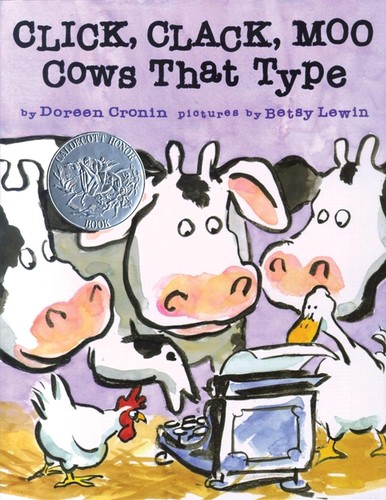
Farmer Brown’s cows go on strike with typed notes. Funny and clever. A classic read-aloud.
Best for: farm-story fans. Ages: 4–8.
9. Dory Fantasmagory by Abby Hanlon
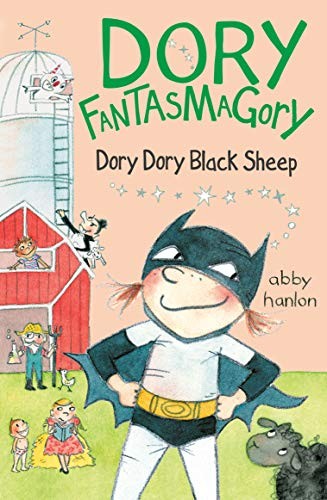
Dory, the youngest in her family, invents a world of monsters. Illustrated and funny. A good first chapter book.
Best for: imaginative readers. Ages: 5–8.
10. Junie B. Jones and the Stupid Smelly Bus by Barbara Park
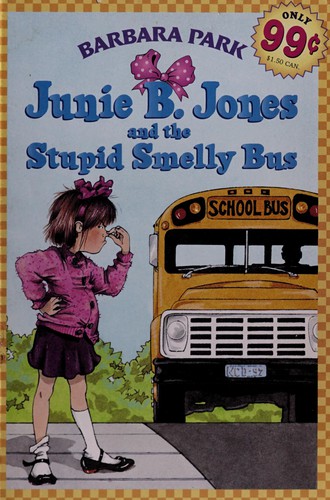
Kindergartener Junie B. tries to survive her first bus ride. Sassy and funny. Kids love her voice.
Best for: spunky-character fans. Ages: 5–8.
11. Frog and Toad Are Friends by Arnold Lobel
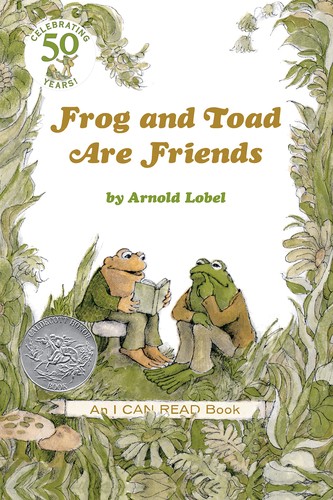
Two friends share small adventures in short stories. Warm and funny. A timeless classic.
Best for: gentle humor fans. Ages: 4–8.
12. Amelia Bedelia by Peggy Parish
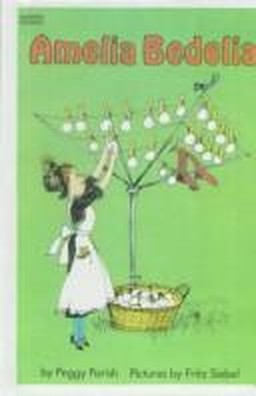
Amelia Bedelia takes every instruction literally, drawing the curtains with a pencil. Silly and good for teaching idioms. A classic since 1963.
Best for: wordplay fans. Ages: 4–8.
13. The Stinky Cheese Man and Other Fairly Stupid Tales by Jon Scieszka
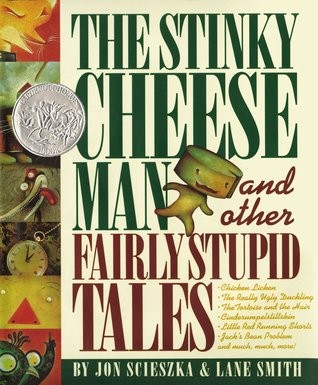
A topsy-turvy parody of fairy tales with a narrator who loses control. Witty and visual. Fun for older early readers.
Best for: parody fans. Ages: 5–9.
14. I Want My Hat Back by Jon Klassen
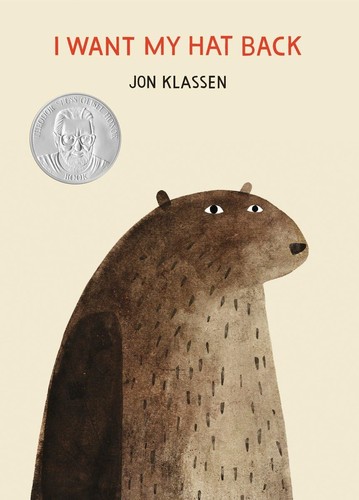
A bear searches for his lost hat. Minimal text and a delightfully dark punchline. Kids love the twist. Content note: a mildly dark joke.
Best for: dry-humor fans. Ages: 3–7.
15. Press Here by Hervé Tullet
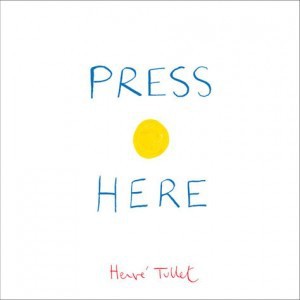
Readers press dots, shake the book and see what happens on the next page. Interactive and hilarious. A great book for very young children.
Best for: interactive-book fans. Ages: 3–7.
How to Match a Funny Book to Your Early Reader
Early readers, usually ages five to seven, are still building skills, so match the book’s difficulty to your child’s confidence. A book should feel a little fun and a little challenging. If your child misses more than a few words on a page, it may be too hard to read alone but still wonderful as a read-aloud. Look for large type, short sentences, plenty of pictures and funny or exciting stories. Taking turns, with you reading one page and your child the next, makes funny books feel like a shared adventure. Let your child choose some of the books, and reread favorites as often as they ask, since repetition builds fluency and confidence.
A Simple Reading Plan for Funny Books
Choose one book from the list for this week and set aside ten to fifteen minutes at the same time each day, such as after dinner or before bed. Let your child hold the book and turn the pages. Point to words as you read, pause to let your child guess what happens next and ask what they notice in the pictures. When a funny book becomes easy, move on to the next one on the list. Visit the library often so there is always something new, and keep a basket of favorites within your child’s reach. Short, happy sessions matter more than long, frustrating ones.
Why Funny Books Matter for Early Readers
Reading funny books at ages five to seven does more than entertain. Children this age are learning to decode words, build fluency and understand how stories work, and they progress fastest when the books are fun. Repeated reading of favorite stories strengthens vocabulary and confidence, and talking about pictures and plots builds comprehension. A funny book can also spark curiosity about the world and lead to library visits, drawing, pretend play and questions that go on for days. Short, joyful reading sessions at this age lay the foundation for a lifelong reading habit.
Where to Find and How to Read These Books
You do not need to buy every book. Your public library is a treasure trove for young readers, with picture books, early readers and read-along audiobooks, and children’s librarians are happy to suggest funny titles. Paperbacks are good value for books your child will reread, and hardcovers last longer for favorites. Used bookstores and library sales are inexpensive sources. Look for labels such as ‘level 1’ or ‘I Can Read’ to find the right difficulty, and remember that the same book can be both a read-aloud and a read-alone story as your child grows. Keep a few books where your child can reach them, so choosing a book becomes a habit.
After the Last Page: What to Read Next
When your child finishes a book, celebrate and then keep the story alive. Ask what their favorite part was, draw a picture of it or act it out. Look for other books by the same author or illustrator, or another funny title from this list. Many children enjoy choosing a new book at the library every week, and a small bookshelf of their own helps them feel like readers. If a book was too hard, put it away for a few months and try again; growth at this age is fast. The goal is to keep reading feeling happy and easy.
A Quick Checklist Before You Pick a Funny Book
Ask these questions before you borrow or buy:
- Are the words and sentences the right size for your child’s current level?
- Are there enough pictures to support the text?
- Is the topic one your child is excited about?
- Can your child read part of it alone and part with you?
- Is there a sequel or companion book your child can graduate to?
Questions to Talk About After Reading
These work for almost any book on this list:
- What was your favorite page?
- Who was your favorite character?
- What do you think happens next?
- Was anything funny, scary or surprising?
- Which book should we read tomorrow?
Tips for Choosing Funny Books for Early Readers
- Read with voices. Funny books are best performed.
- Let kids reread. Repetition builds fluency.
- Choose graphic styles. Short text with pictures keeps attention.
- Share the jokes. Laugh together.
- Add a series. Elephant & Piggie has dozens of books.
Related: 15 Best Science Books for Early Readers (Ages 5–7) · 15 Best Graphic Novel Books for Early Readers (Ages 5–7)
Frequently Asked Questions
What are the funniest books for 6-year-olds?
Elephant & Piggie, Hi! Fly Guy, The Bad Guys and Mercy Watson are very popular.
What funny books are good for reluctant early readers?
Fly Guy and Elephant & Piggie use few words and big pictures.
Are Captain Underpants books okay for young kids?
They contain potty humor but no violence, and many children love them.