
Disclosure: As an Amazon Associate, Bookish Wisdom earns from qualifying purchases. This doesn’t change our picks or your price.
Quick answer: These 15 animal books suit early readers (ages 5–7). Start with The Tale of Peter Rabbit, Henry and Mudge: The First Book, Biscuit, Clifford the Big Red Dog, Go, Dog. Go! or Are You My Mother?. Each pick below has a short blurb, an age range and a content note where it matters.
Animals are a child’s first favorite subject, and animal books make learning to read feel natural. Whether it’s a mischievous monkey, a giant red dog or a pair of friends in the woods, creatures bring warmth and humor to simple words. This list gathers fifteen of the best animal books for ages 5 to 7, from classic easy readers to gentle picture books. All are kind, with mild peril at worst. Read them together at bedtime or let your child read alone.
Table of Contents
Quick Picks at a Glance
| Book | Author | Ages | Best For |
|---|---|---|---|
| The Tale of Peter Rabbit | Beatrix Potter | 3–7 | classic fans |
| Henry and Mudge: The First Book | Cynthia Rylant | 5–8 | dog lovers |
| Biscuit | Alyssa Satin Capucilli | 3–6 | beginning readers |
| Clifford the Big Red Dog | Norman Bridwell | 3–7 | big-dog fans |
| Go, Dog. Go! | P.D. Eastman | 3–7 | early readers |
| Are You My Mother? | P.D. Eastman | 3–7 | classic Beginner Book fans |
| Curious George | H.A. Rey | 3–8 | mischief fans |
| Little Bear | Else Holmelund Minarik | 4–7 | gentle story fans |
| Poppleton | Cynthia Rylant | 5–8 | friendship fans |
| The Cat in the Hat | Dr. Seuss | 3–8 | rhyme fans |
| Stellaluna | Janell Cannon | 3–8 | nature fans |
| Splat the Cat | Rob Scotton | 3–7 | funny cat fans |
| Winnie-the-Pooh | A.A. Milne | 4–8 | read-aloud fans |
| The Rainbow Fish | Marcus Pfister | 3–7 | kindness-lesson fans |
| Sheep in a Jeep | Nancy Shaw | 3–7 | rhyme fans |
1. The Tale of Peter Rabbit by Beatrix Potter
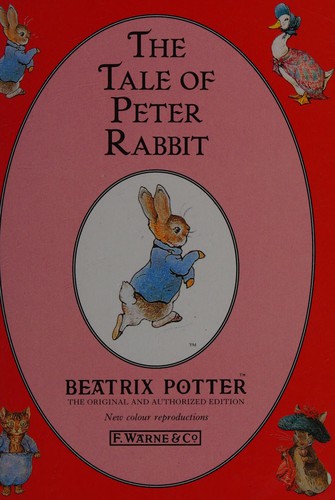
Peter disobeys his mother and sneaks into Mr. McGregor’s garden. A small book with a big reputation. Beatrix Potter’s watercolors are timeless.
Best for: classic fans. Ages: 3–7.
2. Henry and Mudge: The First Book by Cynthia Rylant
Henry, a lonely boy, adopts a puppy who grows enormous. Warm and funny. A great step into easy chapter books.
Best for: dog lovers. Ages: 5–8.
3. Biscuit by Alyssa Satin Capucilli

A little yellow puppy wants one more drink, one more hug and one more bedtime story. Repetitive and sweet. A classic for new readers.
Best for: beginning readers. Ages: 3–6.
4. Clifford the Big Red Dog by Norman Bridwell
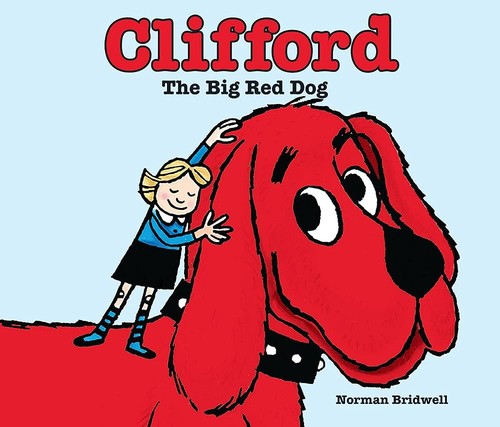
Emily Elizabeth’s huge red dog causes mischief and love. Simple text and bold pictures. A staple of children’s libraries.
Best for: big-dog fans. Ages: 3–7.
5. Go, Dog. Go! by P.D. Eastman

Dogs of all colors drive cars and go to a party. Repetitive text builds confidence. A Beginner Book classic.
Best for: early readers. Ages: 3–7.
6. Are You My Mother? by P.D. Eastman
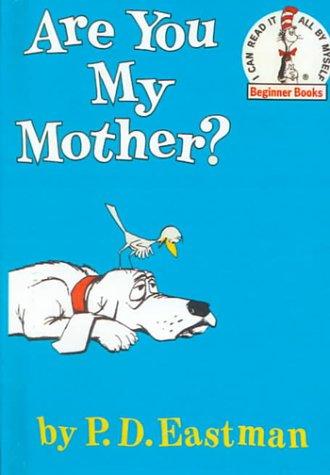
A baby bird looks for his mother around the farm. Funny and tender. Short sentences help early readers.
Best for: classic Beginner Book fans. Ages: 3–7.
7. Curious George by H.A. Rey

A curious monkey is brought from Africa and gets into trouble in the city. Fun and visually bold. Some older editions have dated elements. Content note: dated scenes in older editions.
Best for: mischief fans. Ages: 3–8.
8. Little Bear by Else Holmelund Minarik
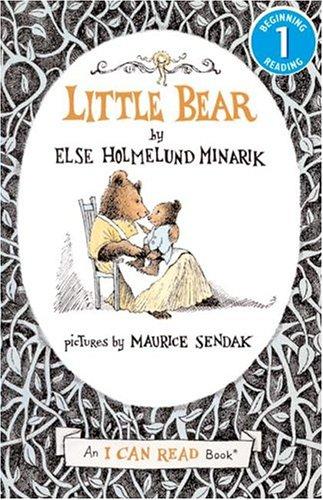
Little Bear goes through four small adventures with his family. Illustrations by Maurice Sendak. A sweet I Can Read classic.
Best for: gentle story fans. Ages: 4–7.
9. Poppleton by Cynthia Rylant
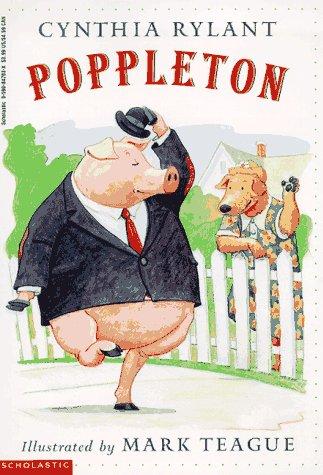
Poppleton the pig and his friends share simple, warm adventures. Short chapters and funny moments. A good early chapter series.
Best for: friendship fans. Ages: 5–8.
10. The Cat in the Hat by Dr. Seuss
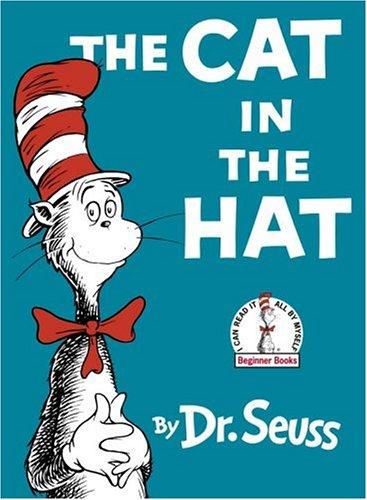
A tall cat visits two children on a rainy day and makes a mess. Rhyming and 236 different words. A staple of early reading.
Best for: rhyme fans. Ages: 3–8.
11. Stellaluna by Janell Cannon
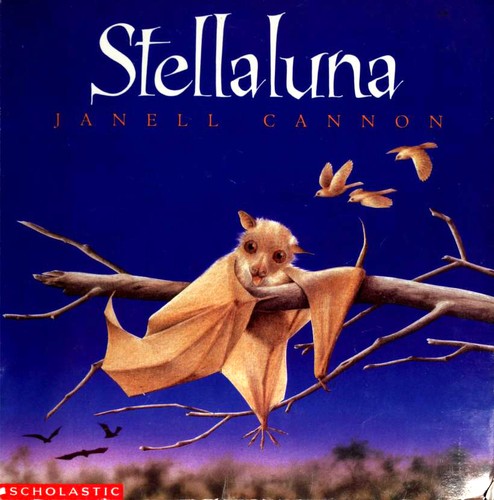
A baby fruit bat raised by birds learns who she is. Beautiful illustrations and a gentle message. Informative and sweet.
Best for: nature fans. Ages: 3–8.
12. Splat the Cat by Rob Scotton

Splat is nervous on his first day of school, so he takes his stuffed mouse. Funny and relatable. Great for kindergarteners.
Best for: funny cat fans. Ages: 3–7.
13. Winnie-the-Pooh by A.A. Milne
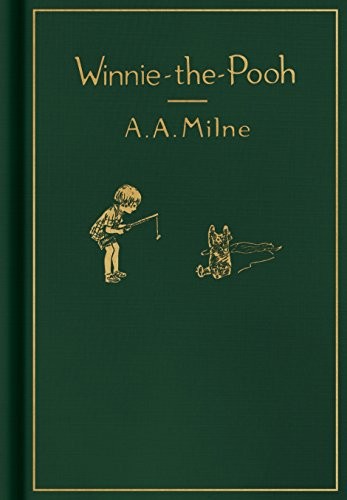
Pooh, Piglet, Eeyore and Christopher Robin share gentle adventures. Gentle humor and wordplay. Best read aloud.
Best for: read-aloud fans. Ages: 4–8.
14. The Rainbow Fish by Marcus Pfister
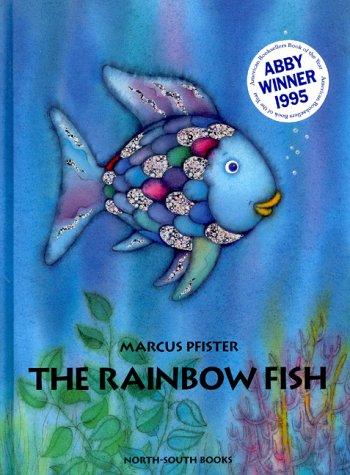
A beautiful fish with shimmering scales learns to share. Sparkling illustrations. A story about generosity.
Best for: kindness-lesson fans. Ages: 3–7.
15. Sheep in a Jeep by Nancy Shaw
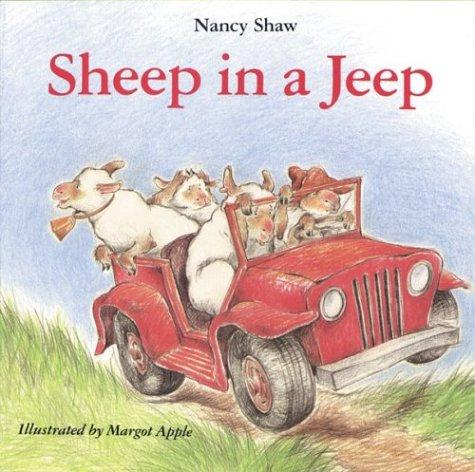
A flock of sheep goes on a silly, rhyming road trip. Fun to read aloud. Great for building phonemic awareness.
Best for: rhyme fans. Ages: 3–7.
How to Match a Animal Book to Your Early Reader
Early readers, usually ages five to seven, are still building skills, so match the book’s difficulty to your child’s confidence. A book should feel a little fun and a little challenging. If your child misses more than a few words on a page, it may be too hard to read alone but still wonderful as a read-aloud. Look for large type, short sentences, plenty of pictures and funny or exciting stories. Taking turns, with you reading one page and your child the next, makes animal books feel like a shared adventure. Let your child choose some of the books, and reread favorites as often as they ask, since repetition builds fluency and confidence.
A Simple Reading Plan for Animal Books
Choose one book from the list for this week and set aside ten to fifteen minutes at the same time each day, such as after dinner or before bed. Let your child hold the book and turn the pages. Point to words as you read, pause to let your child guess what happens next and ask what they notice in the pictures. When a animal book becomes easy, move on to the next one on the list. Visit the library often so there is always something new, and keep a basket of favorites within your child’s reach. Short, happy sessions matter more than long, frustrating ones.
Why Animal Books Matter for Early Readers
Reading animal books at ages five to seven does more than entertain. Children this age are learning to decode words, build fluency and understand how stories work, and they progress fastest when the books are fun. Repeated reading of favorite stories strengthens vocabulary and confidence, and talking about pictures and plots builds comprehension. A animal book can also spark curiosity about the world and lead to library visits, drawing, pretend play and questions that go on for days. Short, joyful reading sessions at this age lay the foundation for a lifelong reading habit.
Where to Find and How to Read These Books
You do not need to buy every book. Your public library is a treasure trove for young readers, with picture books, early readers and read-along audiobooks, and children’s librarians are happy to suggest animal titles. Paperbacks are good value for books your child will reread, and hardcovers last longer for favorites. Used bookstores and library sales are inexpensive sources. Look for labels such as ‘level 1’ or ‘I Can Read’ to find the right difficulty, and remember that the same book can be both a read-aloud and a read-alone story as your child grows. Keep a few books where your child can reach them, so choosing a book becomes a habit.
After the Last Page: What to Read Next
When your child finishes a book, celebrate and then keep the story alive. Ask what their favorite part was, draw a picture of it or act it out. Look for other books by the same author or illustrator, or another animal title from this list. Many children enjoy choosing a new book at the library every week, and a small bookshelf of their own helps them feel like readers. If a book was too hard, put it away for a few months and try again; growth at this age is fast. The goal is to keep reading feeling happy and easy.
A Quick Checklist Before You Pick a Animal Book
Ask these questions before you borrow or buy:
- Are the words and sentences the right size for your child’s current level?
- Are there enough pictures to support the text?
- Is the topic one your child is excited about?
- Can your child read part of it alone and part with you?
- Is there a sequel or companion book your child can graduate to?
Questions to Talk About After Reading
These work for almost any book on this list:
- What was your favorite page?
- Who was your favorite character?
- What do you think happens next?
- Was anything funny, scary or surprising?
- Which book should we read tomorrow?
Tips for Choosing Animal Books for Early Readers
- Read about favorite animals. Pick a creature your child loves.
- Pair with real animals. A zoo or farm visit adds depth.
- Act out the sounds. Animals are fun to imitate.
- Count the characters. Simple math sneaks in.
- Make a class book. Draw a favorite animal from the story.
Related: best books to read to your kids and 21 ways to inspire kids to read.
Frequently Asked Questions
What are good animal books for 6-year-olds?
Henry and Mudge, Frog and Toad, Little Bear and Poppleton are great picks.
What animal books are best for new readers?
Biscuit, Go, Dog. Go! and Are You My Mother? use simple words and repetition.
Are animal books good for reluctant readers?
Yes. Pets and wild animals capture interest quickly.