
Disclosure: As an Amazon Associate, Bookish Wisdom earns from qualifying purchases. This doesn’t change our picks or your price.
Quick answer: These 15 science books suit early readers (ages 5–7). Start with The Magic School Bus Lost in the Solar System, National Geographic Readers: Sharks!, The Moon Seems to Change, From Seed to Plant, Ada Twist, Scientist or Flash, Crash, Rumble, and Roll. Each pick below has a short blurb, an age range and a content note where it matters.
Children between five and seven ask questions all day: why is the sky blue, where does the moon go, how do seeds grow? Science books for early readers turn that curiosity into reading practice. The best ones use short sentences, bright illustrations or photographs and a sense of wonder, so kids learn facts without feeling they are doing homework. This list gathers fifteen science picture books and easy readers for ages 5 to 7, covering space, weather, plants, animals, the human body and the scientists who ask big questions. Some are great for reading alone, while others make wonderful read-alouds that you can enjoy together.
Table of Contents
Quick Picks at a Glance
| Book | Author | Ages | Best For |
|---|---|---|---|
| The Magic School Bus Lost in the Solar System | Joanna Cole | 5–8 | space fans |
| National Geographic Readers: Sharks! | Anne Schreiber | 5–7 | fact lovers |
| The Moon Seems to Change | Franklyn M. Branley | 5–8 | curious sky-watchers |
| From Seed to Plant | Gail Gibbons | 5–8 | budding gardeners |
| Ada Twist, Scientist | Andrea Beaty | 5–8 | kids who ask why |
| Flash, Crash, Rumble, and Roll | Franklyn M. Branley | 5–8 | weather watchers |
| Is a Blue Whale the Biggest Thing There Is? | Robert E. Wells | 5–8 | big-idea thinkers |
| The Busy Body Book | Lizzy Rockwell | 4–7 | body explorers |
| A Seed Is Sleepy | Dianna Hutts Aston | 5–9 | nature lovers |
| Over and Under the Snow | Kate Messner | 5–8 | animal and winter fans |
| Rosie Revere, Engineer | Andrea Beaty | 5–8 | young inventors |
| Our Solar System | Seymour Simon | 6–9 | space enthusiasts |
| The Tiny Seed | Eric Carle | 4–7 | read-aloud families |
| Mae Among the Stars | Roda Ahmed | 5–8 | dreamers |
| Weather Words and What They Mean | Gail Gibbons | 5–8 | vocabulary builders |
1. The Magic School Bus Lost in the Solar System by Joanna Cole
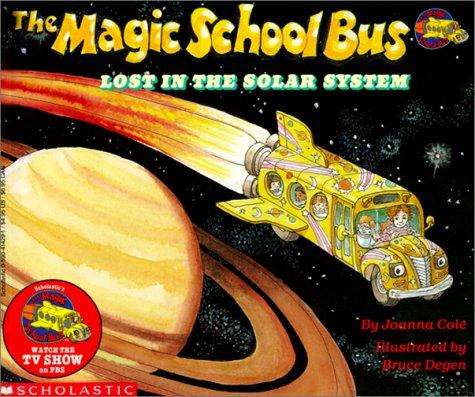
Ms. Frizzle’s class heads to the planetarium, and her magic bus turns into a rocket that tours every planet. Funny asides and student reports in the margins add extra facts. Note that it was written when Pluto still counted as a planet, which makes a good talking point about how science changes.
Best for: space fans. Ages: 5–8.
2. National Geographic Readers: Sharks! by Anne Schreiber
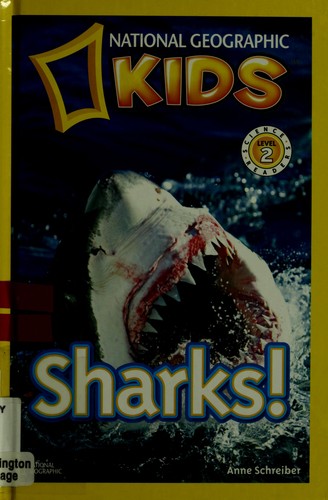
A Level 2 reader packed with real photographs, bold labels and a fun-facts page. Kids learn how sharks hunt, what they eat and why most are harmless to people. The glossary and quiz at the back help young readers practice new vocabulary.
Best for: fact lovers. Ages: 5–7.
3. The Moon Seems to Change by Franklyn M. Branley
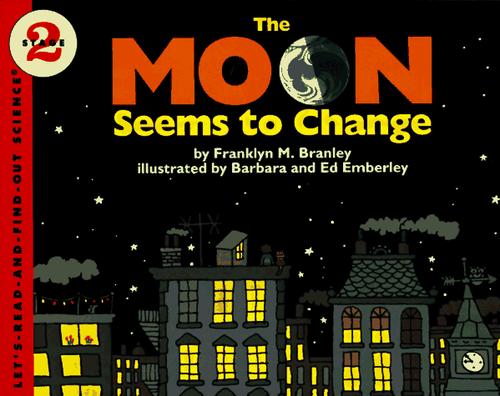
A Let’s-Read-and-Find-Out Science book that explains the moon’s phases with clear pictures and a simple activity. It answers one question well and sends children outside at night to look up. A good first book about space.
Best for: curious sky-watchers. Ages: 5–8.
4. From Seed to Plant by Gail Gibbons
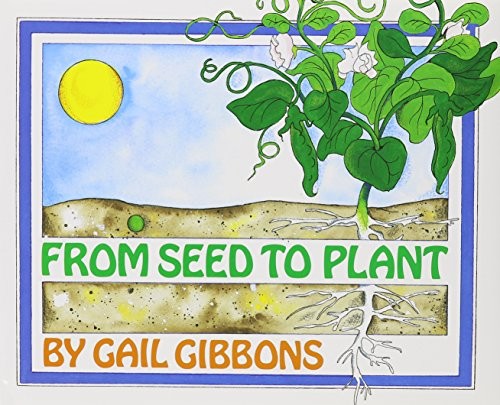
Gibbons labels each part of a flower, shows how pollination works and follows a seed as it becomes a new plant. The paintings are clean and kid friendly. Pair it with a bean sprouting in a plastic bag.
Best for: budding gardeners. Ages: 5–8.
5. Ada Twist, Scientist by Andrea Beaty
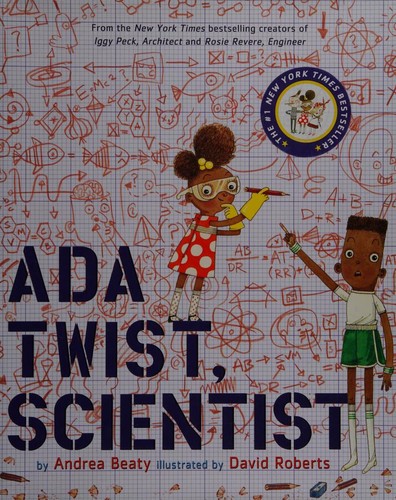
Ada never stops asking questions and running experiments, to the despair of her parents, until they see her curiosity as a gift. The rhyming text reads aloud smoothly, and the book celebrates trying, failing and trying again.
Best for: kids who ask why. Ages: 5–8.
6. Flash, Crash, Rumble, and Roll by Franklyn M. Branley
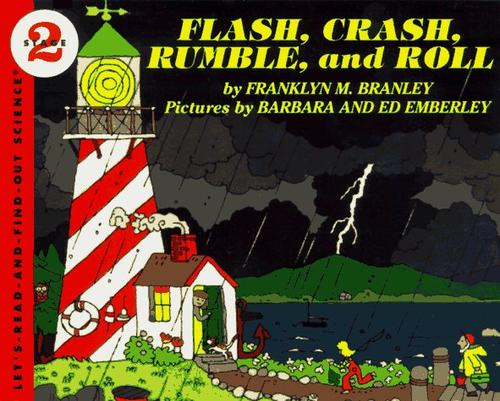
This book explains thunderstorms, from how clouds build up to why we see lightning before we hear thunder. It also includes safety tips for storms. A calm introduction for kids who are nervous about thunder.
Best for: weather watchers. Ages: 5–8.
7. Is a Blue Whale the Biggest Thing There Is? by Robert E. Wells
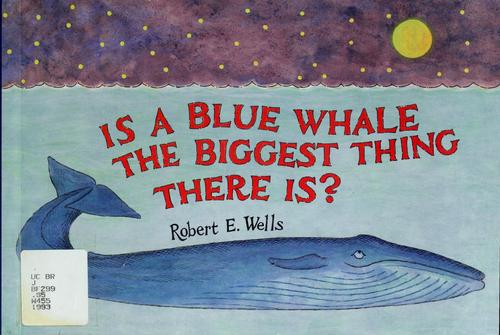
Starting with the largest animal, the book zooms out through mountains, Earth, the Sun and entire galaxies. The comparisons make scale easy to picture and leave kids with a sense of wonder.
Best for: big-idea thinkers. Ages: 5–8.
8. The Busy Body Book by Lizzy Rockwell
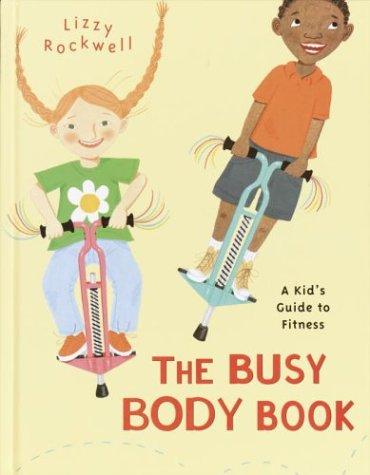
Children follow friendly cartoon kids to learn how bones, muscles, lungs and the heart work. Short explanations and cheerful pictures make it a good first anatomy book without being scary.
Best for: body explorers. Ages: 4–7.
9. A Seed Is Sleepy by Dianna Hutts Aston
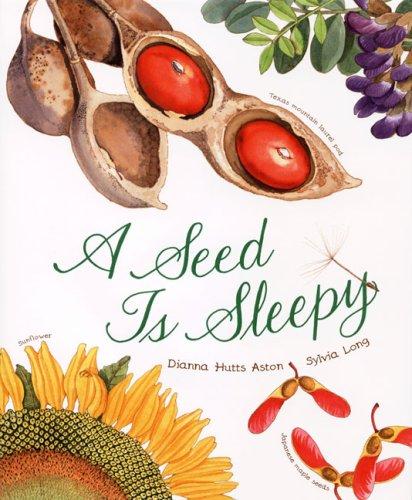
Beautiful watercolors by Sylvia Long accompany poetic lines and smaller factual notes about seeds. You can read just the large text for younger kids or add the details for older ones.
Best for: nature lovers. Ages: 5–9.
10. Over and Under the Snow by Kate Messner
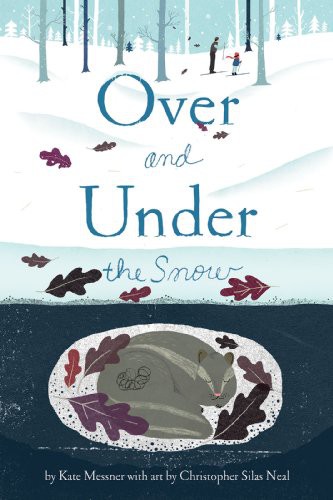
A girl skis through the woods with her father while animals live and sleep in the hidden world beneath the snow. Lovely pictures and gentle text introduce winter ecology, with extra facts at the end.
Best for: animal and winter fans. Ages: 5–8.
11. Rosie Revere, Engineer by Andrea Beaty
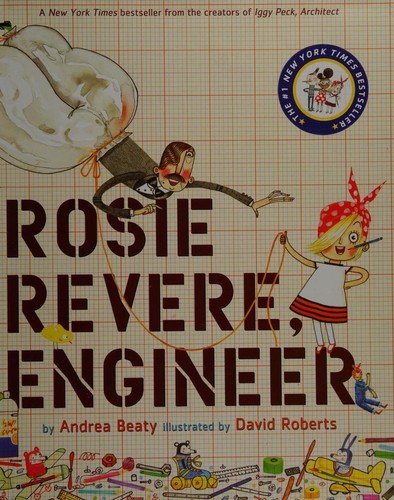
Rosie builds gadgets in secret until a great-great-aunt shows her that a failed flight is a first step. A rhyming read-aloud that treats mistakes as part of engineering.
Best for: young inventors. Ages: 5–8.
12. Our Solar System by Seymour Simon
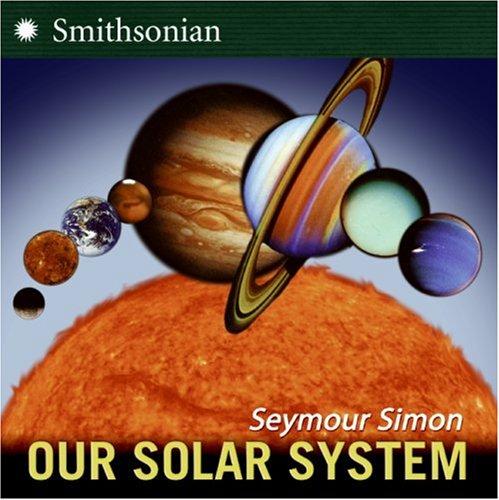
Simon uses NASA photographs to tour the Sun, the planets and other bodies in the solar system. The text is short and clear, and the real images feel thrilling to young readers.
Best for: space enthusiasts. Ages: 6–9.
13. The Tiny Seed by Eric Carle
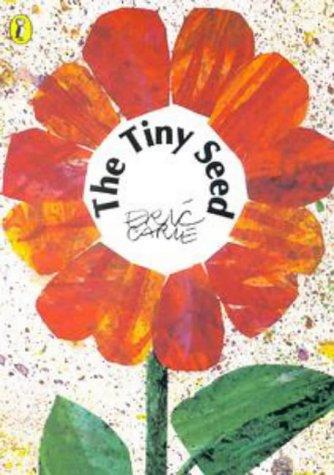
Carle follows a tiny seed through wind, seasons and dangers until it grows into a giant flower. His collage art is vivid, and the story gently teaches a plant’s life cycle.
Best for: read-aloud families. Ages: 4–7.
14. Mae Among the Stars by Roda Ahmed
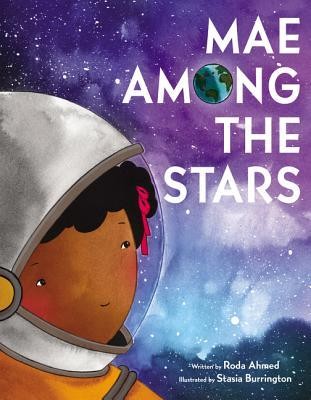
This picture-book biography of astronaut Mae Jemison shows her as a little girl who dreams of space and is encouraged by her mother. It introduces a real scientist and encourages big dreams.
Best for: dreamers. Ages: 5–8.
15. Weather Words and What They Mean by Gail Gibbons
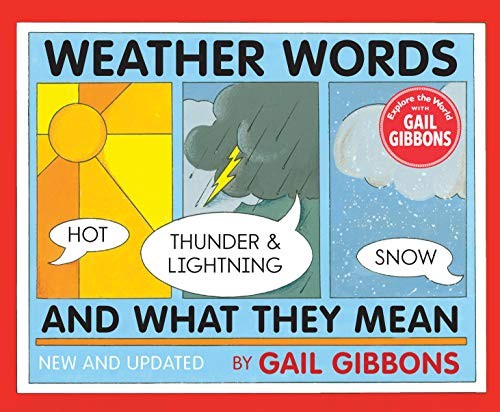
Gibbons explains clouds, rain, snow, wind and storms with labeled diagrams. Children learn new vocabulary and can try simple weather observations at home.
Best for: vocabulary builders. Ages: 5–8.
Easy Science Activities to Try After Reading
Books are the start of science, and a small experiment makes the ideas stick. After From Seed to Plant or The Tiny Seed, tuck a bean in a damp paper towel inside a clear bag and tape it to a sunny window. Your child can draw what changes each day for a week. After The Moon Seems to Change, step outside at the same time each night and sketch the moon, then compare the pictures. After Flash, Crash, Rumble, and Roll, count the seconds between lightning and thunder during a safe indoor storm. The aim is observation and questions, not perfect answers. Keep a notebook where your child can draw and dictate what they notice, and you will have a record of early science thinking to treasure.
Science Words Worth Learning at Ages 5–7
These books quietly introduce words such as habitat, planet, orbit, seed, root, lightning, skeleton and temperature. You do not need to drill them. Say the word, show the picture and use it again in conversation. A child who hears ‘orbit’ in a story and again on a walk will remember it. Make a simple word wall on the fridge with one new science word each week, and let your child draw a picture for it. Words are the building blocks of reading comprehension, and science is one of the richest places to find them.
How to Match a Science Book to Your Early Reader
Early readers, usually ages five to seven, are still building skills, so match the book’s difficulty to your child’s confidence. A book should feel a little fun and a little challenging. If your child misses more than a few words on a page, it may be too hard to read alone but still wonderful as a read-aloud. Look for large type, short sentences, plenty of pictures and funny or exciting stories. Taking turns, with you reading one page and your child the next, makes science books feel like a shared adventure. Let your child choose some of the books, and reread favorites as often as they ask, since repetition builds fluency and confidence.
A Simple Reading Plan for Science Books
Choose one book from the list for this week and set aside ten to fifteen minutes at the same time each day, such as after dinner or before bed. Let your child hold the book and turn the pages. Point to words as you read, pause to let your child guess what happens next and ask what they notice in the pictures. When a science book becomes easy, move on to the next one on the list. Visit the library often so there is always something new, and keep a basket of favorites within your child’s reach. Short, happy sessions matter more than long, frustrating ones.
Why Science Books Matter for Early Readers
Reading science books at ages five to seven does more than entertain. Children this age are learning to decode words, build fluency and understand how stories work, and they progress fastest when the books are fun. Repeated reading of favorite stories strengthens vocabulary and confidence, and talking about pictures and plots builds comprehension. A science book can also spark curiosity about the world and lead to library visits, drawing, pretend play and questions that go on for days. Short, joyful reading sessions at this age lay the foundation for a lifelong reading habit.
Where to Find and How to Read These Books
You do not need to buy every book. Your public library is a treasure trove for young readers, with picture books, early readers and read-along audiobooks, and children’s librarians are happy to suggest science titles. Paperbacks are good value for books your child will reread, and hardcovers last longer for favorites. Used bookstores and library sales are inexpensive sources. Look for labels such as ‘level 1’ or ‘I Can Read’ to find the right difficulty, and remember that the same book can be both a read-aloud and a read-alone story as your child grows. Keep a few books where your child can reach them, so choosing a book becomes a habit.
Building a Daily Routine Around Science Books
Early readers need short, successful sessions. Choose a regular ten- or fifteen-minute window, perhaps after dinner or before bed, and put away screens so the book gets full attention. Let your child pick the book, then read together by taking turns on each page or each sentence. Keep a basket of science books where your child can reach it and rotate a few every week. Praise effort more than accuracy, and if your child gets stuck on a word, give them a moment before you step in. A little practice every day builds fluency much faster than one long session on the weekend.
Sharing Science Books With Family and Friends
Early readers gain confidence when they have people to read for. Let your child read a short science book to a grandparent, a younger sibling or even a stuffed animal. Listening gives you a chance to praise effort and fix a word gently, and your child gets practice without pressure. Visit the library for read-aloud time with other children, and swap books with friends so your shelf stays fresh. If your child struggles, take turns reading, or read the book once aloud before they try it alone. A supportive audience turns practice into performance, and children love to be applauded.
After the Last Page: What to Read Next
When your child finishes a book, celebrate and then keep the story alive. Ask what their favorite part was, draw a picture of it or act it out. Look for other books by the same author or illustrator, or another science title from this list. Many children enjoy choosing a new book at the library every week, and a small bookshelf of their own helps them feel like readers. If a book was too hard, put it away for a few months and try again; growth at this age is fast. The goal is to keep reading feeling happy and easy.
A Quick Checklist Before You Pick a Science Book
Ask these questions before you borrow or buy:
- Are the words and sentences the right size for your child’s current level?
- Are there enough pictures to support the text?
- Is the topic one your child is excited about?
- Can your child read part of it alone and part with you?
- Is there a sequel or companion book your child can graduate to?
Questions to Talk About After Reading
These work for almost any book on this list:
- What was your favorite page?
- Who was your favorite character?
- What do you think happens next?
- Was anything funny, scary or surprising?
- Which book should we read tomorrow?
How to Tell a Science Book Is the Right Fit
A good fit for an early reader feels a bit like a win: your child can read most of the words, laughs or gasps at the story and wants to try another. A book that is too hard leads to frustration and guessing; one that is too easy gets boring. If your child stumbles on more than five words per page, make it a read-aloud for now and revisit in a few months. If they never stumble, step up to the next level. Notice the topics that light them up and choose more like them. Fit changes fast at this age.
Tips for Choosing Science Books for Early Readers
- Follow the question. Let your child’s curiosity pick the topic, then choose a book that answers it.
- Mix kinds of books. Combine story-based science with photo-filled nonfiction so reading stays varied.
- Try the activity. Many of these books suggest simple experiments, such as planting a seed or watching the moon, and doing them locks in the idea.
- Read the extra facts. Sidebars and glossaries build vocabulary even if the main text is short.
- Say ‘I wonder.’ Model curiosity by guessing and checking, not just giving answers.
Related: 15 Best Graphic Novel Books for Early Readers (Ages 5–7) and 15 Best Adventure Books for Early Readers (Ages 5–7).
Frequently Asked Questions
What are the best science books for a 6-year-old?
Good choices include Ada Twist, Scientist, The Busy Body Book, From Seed to Plant and National Geographic Readers: Sharks!. They combine short text, clear pictures and topics children already wonder about.
Should early readers read nonfiction?
Yes. Nonfiction builds vocabulary and background knowledge, and many children who resist stories enjoy facts. Offer a mix so your child grows as a flexible reader.
How can I make science books more fun?
Do one small activity after reading, such as planting a seed, watching the moon or building a paper airplane. Ask ‘what do you think will happen?’ before you try it.