
Disclosure: As an Amazon Associate, Bookish Wisdom earns from qualifying purchases. This doesn’t change our picks or your price.
Quick answer: These 15 graphic novel books suit early readers (ages 5–7). Start with Narwhal: Unicorn of the Sea, Benny and Penny in the Toy Breaker, Binky the Space Cat, Dog Man, Cat Kid Comic Club or Mr. Wolf’s Class. Each pick below has a short blurb, an age range and a content note where it matters.
Graphic novels are a wonderful tool for new readers. The pictures support the words, panels teach left-to-right tracking and speech bubbles keep text short. This list collects fifteen graphic novels and comics for ages 5 to 7, from silly adventures to gentle friendship tales. All are age-appropriate, with cartoon peril at most. They make excellent first chapter-book-style reads, and many have sequels that keep children reading.
Table of Contents
Quick Picks at a Glance
| Book | Author | Ages | Best For |
|---|---|---|---|
| Narwhal: Unicorn of the Sea | Ben Clanton | 4–8 | friendly, silly readers |
| Benny and Penny in the Toy Breaker | Geoffrey Hayes | 4–7 | Toon Books fans |
| Binky the Space Cat | Ashley Spires | 5–9 | space-cat fans |
| Dog Man | Dav Pilkey | 6–10 | silly-comic fans |
| Cat Kid Comic Club | Dav Pilkey | 6–10 | creative kids |
| Mr. Wolf’s Class | Aron Nels Steinke | 5–9 | school-story fans |
| Lunch Lady and the Cyborg Substitute | Jarrett J. Krosoczka | 6–10 | action-comedy fans |
| Sidekicks | Dan Santat | 6–10 | animal-hero fans |
| Owly: The Way Home & The Bittersweet Summer | Andy Runton | 4–8 | wordless-story fans |
| Squish: Super Amoeba | Jennifer L. Holm and Matthew Holm | 6–10 | science fans |
| Babymouse: Queen of the World! | Jennifer L. Holm and Matthew Holm | 6–10 | imaginative girls and boys |
| Phoebe and Her Unicorn | Dana Simpson | 6–10 | fantasy-comic fans |
| Chick and Brain: Smell My Foot! | Cece Bell | 5–9 | silly-friend fans |
| Jedi Academy | Jeffrey Brown | 6–10 | Star Wars fans |
| Hilda and the Troll | Luke Pearson | 6–10 | folk-tale adventure fans |
1. Narwhal: Unicorn of the Sea by Ben Clanton
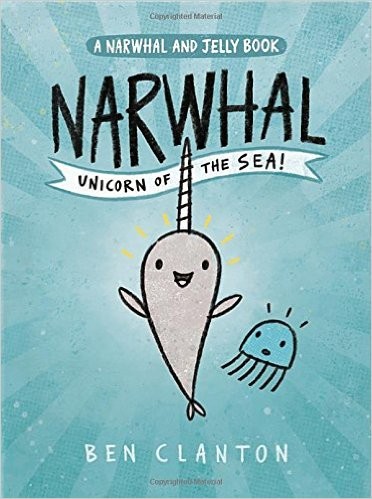
Narwhal, a happy-go-lucky whale, befriends Jelly in a cheerful underwater comic. Short stories and facts. A great first graphic novel.
Best for: friendly, silly readers. Ages: 4–8.
2. Benny and Penny in the Toy Breaker by Geoffrey Hayes
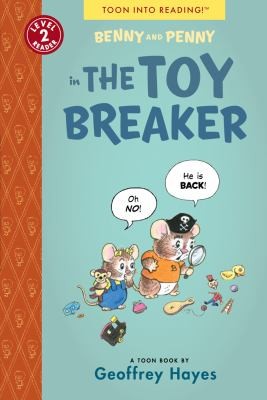
Mouse siblings Benny and Penny find a toy breaker. A gentle comic designed for first readers. Large panels.
Best for: Toon Books fans. Ages: 4–7.
3. Binky the Space Cat by Ashley Spires
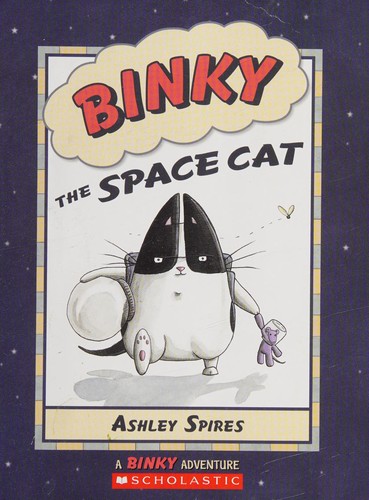
Binky, an indoor cat, believes he is an astronaut guarding his home against bugs. Funny and kind. Perfect for young readers.
Best for: space-cat fans. Ages: 5–9.
4. Dog Man by Dav Pilkey
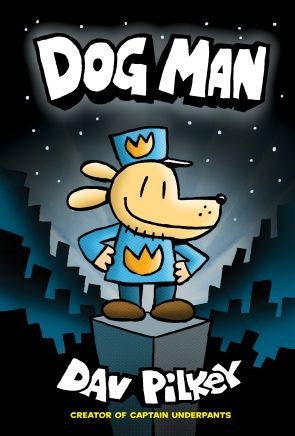
A half-dog, half-cop hero battles crime in short comic stories. Funny with flip-o-rama. Hugely popular with reluctant readers. Content note: cartoon silliness.
Best for: silly-comic fans. Ages: 6–10.
5. Cat Kid Comic Club by Dav Pilkey
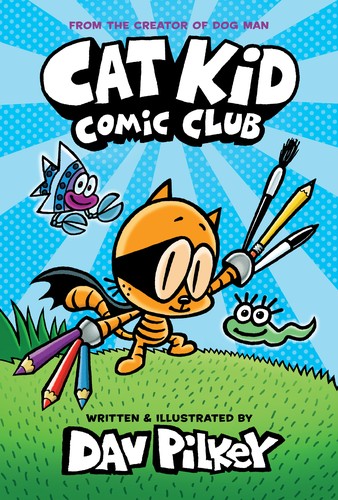
Baby frogs make comics with Li’l Petey. Funny and inspiring. Encourages kids to create their own.
Best for: creative kids. Ages: 6–10.
6. Mr. Wolf’s Class by Aron Nels Steinke
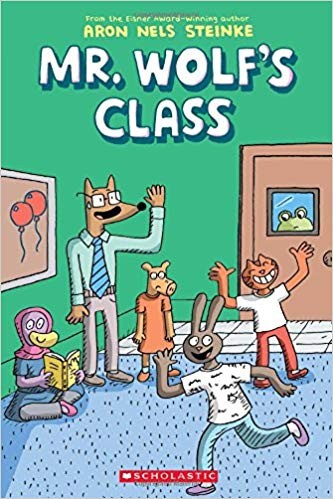
Mr. Wolf teaches a class of animal kids on the first day of school. Warm and funny. An easy graphic novel for early elementary.
Best for: school-story fans. Ages: 5–9.
7. Lunch Lady and the Cyborg Substitute by Jarrett J. Krosoczka
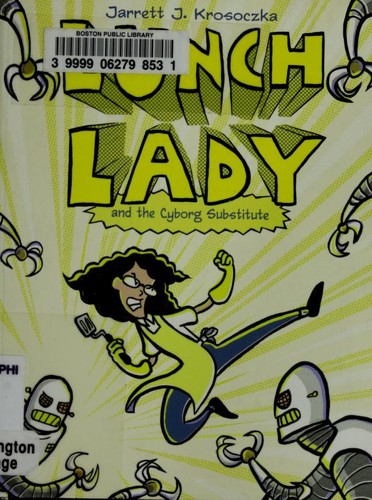
Lunch Lady secretly fights crime with her spatula. Fast, funny and full of puns. The start of a graphic series.
Best for: action-comedy fans. Ages: 6–10.
8. Sidekicks by Dan Santat
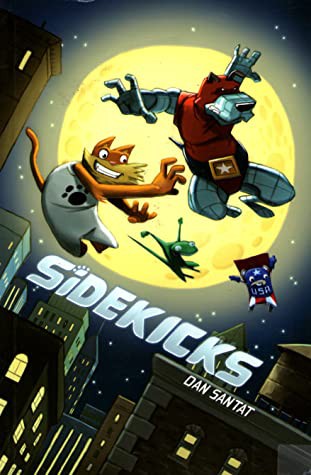
A dog hero’s superpets learn to be sidekicks. Funny with big adventure. Perfect for young superhero fans.
Best for: animal-hero fans. Ages: 6–10.
9. Owly: The Way Home & The Bittersweet Summer by Andy Runton
Owly, a kind owl, befriends a worm named Wormy. Mostly wordless and gentle. Teaches reading pictures.
Best for: wordless-story fans. Ages: 4–8.
10. Squish: Super Amoeba by Jennifer L. Holm and Matthew Holm
Squish, a comic-loving amoeba, deals with school and a bully. Funny with science facts. A series for growing readers.
Best for: science fans. Ages: 6–10.
11. Babymouse: Queen of the World! by Jennifer L. Holm and Matthew Holm
Babymouse dreams of being popular. Pink-accented comics with humor. A gentle introduction.
Best for: imaginative girls and boys. Ages: 6–10.
12. Phoebe and Her Unicorn by Dana Simpson
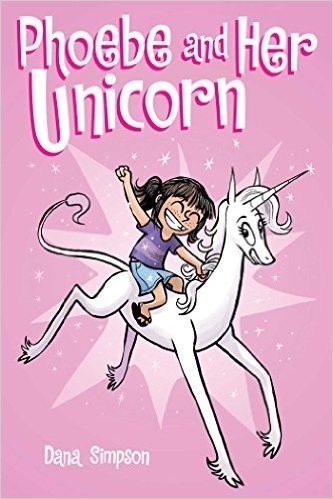
Phoebe befriends a conceited unicorn who grants her one wish. Witty and sweet. Based on a comic strip.
Best for: fantasy-comic fans. Ages: 6–10.
13. Chick and Brain: Smell My Foot! by Cece Bell
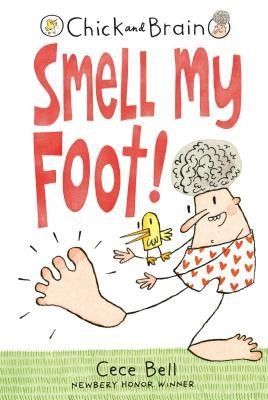
A chicken and his clever friend Brain have silly misadventures. Short and funny. By the author of El Deafo.
Best for: silly-friend fans. Ages: 5–9.
14. Jedi Academy by Jeffrey Brown
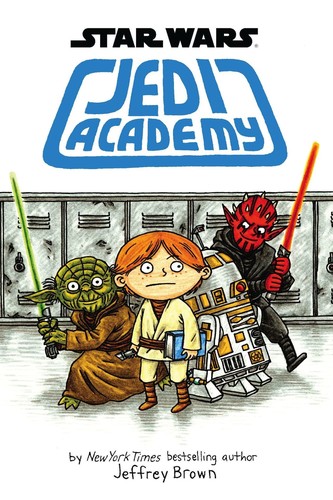
Roan, who wanted to be a pilot, enrolls in a Jedi school. Funny with doodles. Fits Star Wars fans.
Best for: Star Wars fans. Ages: 6–10.
15. Hilda and the Troll by Luke Pearson
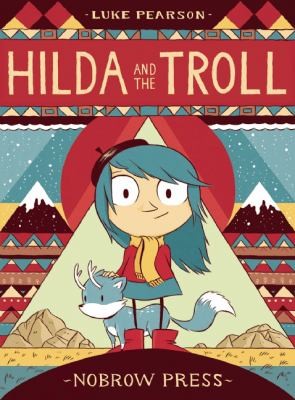
Hilda meets a troll in the wilderness. Beautiful art and gentle fantasy. Part of a series that inspired a TV show.
Best for: folk-tale adventure fans. Ages: 6–10.
How to Match a Graphic Novel Book to Your Early Reader
Early readers, usually ages five to seven, are still building skills, so match the book’s difficulty to your child’s confidence. A book should feel a little fun and a little challenging. If your child misses more than a few words on a page, it may be too hard to read alone but still wonderful as a read-aloud. Look for large type, short sentences, plenty of pictures and funny or exciting stories. Taking turns, with you reading one page and your child the next, makes graphic novel books feel like a shared adventure. Let your child choose some of the books, and reread favorites as often as they ask, since repetition builds fluency and confidence.
A Simple Reading Plan for Graphic Novel Books
Choose one book from the list for this week and set aside ten to fifteen minutes at the same time each day, such as after dinner or before bed. Let your child hold the book and turn the pages. Point to words as you read, pause to let your child guess what happens next and ask what they notice in the pictures. When a graphic novel book becomes easy, move on to the next one on the list. Visit the library often so there is always something new, and keep a basket of favorites within your child’s reach. Short, happy sessions matter more than long, frustrating ones.
Why Graphic Novel Books Matter for Early Readers
Reading graphic novel books at ages five to seven does more than entertain. Children this age are learning to decode words, build fluency and understand how stories work, and they progress fastest when the books are fun. Repeated reading of favorite stories strengthens vocabulary and confidence, and talking about pictures and plots builds comprehension. A graphic novel book can also spark curiosity about the world and lead to library visits, drawing, pretend play and questions that go on for days. Short, joyful reading sessions at this age lay the foundation for a lifelong reading habit.
Where to Find and How to Read These Books
You do not need to buy every book. Your public library is a treasure trove for young readers, with picture books, early readers and read-along audiobooks, and children’s librarians are happy to suggest graphic novel titles. Paperbacks are good value for books your child will reread, and hardcovers last longer for favorites. Used bookstores and library sales are inexpensive sources. Look for labels such as ‘level 1’ or ‘I Can Read’ to find the right difficulty, and remember that the same book can be both a read-aloud and a read-alone story as your child grows. Keep a few books where your child can reach them, so choosing a book becomes a habit.
After the Last Page: What to Read Next
When your child finishes a book, celebrate and then keep the story alive. Ask what their favorite part was, draw a picture of it or act it out. Look for other books by the same author or illustrator, or another graphic novel title from this list. Many children enjoy choosing a new book at the library every week, and a small bookshelf of their own helps them feel like readers. If a book was too hard, put it away for a few months and try again; growth at this age is fast. The goal is to keep reading feeling happy and easy.
A Quick Checklist Before You Pick a Graphic Novel Book
Ask these questions before you borrow or buy:
- Are the words and sentences the right size for your child’s current level?
- Are there enough pictures to support the text?
- Is the topic one your child is excited about?
- Can your child read part of it alone and part with you?
- Is there a sequel or companion book your child can graduate to?
Questions to Talk About After Reading
These work for almost any book on this list:
- What was your favorite page?
- Who was your favorite character?
- What do you think happens next?
- Was anything funny, scary or surprising?
- Which book should we read tomorrow?
Tips for Choosing Graphic Novel Books for Early Readers
- Read panels left to right. Point to show the order.
- Take turns. Child reads speech bubbles.
- Let kids make comics. Drawing builds storytelling.
- Start with wordless. Owly lets kids interpret art.
- Go to the library. Early graphic novels are easy to find.
Related: best books to read to your kids and 21 ways to inspire kids to read.
Frequently Asked Questions
Are graphic novels good for early readers?
Yes, they build confidence and comprehension through pictures.
What graphic novels are best for 6-year-olds?
Narwhal, Benny and Penny and Binky the Space Cat are easy.
Do graphic novels count as reading?
Yes, they involve decoding words and understanding stories.