
Disclosure: As an Amazon Associate, Bookish Wisdom earns from qualifying purchases. This doesn’t change our picks or your price.
Quick answer: These 15 horror books suit teens (ages 13 and up). Start with Frankenstein, Dracula, The Haunting of Hill House, We Have Always Lived in the Castle, Carrie or ‘Salem’s Lot. Each pick below has a short blurb, an age range and a content note where it matters.
Horror is a favorite for teens because it dares readers to feel fear on the page. From Gothic classics to modern YA nightmares, the genre explores big questions about death, identity, power and what we are afraid to admit. This list collects fifteen of the best horror novels for ages 13 and up. Some are literary, slow-building chills, while others are fast, bloody thrillers. They contain varying levels of violence and disturbing content, so we note them. Use the list to find a book for Halloween, a reading challenge or a teen who loves things that go bump in the night.
Table of Contents
Quick Picks at a Glance
| Book | Author | Ages | Best For |
|---|---|---|---|
| Frankenstein | Mary Shelley | 14+ | classic horror fans |
| Dracula | Bram Stoker | 14+ | vampire fans |
| The Haunting of Hill House | Shirley Jackson | 14+ | psychological-horror readers |
| We Have Always Lived in the Castle | Shirley Jackson | 14+ | gothic fans |
| Carrie | Stephen King | 15+ | modern horror fans |
| ‘Salem’s Lot | Stephen King | 15+ | vampire fans |
| Anna Dressed in Blood | Kendare Blake | 14+ | ghost-story fans |
| Miss Peregrine’s Home for Peculiar Children | Ransom Riggs | 13+ | creepy-photo fans |
| Wilder Girls | Rory Power | 15+ | body-horror readers |
| The Diviners | Libba Bray | 14+ | historical-horror readers |
| The Turn of the Screw | Henry James | 14+ | ambiguity lovers |
| Slasher Girls & Monster Boys | edited by April Genevieve Tucholke | 14+ | short-story fans |
| The Girl from the Well | Rin Chupeco | 14+ | Japanese-folklore fans |
| Through the Woods | Emily Carroll | 14+ | graphic-horror fans |
| Pet Sematary | Stephen King | 16+ | dark-horror fans |
1. Frankenstein by Mary Shelley
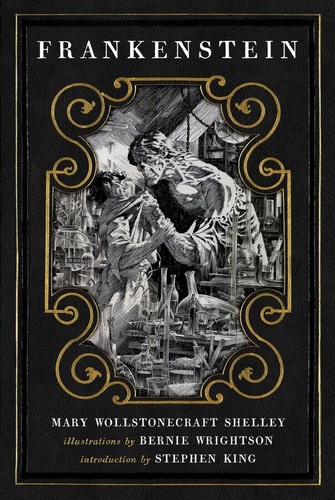
Victor Frankenstein creates a creature and then abandons it, with tragic results. This foundational novel is as much about responsibility and isolation as it is about monsters. The language is dense, so audiobooks can help. Content note: violent deaths.
Best for: classic horror fans. Ages: 14+.
2. Dracula by Bram Stoker
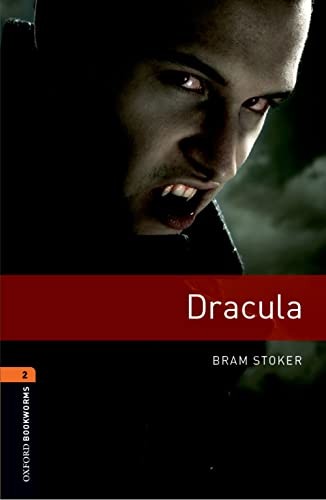
Told through letters and diary entries, Dracula’s arrival in England sets a group of friends against the count. It’s atmospheric and suspenseful. The original vampire story remains gripping. Content note: violence and horror imagery.
Best for: vampire fans. Ages: 14+.
3. The Haunting of Hill House by Shirley Jackson
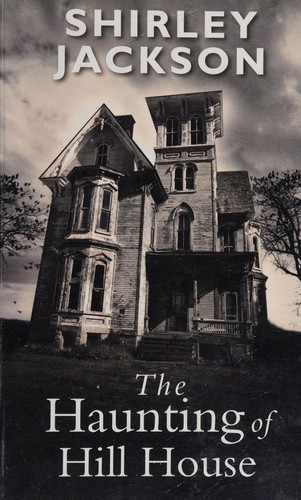
Four people stay in a notoriously haunted house, and Eleanor is slowly drawn in. This subtle, chilling masterpiece shows how little gore is needed to terrify. It has inspired many writers.
Best for: psychological-horror readers. Ages: 14+.
4. We Have Always Lived in the Castle by Shirley Jackson
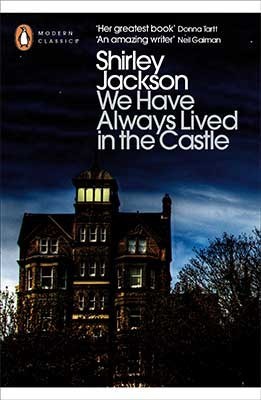
Merricat lives with her sister in isolation after a family tragedy, until a cousin arrives. The voice is haunting and unforgettable. A short, strange and brilliant novel. Content note: poisoning and unsettling themes.
Best for: gothic fans. Ages: 14+.
5. Carrie by Stephen King
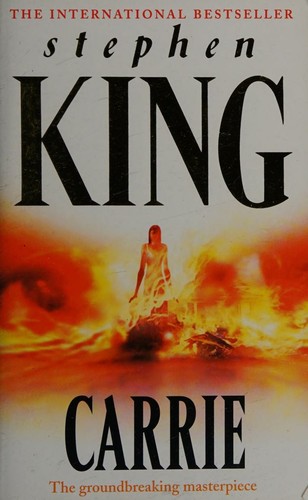
Carrie White, bullied and abused, discovers telekinetic powers. King’s first published novel is raw and shocking. It contains bullying, abuse and a bloody climax. Content note: bullying, abuse and graphic violence.
Best for: modern horror fans. Ages: 15+.
6. ‘Salem’s Lot by Stephen King
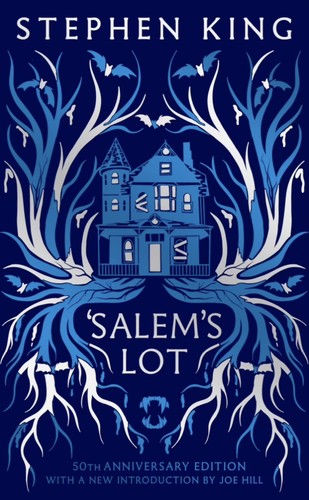
A writer returns to his hometown to find vampires taking over. It’s slow-burning and chilling, with a strong sense of small-town dread. A good book for patient readers. Content note: violence and horror imagery.
Best for: vampire fans. Ages: 15+.
7. Anna Dressed in Blood by Kendare Blake
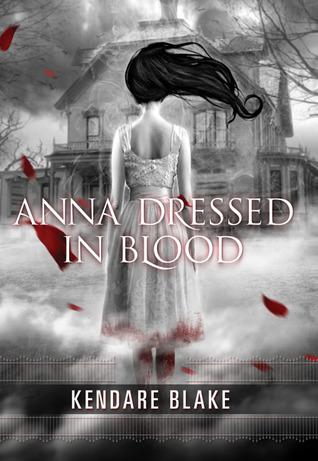
Cas Lowood hunts ghosts, and his latest target, Anna, is a murderous girl in a white dress. The tone is dark and funny. The first of a duology. Content note: graphic violence.
Best for: ghost-story fans. Ages: 14+.
8. Miss Peregrine’s Home for Peculiar Children by Ransom Riggs
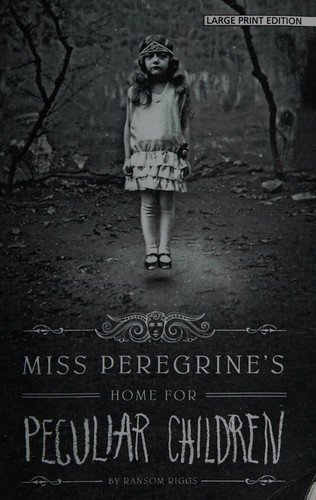
After his grandfather’s death, Jacob discovers a hidden home for children with strange abilities. Vintage photographs add to the eeriness. It’s more suspenseful than gory.
Best for: creepy-photo fans. Ages: 13+.
9. Wilder Girls by Rory Power
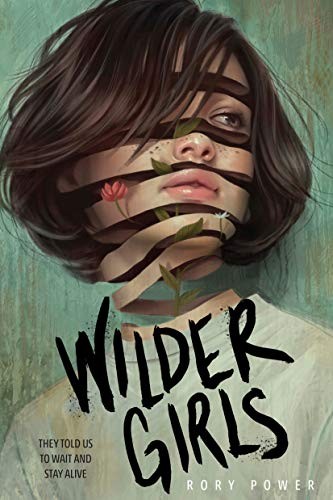
At a girls’ boarding school quarantined by a strange disease, students and teachers mutate. The story is raw and unsettling. It addresses illness, injury and queer love. Content note: body horror and violence.
Best for: body-horror readers. Ages: 15+.
10. The Diviners by Libba Bray
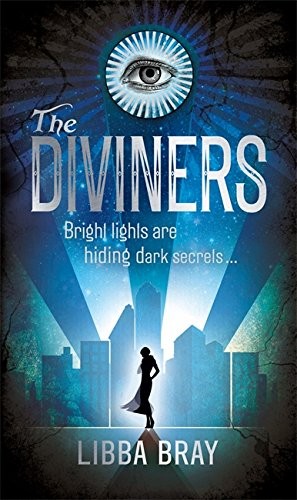
In 1920s New York, Evie O’Neill uses her gift to help solve occult murders. It’s long, atmospheric and full of period detail. The first of a quartet. Content note: violence and horror imagery.
Best for: historical-horror readers. Ages: 14+.
11. The Turn of the Screw by Henry James
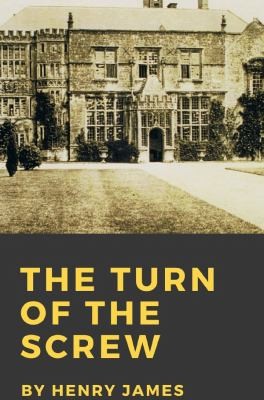
A governess becomes convinced that her charges are haunted. Whether the ghosts are real or imagined is part of the debate. Short but dense, perfect for discussion.
Best for: ambiguity lovers. Ages: 14+.
12. Slasher Girls & Monster Boys by April Genevieve Tucholke (editor)
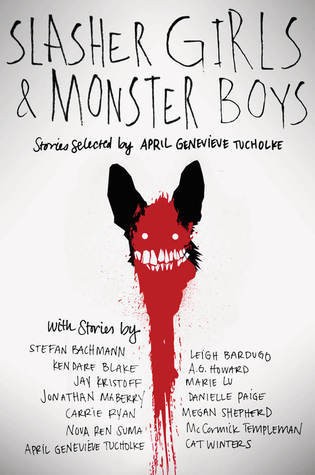
This anthology gathers YA authors’ horror stories. The tales range from chilling to bloody. It’s a good sampler for teens who like a variety. Content note: violence and disturbing themes.
Best for: short-story fans. Ages: 14+.
13. The Girl from the Well by Rin Chupeco
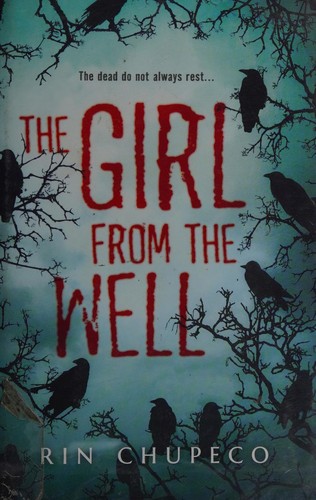
A murdered girl’s ghost avenges children, and a boy marked with strange tattoos becomes her path. The book borrows from Japanese ghost stories. It’s creepy and lyrical. Content note: graphic violence and child endangerment.
Best for: Japanese-folklore fans. Ages: 14+.
14. Through the Woods by Emily Carroll
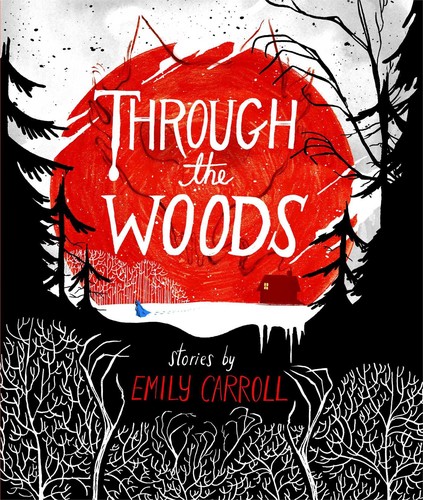
Five spooky tales in graphic form feature gorgeous, unsettling art. Short and atmospheric, they tap into folklore. Perfect for visual readers. Content note: creepy imagery.
Best for: graphic-horror fans. Ages: 14+.
15. Pet Sematary by Stephen King
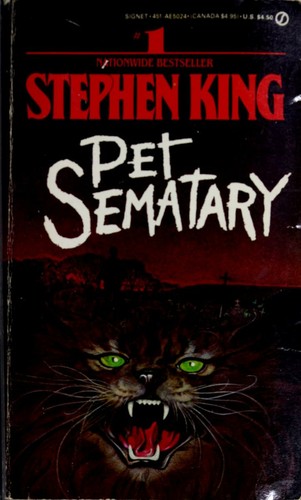
A family moves near a burial ground that brings the dead back, changed. It’s one of King’s most disturbing books, centered on grief. Best for older teens. Content note: death of a child and graphic violence.
Best for: dark-horror fans. Ages: 16+.
How to Match a Horror Book to Your Teen
Teen readers want books that respect their intelligence and reflect real feelings. Begin with what your teen already enjoys, whether that is a show, a game or a favorite author, and choose a horror title that echoes it. Teens often prefer to pick for themselves, so offer a short stack instead of one assigned book. Read the content notes in this list, since some books cover mature themes, and talk openly about them. A short, fast-paced novel is a good way back into reading for someone who has drifted away, while avid readers may enjoy long series. Libraries, e-books and audiobooks all count as reading, and a teen who listens on a commute is still building vocabulary.
A Simple Reading Plan for Horror Books
Pick one title to try this month and set a small target, such as ten to twenty pages a day or one chapter before bed. Library apps and e-readers make horror books easy to carry, and audiobooks fill commutes and chores. If a book does not hook your teen within the first fifty pages, switching is fine. Not every book suits every reader. Encourage your teen to share what they are reading with friends, in a club or online, since talking about books keeps the habit alive. A short list of next reads on a phone note can help them keep going without searching each time.
Why Horror Books Matter for Teens
Reading horror books as a teen does more than pass time. Fiction and narrative nonfiction build empathy by letting readers live inside other people’s choices, and they strengthen the focus and vocabulary that school, college and work reward. Teens who read for pleasure tend to do better academically, and they often say books helped them feel less alone. A horror book can also be a bridge for conversation, giving parents and teens a safe way to talk about difficult subjects through characters instead of directly. Because teens are busy, the best strategy is to make reading easy and rewarding, which is exactly what a well-chosen book does.
Where to Find and How to Read These Books
You do not need to buy every title. A library card gives your teen free access to print books, e-books and audiobooks through apps such as Libby, and holds let you queue popular horror titles. Paperbacks are the best value, and used copies are plentiful for older bestsellers. E-readers and phones make books easy to carry, and audiobooks turn commutes, workouts and chores into reading time. Many schools also run reading lists and book clubs that use these titles. If your teen likes a book, check whether it has a sequel or a companion book, because finishing a series is often what turns a casual reader into a committed one.
After the Last Page: What to Read Next
When your teen finishes a book, the best next step is usually a short conversation, not a quiz. Ask what they thought of the ending, whether they would recommend it and what they want to read next. Then look for a sequel, another book by the same author or a similar horror title from this list. A shared reading list on a phone, a library hold queue or a school or online book club can keep the momentum going. If a book did not work, that is useful information about taste. Trying a few different books is how teens find what they love.
A Quick Checklist Before You Pick a Horror Book
Ask these questions before you borrow or buy:
- Does the opening grab your teen within the first chapter or two?
- Is the content, including violence, language and romance, right for their maturity?
- Is it standalone, or the start of a series they can binge?
- Does a library, e-book or audiobook copy exist so they can start immediately?
- Does it connect to something they already love, such as a show, game or hobby?
Questions to Talk About After Reading
These work for almost any book on this list:
- What do you think the author was really trying to say?
- Which character did you understand best, and which frustrated you?
- Did the ending feel earned?
- How does this book compare with others in the genre?
- Would you recommend it to a friend, and what would you say?
Tips for Choosing Horror Books for Teens
- Pick by tolerance. Gothic classics are subtler, and Stephen King is more graphic.
- Read the notes. Many books deal with abuse or death. Decide together what is appropriate.
- Try audio. Audiobooks of Frankenstein and Dracula can ease the dense language.
- Read in season. October is a popular time for horror challenges.
- Discuss the fear. Ask what scared them and why, because horror reflects real anxieties.
Related: 15 best horror books for middle schoolers and 15 best book club books for teens.
Frequently Asked Questions
What horror books are appropriate for 13-year-olds?
Miss Peregrine’s Home for Peculiar Children, Anna Dressed in Blood and The Haunting of Hill House are common picks. Check content for each reader.
Are Stephen King books okay for teens?
Some teens read them, but the content is mature. Carrie and Pet Sematary are for older teens.
What are classic horror books teens should read?
Frankenstein, Dracula, The Turn of the Screw and The Haunting of Hill House are essential classics.