

Disclosure: As an Amazon Associate, Bookish Wisdom earns from qualifying purchases. This doesn’t change our picks or your price.
Quick answer: These 15 sports books suit middle schoolers (ages 10–13). Start with Travel Team, Heat, The Crossover, Booked, Ghost or Soar. Each pick below has a short blurb, an age range and a content note where it matters.
Sports stories hook readers who would rather be outside. They offer fast action, team drama and lessons about practice, loss and courage, and they often feature heroes who start out struggling. This list gathers fifteen of the best sports books for ages 10 to 13, from basketball and track to baseball, rowing and softball, plus true stories of legends. Some cover family tension and loss, and we note where. Pair them with your child’s own team, and a game day can turn into a reading day.
Table of Contents
Quick Picks at a Glance
| Book | Author | Ages | Best For |
|---|---|---|---|
| Travel Team | Mike Lupica | 10–14 | basketball fans |
| Heat | Mike Lupica | 10–14 | baseball fans |
| The Crossover | Kwame Alexander | 10–14 | verse and basketball fans |
| Booked | Kwame Alexander | 10–14 | soccer fans |
| Ghost | Jason Reynolds | 10–14 | track fans |
| Soar | Joan Bauer | 9–13 | baseball and heart fans |
| Fast Pitch | Nic Stone | 9–13 | softball fans |
| Hoops | Walter Dean Myers | 11–14 | basketball fans |
| The Boys in the Boat (Young Readers Adaptation) | Daniel James Brown | 10–14 | true-story fans |
| Unbroken (Young Adult Adaptation) | Laura Hillenbrand | 11–14 | history and survival fans |
| The Kid Who Only Hit Homers | Matt Christopher | 8–12 | easy baseball reads |
| Shoeless Joe & Me | Dan Gutman | 9–13 | baseball-card time travelers |
| Becoming Muhammad Ali | James Patterson and Kwame Alexander | 10–14 | boxing fans |
| Wilma Unlimited | Kathleen Krull | 6–11 | true-story and picture-book fans |
| The Last Shot | John Feinstein | 10–14 | mystery-sports fans |
1. Travel Team by Mike Lupica
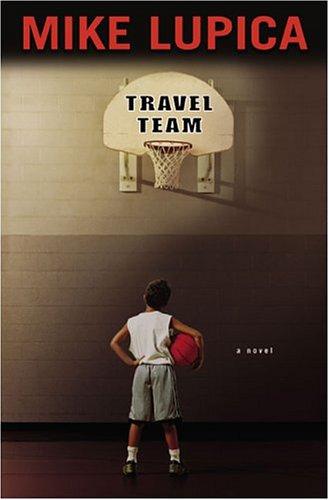
Danny Walker, too short for the best team, is cut and decides to form his own. The story is about heart and perseverance. Lupica’s books are among the most popular sports novels for kids.
Best for: basketball fans. Ages: 10–14.
2. Heat by Mike Lupica
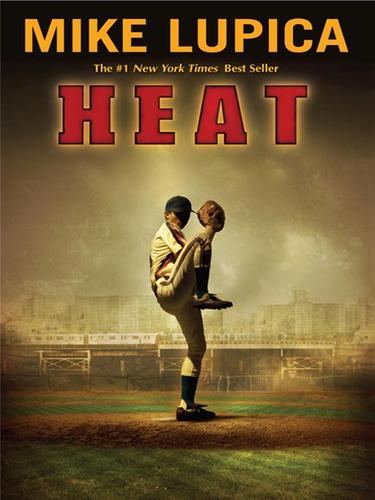
Michael Arroyo, a Cuban-born pitcher, stars in Little League but is accused of lying about his age. Baseball and family drama combine. It deals with immigration and loss. Content note: immigration and the death of a parent.
Best for: baseball fans. Ages: 10–14.
3. The Crossover by Kwame Alexander
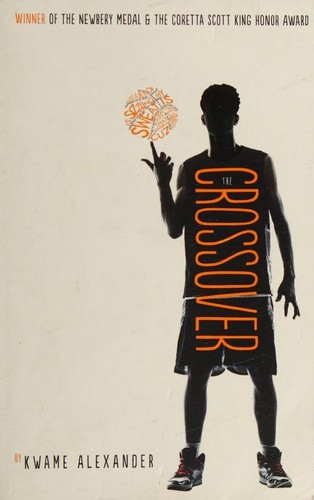
Twin brothers Josh and Jordan play basketball while their bond is tested. Written in verse, it reads quickly and hits hard. It won the Newbery Medal and has a TV adaptation. Content note: loss of a parent.
Best for: verse and basketball fans. Ages: 10–14.
4. Booked by Kwame Alexander
Nick loves soccer and wordplay, but his parents’ marriage is crumbling. The verse is rhythmic and the story moving. Another strong choice for reluctant readers. Content note: parental conflict.
Best for: soccer fans. Ages: 10–14.
5. Ghost by Jason Reynolds
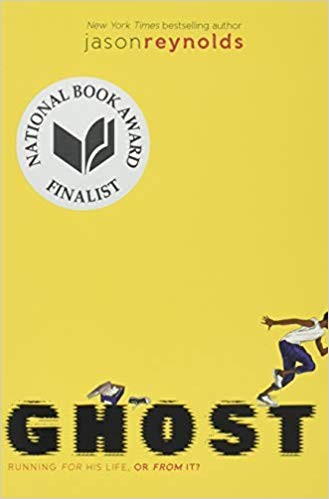
Castle ‘Ghost’ Cranshaw, who has a troubled past, joins a track team and learns to run. The voice is funny and real. It’s the first of the Track series. Content note: a shooting incident in the backstory.
Best for: track fans. Ages: 10–14.
6. Soar by Joan Bauer
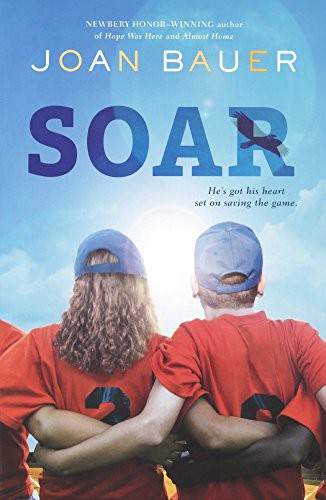
Jeremiah, a boy with a heart transplant, is told he can’t play baseball but becomes a coach. The story is warm and smart. It deals with illness and community.
Best for: baseball and heart fans. Ages: 9–13.
7. Fast Pitch by Nic Stone
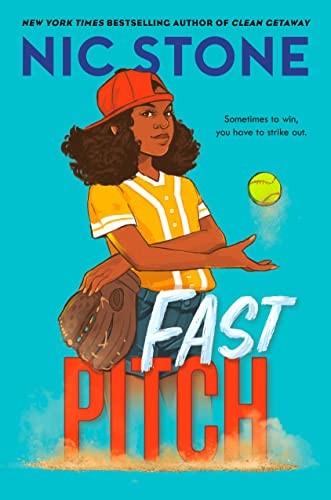
Shenice Barker, captain of her softball team, seeks the truth of a family mystery while leading her team. The book mixes sports with heritage. It’s positive and fast.
Best for: softball fans. Ages: 9–13.
8. Hoops by Walter Dean Myers
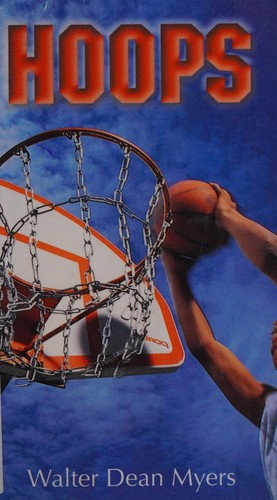
Lonnie plays in a Harlem summer league while a coach with a past teaches him tough lessons. It’s gritty and realistic. A classic of sports fiction. Content note: gambling and mild violence.
Best for: basketball fans. Ages: 11–14.
9. The Boys in the Boat (Young Readers Adaptation) by Daniel James Brown
This version tells how a crew of working-class boys from Washington won gold in rowing at the 1936 Olympics. It’s an inspiring story of teamwork. The adaptation is accessible.
Best for: true-story fans. Ages: 10–14.
10. Unbroken (Young Adult Adaptation) by Laura Hillenbrand

Louis Zamperini, an Olympic runner, survives a plane crash, drifting at sea and a prison camp. It’s inspiring but harrowing. The young reader version is shorter. Content note: war violence and captivity.
Best for: history and survival fans. Ages: 11–14.
11. The Kid Who Only Hit Homers by Matt Christopher
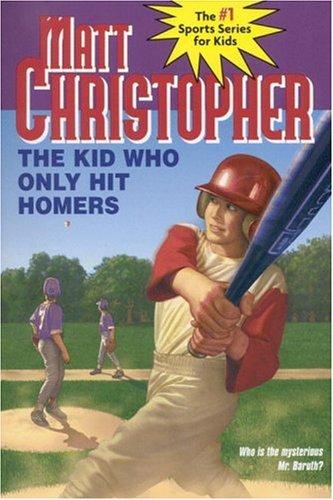
A boy gets magical help to hit home runs. Short and fast, it’s a quick pick for reluctant readers. Matt Christopher wrote dozens of sports books.
Best for: easy baseball reads. Ages: 8–12.
12. Shoeless Joe & Me by Dan Gutman
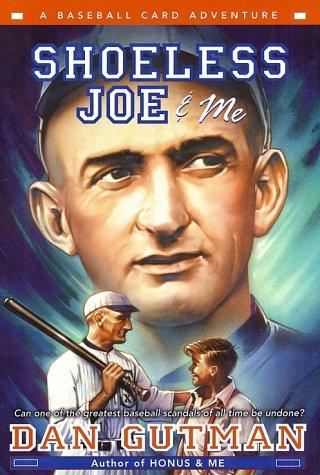
Joe Stoshack travels back to 1919 to prevent the Black Sox scandal. History meets baseball in a fast adventure. The series covers many players.
Best for: baseball-card time travelers. Ages: 9–13.
13. Becoming Muhammad Ali by James Patterson and Kwame Alexander
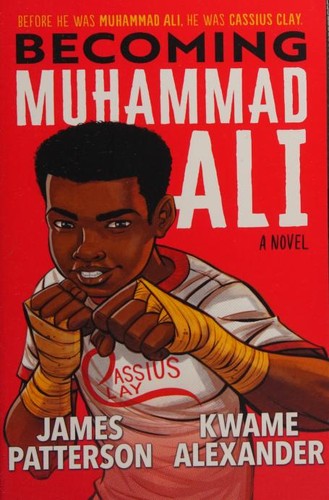
This novel shows Cassius Clay’s young life as he trains and finds his voice. It’s inspiring and fast. It touches on racism in the 1950s. Content note: racism.
Best for: boxing fans. Ages: 10–14.
14. Wilma Unlimited by Kathleen Krull
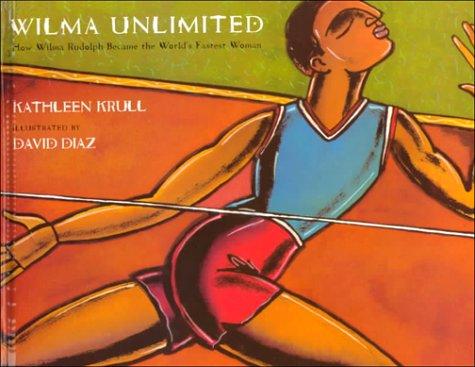
Wilma Rudolph overcame polio to become an Olympic champion. The illustrated biography is inspiring and easy to read. A good pick for younger middle schoolers.
Best for: true-story and picture-book fans. Ages: 6–11.
15. The Last Shot by John Feinstein
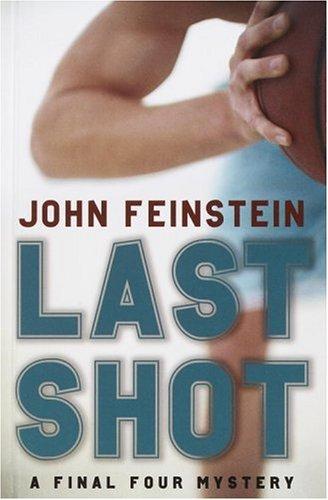
Two teen reporters at the Final Four stumble upon a plot to fix the game. It blends sports with mystery. Feinstein, a sportswriter, adds authenticity.
Best for: mystery-sports fans. Ages: 10–14.
How to Match a Sports Book to Your Middle School
Middle school readers range widely. One eleven-year-old may still love illustrated chapter books, while another is ready for novels with darker themes. Start with the reader’s current favorites, then pick a sports title with a similar length and pace. Look at the first page together: if your middle school can read it smoothly and wants to continue, it is a good fit. Short chapters and strong openings help hesitant readers, while avid readers can handle longer books and series. Pay attention to content notes in this list, and preview a book if your child is sensitive to a particular topic. When in doubt, offer two or three choices and let your child decide, because a book they choose is a book they are more likely to finish.
A Simple Reading Plan for Sports Books
Choose one book from the list to start this week and set a modest goal, such as twenty minutes a day. Keep a library card in use, since borrowing lets your child try several sports books without cost. Read the same book yourself, or listen to it as an audiobook in the car, so you can chat about it at dinner. When your middle school finishes, ask which part they liked best and whether they want to try the next book in a series or a similar title from this list. A simple chart on the fridge can track finished books. Celebrate progress with a trip to the library or bookstore rather than with screen time or a prize.
Why Sports Books Matter for Middle Schoolers
Reading sports books during the middle school years does more than fill free time. Children this age are building stamina for longer texts, growing their vocabulary and learning to follow complex plots, and they do those things best when they enjoy what they read. A book that fits their interests teaches them that reading is a source of pleasure, not only an assignment. It also gives you a way to talk about hard subjects, friendships and choices through characters, which can be easier than talking about their own lives. Research on reading habits repeatedly finds that children who read for fun do better in school, so a good sports book is worth far more than its price.
Where to Find and How to Read These Books
Buying every book on this list is not necessary. Start at your public library, where you can borrow print copies, e-books and audiobooks with a free card, and use the holds feature for popular titles. Paperbacks are usually the best value for books your child will reread, and hardcovers hold up better for favorites that will be passed down. Used copies are often cheap, and a classroom or neighborhood swap can add variety. Large-print or dyslexia-friendly editions help some readers, and audiobooks are a good support for children who are building stamina. Whatever format you choose, keep a few sports books visible on a shelf or by the bed so reading is the easy choice.
After the Last Page: What to Read Next
The last page of a book is a good moment to keep the momentum going. Ask your child what they liked, then look for the sequel, another book by the same author or a similar title from this list. Many children enjoy a small ritual, such as choosing the next sports book at the library every week. If a book did not work, treat that as information, not failure; it simply tells you what to try next. Notice patterns, such as whether your child prefers short chapters, humor or fast plots, and use them to guide future picks. Over a few months, those small choices add up to a real reading habit.
A Quick Checklist Before You Pick a Sports Book
Ask these questions before you borrow or buy:
- Is the length right? A 150-page book is a confident win, while a 400-page book is a project.
- Does the first chapter hook your child within a few pages?
- Is the content right for their age and sensitivity?
- Is there a sequel or companion book waiting if they love it?
- Can you find it at your library so there is no risk?
Questions to Talk About After Reading
These work for almost any book on this list:
- What was your favorite part, and why?
- Which character would you want as a friend?
- What would you have done differently in the main character’s place?
- Did the ending surprise you?
- Which book from this list do you want to read next?
Tips for Choosing Sports Books for Middle Schoolers
- Match the sport. Start with a sport your child plays or follows.
- Mix fiction and true stories. Biographies such as Unbroken and Becoming Muhammad Ali can inspire.
- Try verse novels. Kwame Alexander’s books read quickly and suit reluctant readers.
- Use books to talk about teamwork. Ask how the team handles losing.
- Share the game. Read a chapter together before practice or a game.
Related: 15 best book club books for middle schoolers and 15 best books for reluctant readers in middle school.
Frequently Asked Questions
What are good sports books for 11-year-olds?
The Crossover, Ghost, Travel Team and Soar are popular for this age.
What sports books are best for reluctant readers?
Short verse novels such as The Crossover and quick reads like The Kid Who Only Hit Homers work well.
Are there sports books for girls?
Yes. Fast Pitch and Wilma Unlimited feature women and girls, and many books here are for all.