

Disclosure: As an Amazon Associate, Bookish Wisdom earns from qualifying purchases. This doesn’t change our picks or your price.
Quick answer: These 15 sports books suit teens (ages 13 and up). Start with Friday Night Lights, Seabiscuit: An American Legend, Open, Staying Fat for Sarah Byrnes, Whale Talk or Dairy Queen. Each pick below has a short blurb, an age range and a content note where it matters.
Sports books for teens go beyond the scoreboard. They explore ambition, class, gender, injury, doping, loyalty and what it takes to keep going when you are losing. This list collects fifteen outstanding titles for ages 13 and up, mixing nonfiction classics with gritty YA novels. Some contain mature language and sensitive topics, and we flag them. Whether your teen plays, coaches or just watches, these books show sport as an arena for real human drama.
Table of Contents
Quick Picks at a Glance
| Book | Author | Ages | Best For |
|---|---|---|---|
| Friday Night Lights | H.G. Bissinger | 15+ | football and sociology fans |
| Seabiscuit: An American Legend | Laura Hillenbrand | 13+ | horse-racing and history fans |
| Open | Andre Agassi | 15+ | tennis fans |
| Staying Fat for Sarah Byrnes | Chris Crutcher | 14+ | swimming and drama readers |
| Whale Talk | Chris Crutcher | 14+ | underdog-team fans |
| Dairy Queen | Catherine Gilbert Murdock | 13+ | football and humor fans |
| Boy21 | Matthew Quick | 14+ | basketball and friendship fans |
| Ball Don’t Lie | Matt de la Peña | 15+ | streetball fans |
| Bull Rider | Suzanne Morgan Williams | 12+ | rodeo fans |
| Running with the Buffaloes | Chris Lear | 14+ | runners |
| Born to Run | Christopher McDougall | 14+ | runners and adventure fans |
| Moneyball | Michael Lewis | 14+ | stats and baseball fans |
| The Boys in the Boat | Daniel James Brown | 13+ | true-story fans |
| The Perfect Mile | Neal Bascomb | 13+ | track fans |
| Eleven Rings | Phil Jackson | 14+ | basketball fans |
1. Friday Night Lights by H.G. Bissinger
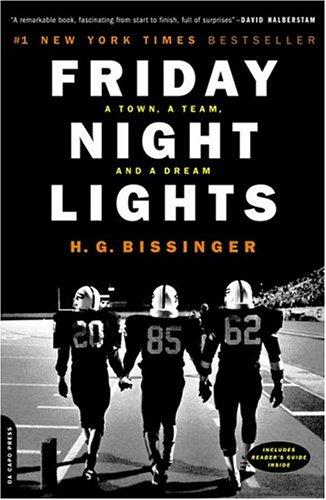
Bissinger spent a season with a Texas high school football team and wrote about the town’s obsession. It’s a landmark of sports journalism and basis of the TV series. Contains language and discussions of race. Content note: strong language and race issues.
Best for: football and sociology fans. Ages: 15+.
2. Seabiscuit: An American Legend by Laura Hillenbrand
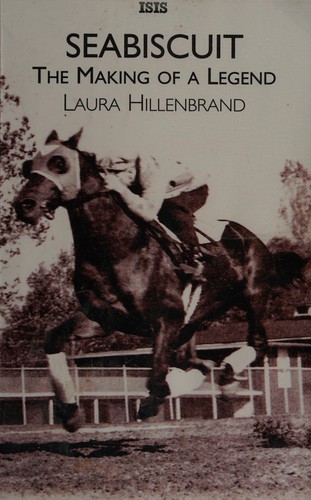
A small horse and his unlikely team win hearts during the Great Depression. The book is well researched and moving. It reads like a novel.
Best for: horse-racing and history fans. Ages: 13+.
3. Open by Andre Agassi
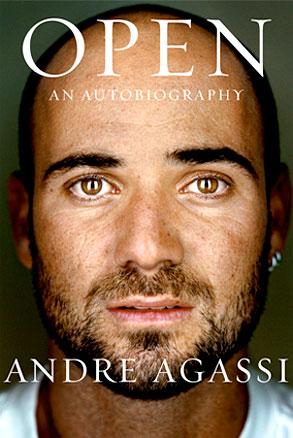
Agassi’s candid memoir reveals his difficult childhood, fame and struggles. It’s honest and gripping. It includes some drug and language references. Content note: drug use and strong language.
Best for: tennis fans. Ages: 15+.
4. Staying Fat for Sarah Byrnes by Chris Crutcher
Eric Calder, an overweight swimmer, tries to help his friend Sarah, who has scars from a childhood injury. It tackles abuse and friendship. Intense but affirming. Content note: child abuse and bullying.
Best for: swimming and drama readers. Ages: 14+.
5. Whale Talk by Chris Crutcher
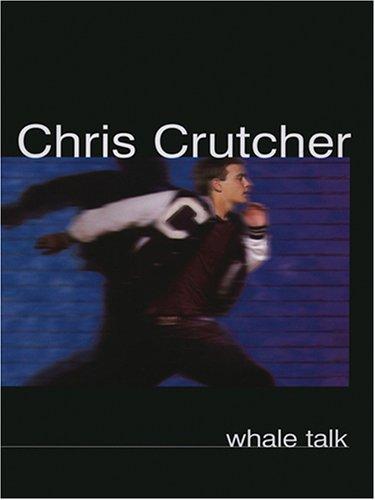
T.J. forms a swim team of misfits at a school that prizes athletes. The story addresses racism and sports culture. It’s a classic of YA sports. Content note: racism, violence and strong language.
Best for: underdog-team fans. Ages: 14+.
6. Dairy Queen by Catherine Gilbert Murdock
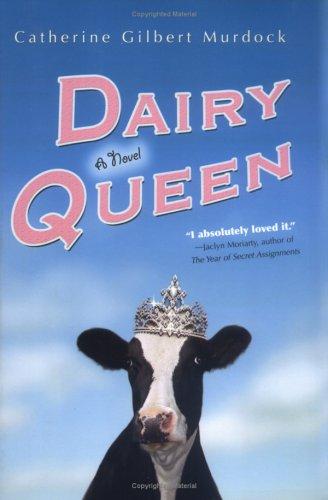
D.J. Schwenk, a farm girl, trains the quarterback of a rival team and discovers her own strength. The voice is funny and honest. A refreshing book about a female athlete.
Best for: football and humor fans. Ages: 13+.
7. Boy21 by Matthew Quick
A white high school basketball player befriends a mysterious new teammate who believes he is an alien. The story deals with grief and violence. It’s tender and gritty. Content note: gun violence and grief.
Best for: basketball and friendship fans. Ages: 14+.
8. Ball Don’t Lie by Matt de la Peña
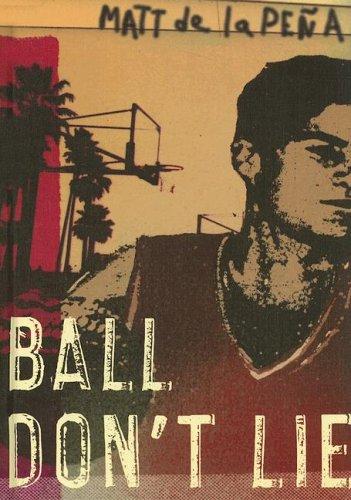
Sticky, a foster kid, plays basketball on L.A. streets. The prose is raw and honest. It addresses poverty and has strong language. Content note: strong language and difficult subject matter.
Best for: streetball fans. Ages: 15+.
9. Bull Rider by Suzanne Morgan Williams
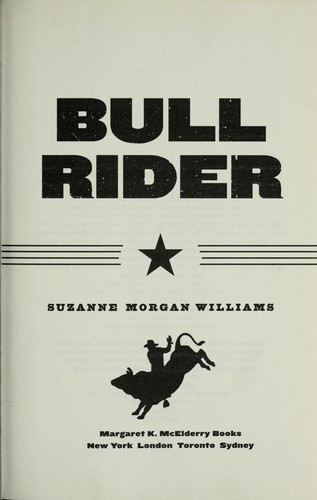
Cutter’s brother returns from Iraq wounded, and Cutter joins the bull-riding circuit. The book blends sports with family drama. It also looks at the toll of war. Content note: war injuries.
Best for: rodeo fans. Ages: 12+.
10. Running with the Buffaloes by Chris Lear
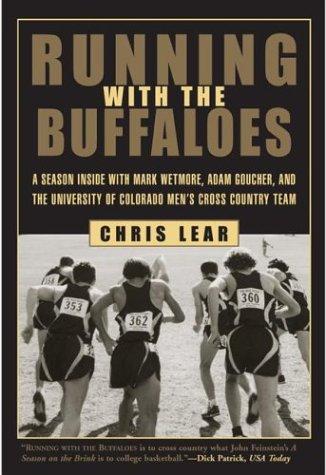
Lear follows the University of Colorado’s cross-country team for a season. It’s an inside look at elite running. Runners often cite it as an inspiration.
Best for: runners. Ages: 14+.
11. Born to Run by Christopher McDougall
McDougall explores the Tarahumara people of Mexico and ultra-running. The book sparked the barefoot-running craze. It’s entertaining and full of characters.
Best for: runners and adventure fans. Ages: 14+.
12. Moneyball by Michael Lewis
Lewis shows how the Oakland A’s used data to compete with richer teams. It reads like a business drama. The film adaptation stars Brad Pitt.
Best for: stats and baseball fans. Ages: 14+.
13. The Boys in the Boat by Daniel James Brown
This is the full adult edition of the story of the University of Washington crew and the 1936 Olympics. It’s compelling and vivid. Some readers find the sections on rowing technique dense. Content note: war-era context.
Best for: true-story fans. Ages: 13+.
14. The Perfect Mile by Neal Bascomb
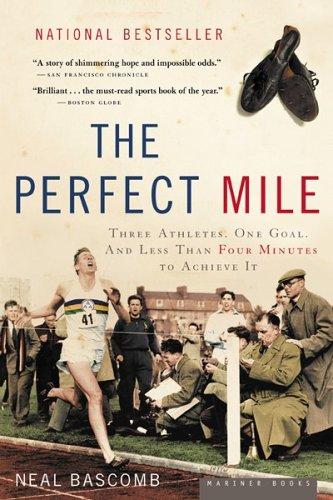
Bascomb tells the race to break the four-minute mile among Roger Bannister and two rivals. It’s inspiring and well written. A strong pick for runners.
Best for: track fans. Ages: 13+.
15. Eleven Rings by Phil Jackson
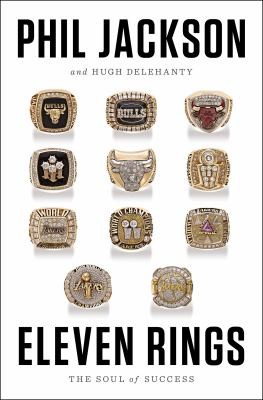
Phil Jackson reflects on coaching Michael Jordan and Kobe Bryant to championships. It offers leadership lessons. Some language appears. Content note: some language.
Best for: basketball fans. Ages: 14+.
How to Match a Sports Book to Your Teen
Teen readers want books that respect their intelligence and reflect real feelings. Begin with what your teen already enjoys, whether that is a show, a game or a favorite author, and choose a sports title that echoes it. Teens often prefer to pick for themselves, so offer a short stack instead of one assigned book. Read the content notes in this list, since some books cover mature themes, and talk openly about them. A short, fast-paced novel is a good way back into reading for someone who has drifted away, while avid readers may enjoy long series. Libraries, e-books and audiobooks all count as reading, and a teen who listens on a commute is still building vocabulary.
A Simple Reading Plan for Sports Books
Pick one title to try this month and set a small target, such as ten to twenty pages a day or one chapter before bed. Library apps and e-readers make sports books easy to carry, and audiobooks fill commutes and chores. If a book does not hook your teen within the first fifty pages, switching is fine. Not every book suits every reader. Encourage your teen to share what they are reading with friends, in a club or online, since talking about books keeps the habit alive. A short list of next reads on a phone note can help them keep going without searching each time.
Why Sports Books Matter for Teens
Reading sports books as a teen does more than pass time. Fiction and narrative nonfiction build empathy by letting readers live inside other people’s choices, and they strengthen the focus and vocabulary that school, college and work reward. Teens who read for pleasure tend to do better academically, and they often say books helped them feel less alone. A sports book can also be a bridge for conversation, giving parents and teens a safe way to talk about difficult subjects through characters instead of directly. Because teens are busy, the best strategy is to make reading easy and rewarding, which is exactly what a well-chosen book does.
Where to Find and How to Read These Books
You do not need to buy every title. A library card gives your teen free access to print books, e-books and audiobooks through apps such as Libby, and holds let you queue popular sports titles. Paperbacks are the best value, and used copies are plentiful for older bestsellers. E-readers and phones make books easy to carry, and audiobooks turn commutes, workouts and chores into reading time. Many schools also run reading lists and book clubs that use these titles. If your teen likes a book, check whether it has a sequel or a companion book, because finishing a series is often what turns a casual reader into a committed one.
After the Last Page: What to Read Next
When your teen finishes a book, the best next step is usually a short conversation, not a quiz. Ask what they thought of the ending, whether they would recommend it and what they want to read next. Then look for a sequel, another book by the same author or a similar sports title from this list. A shared reading list on a phone, a library hold queue or a school or online book club can keep the momentum going. If a book did not work, that is useful information about taste. Trying a few different books is how teens find what they love.
A Quick Checklist Before You Pick a Sports Book
Ask these questions before you borrow or buy:
- Does the opening grab your teen within the first chapter or two?
- Is the content, including violence, language and romance, right for their maturity?
- Is it standalone, or the start of a series they can binge?
- Does a library, e-book or audiobook copy exist so they can start immediately?
- Does it connect to something they already love, such as a show, game or hobby?
Questions to Talk About After Reading
These work for almost any book on this list:
- What do you think the author was really trying to say?
- Which character did you understand best, and which frustrated you?
- Did the ending feel earned?
- How does this book compare with others in the genre?
- Would you recommend it to a friend, and what would you say?
Tips for Choosing Sports Books for Teens
- Choose by sport and by age. Nonfiction classics are more demanding than YA novels.
- Check content. Some books address abuse, language and violence.
- Try memoirs. Athletes’ memoirs offer drama and lessons.
- Mix fiction and nonfiction. Novels like Boy21 and journalism like Friday Night Lights complement each other.
- Use audiobooks. Many sports memoirs are narrated by the authors.
Related: 15 best sports books for middle schoolers and 15 best book club books for teens.
Frequently Asked Questions
What are good sports books for teenagers?
Friday Night Lights, Seabiscuit, Boy21 and Born to Run are widely recommended.
What sports fiction should a 14-year-old read?
Boy21, Whale Talk, Dairy Queen and Staying Fat for Sarah Byrnes are strong picks.
Are there sports books for girls?
Dairy Queen features a female athlete, and many books here appeal to all readers.