
Disclosure: As an Amazon Associate, Bookish Wisdom earns from qualifying purchases. This doesn’t change our picks or your price.
Quick answer: These 15 animal books suit middle schoolers (ages 10–13). Start with Charlotte’s Web, The One and Only Ivan, Where the Red Fern Grows, Because of Winn-Dixie, The Wild Robot or Black Beauty. Each pick below has a short blurb, an age range and a content note where it matters.
Animal stories teach children empathy, responsibility and how to cope with loss, which is why so many have become classics. This list brings together fifteen of the best animal books for ages 9 to 13, from talking spiders and rescued dogs to loyal horses and clever rats. Some are cheerful, and a few are famous tearjerkers, which we note so you can prepare. Whether your child begs for a pet or simply loves creatures, these books will take them into the animals’ worlds and bring them back kinder.
Table of Contents
Quick Picks at a Glance
| Book | Author | Ages | Best For |
|---|---|---|---|
| Charlotte’s Web | E.B. White | 7–12 | classic readers |
| The One and Only Ivan | Katherine Applegate | 8–12 | emotional readers |
| Where the Red Fern Grows | Wilson Rawls | 10–14 | dog lovers |
| Because of Winn-Dixie | Kate DiCamillo | 8–12 | gentle story fans |
| The Wild Robot | Peter Brown | 8–12 | nature-and-tech fans |
| Black Beauty | Anna Sewell | 9–13 | classic readers |
| Shiloh | Phyllis Reynolds Naylor | 8–12 | dog lovers |
| Old Yeller | Fred Gipson | 10–14 | frontier-story fans |
| Pax | Sara Pennypacker | 9–13 | thoughtful readers |
| Mrs. Frisby and the Rats of NIMH | Robert C. O’Brien | 8–12 | classic-adventure readers |
| Hoot | Carl Hiaasen | 10–14 | funny mystery readers |
| Warriors: Into the Wild | Erin Hunter | 8–13 | series readers |
| Stone Fox | John Reynolds Gardiner | 7–11 | short-story fans |
| The Cricket in Times Square | George Selden | 7–11 | cozy-story fans |
| The Incredible Journey | Sheila Burnford | 9–13 | adventure-and-loyalty fans |
1. Charlotte’s Web by E.B. White
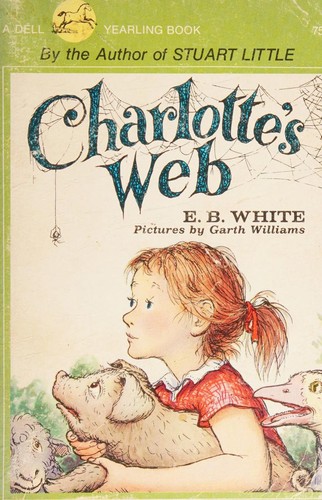
Wilbur the pig is saved from slaughter by a clever spider named Charlotte, who writes messages in her web. This timeless story is about friendship and the cycle of life. It is gentle but includes a sad moment. Content note: the death of a main character.
Best for: classic readers. Ages: 7–12.
2. The One and Only Ivan by Katherine Applegate
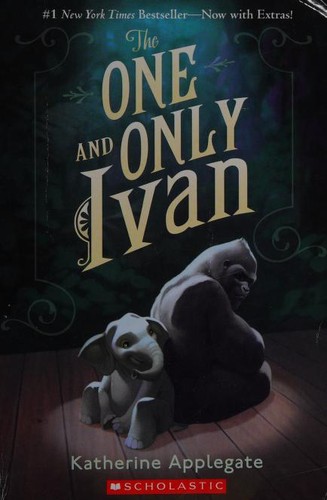
Ivan, a gorilla in a shopping mall, narrates his life and the arrival of a baby elephant, Ruby. Based on a true story, this Newbery winner is told in short, poetic chapters. It’s moving and hopeful. Content note: animal mistreatment and loss.
Best for: emotional readers. Ages: 8–12.
3. Where the Red Fern Grows by Wilson Rawls
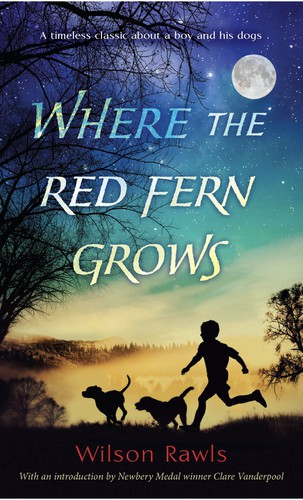
A boy in the Ozarks trains two hunting hounds and shares unforgettable adventures. It’s a classic about loyalty and growing up. Be prepared for a heartbreaking ending. Content note: animal death and hunting.
Best for: dog lovers. Ages: 10–14.
4. Because of Winn-Dixie by Kate DiCamillo
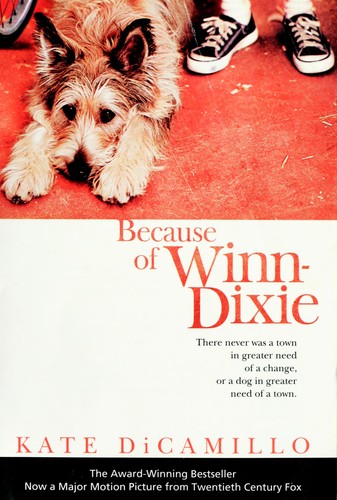
Opal adopts a stray dog in a Florida town, and he helps her make friends and learn about her absent mother. It’s warm, short and funny. A fine read-aloud.
Best for: gentle story fans. Ages: 8–12.
5. The Wild Robot by Peter Brown
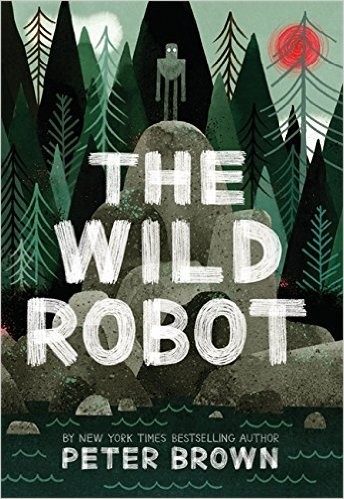
A robot washes ashore on an island and learns to survive among animals. Illustrations and short chapters make it quick. It’s a modern favorite with heart.
Best for: nature-and-tech fans. Ages: 8–12.
6. Black Beauty by Anna Sewell
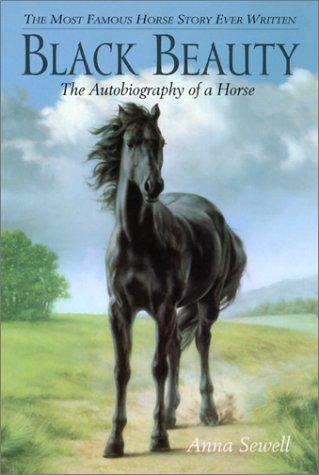
A horse tells the story of his life, from a happy meadow to hard labor and cruelty. Written in 1877 to promote kindness to horses, it remains moving. The language is old-fashioned. Content note: animal cruelty.
Best for: classic readers. Ages: 9–13.
7. Shiloh by Phyllis Reynolds Naylor
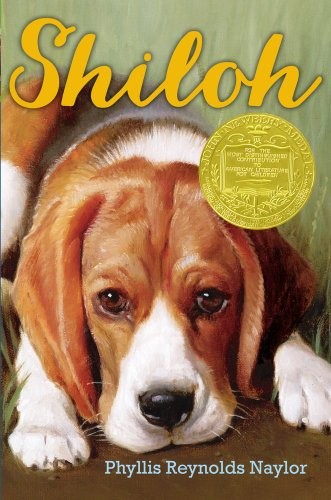
Marty finds an abused beagle and hides him from his owner. The book explores honesty and right and wrong. A Newbery winner and the first of a trilogy. Content note: animal abuse.
Best for: dog lovers. Ages: 8–12.
8. Old Yeller by Fred Gipson
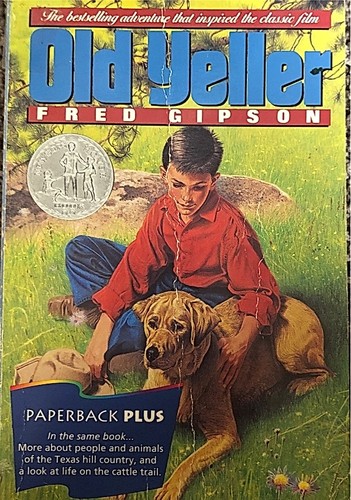
A boy on the Texas frontier bonds with a stray dog who protects his family. It’s a classic about growing up fast. Contains a heartbreaking turn. Content note: animal death and frontier violence.
Best for: frontier-story fans. Ages: 10–14.
9. Pax by Sara Pennypacker
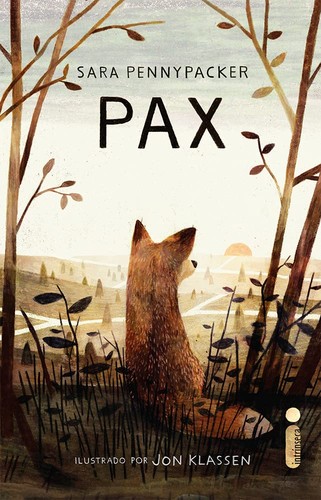
Peter must leave his pet fox, Pax, behind when his father goes to war, then sets out to find him. Chapters alternate between boy and fox. It’s a quiet, powerful story. Content note: war and loss.
Best for: thoughtful readers. Ages: 9–13.
10. Mrs. Frisby and the Rats of NIMH by Robert C. O’Brien
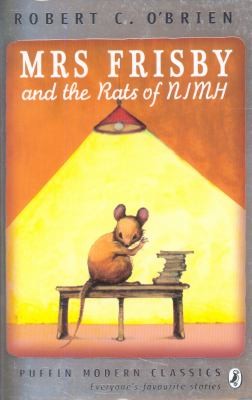
A widowed mouse seeks help from clever, escaped lab rats to move her family. It’s a thoughtful adventure that won the Newbery. Suspenseful in places.
Best for: classic-adventure readers. Ages: 8–12.
11. Hoot by Carl Hiaasen
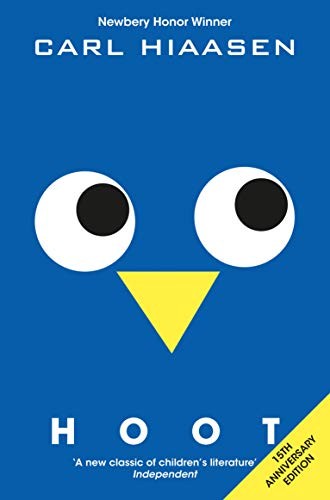
Roy, a new kid in Florida, joins a barefoot runaway to save burrowing owls from a construction site. Humor and a strong message about the environment drive the plot.
Best for: funny mystery readers. Ages: 10–14.
12. Warriors: Into the Wild by Erin Hunter
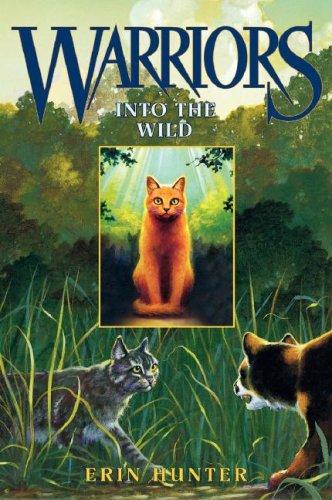
A house cat named Rusty joins a clan of wild cats in the forest. Rich lore and feline politics have made this one of the most popular children’s series. Contains fights. Content note: animal fights.
Best for: series readers. Ages: 8–13.
13. Stone Fox by John Reynolds Gardiner
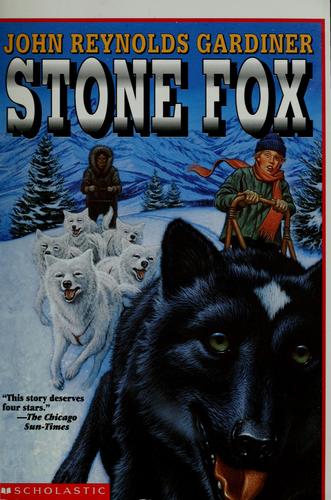
Little Willy enters a dog-sled race to save his grandfather’s farm. It’s a short, powerful classic. The ending can be sad. Content note: a sad ending.
Best for: short-story fans. Ages: 7–11.
14. The Cricket in Times Square by George Selden
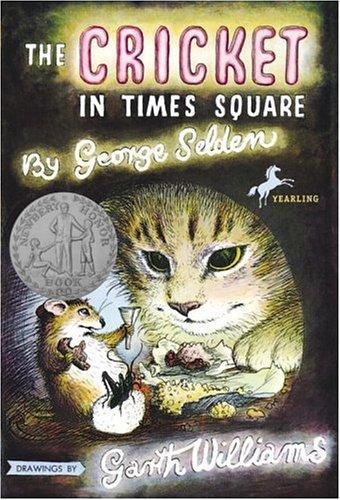
Chester the cricket, a mouse named Tucker and a cat named Harry join a boy in New York City. The story is gentle and humorous. A good read-aloud.
Best for: cozy-story fans. Ages: 7–11.
15. The Incredible Journey by Sheila Burnford
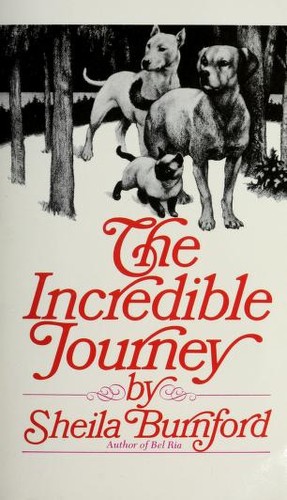
Two dogs and a cat cross the Canadian wilderness to find their family. It’s a classic of survival. Some language is old-fashioned. Content note: animal peril.
Best for: adventure-and-loyalty fans. Ages: 9–13.
How to Match a Animal Book to Your Middle School
Middle school readers range widely. One eleven-year-old may still love illustrated chapter books, while another is ready for novels with darker themes. Start with the reader’s current favorites, then pick a animal title with a similar length and pace. Look at the first page together: if your middle school can read it smoothly and wants to continue, it is a good fit. Short chapters and strong openings help hesitant readers, while avid readers can handle longer books and series. Pay attention to content notes in this list, and preview a book if your child is sensitive to a particular topic. When in doubt, offer two or three choices and let your child decide, because a book they choose is a book they are more likely to finish.
A Simple Reading Plan for Animal Books
Choose one book from the list to start this week and set a modest goal, such as twenty minutes a day. Keep a library card in use, since borrowing lets your child try several animal books without cost. Read the same book yourself, or listen to it as an audiobook in the car, so you can chat about it at dinner. When your middle school finishes, ask which part they liked best and whether they want to try the next book in a series or a similar title from this list. A simple chart on the fridge can track finished books. Celebrate progress with a trip to the library or bookstore rather than with screen time or a prize.
Why Animal Books Matter for Middle Schoolers
Reading animal books during the middle school years does more than fill free time. Children this age are building stamina for longer texts, growing their vocabulary and learning to follow complex plots, and they do those things best when they enjoy what they read. A book that fits their interests teaches them that reading is a source of pleasure, not only an assignment. It also gives you a way to talk about hard subjects, friendships and choices through characters, which can be easier than talking about their own lives. Research on reading habits repeatedly finds that children who read for fun do better in school, so a good animal book is worth far more than its price.
Where to Find and How to Read These Books
Buying every book on this list is not necessary. Start at your public library, where you can borrow print copies, e-books and audiobooks with a free card, and use the holds feature for popular titles. Paperbacks are usually the best value for books your child will reread, and hardcovers hold up better for favorites that will be passed down. Used copies are often cheap, and a classroom or neighborhood swap can add variety. Large-print or dyslexia-friendly editions help some readers, and audiobooks are a good support for children who are building stamina. Whatever format you choose, keep a few animal books visible on a shelf or by the bed so reading is the easy choice.
After the Last Page: What to Read Next
The last page of a book is a good moment to keep the momentum going. Ask your child what they liked, then look for the sequel, another book by the same author or a similar title from this list. Many children enjoy a small ritual, such as choosing the next animal book at the library every week. If a book did not work, treat that as information, not failure; it simply tells you what to try next. Notice patterns, such as whether your child prefers short chapters, humor or fast plots, and use them to guide future picks. Over a few months, those small choices add up to a real reading habit.
A Quick Checklist Before You Pick a Animal Book
Ask these questions before you borrow or buy:
- Is the length right? A 150-page book is a confident win, while a 400-page book is a project.
- Does the first chapter hook your child within a few pages?
- Is the content right for their age and sensitivity?
- Is there a sequel or companion book waiting if they love it?
- Can you find it at your library so there is no risk?
Questions to Talk About After Reading
These work for almost any book on this list:
- What was your favorite part, and why?
- Which character would you want as a friend?
- What would you have done differently in the main character’s place?
- Did the ending surprise you?
- Which book from this list do you want to read next?
Tips for Choosing Animal Books for Middle Schoolers
- Prepare for sad endings. Some classics, like Where the Red Fern Grows and Old Yeller, are tearjerkers.
- Pair with a pet or visit. A zoo trip or a shelter volunteer day can bring books to life.
- Mix real and fantasy animals. Talking animals and realistic stories each offer something.
- Try audiobooks. Many animal classics have beautiful narration.
- Talk about kindness. Animal stories open conversation about empathy and responsibility.
Related: 15 best book club books for middle schoolers and 15 best books for reluctant readers in middle school.
Frequently Asked Questions
What animal books are good for 11-year-olds?
The One and Only Ivan, Pax, Hoot and Shiloh are popular choices.
Which animal books are the saddest?
Where the Red Fern Grows and Old Yeller are famous for sad endings, so be ready.
What are good animal books for reluctant readers?
The Wild Robot and Stone Fox are short, and Warriors offers a long series once your child is hooked.