
Disclosure: As an Amazon Associate, Bookish Wisdom earns from qualifying purchases. This doesn’t change our picks or your price.
Quick answer: These 15 animal books suit teens (ages 13 and up). Start with Watership Down, Animal Farm, White Fang, The Art of Racing in the Rain, Marley & Me or All Creatures Great and Small. Each pick below has a short blurb, an age range and a content note where it matters.
Books about animals are not just for kids. For teens, they can explore survival, politics, loyalty, ecology and the strange minds of creatures we share the planet with. This list combines classic novels, memoirs and nature writing for ages 13 and up. Some are narrated by animals, others by people who work with them, and a few use animals to comment on human society. They range from heartwarming to sad, and we note which are tearjerkers. Pick one if your teen loves animals, nature or powerful storytelling.
Table of Contents
Quick Picks at a Glance
| Book | Author | Ages | Best For |
|---|---|---|---|
| Watership Down | Richard Adams | 13+ | epic-adventure fans |
| Animal Farm | George Orwell | 13+ | politics and allegory fans |
| White Fang | Jack London | 12+ | wilderness fans |
| The Art of Racing in the Rain | Garth Stein | 14+ | dog lovers |
| Marley & Me | John Grogan | 13+ | funny pet memoir fans |
| All Creatures Great and Small | James Herriot | 13+ | cozy-story readers |
| The Black Stallion | Walter Farley | 10+ | horse fans |
| My Friend Flicka | Mary O’Hara | 11+ | horse lovers |
| Born Free | Joy Adamson | 13+ | wildlife fans |
| Gorillas in the Mist | Dian Fossey | 14+ | conservation readers |
| The Soul of an Octopus | Sy Montgomery | 14+ | nature-and-science fans |
| H Is for Hawk | Helen Macdonald | 15+ | literary nature readers |
| Silverwing | Kenneth Oppel | 10+ | fantasy and animal fans |
| A Dog’s Purpose | W. Bruce Cameron | 12+ | dog-lover readers |
| The Yearling | Marjorie Kinnan Rawlings | 13+ | classic readers |
1. Watership Down by Richard Adams
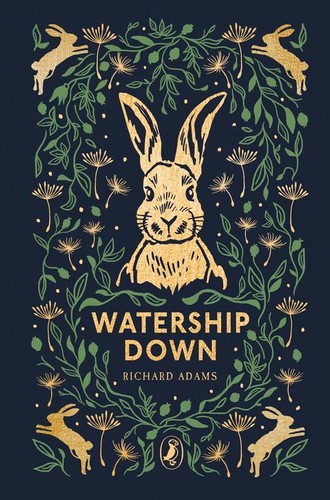
A band of rabbits flees their doomed warren and seeks a new home. The story has its own folklore and language. It is gripping, violent in places and moving. Content note: animal violence and death.
Best for: epic-adventure fans. Ages: 13+.
2. Animal Farm by George Orwell
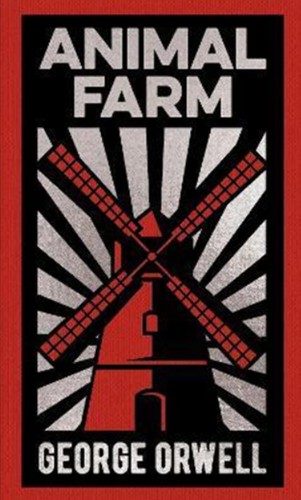
Farm animals overthrow their owner, but the revolution is betrayed by their pig leaders. A short allegory about power and propaganda. It’s required reading in many schools.
Best for: politics and allegory fans. Ages: 13+.
3. White Fang by Jack London
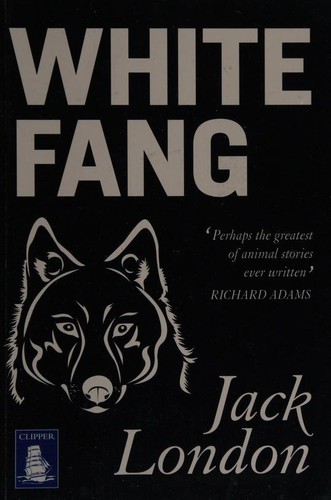
A wolf-dog born in the wild passes through cruel owners before learning trust. The novel is a vivid study of nature and civilization. It contains cruelty. Content note: animal cruelty.
Best for: wilderness fans. Ages: 12+.
4. The Art of Racing in the Rain by Garth Stein
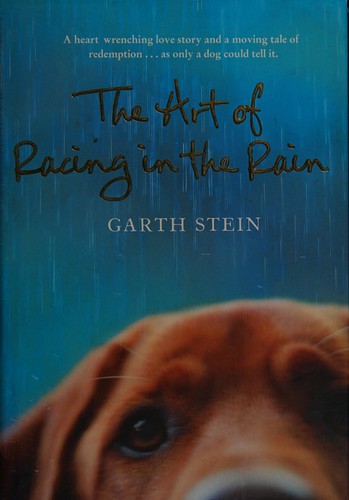
Enzo, an aging dog, narrates the life of his owner, race car driver Denny. It’s funny and heartbreaking. Contains a custody battle and illness. Content note: illness and loss.
Best for: dog lovers. Ages: 14+.
5. Marley & Me by John Grogan
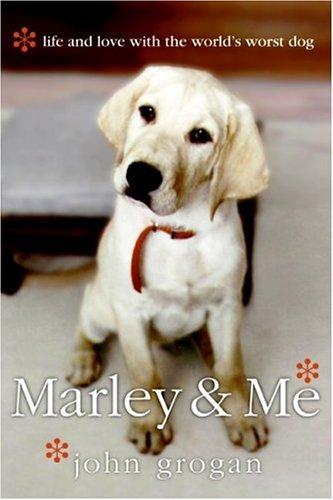
A newspaper columnist recounts life with his unruly Labrador, Marley. It’s a funny, warm memoir. It ends with loss. Content note: pet death.
Best for: funny pet memoir fans. Ages: 13+.
6. All Creatures Great and Small by James Herriot
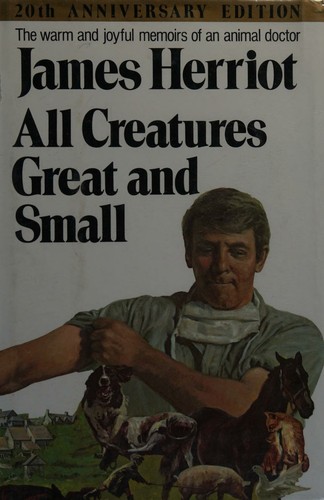
A young vet in 1930s Yorkshire describes his adventures with animals and farmers. It’s gentle, humorous and nostalgic. A great comfort read.
Best for: cozy-story readers. Ages: 13+.
7. The Black Stallion by Walter Farley
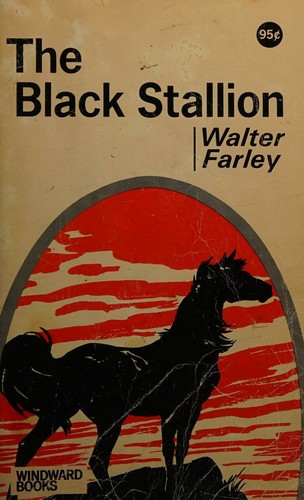
A boy and a wild stallion are shipwrecked on a desert island and later race together. It’s a classic horse story with a long series. Easy to read.
Best for: horse fans. Ages: 10+.
8. My Friend Flicka by Mary O’Hara
Ken McLaughlin, a Wyoming ranch boy, raises a wild filly. A story about patience and growing up. Written in 1941.
Best for: horse lovers. Ages: 11+.
9. Born Free by Joy Adamson
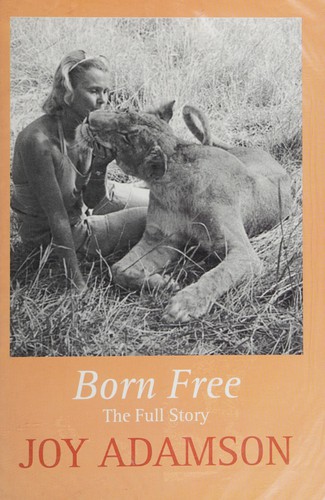
Adamson tells of raising a lion cub, Elsa, and returning her to the wild. The memoir inspired a film. Some details reflect their era.
Best for: wildlife fans. Ages: 13+.
10. Gorillas in the Mist by Dian Fossey
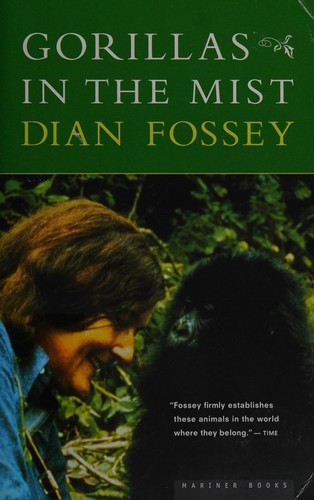
Primatologist Dian Fossey recounts her years studying mountain gorillas in Rwanda. Her observations and passion shaped conservation. Her methods remain debated.
Best for: conservation readers. Ages: 14+.
11. The Soul of an Octopus by Sy Montgomery
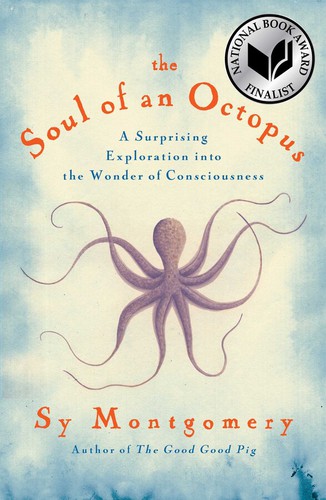
Montgomery befriends octopuses at the New England Aquarium and explores their intelligence. It’s fascinating and warm. A good intro to science writing.
Best for: nature-and-science fans. Ages: 14+.
12. H Is for Hawk by Helen Macdonald
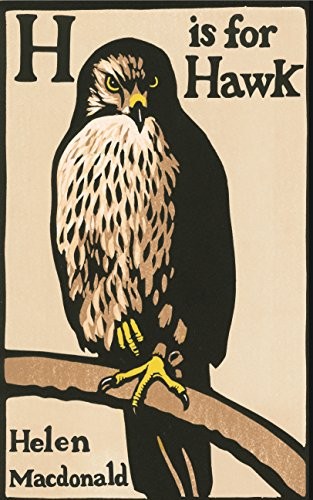
Helen Macdonald trains a goshawk to cope with her father’s death. It blends memoir, nature and T.H. White’s life. Beautifully written but somber. Content note: grief.
Best for: literary nature readers. Ages: 15+.
13. Silverwing by Kenneth Oppel
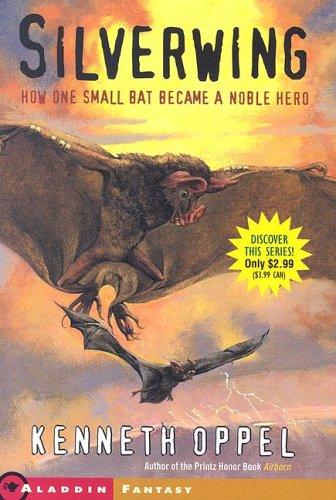
Shade, a young bat, is separated from his colony and faces owls and humans. It’s an exciting adventure and the first of a series.
Best for: fantasy and animal fans. Ages: 10+.
14. A Dog’s Purpose by W. Bruce Cameron
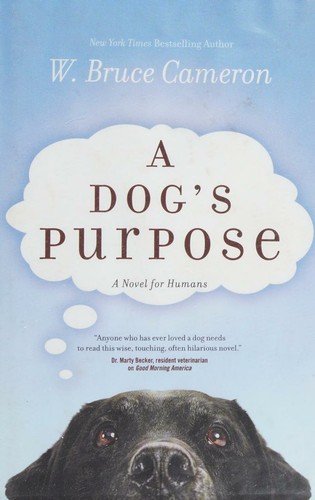
A dog is reincarnated many times, seeking his purpose. It’s sentimental and moving. Tearjerker. Content note: animal death.
Best for: dog-lover readers. Ages: 12+.
15. The Yearling by Marjorie Kinnan Rawlings
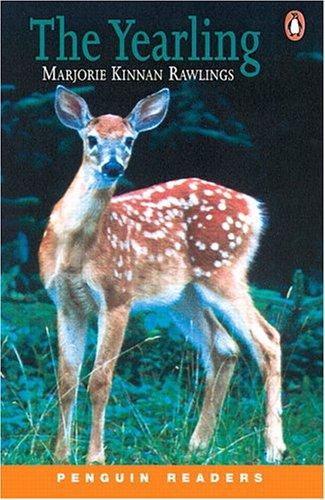
Jody Baxter adopts an orphaned fawn on a Florida farm. A Pulitzer Prize-winning novel about growing up. It has a sad moment. Content note: animal death.
Best for: classic readers. Ages: 13+.
How to Match a Animal Book to Your Teen
Teen readers want books that respect their intelligence and reflect real feelings. Begin with what your teen already enjoys, whether that is a show, a game or a favorite author, and choose a animal title that echoes it. Teens often prefer to pick for themselves, so offer a short stack instead of one assigned book. Read the content notes in this list, since some books cover mature themes, and talk openly about them. A short, fast-paced novel is a good way back into reading for someone who has drifted away, while avid readers may enjoy long series. Libraries, e-books and audiobooks all count as reading, and a teen who listens on a commute is still building vocabulary.
A Simple Reading Plan for Animal Books
Pick one title to try this month and set a small target, such as ten to twenty pages a day or one chapter before bed. Library apps and e-readers make animal books easy to carry, and audiobooks fill commutes and chores. If a book does not hook your teen within the first fifty pages, switching is fine. Not every book suits every reader. Encourage your teen to share what they are reading with friends, in a club or online, since talking about books keeps the habit alive. A short list of next reads on a phone note can help them keep going without searching each time.
Why Animal Books Matter for Teens
Reading animal books as a teen does more than pass time. Fiction and narrative nonfiction build empathy by letting readers live inside other people’s choices, and they strengthen the focus and vocabulary that school, college and work reward. Teens who read for pleasure tend to do better academically, and they often say books helped them feel less alone. A animal book can also be a bridge for conversation, giving parents and teens a safe way to talk about difficult subjects through characters instead of directly. Because teens are busy, the best strategy is to make reading easy and rewarding, which is exactly what a well-chosen book does.
Where to Find and How to Read These Books
You do not need to buy every title. A library card gives your teen free access to print books, e-books and audiobooks through apps such as Libby, and holds let you queue popular animal titles. Paperbacks are the best value, and used copies are plentiful for older bestsellers. E-readers and phones make books easy to carry, and audiobooks turn commutes, workouts and chores into reading time. Many schools also run reading lists and book clubs that use these titles. If your teen likes a book, check whether it has a sequel or a companion book, because finishing a series is often what turns a casual reader into a committed one.
After the Last Page: What to Read Next
When your teen finishes a book, the best next step is usually a short conversation, not a quiz. Ask what they thought of the ending, whether they would recommend it and what they want to read next. Then look for a sequel, another book by the same author or a similar animal title from this list. A shared reading list on a phone, a library hold queue or a school or online book club can keep the momentum going. If a book did not work, that is useful information about taste. Trying a few different books is how teens find what they love.
A Quick Checklist Before You Pick a Animal Book
Ask these questions before you borrow or buy:
- Does the opening grab your teen within the first chapter or two?
- Is the content, including violence, language and romance, right for their maturity?
- Is it standalone, or the start of a series they can binge?
- Does a library, e-book or audiobook copy exist so they can start immediately?
- Does it connect to something they already love, such as a show, game or hobby?
Questions to Talk About After Reading
These work for almost any book on this list:
- What do you think the author was really trying to say?
- Which character did you understand best, and which frustrated you?
- Did the ending feel earned?
- How does this book compare with others in the genre?
- Would you recommend it to a friend, and what would you say?
Tips for Choosing Animal Books for Teens
- Pick by feeling. Choose heartwarming or heartbreaking based on mood.
- Mix fiction and nonfiction. Memoirs and science writing show animals’ real lives.
- Watch for sad endings. Many animal classics include loss.
- Try audiobooks. Narrators help bring animal voices to life.
- Connect to action. After reading, volunteer at a shelter or wildlife center.
Related: 15 best animal books for middle schoolers and 15 best book club books for teens.
Frequently Asked Questions
What animal books should teens read?
Watership Down, Animal Farm, White Fang and The Art of Racing in the Rain are classics and favorites.
Are there animal books without sad endings?
All Creatures Great and Small and The Soul of an Octopus are warmer, with little sadness.
Is Animal Farm suitable for 13-year-olds?
Yes, it’s widely taught in middle and high school, and it works as an intro to political allegory.