
Disclosure: As an Amazon Associate, Bookish Wisdom earns from qualifying purchases. This doesn’t change our picks or your price.
Quick answer: These 15 historical fiction books suit middle schoolers (ages 10–13). Start with Number the Stars, Chains, Esperanza Rising, Out of the Dust, Bud, Not Buddy or Roll of Thunder, Hear My Cry. Each pick below has a short blurb, an age range and a content note where it matters.
Historical fiction makes the past feel alive. Instead of dates and treaties, readers meet children who lived through wars, migrations, slavery and the Great Depression, and they learn how history felt to ordinary people. This list collects fifteen strong titles for ages 10 to 13, spanning ancient and medieval times to the twentieth century. Some touch on serious topics such as the Holocaust and racism, and we note them. These books pair well with school units and spark great conversations at home. Choose one that matches a period your child is studying or one that surprises them.
Table of Contents
Quick Picks at a Glance
| Book | Author | Ages | Best For |
|---|---|---|---|
| Number the Stars | Lois Lowry | 9–13 | Holocaust-introduction readers |
| Chains | Laurie Halse Anderson | 11–14 | American Revolution readers |
| Esperanza Rising | Pam Muñoz Ryan | 9–13 | immigrant-story fans |
| Out of the Dust | Karen Hesse | 10–14 | poetry fans |
| Bud, Not Buddy | Christopher Paul Curtis | 9–13 | funny, hopeful readers |
| Roll of Thunder, Hear My Cry | Mildred D. Taylor | 10–14 | civil-rights history readers |
| Island of the Blue Dolphins | Scott O’Dell | 10–13 | survival-story fans |
| Johnny Tremain | Esther Forbes | 11–14 | Revolutionary War fans |
| Wolf Hollow | Lauren Wolk | 10–14 | thoughtful readers |
| Hattie Big Sky | Kirby Larson | 10–14 | pioneer-story fans |
| A Long Walk to Water | Linda Sue Park | 9–13 | true-story-inspired readers |
| Inside Out and Back Again | Thanhha Lai | 9–13 | verse novel fans |
| The War That Saved My Life | Kimberly Brubaker Bradley | 9–13 | emotional-story fans |
| Crispin: The Cross of Lead | Avi | 10–14 | medieval fans |
| The Birchbark House | Louise Erdrich | 8–12 | Native-history fans |
1. Number the Stars by Lois Lowry
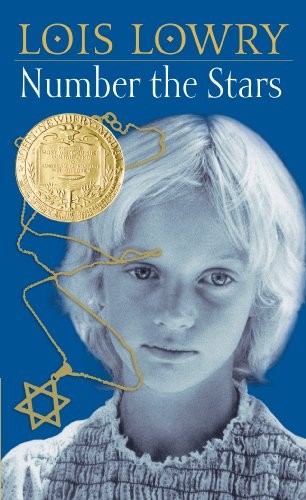
In 1943 Copenhagen, ten-year-old Annemarie helps her Jewish friend escape the Nazis. The story is suspenseful but gentle. It’s a good introduction to the Holocaust for younger readers. Content note: wartime danger.
Best for: Holocaust-introduction readers. Ages: 9–13.
2. Chains by Laurie Halse Anderson
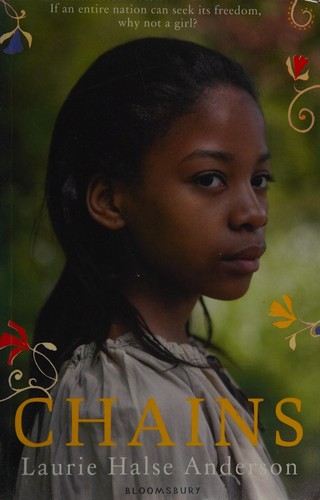
Isabel, an enslaved girl, spies for both sides during the Revolutionary War. The story exposes the contradictions of liberty. First of the Seeds of America trilogy. Content note: slavery and violence.
Best for: American Revolution readers. Ages: 11–14.
3. Esperanza Rising by Pam Muñoz Ryan
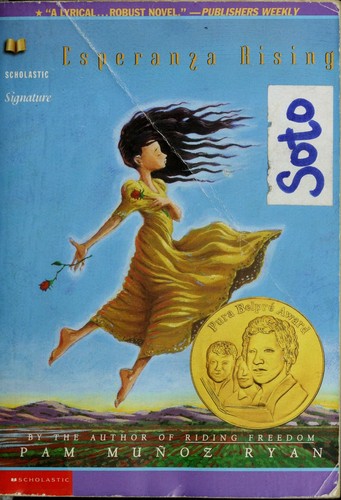
After her father’s death, Esperanza leaves her comfortable life in Mexico to work in California labor camps. Themes of resilience and class are central. The prose is lyrical.
Best for: immigrant-story fans. Ages: 9–13.
4. Out of the Dust by Karen Hesse
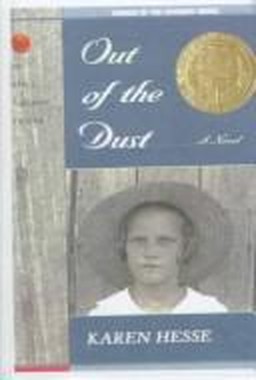
Told in free verse, a girl lives through the Dust Bowl and personal tragedy. It’s brief and moving. It won the Newbery Medal. Content note: a fire accident and loss.
Best for: poetry fans. Ages: 10–14.
5. Bud, Not Buddy by Christopher Paul Curtis
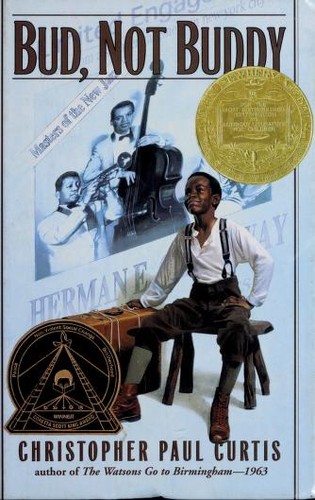
Ten-year-old Bud runs away in Depression-era Michigan to find his father, armed with a suitcase of clues. Funny and heartfelt, it won the Newbery. A fine read-aloud.
Best for: funny, hopeful readers. Ages: 9–13.
6. Roll of Thunder, Hear My Cry by Mildred D. Taylor
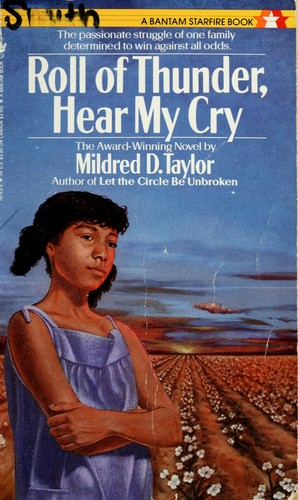
The Logan family stands up to racism in 1930s Mississippi. It’s powerful, honest and a classic. Contains racial slurs and violence. Content note: racism, racial slurs and violence.
Best for: civil-rights history readers. Ages: 10–14.
7. Island of the Blue Dolphins by Scott O’Dell
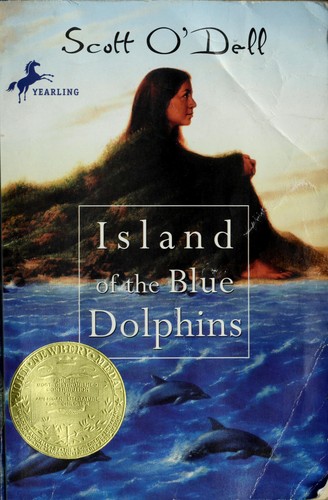
Karana, a Native American girl, lives alone on an island for years. Based on a true story, it’s a tale of resilience. Contains hunting and loss.
Best for: survival-story fans. Ages: 10–13.
8. Johnny Tremain by Esther Forbes
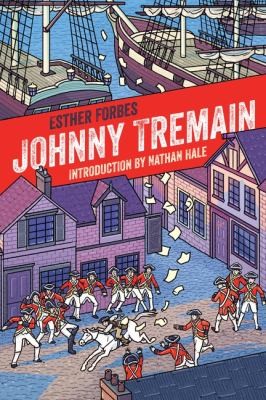
A Boston silversmith’s apprentice becomes a messenger for the Sons of Liberty. A classic Newbery winner that blends action with historical figures. The language is dated.
Best for: Revolutionary War fans. Ages: 11–14.
9. Wolf Hollow by Lauren Wolk
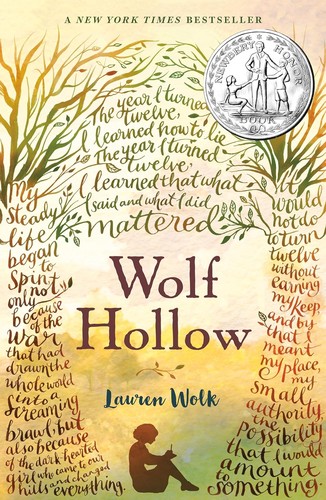
In 1943 Pennsylvania, Annabelle confronts a bully and a wounded veteran is blamed. The story is a moral drama about truth and prejudice. It involves bullying and violence. Content note: bullying and violence.
Best for: thoughtful readers. Ages: 10–14.
10. Hattie Big Sky by Kirby Larson
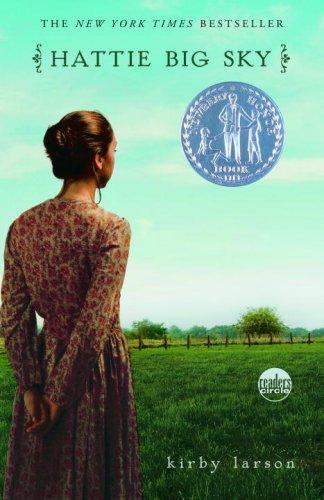
Sixteen-year-old Hattie moves to Montana to claim her uncle’s homestead in 1918. She faces hardship and anti-German feeling. A warm, gritty story.
Best for: pioneer-story fans. Ages: 10–14.
11. A Long Walk to Water by Linda Sue Park
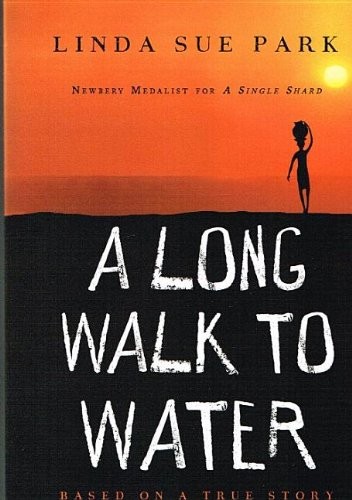
Two stories connect a boy fleeing war in Sudan and a girl fetching water in the present. Short and moving. A good starting point for global topics. Content note: war and hardship.
Best for: true-story-inspired readers. Ages: 9–13.
12. Inside Out and Back Again by Thanhha Lai
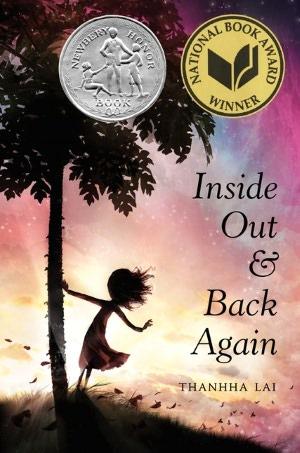
Ten-year-old Hà flees Vietnam in 1975 and adjusts to life in Alabama. Told in verse, it’s gentle and funny. A strong immigrant story.
Best for: verse novel fans. Ages: 9–13.
13. The War That Saved My Life by Kimberly Brubaker Bradley
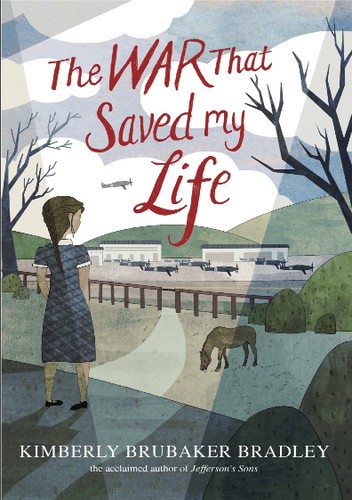
Ada, a girl with a clubfoot, escapes her abusive mother during London’s evacuation in WWII. It’s moving and hopeful. A Newbery Honor book. Content note: child abuse and war.
Best for: emotional-story fans. Ages: 9–13.
14. Crispin: The Cross of Lead by Avi
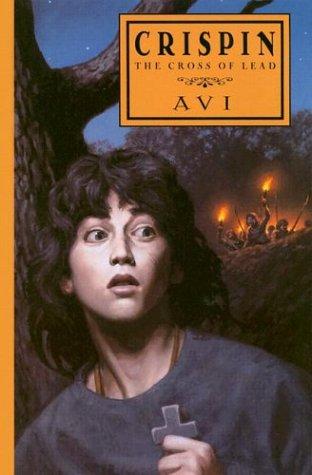
A 14th-century orphan flees after being accused of a crime and finds a mentor. A fast, vivid look at medieval England. Contains violence. Content note: violence.
Best for: medieval fans. Ages: 10–14.
15. The Birchbark House by Louise Erdrich
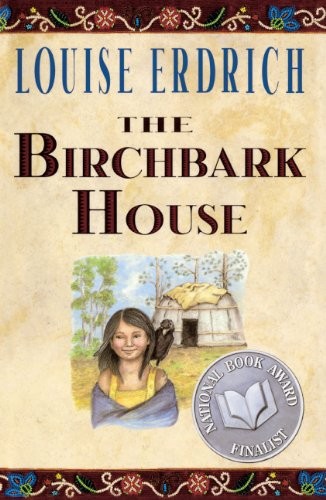
Omakayas, an Ojibwe girl, lives through a year on Madeline Island in 1847. The book is gentle and detailed. Includes an outbreak of smallpox. Content note: disease and loss.
Best for: Native-history fans. Ages: 8–12.
How to Match a Historical Fiction Book to Your Middle School
Middle school readers range widely. One eleven-year-old may still love illustrated chapter books, while another is ready for novels with darker themes. Start with the reader’s current favorites, then pick a historical fiction title with a similar length and pace. Look at the first page together: if your middle school can read it smoothly and wants to continue, it is a good fit. Short chapters and strong openings help hesitant readers, while avid readers can handle longer books and series. Pay attention to content notes in this list, and preview a book if your child is sensitive to a particular topic. When in doubt, offer two or three choices and let your child decide, because a book they choose is a book they are more likely to finish.
A Simple Reading Plan for Historical Fiction Books
Choose one book from the list to start this week and set a modest goal, such as twenty minutes a day. Keep a library card in use, since borrowing lets your child try several historical fiction books without cost. Read the same book yourself, or listen to it as an audiobook in the car, so you can chat about it at dinner. When your middle school finishes, ask which part they liked best and whether they want to try the next book in a series or a similar title from this list. A simple chart on the fridge can track finished books. Celebrate progress with a trip to the library or bookstore rather than with screen time or a prize.
Why Historical Fiction Books Matter for Middle Schoolers
Reading historical fiction books during the middle school years does more than fill free time. Children this age are building stamina for longer texts, growing their vocabulary and learning to follow complex plots, and they do those things best when they enjoy what they read. A book that fits their interests teaches them that reading is a source of pleasure, not only an assignment. It also gives you a way to talk about hard subjects, friendships and choices through characters, which can be easier than talking about their own lives. Research on reading habits repeatedly finds that children who read for fun do better in school, so a good historical fiction book is worth far more than its price.
Where to Find and How to Read These Books
Buying every book on this list is not necessary. Start at your public library, where you can borrow print copies, e-books and audiobooks with a free card, and use the holds feature for popular titles. Paperbacks are usually the best value for books your child will reread, and hardcovers hold up better for favorites that will be passed down. Used copies are often cheap, and a classroom or neighborhood swap can add variety. Large-print or dyslexia-friendly editions help some readers, and audiobooks are a good support for children who are building stamina. Whatever format you choose, keep a few historical fiction books visible on a shelf or by the bed so reading is the easy choice.
After the Last Page: What to Read Next
The last page of a book is a good moment to keep the momentum going. Ask your child what they liked, then look for the sequel, another book by the same author or a similar title from this list. Many children enjoy a small ritual, such as choosing the next historical fiction book at the library every week. If a book did not work, treat that as information, not failure; it simply tells you what to try next. Notice patterns, such as whether your child prefers short chapters, humor or fast plots, and use them to guide future picks. Over a few months, those small choices add up to a real reading habit.
A Quick Checklist Before You Pick a Historical Fiction Book
Ask these questions before you borrow or buy:
- Is the length right? A 150-page book is a confident win, while a 400-page book is a project.
- Does the first chapter hook your child within a few pages?
- Is the content right for their age and sensitivity?
- Is there a sequel or companion book waiting if they love it?
- Can you find it at your library so there is no risk?
Questions to Talk About After Reading
These work for almost any book on this list:
- What was your favorite part, and why?
- Which character would you want as a friend?
- What would you have done differently in the main character’s place?
- Did the ending surprise you?
- Which book from this list do you want to read next?
Tips for Choosing Historical Fiction Books for Middle Schoolers
- Match topic to curriculum. Choose a book from a period your child studies.
- Preview heavy themes. Some books involve war, slavery or racism.
- Add context. Look up maps, photographs and timelines together.
- Check authenticity. Notes and author’s notes help separate fact from fiction.
- Discuss perspective. Ask how the character’s view differs from your own.
Related: 15 best book club books for middle schoolers and 15 best books for reluctant readers in middle school.
Frequently Asked Questions
What are the best historical fiction books for 12-year-olds?
Number the Stars, Chains, Esperanza Rising and Bud, Not Buddy are widely loved.
Is Number the Stars suitable for 10-year-olds?
Many 10-year-olds can read it, with some talk about the Holocaust.
Why read historical fiction?
It builds empathy and understanding by showing history through people.