

Disclosure: As an Amazon Associate, Bookish Wisdom earns from qualifying purchases. This doesn’t change our picks or your price.
Quick answer: These 15 historical fiction books suit teens (ages 13 and up). Start with The Book Thief, All the Light We Cannot See, Between Shades of Gray, Code Name Verity, The Boy in the Striped Pajamas or The Nightingale. Each pick below has a short blurb, an age range and a content note where it matters.
Historical fiction lets teens step into worlds they could never visit. Through characters facing war, oppression, migration and upheaval, they see how history shaped real lives and how the past echoes today. This list collects fifteen of the best for ages 13 and up, from classics to modern YA. Many deal with war, genocide and violence, and we flag content. Pick one that matches a period your teen is studying, or a place they are curious about, and discuss as you go.
Table of Contents
Quick Picks at a Glance
| Book | Author | Ages | Best For |
|---|---|---|---|
| The Book Thief | Markus Zusak | 13+ | WWII fans |
| All the Light We Cannot See | Anthony Doerr | 14+ | literary readers |
| Between Shades of Gray | Ruta Sepetys | 13+ | less-known history readers |
| Code Name Verity | Elizabeth Wein | 14+ | spy-story fans |
| The Boy in the Striped Pajamas | John Boyne | 13+ | fable-style readers |
| The Nightingale | Kristin Hannah | 14+ | emotional-drama fans |
| Lovely War | Julie Berry | 14+ | romance-and-myth fans |
| The Girl in the Blue Coat | Monica Hesse | 13+ | mystery-and-WWII fans |
| All Quiet on the Western Front | Erich Maria Remarque | 14+ | antiwar classic readers |
| The Red Badge of Courage | Stephen Crane | 13+ | Civil War readers |
| A Tale of Two Cities | Charles Dickens | 14+ | classic-literature readers |
| Pachinko | Min Jin Lee | 15+ | family-saga readers |
| Salt to the Sea | Ruta Sepetys | 13+ | WWII fans |
| Dread Nation | Justina Ireland | 14+ | alt-history fans |
| Fallen Angels | Walter Dean Myers | 14+ | Vietnam War readers |
1. The Book Thief by Markus Zusak
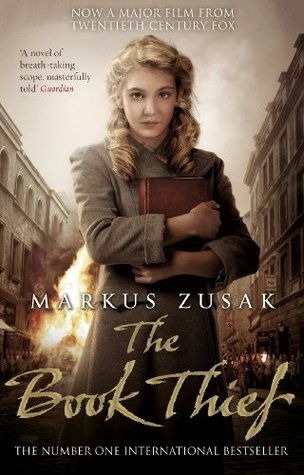
Narrated by Death, this story follows Liesel, a girl in Nazi Germany who steals books and shares them with a hidden Jewish man. It’s lyrical and moving. A modern YA classic. Content note: death, war and Holocaust.
Best for: WWII fans. Ages: 13+.
2. All the Light We Cannot See by Anthony Doerr
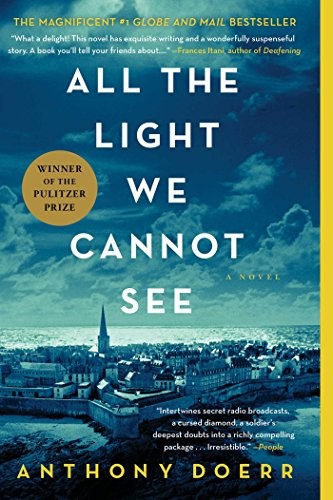
A blind French girl and a German boy on opposite sides of WWII cross paths. The Pulitzer-winning novel has short chapters and gorgeous prose. It has some wartime violence. Content note: war violence and one assault.
Best for: literary readers. Ages: 14+.
3. Between Shades of Gray by Ruta Sepetys
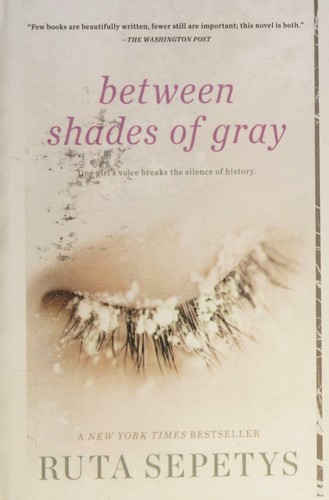
Lina, a Lithuanian teen, is deported to Siberia by the Soviets in 1941. A harrowing story of survival that sheds light on a lesser-known history. Intense. Content note: violence, starvation and death.
Best for: less-known history readers. Ages: 13+.
4. Code Name Verity by Elizabeth Wein
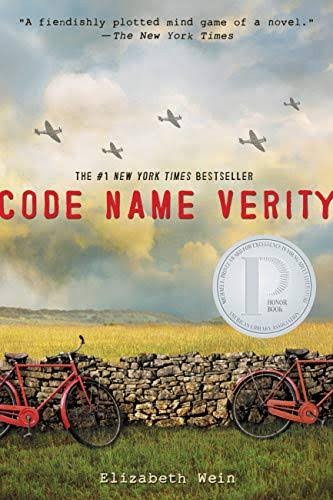
Two young women, a spy and a pilot, become friends in WWII. The story is told in a confession written in Nazi custody. It’s gripping with twists. Content note: torture and war violence.
Best for: spy-story fans. Ages: 14+.
5. The Boy in the Striped Pajamas by John Boyne
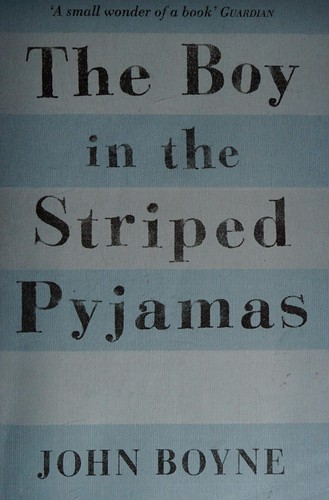
Nine-year-old Bruno befriends a boy behind a fence in Auschwitz. It’s a fable-like tale, and some historians criticize its accuracy. It remains widely read. Content note: Holocaust themes.
Best for: fable-style readers. Ages: 13+.
6. The Nightingale by Kristin Hannah
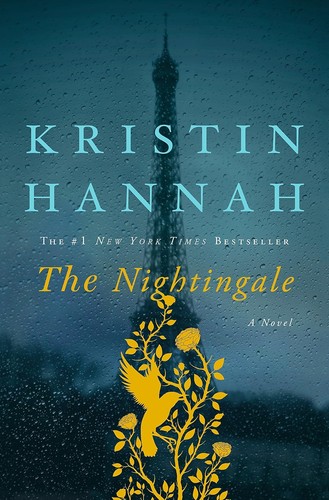
Two sisters in occupied France resist the Nazis in different ways. It’s a bestseller about courage. Contains violence and sexual assault. Content note: sexual assault and war violence.
Best for: emotional-drama fans. Ages: 14+.
7. Lovely War by Julie Berry
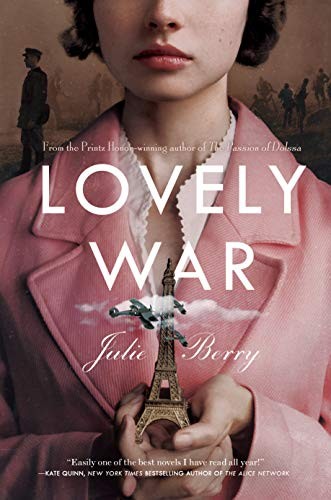
Greek gods narrate a love story set during World War I. It combines history and mythology. A unique and romantic read.
Best for: romance-and-myth fans. Ages: 14+.
8. The Girl in the Blue Coat by Monica Hesse
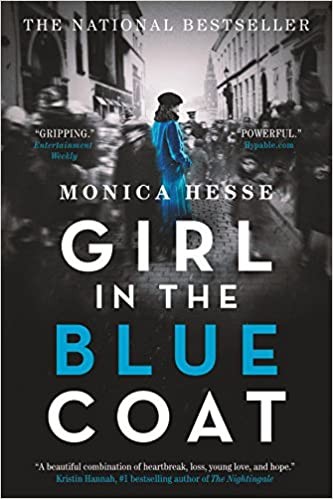
A teenager in occupied Amsterdam finds hidden Jews and searches for a missing girl. A mystery set in the Holocaust. Suspenseful. Content note: Holocaust themes.
Best for: mystery-and-WWII fans. Ages: 13+.
9. All Quiet on the Western Front by Erich Maria Remarque
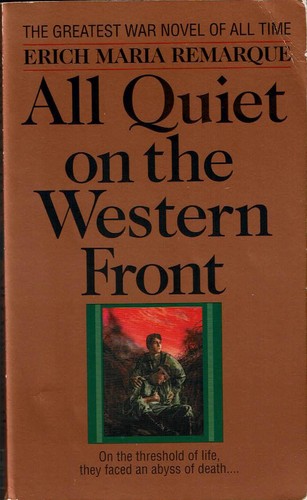
A young German soldier describes the horrors and futility of WWI. It’s a powerful antiwar classic. Contains graphic violence. Content note: graphic war violence.
Best for: antiwar classic readers. Ages: 14+.
10. The Red Badge of Courage by Stephen Crane
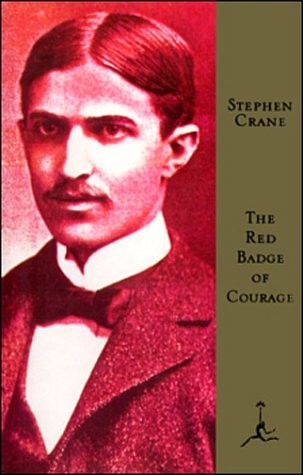
Henry Fleming, a young Union soldier, faces fear in battle. The short novel is psychological and vivid. The style is dated. Content note: war violence.
Best for: Civil War readers. Ages: 13+.
11. A Tale of Two Cities by Charles Dickens
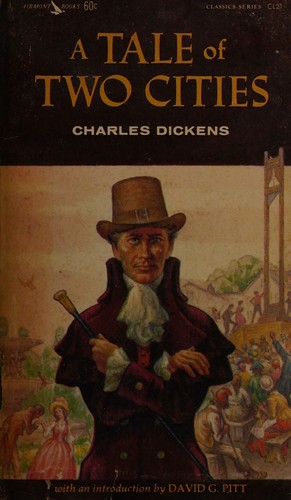
London and Paris collide during the French Revolution. The opening and the ending are famous. A long Dickens novel with a satisfying plot.
Best for: classic-literature readers. Ages: 14+.
12. Pachinko by Min Jin Lee
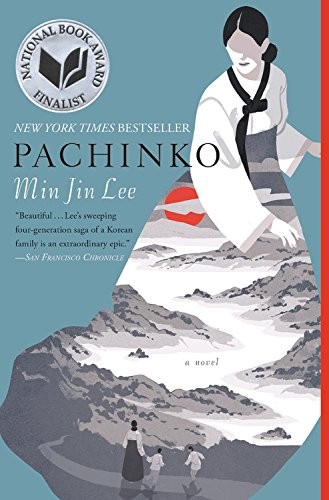
Four generations of a Korean family in Japan face discrimination and change. It’s a sweeping, immersive novel. Contains mature themes. Content note: discrimination, violence and sexual content.
Best for: family-saga readers. Ages: 15+.
13. Salt to the Sea by Ruta Sepetys
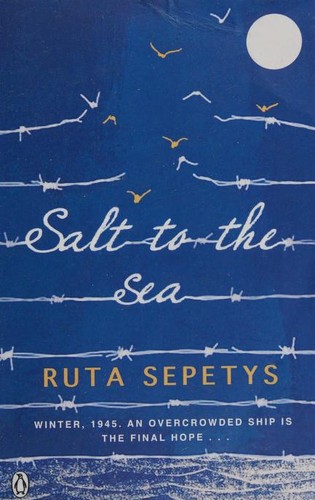
Four teenagers converge on a ship during the WWII evacuation of East Prussia. The story reveals the Wilhelm Gustloff disaster. It’s moving and fast. Content note: war violence and loss.
Best for: WWII fans. Ages: 13+.
14. Dread Nation by Justina Ireland
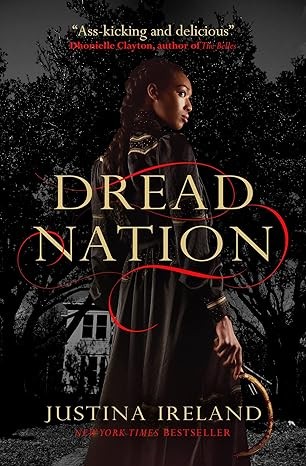
In an alternate post-Civil War America, the dead rise and Black and Native girls train as zombie fighters. It combines history, horror and social commentary. Intense. Content note: violence and racism.
Best for: alt-history fans. Ages: 14+.
15. Fallen Angels by Walter Dean Myers
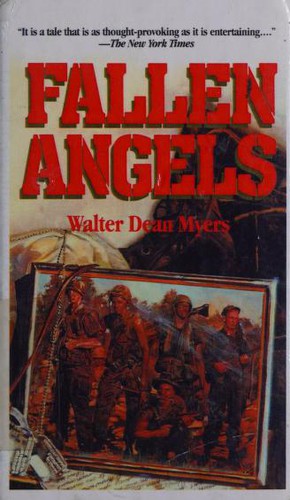
Seventeen-year-old Richie Perry enlists and faces combat in Vietnam. The novel is a grim, honest look at war. It has been challenged for language. Content note: war violence and strong language.
Best for: Vietnam War readers. Ages: 14+.
How to Match a Historical Fiction Book to Your Teen
Teen readers want books that respect their intelligence and reflect real feelings. Begin with what your teen already enjoys, whether that is a show, a game or a favorite author, and choose a historical fiction title that echoes it. Teens often prefer to pick for themselves, so offer a short stack instead of one assigned book. Read the content notes in this list, since some books cover mature themes, and talk openly about them. A short, fast-paced novel is a good way back into reading for someone who has drifted away, while avid readers may enjoy long series. Libraries, e-books and audiobooks all count as reading, and a teen who listens on a commute is still building vocabulary.
A Simple Reading Plan for Historical Fiction Books
Pick one title to try this month and set a small target, such as ten to twenty pages a day or one chapter before bed. Library apps and e-readers make historical fiction books easy to carry, and audiobooks fill commutes and chores. If a book does not hook your teen within the first fifty pages, switching is fine. Not every book suits every reader. Encourage your teen to share what they are reading with friends, in a club or online, since talking about books keeps the habit alive. A short list of next reads on a phone note can help them keep going without searching each time.
Why Historical Fiction Books Matter for Teens
Reading historical fiction books as a teen does more than pass time. Fiction and narrative nonfiction build empathy by letting readers live inside other people’s choices, and they strengthen the focus and vocabulary that school, college and work reward. Teens who read for pleasure tend to do better academically, and they often say books helped them feel less alone. A historical fiction book can also be a bridge for conversation, giving parents and teens a safe way to talk about difficult subjects through characters instead of directly. Because teens are busy, the best strategy is to make reading easy and rewarding, which is exactly what a well-chosen book does.
Where to Find and How to Read These Books
You do not need to buy every title. A library card gives your teen free access to print books, e-books and audiobooks through apps such as Libby, and holds let you queue popular historical fiction titles. Paperbacks are the best value, and used copies are plentiful for older bestsellers. E-readers and phones make books easy to carry, and audiobooks turn commutes, workouts and chores into reading time. Many schools also run reading lists and book clubs that use these titles. If your teen likes a book, check whether it has a sequel or a companion book, because finishing a series is often what turns a casual reader into a committed one.
After the Last Page: What to Read Next
When your teen finishes a book, the best next step is usually a short conversation, not a quiz. Ask what they thought of the ending, whether they would recommend it and what they want to read next. Then look for a sequel, another book by the same author or a similar historical fiction title from this list. A shared reading list on a phone, a library hold queue or a school or online book club can keep the momentum going. If a book did not work, that is useful information about taste. Trying a few different books is how teens find what they love.
A Quick Checklist Before You Pick a Historical Fiction Book
Ask these questions before you borrow or buy:
- Does the opening grab your teen within the first chapter or two?
- Is the content, including violence, language and romance, right for their maturity?
- Is it standalone, or the start of a series they can binge?
- Does a library, e-book or audiobook copy exist so they can start immediately?
- Does it connect to something they already love, such as a show, game or hobby?
Questions to Talk About After Reading
These work for almost any book on this list:
- What do you think the author was really trying to say?
- Which character did you understand best, and which frustrated you?
- Did the ending feel earned?
- How does this book compare with others in the genre?
- Would you recommend it to a friend, and what would you say?
Tips for Choosing Historical Fiction Books for Teens
- Check intensity. Many books involve war and atrocity, so choose with maturity in mind.
- Pair with nonfiction. Add a memoir or documentary to deepen understanding.
- Use maps and timelines. Visual context helps readers keep track.
- Discuss accuracy. Ask what is real and what is invented.
- Read in pairs. Reading with a parent or friend helps with heavy subjects.
Related: 15 best historical fiction books for middle schoolers and 15 best book club books for teens.
Frequently Asked Questions
What are the best historical fiction books for teens?
The Book Thief, Code Name Verity, The Nightingale and All the Light We Cannot See are among the most loved.
Is The Book Thief appropriate for 13-year-olds?
Many 13-year-olds read it, but it deals with death and war, so a conversation helps.
What WWII books suit teenagers?
Between Shades of Gray, Salt to the Sea and The Girl in the Blue Coat are popular choices.