
Disclosure: As an Amazon Associate, Bookish Wisdom earns from qualifying purchases. This doesn’t change our picks or your price.
Quick answer: These 15 science fiction books suit middle schoolers (ages 10–13). Start with A Wrinkle in Time, Ender’s Game, The Last Cuentista, Space Case, The White Mountains or Sal and Gabi Break the Universe. Each pick below has a short blurb, an age range and a content note where it matters.
Science fiction invites middle schoolers to ask big questions: what if we lived on Mars, met aliens or built a robot friend? The genre mixes imagination with real science, and it often leads readers to curiosity about space, technology and the future. This list collects fifteen titles for ages 10 to 13, including classics, modern adventures and a couple of nonfiction picks for curious scientists. Most are age-appropriate, and a few have heavier themes like war or loss, which we flag. Choose one to launch a science-fair idea or a space-themed reading challenge.
Table of Contents
Quick Picks at a Glance
| Book | Author | Ages | Best For |
|---|---|---|---|
| A Wrinkle in Time | Madeleine L’Engle | 9–13 | classic fans |
| Ender’s Game | Orson Scott Card | 12–14 | strategy fans |
| The Last Cuentista | Donna Barba Higuera | 10–14 | story-driven readers |
| Space Case | Stuart Gibbs | 9–13 | humorous mystery fans |
| The White Mountains | John Christopher | 10–14 | classic dystopian-sci-fi fans |
| Sal and Gabi Break the Universe | Carlos Hernandez | 9–13 | funny sci-fi fans |
| Cosmic | Frank Cottrell Boyce | 9–13 | humor and heart fans |
| Alien in My Pocket: Blast Off! | Nate Ball | 7–11 | early chapter readers |
| George’s Secret Key to the Universe | Lucy Hawking and Stephen Hawking | 8–12 | science-curious readers |
| Astrophysics for Young People in a Hurry | Neil deGrasse Tyson and Gregory Mone | 10–14 | nonfiction fans |
| Cleopatra in Space: Target Practice | Mike Maihack | 8–12 | graphic-novel fans |
| Space Dumplins | Craig Thompson | 9–13 | imaginative graphic-novel fans |
| The Time Machine | H.G. Wells | 11–14 | classic fans |
| I Am Number Four | Pittacus Lore | 12–14 | action fans |
| Mars Evacuees | Sophia McDougall | 9–13 | adventure and humor fans |
1. A Wrinkle in Time by Madeleine L’Engle
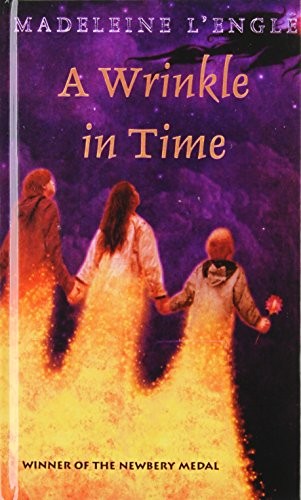
Meg Murry travels through space and time to rescue her father with her brother and a friend. A Newbery winner that mixes science and fantasy. Some find the style old-fashioned.
Best for: classic fans. Ages: 9–13.
2. Ender’s Game by Orson Scott Card
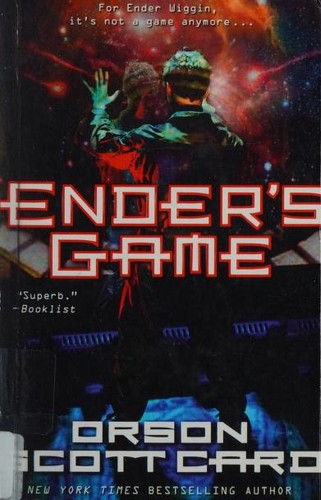
Andrew ‘Ender’ Wiggin is trained in a space military school to fight an alien race. A gripping story about leadership and cost. It has bullying and violence. Content note: violence and bullying.
Best for: strategy fans. Ages: 12–14.
3. The Last Cuentista by Donna Barba Higuera
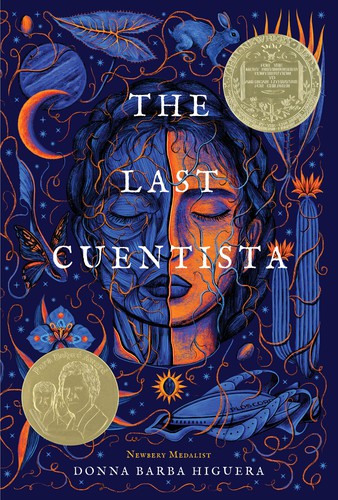
As Earth is destroyed, Petra Peña travels in stasis to a new planet and must preserve stories. A Newbery winner with a Mexican American heroine. It has loss and menace. Content note: loss and peril.
Best for: story-driven readers. Ages: 10–14.
4. Space Case by Stuart Gibbs
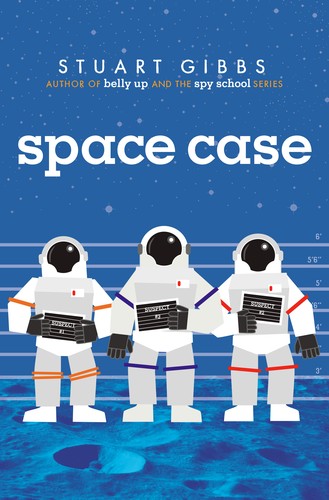
On a moon base, a death sparks a mystery solved by twelve-year-old Dashiell. It’s funny and fast. The first of the Moon Base Alpha series.
Best for: humorous mystery fans. Ages: 9–13.
5. The White Mountains by John Christopher
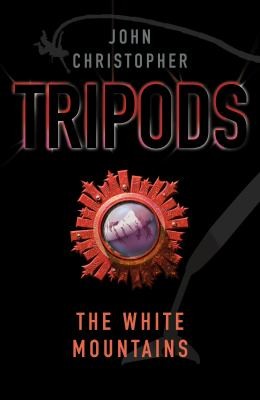
In a future where aliens rule, boys flee to the White Mountains rather than be capped at 14. First of the Tripods trilogy. Fast and thoughtful.
Best for: classic dystopian-sci-fi fans. Ages: 10–14.
6. Sal and Gabi Break the Universe by Carlos Hernandez
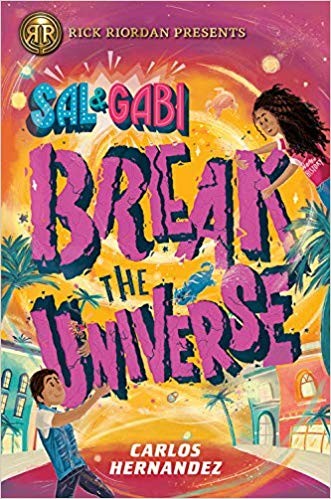
Sal can pull things out of other universes, and trouble follows. It’s funny, warm and full of Cuban American culture. First of a trilogy.
Best for: funny sci-fi fans. Ages: 9–13.
7. Cosmic by Frank Cottrell Boyce
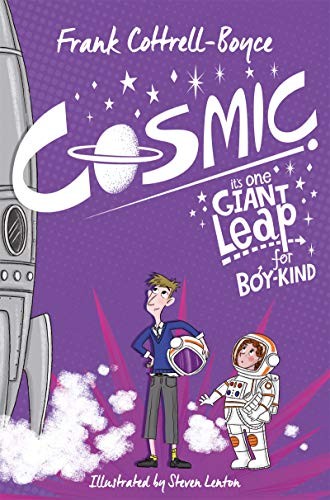
Twelve-year-old Liam looks old for his age and is mistaken for an adult, leading to a trip into space. It’s witty and moving. A great family read.
Best for: humor and heart fans. Ages: 9–13.
8. Alien in My Pocket: Blast Off! by Nate Ball
Zack finds a tiny alien who needs help repairing his ship. Science facts are woven into the fun. Short chapters help younger middle graders.
Best for: early chapter readers. Ages: 7–11.
9. George’s Secret Key to the Universe by Lucy Hawking and Stephen Hawking
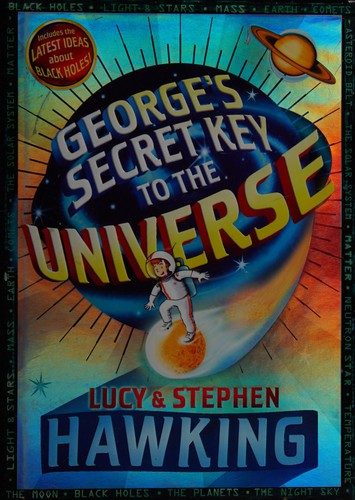
George’s neighbor shows him a supercomputer that opens doors to the cosmos. The story teaches real physics. Includes diagrams and photos.
Best for: science-curious readers. Ages: 8–12.
10. Astrophysics for Young People in a Hurry by Neil deGrasse Tyson and Gregory Mone
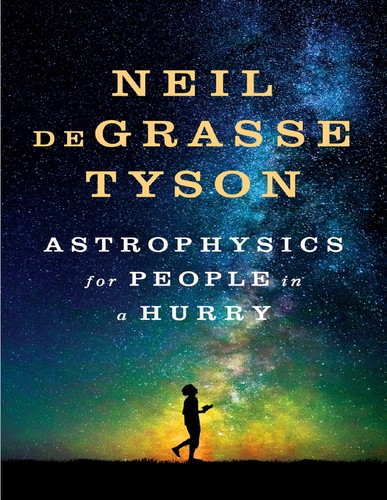
This adaptation explains black holes, dark matter and the Big Bang in clear terms. A good pick for kids who want facts. Sparks great questions.
Best for: nonfiction fans. Ages: 10–14.
11. Cleopatra in Space: Target Practice by Mike Maihack
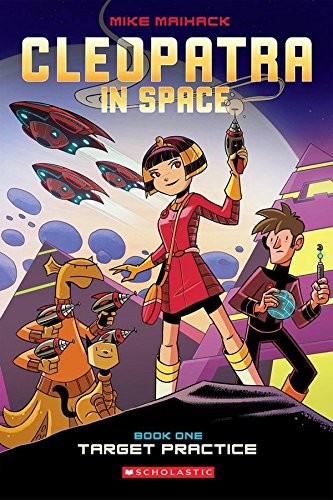
Teen Cleopatra is whisked to the future and trained to fight evil. Fun art and a lively heroine. The first of a series.
Best for: graphic-novel fans. Ages: 8–12.
12. Space Dumplins by Craig Thompson
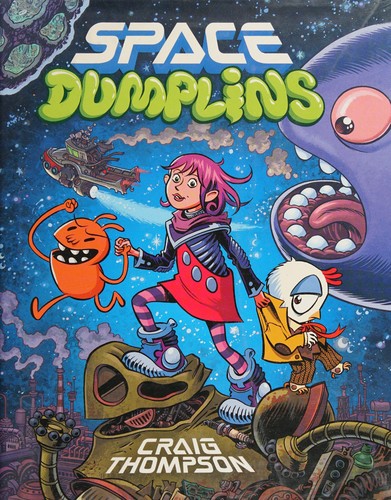
Violet’s father vanishes, and she sets out across space with a ragtag crew. Colorful art and quirky characters. A graphic novel about family and adventure.
Best for: imaginative graphic-novel fans. Ages: 9–13.
13. The Time Machine by H.G. Wells
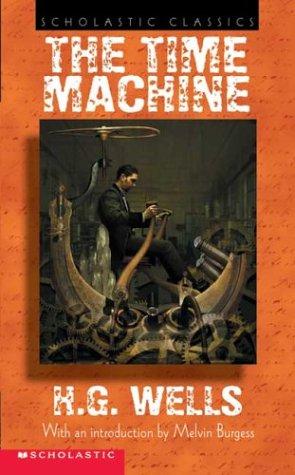
A scientist travels to the far future and finds the Eloi and Morlocks. A short classic that launched time travel. The language is Victorian. Content note: dark themes and period language.
Best for: classic fans. Ages: 11–14.
14. I Am Number Four by Pittacus Lore
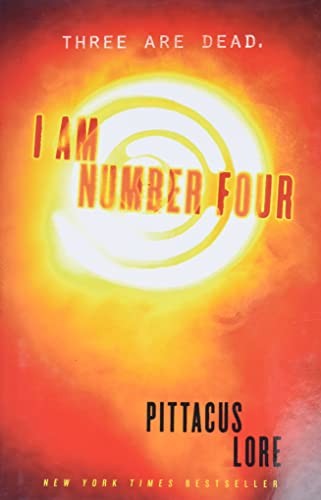
John Smith is an alien hiding on Earth while hunters track him. It’s action-packed. A film was based on it. Content note: action violence.
Best for: action fans. Ages: 12–14.
15. Mars Evacuees by Sophia McDougall
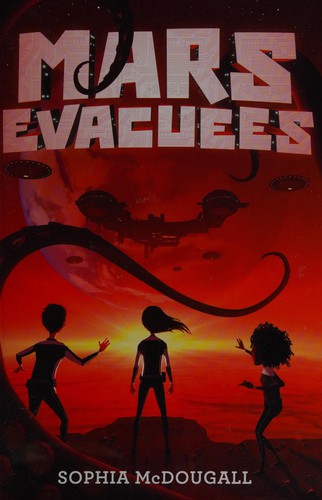
Children are evacuated to Mars during an alien invasion of Earth. Witty and clever. Features a strong heroine.
Best for: adventure and humor fans. Ages: 9–13.
How to Match a Science Fiction Book to Your Middle School
Middle school readers range widely. One eleven-year-old may still love illustrated chapter books, while another is ready for novels with darker themes. Start with the reader’s current favorites, then pick a science fiction title with a similar length and pace. Look at the first page together: if your middle school can read it smoothly and wants to continue, it is a good fit. Short chapters and strong openings help hesitant readers, while avid readers can handle longer books and series. Pay attention to content notes in this list, and preview a book if your child is sensitive to a particular topic. When in doubt, offer two or three choices and let your child decide, because a book they choose is a book they are more likely to finish.
A Simple Reading Plan for Science Fiction Books
Choose one book from the list to start this week and set a modest goal, such as twenty minutes a day. Keep a library card in use, since borrowing lets your child try several science fiction books without cost. Read the same book yourself, or listen to it as an audiobook in the car, so you can chat about it at dinner. When your middle school finishes, ask which part they liked best and whether they want to try the next book in a series or a similar title from this list. A simple chart on the fridge can track finished books. Celebrate progress with a trip to the library or bookstore rather than with screen time or a prize.
Why Science Fiction Books Matter for Middle Schoolers
Reading science fiction books during the middle school years does more than fill free time. Children this age are building stamina for longer texts, growing their vocabulary and learning to follow complex plots, and they do those things best when they enjoy what they read. A book that fits their interests teaches them that reading is a source of pleasure, not only an assignment. It also gives you a way to talk about hard subjects, friendships and choices through characters, which can be easier than talking about their own lives. Research on reading habits repeatedly finds that children who read for fun do better in school, so a good science fiction book is worth far more than its price.
Where to Find and How to Read These Books
Buying every book on this list is not necessary. Start at your public library, where you can borrow print copies, e-books and audiobooks with a free card, and use the holds feature for popular titles. Paperbacks are usually the best value for books your child will reread, and hardcovers hold up better for favorites that will be passed down. Used copies are often cheap, and a classroom or neighborhood swap can add variety. Large-print or dyslexia-friendly editions help some readers, and audiobooks are a good support for children who are building stamina. Whatever format you choose, keep a few science fiction books visible on a shelf or by the bed so reading is the easy choice.
After the Last Page: What to Read Next
The last page of a book is a good moment to keep the momentum going. Ask your child what they liked, then look for the sequel, another book by the same author or a similar title from this list. Many children enjoy a small ritual, such as choosing the next science fiction book at the library every week. If a book did not work, treat that as information, not failure; it simply tells you what to try next. Notice patterns, such as whether your child prefers short chapters, humor or fast plots, and use them to guide future picks. Over a few months, those small choices add up to a real reading habit.
A Quick Checklist Before You Pick a Science Fiction Book
Ask these questions before you borrow or buy:
- Is the length right? A 150-page book is a confident win, while a 400-page book is a project.
- Does the first chapter hook your child within a few pages?
- Is the content right for their age and sensitivity?
- Is there a sequel or companion book waiting if they love it?
- Can you find it at your library so there is no risk?
Questions to Talk About After Reading
These work for almost any book on this list:
- What was your favorite part, and why?
- Which character would you want as a friend?
- What would you have done differently in the main character’s place?
- Did the ending surprise you?
- Which book from this list do you want to read next?
Tips for Choosing Science Fiction Books for Middle Schoolers
- Mix fiction and facts. Pair a novel with a nonfiction space book.
- Visit a planetarium. Seeing the night sky adds context.
- Try graphic sci-fi. Titles like Cleopatra in Space are fun for visual readers.
- Check for violence. Ender’s Game and I Am Number Four are more intense.
- Encourage questions. Ask what the author imagined and what is real.
Related: 15 best book club books for middle schoolers and 15 best books for reluctant readers in middle school.
Frequently Asked Questions
What science fiction books are good for 11-year-olds?
A Wrinkle in Time, Cosmic, Space Case and The Last Cuentista are popular and age-appropriate.
Is Ender’s Game appropriate for middle school?
It’s often read at 12 or older because of violence and themes.
What sci-fi book is best for a child who loves space?
Astrophysics for Young People in a Hurry and George’s Secret Key to the Universe blend story and science.