
Disclosure: As an Amazon Associate, Bookish Wisdom earns from qualifying purchases. This doesn’t change our picks or your price.
Quick answer: These 15 science fiction books suit teens (ages 13 and up). Start with Dune, Illuminae, Cinder, Scythe, Red Rising or Project Hail Mary. Each pick below has a short blurb, an age range and a content note where it matters.
Science fiction lets teens explore the future, technology and what it means to be human. From epic space operas to near-future thrillers, the genre has books for every taste. This list brings together fifteen strong picks for ages 13 and up, mixing classics and new favorites. Some contain violence, mature themes or complex science, and we mark them. Whether your teen loves aliens, robots or big ideas, the shelf below offers a launch pad.
Table of Contents
Quick Picks at a Glance
| Book | Author | Ages | Best For |
|---|---|---|---|
| Dune | Frank Herbert | 14+ | epic readers |
| Illuminae | Amie Kaufman and Jay Kristoff | 14+ | format-lovers |
| Cinder | Marissa Meyer | 13+ | retelling fans |
| Scythe | Neal Shusterman | 14+ | big-idea readers |
| Red Rising | Pierce Brown | 16+ | action fans |
| Project Hail Mary | Andy Weir | 14+ | science-and-humor fans |
| Station Eleven | Emily St. John Mandel | 15+ | literary readers |
| Dark Matter | Blake Crouch | 15+ | thriller fans |
| The Three-Body Problem | Liu Cixin | 15+ | hard-sci-fi fans |
| Kindred | Octavia E. Butler | 15+ | time-travel-and-history readers |
| Foundation | Isaac Asimov | 13+ | classic readers |
| I, Robot | Isaac Asimov | 13+ | robot fans |
| The War of the Worlds | H.G. Wells | 13+ | classic invasion fans |
| The Left Hand of Darkness | Ursula K. Le Guin | 15+ | thoughtful readers |
| The Long Way to a Small, Angry Planet | Becky Chambers | 14+ | cozy sci-fi fans |
1. Dune by Frank Herbert
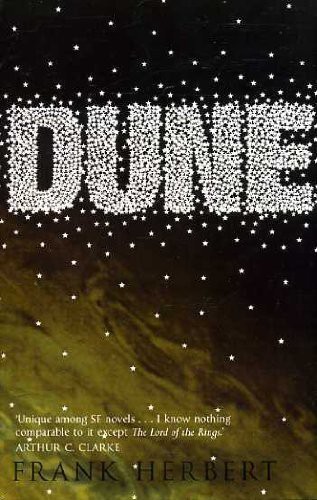
Paul Atreides’ family takes control of the desert planet Arrakis, source of the universe’s most valuable substance. A masterpiece of world-building, politics and ecology. It’s long and dense. Content note: violence and political intrigue.
Best for: epic readers. Ages: 14+.
2. Illuminae by Amie Kaufman and Jay Kristoff
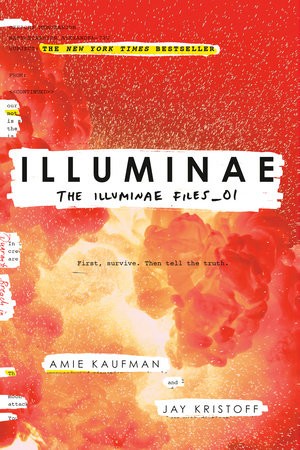
After a planet is attacked, survivors flee on a ship with a rogue AI. The story is told through files, chat logs and graphics. It’s thrilling and fast. Content note: violence and language.
Best for: format-lovers. Ages: 14+.
3. Cinder by Marissa Meyer
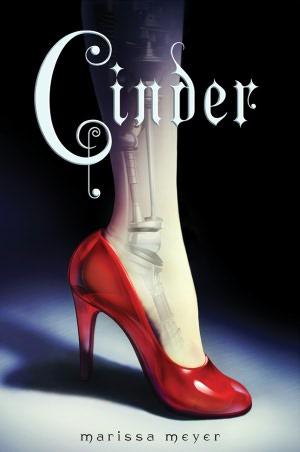
A cyborg mechanic in New Beijing becomes entangled in a royal plot in this sci-fi Cinderella. Fun, fast and the start of the Lunar Chronicles.
Best for: retelling fans. Ages: 13+.
4. Scythe by Neal Shusterman
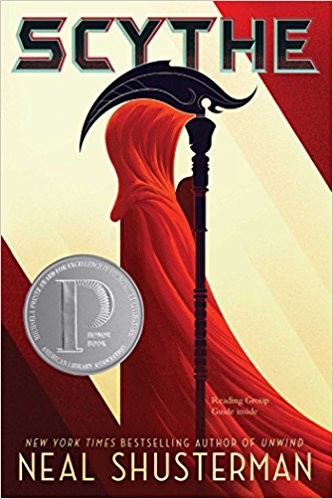
In a world without death, scythes are tasked with killing to control population. Two teens apprentice under them. Dark but thought-provoking. Content note: killing and moral questions.
Best for: big-idea readers. Ages: 14+.
5. Red Rising by Pierce Brown
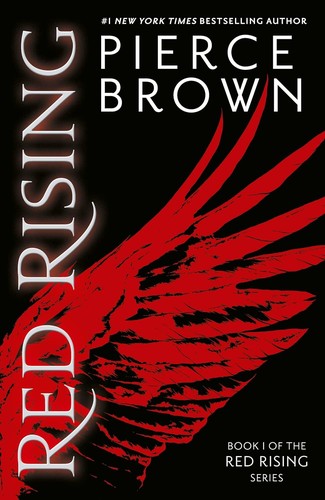
Darrow, a laborer on Mars, infiltrates the ruling class. A brutal, addictive saga. Contains graphic violence. Content note: graphic violence.
Best for: action fans. Ages: 16+.
6. Project Hail Mary by Andy Weir
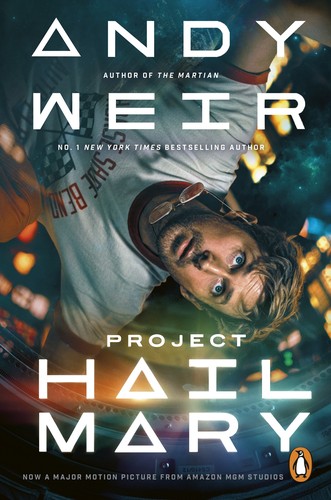
An astronaut wakes with no memory aboard a ship and must save Earth. It’s funny, clever and moving. Contains some strong language. Content note: strong language.
Best for: science-and-humor fans. Ages: 14+.
7. Station Eleven by Emily St. John Mandel
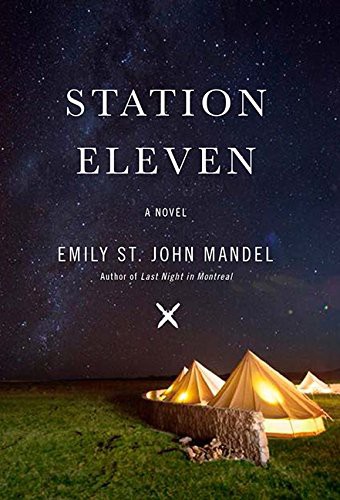
After a flu pandemic, a traveling troupe performs Shakespeare. The book weaves past and present. Quiet and haunting. Content note: pandemic and death.
Best for: literary readers. Ages: 15+.
8. Dark Matter by Blake Crouch
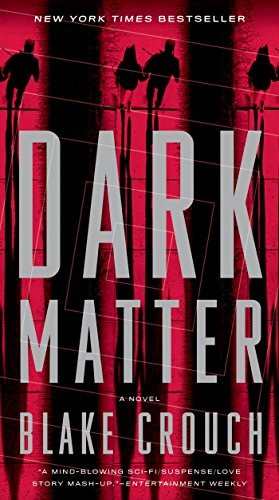
A physicist is abducted and wakes in a different version of his life. A fast, mind-bending thriller. Contains language and violence. Content note: violence and language.
Best for: thriller fans. Ages: 15+.
9. The Three-Body Problem by Liu Cixin
During China’s Cultural Revolution, a secret contact with aliens sets humanity on a collision course. Ideas are huge and the science is dense. It starts a trilogy. Content note: violence and political turmoil.
Best for: hard-sci-fi fans. Ages: 15+.
10. Kindred by Octavia E. Butler
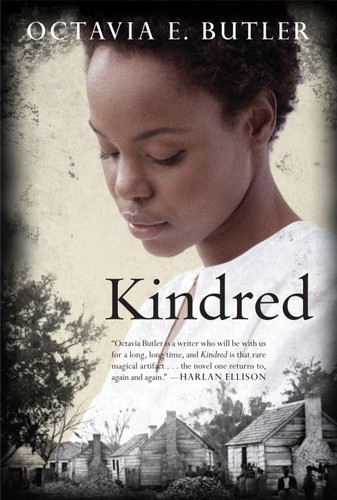
Dana is pulled from 1976 California to an antebellum plantation. A powerful blend of science fiction and history. Deals with slavery. Content note: slavery, violence and sexual assault.
Best for: time-travel-and-history readers. Ages: 15+.
11. Foundation by Isaac Asimov
Mathematician Hari Seldon predicts the fall of the Galactic Empire and creates a plan to shorten the dark age. A landmark of sci-fi. Idea-driven.
Best for: classic readers. Ages: 13+.
12. I, Robot by Isaac Asimov
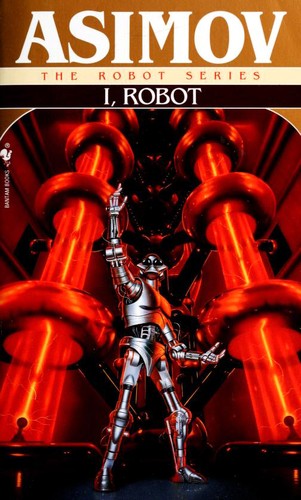
Linked stories explore the Three Laws of Robotics and their consequences. Smart and fast. A foundation for modern robot stories.
Best for: robot fans. Ages: 13+.
13. The War of the Worlds by H.G. Wells
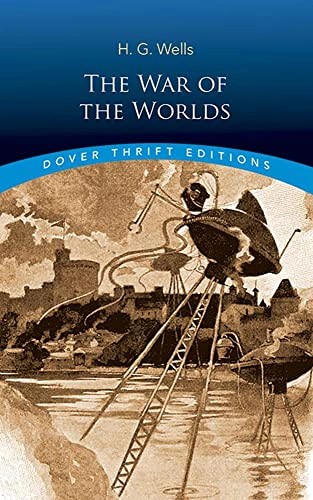
Martians invade England in this foundational alien invasion tale. Short and tense. Victorian prose. Content note: violence and destruction.
Best for: classic invasion fans. Ages: 13+.
14. The Left Hand of Darkness by Ursula K. Le Guin
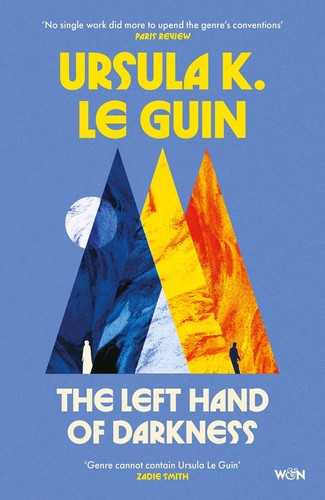
An envoy visits a planet where people have no fixed gender. A classic exploring identity and politics. Slow but rewarding. Content note: mature themes.
Best for: thoughtful readers. Ages: 15+.
15. The Long Way to a Small, Angry Planet by Becky Chambers
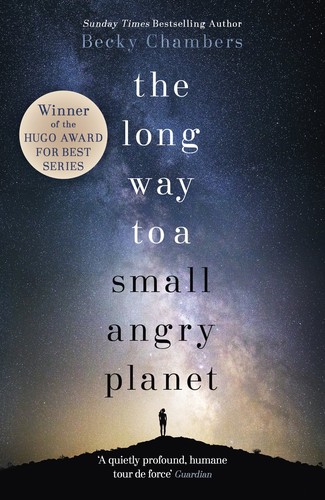
A diverse crew of a tunneling ship travels across the galaxy. Warm, character-driven, with mild stakes. A gentle space opera.
Best for: cozy sci-fi fans. Ages: 14+.
How to Match a Science Fiction Book to Your Teen
Teen readers want books that respect their intelligence and reflect real feelings. Begin with what your teen already enjoys, whether that is a show, a game or a favorite author, and choose a science fiction title that echoes it. Teens often prefer to pick for themselves, so offer a short stack instead of one assigned book. Read the content notes in this list, since some books cover mature themes, and talk openly about them. A short, fast-paced novel is a good way back into reading for someone who has drifted away, while avid readers may enjoy long series. Libraries, e-books and audiobooks all count as reading, and a teen who listens on a commute is still building vocabulary.
A Simple Reading Plan for Science Fiction Books
Pick one title to try this month and set a small target, such as ten to twenty pages a day or one chapter before bed. Library apps and e-readers make science fiction books easy to carry, and audiobooks fill commutes and chores. If a book does not hook your teen within the first fifty pages, switching is fine. Not every book suits every reader. Encourage your teen to share what they are reading with friends, in a club or online, since talking about books keeps the habit alive. A short list of next reads on a phone note can help them keep going without searching each time.
Why Science Fiction Books Matter for Teens
Reading science fiction books as a teen does more than pass time. Fiction and narrative nonfiction build empathy by letting readers live inside other people’s choices, and they strengthen the focus and vocabulary that school, college and work reward. Teens who read for pleasure tend to do better academically, and they often say books helped them feel less alone. A science fiction book can also be a bridge for conversation, giving parents and teens a safe way to talk about difficult subjects through characters instead of directly. Because teens are busy, the best strategy is to make reading easy and rewarding, which is exactly what a well-chosen book does.
Where to Find and How to Read These Books
You do not need to buy every title. A library card gives your teen free access to print books, e-books and audiobooks through apps such as Libby, and holds let you queue popular science fiction titles. Paperbacks are the best value, and used copies are plentiful for older bestsellers. E-readers and phones make books easy to carry, and audiobooks turn commutes, workouts and chores into reading time. Many schools also run reading lists and book clubs that use these titles. If your teen likes a book, check whether it has a sequel or a companion book, because finishing a series is often what turns a casual reader into a committed one.
After the Last Page: What to Read Next
When your teen finishes a book, the best next step is usually a short conversation, not a quiz. Ask what they thought of the ending, whether they would recommend it and what they want to read next. Then look for a sequel, another book by the same author or a similar science fiction title from this list. A shared reading list on a phone, a library hold queue or a school or online book club can keep the momentum going. If a book did not work, that is useful information about taste. Trying a few different books is how teens find what they love.
A Quick Checklist Before You Pick a Science Fiction Book
Ask these questions before you borrow or buy:
- Does the opening grab your teen within the first chapter or two?
- Is the content, including violence, language and romance, right for their maturity?
- Is it standalone, or the start of a series they can binge?
- Does a library, e-book or audiobook copy exist so they can start immediately?
- Does it connect to something they already love, such as a show, game or hobby?
Questions to Talk About After Reading
These work for almost any book on this list:
- What do you think the author was really trying to say?
- Which character did you understand best, and which frustrated you?
- Did the ending feel earned?
- How does this book compare with others in the genre?
- Would you recommend it to a friend, and what would you say?
Tips for Choosing Science Fiction Books for Teens
- Start with accessible titles. Cinder, Illuminae and Project Hail Mary are fast.
- Warn about complexity. Dune and The Three-Body Problem take patience.
- Check the maturity. Several books contain violence and sexual content.
- Mix classics and new titles. Asimov and Wells show where it started.
- Listen to audiobooks. They can help with complex worlds.
Related: 15 best science fiction books for middle schoolers and 15 best book club books for teens.
Frequently Asked Questions
What are the best sci-fi books for teens?
Dune, Illuminae, Scythe, Cinder and Project Hail Mary are very popular.
What sci-fi is easy for a reluctant teen reader?
Illuminae, Cinder and Project Hail Mary move quickly.
Is Dune suitable for 14-year-olds?
Many 14-year-olds enjoy it, but it’s long and complex.