
Disclosure: As an Amazon Associate, Bookish Wisdom earns from qualifying purchases. This doesn’t change our picks or your price.
Quick answer: These 15 dystopian books suit middle schoolers (ages 10–13). Start with The Giver, Gathering Blue, The City of Ember, Among the Hidden, The Hunger Games or The Eleventh Plague. Each pick below has a short blurb, an age range and a content note where it matters.
Dystopian novels show worlds where something has gone wrong, and they invite middle schoolers to ask what makes a society fair and free. They are exciting, thought-provoking and perfect for discussion. This list collects fifteen titles for ages 10 to 14, from gentle introductions to more intense survival stories. Some involve violence or loss, and we mark them. Pick one for a school project or a family conversation about choices and rights.
Table of Contents
Quick Picks at a Glance
| Book | Author | Ages | Best For |
|---|---|---|---|
| The Giver | Lois Lowry | 11–14 | classic fans |
| Gathering Blue | Lois Lowry | 11–14 | companion readers |
| The City of Ember | Jeanne DuPrau | 9–13 | mystery-and-adventure fans |
| Among the Hidden | Margaret Peterson Haddix | 9–13 | short-book fans |
| The Hunger Games | Suzanne Collins | 12–14 | action fans |
| The Eleventh Plague | Jeff Hirsch | 11–14 | post-apocalyptic readers |
| The House of the Scorpion | Nancy Farmer | 12–14 | thoughtful readers |
| Life as We Knew It | Susan Beth Pfeffer | 12–14 | survival fans |
| The Declaration | Gemma Malley | 12–14 | rebellious-story fans |
| Floodland | Marcus Sedgwick | 11–14 | atmospheric readers |
| Z for Zachariah | Robert C. O’Brien | 12–14 | classic survival fans |
| Dry | Neal Shusterman and Jarrod Shusterman | 13+ | survival thriller fans |
| Uglies | Scott Westerfeld | 12–14 | big-concept fans |
| Legend | Marie Lu | 12–14 | action-and-romance fans |
| Matched | Ally Condie | 12–14 | romance fans |
1. The Giver by Lois Lowry
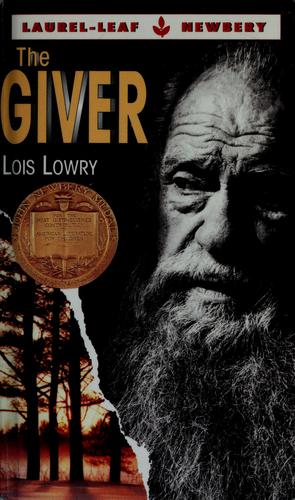
Jonas lives in a seemingly perfect community until he is chosen to receive memories of the past. A Newbery winner that sparks debate about freedom. Contains a controversial scene. Content note: euthanasia and mature themes.
Best for: classic fans. Ages: 11–14.
2. Gathering Blue by Lois Lowry
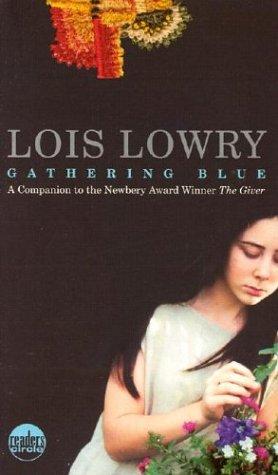
Kira, a girl with a twisted leg, is chosen to repair a ceremonial robe. A companion to The Giver in a more primitive society. Quiet and thoughtful.
Best for: companion readers. Ages: 11–14.
3. The City of Ember by Jeanne DuPrau
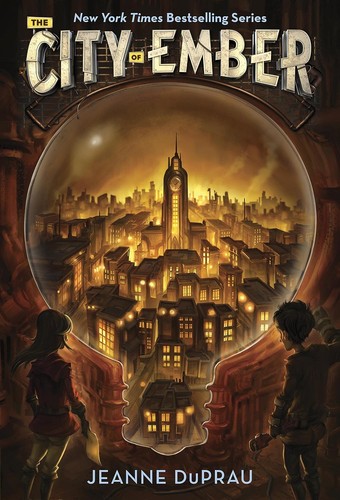
In an underground city, the lights are failing, and two kids search for a way out. A classic for younger readers. The first of four books.
Best for: mystery-and-adventure fans. Ages: 9–13.
4. Among the Hidden by Margaret Peterson Haddix
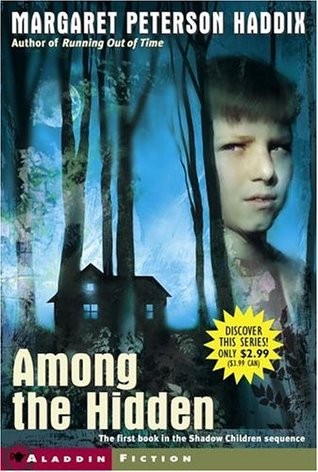
In a world with a two-child limit, Luke is a hidden third child. Short, suspenseful and thought-provoking. The first in the Shadow Children series.
Best for: short-book fans. Ages: 9–13.
5. The Hunger Games by Suzanne Collins
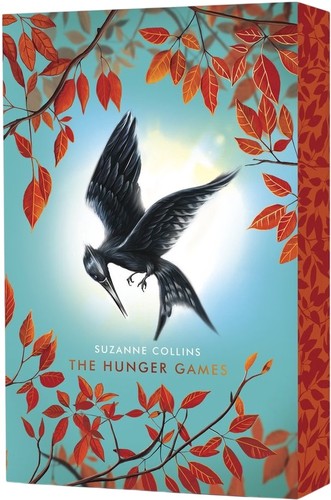
Katniss volunteers to take her sister’s place in a televised fight to the death. Gripping and widely discussed. Suitable for mature middle schoolers. Content note: violence involving children.
Best for: action fans. Ages: 12–14.
6. The Eleventh Plague by Jeff Hirsch
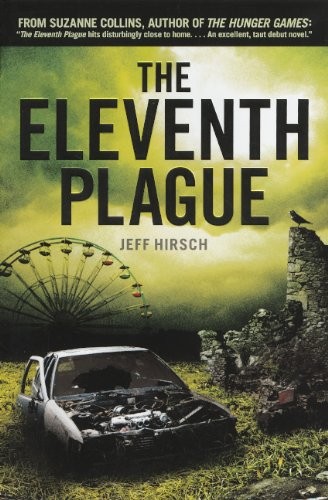
A teen scavenger in a post-war America finds a community that seems perfect. A smart story about hope. Contains loss and violence. Content note: loss and violence.
Best for: post-apocalyptic readers. Ages: 11–14.
7. The House of the Scorpion by Nancy Farmer
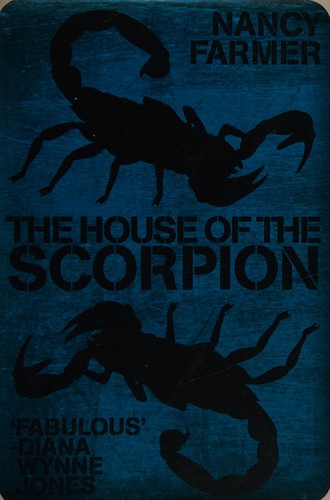
Matt is a clone raised to supply organs for a drug lord. Winner of a Newbery Honor and National Book Award. Complex and dark. Content note: dark themes.
Best for: thoughtful readers. Ages: 12–14.
8. Life as We Knew It by Susan Beth Pfeffer
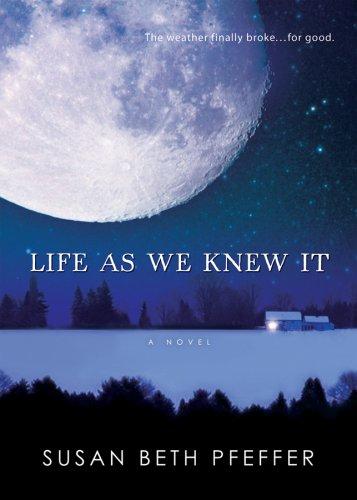
After an asteroid hits the moon, a girl’s family struggles to survive. Told in diary form. Intense but realistic. Content note: death and hunger.
Best for: survival fans. Ages: 12–14.
9. The Declaration by Gemma Malley
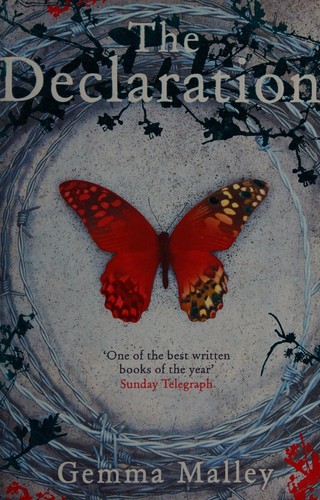
In a future where people live forever, Anna is a ‘surplus’ child raised in an institution. A gripping tale about rights. Dark in places. Content note: child mistreatment.
Best for: rebellious-story fans. Ages: 12–14.
10. Floodland by Marcus Sedgwick
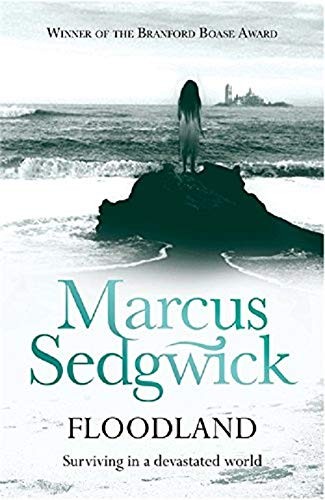
After a flood, Zoe is stranded on an island. Short and haunting. A strong pick for readers who like a mood.
Best for: atmospheric readers. Ages: 11–14.
11. Z for Zachariah by Robert C. O’Brien
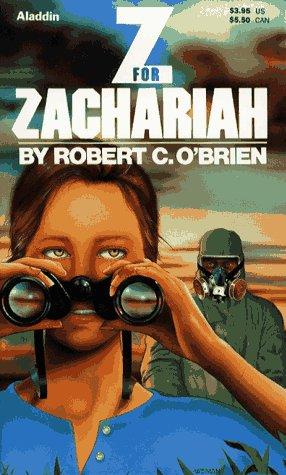
Ann is alone in a valley after nuclear war until a stranger arrives. Suspenseful and tense. A classic of post-apocalyptic fiction. Content note: threat and tension.
Best for: classic survival fans. Ages: 12–14.
12. Dry by Neal Shusterman and Jarrod Shusterman
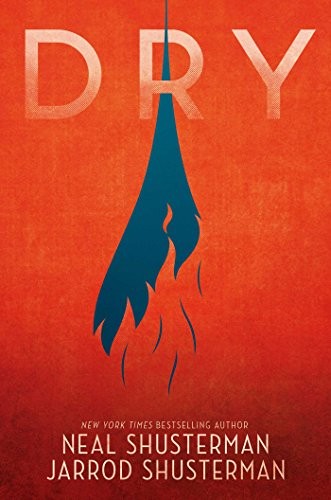
When California’s water runs out, teens fight to survive. Fast and tense. For older middle schoolers. Content note: violence and death.
Best for: survival thriller fans. Ages: 13+.
13. Uglies by Scott Westerfeld
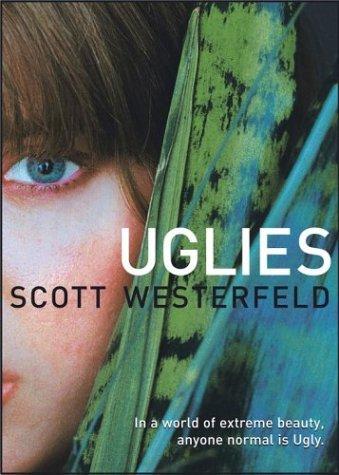
In a society where everyone is surgically made pretty at 16, Tally discovers the cost. A discussion starter about beauty and control. The first of a series.
Best for: big-concept fans. Ages: 12–14.
14. Legend by Marie Lu
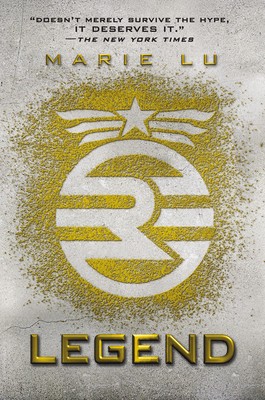
A prodigy soldier and a young criminal are on opposite sides of a divided society. Fast and exciting. For older middle schoolers. Content note: violence.
Best for: action-and-romance fans. Ages: 12–14.
15. Matched by Ally Condie
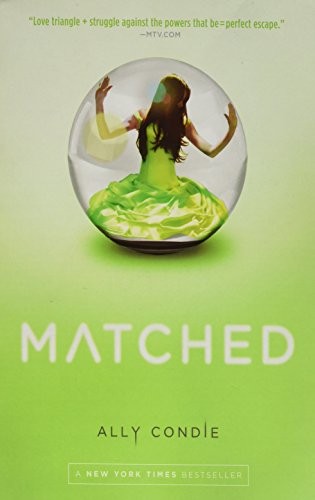
Cassia’s perfect match is chosen for her, until another boy’s face appears. A gentle dystopia with romance. First of a trilogy.
Best for: romance fans. Ages: 12–14.
How to Match a Dystopian Book to Your Middle School
Middle school readers range widely. One eleven-year-old may still love illustrated chapter books, while another is ready for novels with darker themes. Start with the reader’s current favorites, then pick a dystopian title with a similar length and pace. Look at the first page together: if your middle school can read it smoothly and wants to continue, it is a good fit. Short chapters and strong openings help hesitant readers, while avid readers can handle longer books and series. Pay attention to content notes in this list, and preview a book if your child is sensitive to a particular topic. When in doubt, offer two or three choices and let your child decide, because a book they choose is a book they are more likely to finish.
A Simple Reading Plan for Dystopian Books
Choose one book from the list to start this week and set a modest goal, such as twenty minutes a day. Keep a library card in use, since borrowing lets your child try several dystopian books without cost. Read the same book yourself, or listen to it as an audiobook in the car, so you can chat about it at dinner. When your middle school finishes, ask which part they liked best and whether they want to try the next book in a series or a similar title from this list. A simple chart on the fridge can track finished books. Celebrate progress with a trip to the library or bookstore rather than with screen time or a prize.
Why Dystopian Books Matter for Middle Schoolers
Reading dystopian books during the middle school years does more than fill free time. Children this age are building stamina for longer texts, growing their vocabulary and learning to follow complex plots, and they do those things best when they enjoy what they read. A book that fits their interests teaches them that reading is a source of pleasure, not only an assignment. It also gives you a way to talk about hard subjects, friendships and choices through characters, which can be easier than talking about their own lives. Research on reading habits repeatedly finds that children who read for fun do better in school, so a good dystopian book is worth far more than its price.
Where to Find and How to Read These Books
Buying every book on this list is not necessary. Start at your public library, where you can borrow print copies, e-books and audiobooks with a free card, and use the holds feature for popular titles. Paperbacks are usually the best value for books your child will reread, and hardcovers hold up better for favorites that will be passed down. Used copies are often cheap, and a classroom or neighborhood swap can add variety. Large-print or dyslexia-friendly editions help some readers, and audiobooks are a good support for children who are building stamina. Whatever format you choose, keep a few dystopian books visible on a shelf or by the bed so reading is the easy choice.
After the Last Page: What to Read Next
The last page of a book is a good moment to keep the momentum going. Ask your child what they liked, then look for the sequel, another book by the same author or a similar title from this list. Many children enjoy a small ritual, such as choosing the next dystopian book at the library every week. If a book did not work, treat that as information, not failure; it simply tells you what to try next. Notice patterns, such as whether your child prefers short chapters, humor or fast plots, and use them to guide future picks. Over a few months, those small choices add up to a real reading habit.
A Quick Checklist Before You Pick a Dystopian Book
Ask these questions before you borrow or buy:
- Is the length right? A 150-page book is a confident win, while a 400-page book is a project.
- Does the first chapter hook your child within a few pages?
- Is the content right for their age and sensitivity?
- Is there a sequel or companion book waiting if they love it?
- Can you find it at your library so there is no risk?
Questions to Talk About After Reading
These work for almost any book on this list:
- What was your favorite part, and why?
- Which character would you want as a friend?
- What would you have done differently in the main character’s place?
- Did the ending surprise you?
- Which book from this list do you want to read next?
Tips for Choosing Dystopian Books for Middle Schoolers
- Start gentle. The City of Ember and Among the Hidden suit younger readers.
- Preview darker books. Dry and The Hunger Games are intense.
- Discuss the world. Ask what rules were broken and who benefits.
- Connect to history. Real events inspire many dystopias.
- Try a series. Many dystopian novels continue in sequels.
Related: 15 best book club books for middle schoolers and 15 best books for reluctant readers in middle school.
Frequently Asked Questions
What dystopian books are good for 12-year-olds?
The Giver, The City of Ember, Among the Hidden and Uglies are popular.
Is The Hunger Games appropriate for middle school?
It’s often read at 12 or 13 but involves violence between children.
Why do kids like dystopian books?
They offer high stakes and invite big questions about fairness and freedom.