
Disclosure: As an Amazon Associate, Bookish Wisdom earns from qualifying purchases. This doesn’t change our picks or your price.
Quick answer: These 15 dystopian books suit teens (ages 13 and up). Start with 1984, Brave New World, Fahrenheit 451, The Handmaid’s Tale, Divergent or Unwind. Each pick below has a short blurb, an age range and a content note where it matters.
Dystopian novels hold up a dark mirror to society and ask what happens when power goes unchecked. Teens often find these books gripping and relevant, because they see echoes in news, technology and politics. This list collects fifteen of the best for ages 13 and up, from classic warnings to modern bestsellers. Many involve violence, oppression and mature themes, and we flag them. Use them for school assignments, book clubs or a long afternoon of immersive reading.
Table of Contents
Quick Picks at a Glance
| Book | Author | Ages | Best For |
|---|---|---|---|
| 1984 | George Orwell | 14+ | classic readers |
| Brave New World | Aldous Huxley | 15+ | idea-driven readers |
| Fahrenheit 451 | Ray Bradbury | 13+ | book lovers |
| The Handmaid’s Tale | Margaret Atwood | 16+ | literary readers |
| Divergent | Veronica Roth | 13+ | action fans |
| Unwind | Neal Shusterman | 14+ | big-idea readers |
| Feed | M.T. Anderson | 14+ | tech-skeptic readers |
| The Marrow Thieves | Cherie Dimaline | 14+ | Indigenous-voice readers |
| Red Queen | Victoria Aveyard | 14+ | power-and-romance fans |
| The Selection | Kiera Cass | 13+ | romance fans |
| Delirium | Lauren Oliver | 14+ | romance-and-rebellion fans |
| Shatter Me | Tahereh Mafi | 14+ | stylized-writing fans |
| Never Let Me Go | Kazuo Ishiguro | 15+ | quiet, literary readers |
| Wool | Hugh Howey | 14+ | mystery-and-sci-fi readers |
| We | Yevgeny Zamyatin | 15+ | classic-literature readers |
1. 1984 by George Orwell
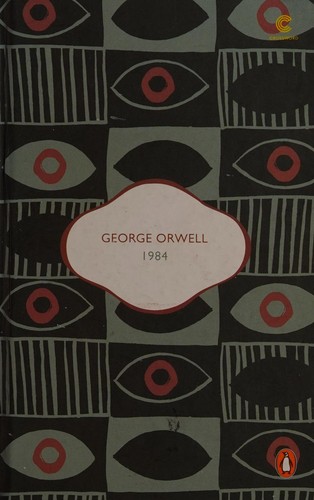
Winston Smith tries to resist a totalitarian state that watches everyone. The book gave us ‘Big Brother’ and ‘doublethink.’ A bleak, essential classic. Content note: torture and oppression.
Best for: classic readers. Ages: 14+.
2. Brave New World by Aldous Huxley
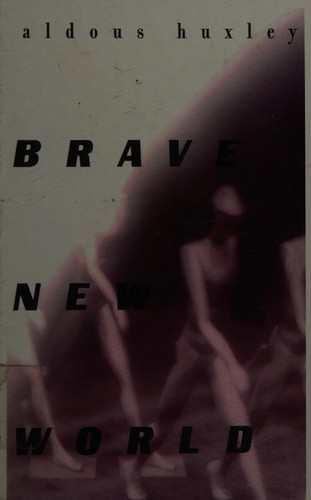
In a future of engineered contentment, one man resists. A satirical, unsettling vision of pleasure as control. Contains sexual content and drug use. Content note: sexual content and drug use.
Best for: idea-driven readers. Ages: 15+.
3. Fahrenheit 451 by Ray Bradbury
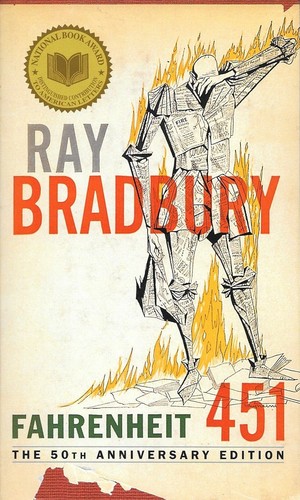
Fireman Guy Montag burns books until he begins to question. A short classic about censorship. Beautiful and chilling.
Best for: book lovers. Ages: 13+.
4. The Handmaid’s Tale by Margaret Atwood
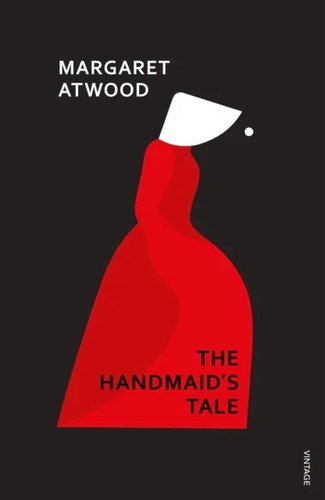
In Gilead, women are stripped of rights and used as childbearers. A modern classic and warning. Contains sexual violence. Content note: sexual violence and oppression.
Best for: literary readers. Ages: 16+.
5. Divergent by Veronica Roth
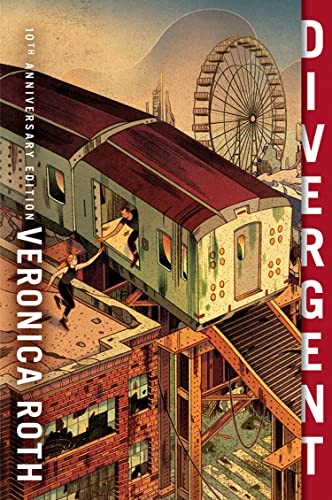
In a society divided into factions, Tris discovers she doesn’t fit any. A fast-paced trilogy opener. Some violence. Content note: violence.
Best for: action fans. Ages: 13+.
6. Unwind by Neal Shusterman
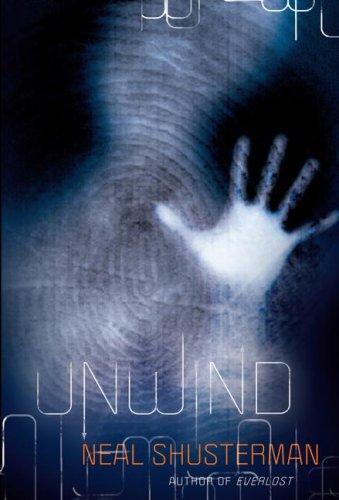
Teens can be ‘unwound,’ their organs harvested, between thirteen and eighteen. Gripping and disturbing. A strong discussion book. Content note: graphic scenes of violence.
Best for: big-idea readers. Ages: 14+.
7. Feed by M.T. Anderson
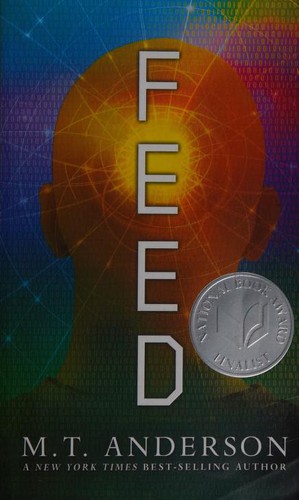
Teens have a feed implanted in their brains, supplying ads and chatter. A sharp satire with slangy language. Contains strong language. Content note: strong language and sexual references.
Best for: tech-skeptic readers. Ages: 14+.
8. The Marrow Thieves by Cherie Dimaline
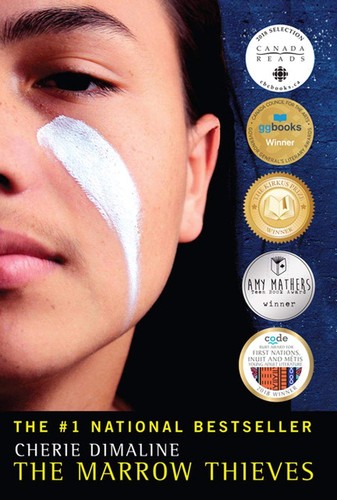
In a future where dreaming is lost, Indigenous people are hunted for their bone marrow. A powerful story about survival and heritage. Contains violence. Content note: violence and trauma.
Best for: Indigenous-voice readers. Ages: 14+.
9. Red Queen by Victoria Aveyard
In a world divided by blood color, Mare discovers a power that threatens the system. A fast-paced series opener. Contains violence. Content note: violence.
Best for: power-and-romance fans. Ages: 14+.
10. The Selection by Kiera Cass
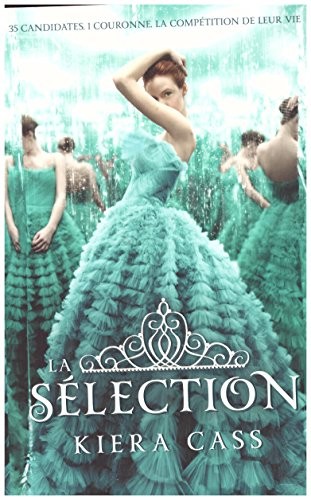
Thirty-five girls compete to marry the prince in a televised contest. Light dystopia with romance. A gentle pick for those new to the genre.
Best for: romance fans. Ages: 13+.
11. Delirium by Lauren Oliver
Love is considered a disease cured at eighteen. Lena questions the cure just before her procedure. Lyrical and gripping.
Best for: romance-and-rebellion fans. Ages: 14+.
12. Shatter Me by Tahereh Mafi
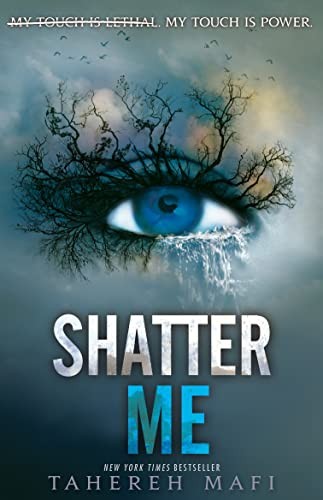
Juliette’s touch is lethal, and she is kept in confinement. A poetic style with striking imagery. Start of a series. Content note: abuse and confinement.
Best for: stylized-writing fans. Ages: 14+.
13. Never Let Me Go by Kazuo Ishiguro
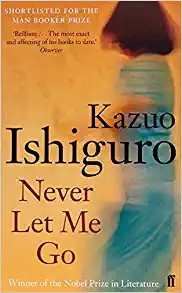
Students at a boarding school learn their purpose in a bleak world. A quiet, devastating novel about love and fate. Slow and haunting. Content note: mature themes and sexual content.
Best for: quiet, literary readers. Ages: 15+.
14. Wool by Hugh Howey
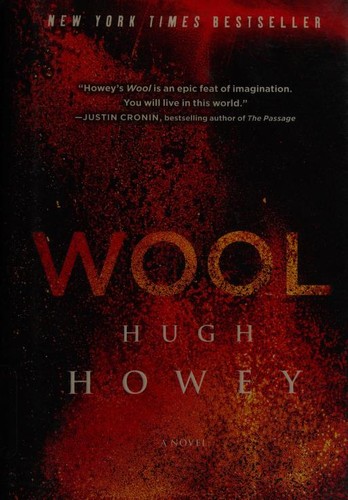
In an underground silo, a sheriff investigates the mystery of the world outside. Atmospheric and suspenseful. Starts a trilogy. Content note: violence.
Best for: mystery-and-sci-fi readers. Ages: 14+.
15. We by Yevgeny Zamyatin
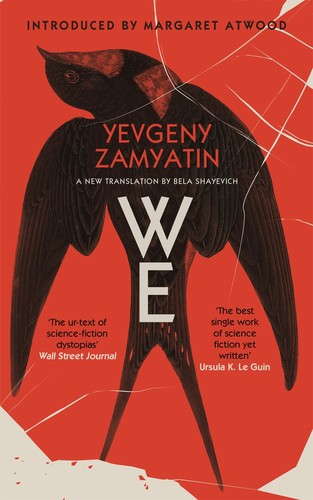
In a glass city of total order, a mathematician begins to doubt. The first great dystopian novel, written in 1920–21. Dense but influential. Content note: political themes.
Best for: classic-literature readers. Ages: 15+.
How to Match a Dystopian Book to Your Teen
Teen readers want books that respect their intelligence and reflect real feelings. Begin with what your teen already enjoys, whether that is a show, a game or a favorite author, and choose a dystopian title that echoes it. Teens often prefer to pick for themselves, so offer a short stack instead of one assigned book. Read the content notes in this list, since some books cover mature themes, and talk openly about them. A short, fast-paced novel is a good way back into reading for someone who has drifted away, while avid readers may enjoy long series. Libraries, e-books and audiobooks all count as reading, and a teen who listens on a commute is still building vocabulary.
A Simple Reading Plan for Dystopian Books
Pick one title to try this month and set a small target, such as ten to twenty pages a day or one chapter before bed. Library apps and e-readers make dystopian books easy to carry, and audiobooks fill commutes and chores. If a book does not hook your teen within the first fifty pages, switching is fine. Not every book suits every reader. Encourage your teen to share what they are reading with friends, in a club or online, since talking about books keeps the habit alive. A short list of next reads on a phone note can help them keep going without searching each time.
Why Dystopian Books Matter for Teens
Reading dystopian books as a teen does more than pass time. Fiction and narrative nonfiction build empathy by letting readers live inside other people’s choices, and they strengthen the focus and vocabulary that school, college and work reward. Teens who read for pleasure tend to do better academically, and they often say books helped them feel less alone. A dystopian book can also be a bridge for conversation, giving parents and teens a safe way to talk about difficult subjects through characters instead of directly. Because teens are busy, the best strategy is to make reading easy and rewarding, which is exactly what a well-chosen book does.
Where to Find and How to Read These Books
You do not need to buy every title. A library card gives your teen free access to print books, e-books and audiobooks through apps such as Libby, and holds let you queue popular dystopian titles. Paperbacks are the best value, and used copies are plentiful for older bestsellers. E-readers and phones make books easy to carry, and audiobooks turn commutes, workouts and chores into reading time. Many schools also run reading lists and book clubs that use these titles. If your teen likes a book, check whether it has a sequel or a companion book, because finishing a series is often what turns a casual reader into a committed one.
After the Last Page: What to Read Next
When your teen finishes a book, the best next step is usually a short conversation, not a quiz. Ask what they thought of the ending, whether they would recommend it and what they want to read next. Then look for a sequel, another book by the same author or a similar dystopian title from this list. A shared reading list on a phone, a library hold queue or a school or online book club can keep the momentum going. If a book did not work, that is useful information about taste. Trying a few different books is how teens find what they love.
A Quick Checklist Before You Pick a Dystopian Book
Ask these questions before you borrow or buy:
- Does the opening grab your teen within the first chapter or two?
- Is the content, including violence, language and romance, right for their maturity?
- Is it standalone, or the start of a series they can binge?
- Does a library, e-book or audiobook copy exist so they can start immediately?
- Does it connect to something they already love, such as a show, game or hobby?
Questions to Talk About After Reading
These work for almost any book on this list:
- What do you think the author was really trying to say?
- Which character did you understand best, and which frustrated you?
- Did the ending feel earned?
- How does this book compare with others in the genre?
- Would you recommend it to a friend, and what would you say?
Tips for Choosing Dystopian Books for Teens
- Start with the classics. 1984 and Fahrenheit 451 are short and iconic.
- Choose by maturity. Several books contain violence and sexual content.
- Read with a friend. Dystopias make great book club picks.
- Connect to current events. Discuss how fiction mirrors real issues.
- Try audiobooks. Complex world-building is easier to follow.
Related: 15 best dystopian books for middle schoolers and 15 best book club books for teens.
Frequently Asked Questions
What are the best dystopian books for teenagers?
1984, Fahrenheit 451, Divergent, Unwind and The Marrow Thieves are common picks.
Which dystopian novels are the least intense?
The Selection, Fahrenheit 451 and Divergent are fairly mild.
Is 1984 suitable for high schoolers?
It’s commonly taught in high school, though it contains disturbing scenes.