
Disclosure: As an Amazon Associate, Bookish Wisdom earns from qualifying purchases. This doesn’t change our picks or your price.
Quick answer: These 15 survival books suit middle schoolers (ages 10–13). Start with Hatchet, My Side of the Mountain, Julie of the Wolves, Brian’s Winter, Lost in the Barrens or Nim’s Island. Each pick below has a short blurb, an age range and a content note where it matters.
Survival stories ask a question every kid secretly wonders: could I do it? Stranded on an island, lost in the wilderness or stuck in a storm, the characters in these books rely on creativity, grit and resourcefulness. Middle schoolers love them for the fast pace and for the practical details of building fires, finding food and staying warm. This list gathers fifteen of the best for ages 10 to 14, from classics to modern adventures. A few include peril and loss, and we flag them. Read one before a camping trip, and your child may look at the woods very differently.
Table of Contents
Quick Picks at a Glance
| Book | Author | Ages | Best For |
|---|---|---|---|
| Hatchet | Gary Paulsen | 10–14 | classic survival fans |
| My Side of the Mountain | Jean Craighead George | 9–13 | nature lovers |
| Julie of the Wolves | Jean Craighead George | 10–14 | Arctic-story fans |
| Brian’s Winter | Gary Paulsen | 10–14 | Hatchet fans |
| Lost in the Barrens | Farley Mowat | 10–14 | wilderness fans |
| Nim’s Island | Wendy Orr | 8–12 | cheerful island readers |
| The Swiss Family Robinson | Johann David Wyss | 9–13 | classic readers |
| Robinson Crusoe | Daniel Defoe | 11–14 | long-classic fans |
| Call It Courage | Armstrong Sperry | 9–13 | short-story fans |
| The Cay | Theodore Taylor | 10–14 | thoughtful readers |
| Shipwreck (Island, Book One) | Gordon Korman | 9–13 | suspense fans |
| Peak | Roland Smith | 10–14 | climbing fans |
| Dogsong | Gary Paulsen | 11–14 | Arctic-adventure fans |
| I Survived the Sinking of the Titanic, 1912 | Lauren Tarshis | 7–11 | younger or reluctant readers |
| Tracker | Gary Paulsen | 10–14 | outdoors fans |
1. Hatchet by Gary Paulsen
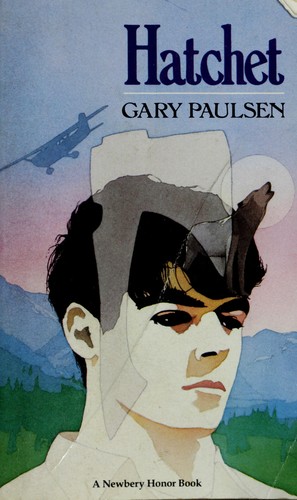
After a plane crash, thirteen-year-old Brian Robeson must survive alone in the Canadian wilderness with only a hatchet. A Newbery Honor book that is short, gripping and full of practical lessons. Many classrooms read it. Content note: a plane crash and the death of the pilot.
Best for: classic survival fans. Ages: 10–14.
2. My Side of the Mountain by Jean Craighead George
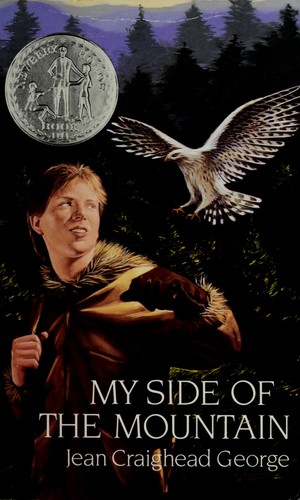
Sam Gribley runs away to live in the Catskill Mountains in a hollow tree, with a falcon as companion. A gentle, inspiring tale of self-reliance. Full of wilderness skills.
Best for: nature lovers. Ages: 9–13.
3. Julie of the Wolves by Jean Craighead George
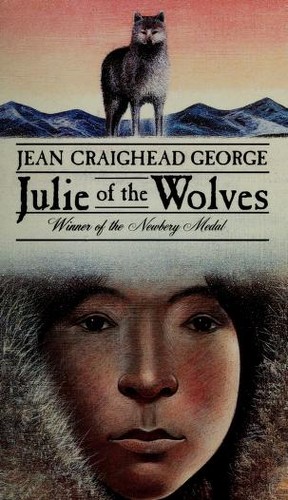
Miyax, an Inuit girl, is lost on the Alaskan tundra and is adopted by a wolf pack. A Newbery winner with lyrical nature writing. Contains an arranged marriage and some peril. Content note: a child marriage and some peril.
Best for: Arctic-story fans. Ages: 10–14.
4. Brian’s Winter by Gary Paulsen
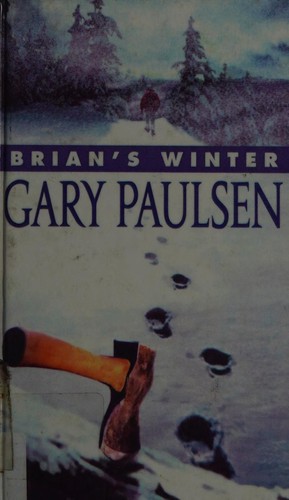
This alternate sequel imagines Brian is not rescued and must survive winter. Tense and full of cold-weather survival. Great for readers who finished Hatchet.
Best for: Hatchet fans. Ages: 10–14.
5. Lost in the Barrens by Farley Mowat

Two boys travel with a Cree hunter and face starvation in the Canadian north. A classic with accurate details about northern life. Some language reflects its era.
Best for: wilderness fans. Ages: 10–14.
6. Nim’s Island by Wendy Orr
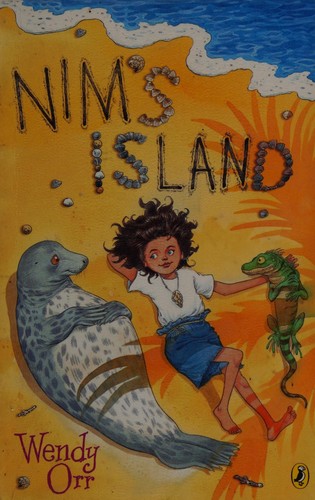
Nim lives on a tropical island with her scientist father, and when he’s lost at sea, she must cope. Light and fun. A good choice for younger readers.
Best for: cheerful island readers. Ages: 8–12.
7. The Swiss Family Robinson by Johann David Wyss
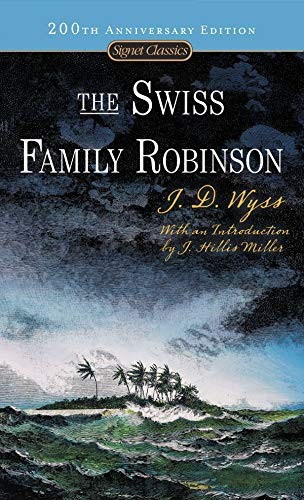
A family shipwrecked on a tropical island builds a home and a new life. A classic that is more inventive than realistic. Abridged editions are easier to read.
Best for: classic readers. Ages: 9–13.
8. Robinson Crusoe by Daniel Defoe
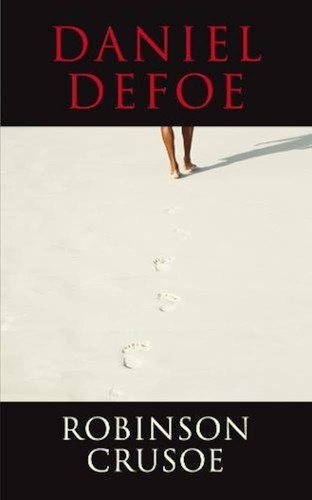
A sailor survives alone on an island for years. One of the first English novels. The language and attitudes are dated, so abridged editions help. Content note: colonial attitudes.
Best for: long-classic fans. Ages: 11–14.
9. Call It Courage by Armstrong Sperry
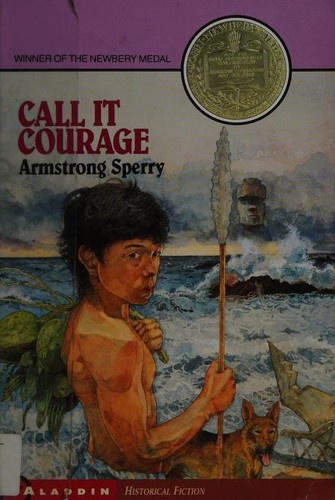
Mafatu, afraid of the sea, sets out in a canoe to conquer his fear and prove himself. A brief, powerful tale and Newbery winner. Some depictions of Polynesian culture are dated.
Best for: short-story fans. Ages: 9–13.
10. The Cay by Theodore Taylor
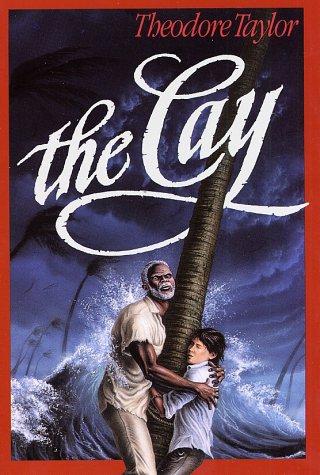
A boy blinded in a shipwreck must depend on an older Black sailor on a tiny island. A story about prejudice and friendship. The language includes a racial slur in a historical context. Content note: racial slurs and prejudice.
Best for: thoughtful readers. Ages: 10–14.
11. Shipwreck (Island, Book One) by Gordon Korman
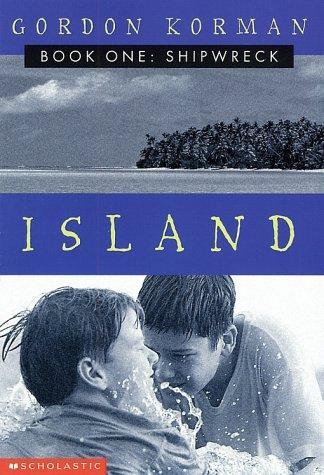
Six teens from a troubled-youth sailing trip are stranded on a deserted island. Fast pacing and cliffhangers. The first of a trilogy.
Best for: suspense fans. Ages: 9–13.
12. Peak by Roland Smith
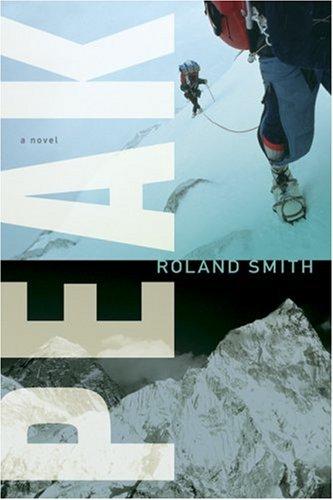
Fourteen-year-old Peak attempts to be the youngest to climb Mount Everest. A thrilling story that blends adventure with ethics. Contains peril.
Best for: climbing fans. Ages: 10–14.
13. Dogsong by Gary Paulsen
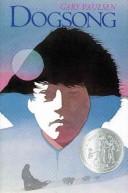
Russel, an Inuit teen, sets out on a sled journey to find himself. A Newbery Honor book that is lyrical. Contains some violence. Content note: some violence.
Best for: Arctic-adventure fans. Ages: 11–14.
14. I Survived the Sinking of the Titanic, 1912 by Lauren Tarshis
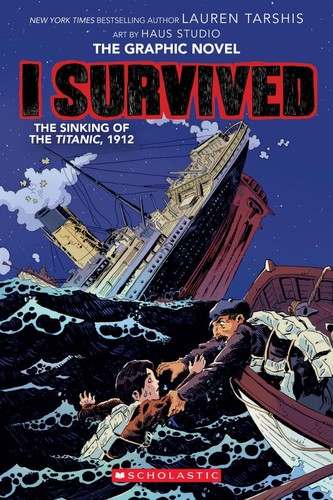
A boy faces the sinking of the famous ship in this short, fast book. Part of a popular historical series. A good gateway to history.
Best for: younger or reluctant readers. Ages: 7–11.
15. Tracker by Gary Paulsen
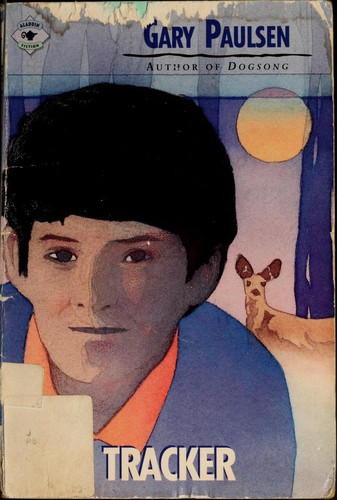
John, thirteen, hunts a deer to feed his grandfather, who is dying. A quiet, reflective story of nature and love. Contains hunting and illness. Content note: hunting and illness.
Best for: outdoors fans. Ages: 10–14.
How to Match a Survival Book to Your Middle School
Middle school readers range widely. One eleven-year-old may still love illustrated chapter books, while another is ready for novels with darker themes. Start with the reader’s current favorites, then pick a survival title with a similar length and pace. Look at the first page together: if your middle school can read it smoothly and wants to continue, it is a good fit. Short chapters and strong openings help hesitant readers, while avid readers can handle longer books and series. Pay attention to content notes in this list, and preview a book if your child is sensitive to a particular topic. When in doubt, offer two or three choices and let your child decide, because a book they choose is a book they are more likely to finish.
A Simple Reading Plan for Survival Books
Choose one book from the list to start this week and set a modest goal, such as twenty minutes a day. Keep a library card in use, since borrowing lets your child try several survival books without cost. Read the same book yourself, or listen to it as an audiobook in the car, so you can chat about it at dinner. When your middle school finishes, ask which part they liked best and whether they want to try the next book in a series or a similar title from this list. A simple chart on the fridge can track finished books. Celebrate progress with a trip to the library or bookstore rather than with screen time or a prize.
Why Survival Books Matter for Middle Schoolers
Reading survival books during the middle school years does more than fill free time. Children this age are building stamina for longer texts, growing their vocabulary and learning to follow complex plots, and they do those things best when they enjoy what they read. A book that fits their interests teaches them that reading is a source of pleasure, not only an assignment. It also gives you a way to talk about hard subjects, friendships and choices through characters, which can be easier than talking about their own lives. Research on reading habits repeatedly finds that children who read for fun do better in school, so a good survival book is worth far more than its price.
Where to Find and How to Read These Books
Buying every book on this list is not necessary. Start at your public library, where you can borrow print copies, e-books and audiobooks with a free card, and use the holds feature for popular titles. Paperbacks are usually the best value for books your child will reread, and hardcovers hold up better for favorites that will be passed down. Used copies are often cheap, and a classroom or neighborhood swap can add variety. Large-print or dyslexia-friendly editions help some readers, and audiobooks are a good support for children who are building stamina. Whatever format you choose, keep a few survival books visible on a shelf or by the bed so reading is the easy choice.
After the Last Page: What to Read Next
The last page of a book is a good moment to keep the momentum going. Ask your child what they liked, then look for the sequel, another book by the same author or a similar title from this list. Many children enjoy a small ritual, such as choosing the next survival book at the library every week. If a book did not work, treat that as information, not failure; it simply tells you what to try next. Notice patterns, such as whether your child prefers short chapters, humor or fast plots, and use them to guide future picks. Over a few months, those small choices add up to a real reading habit.
A Quick Checklist Before You Pick a Survival Book
Ask these questions before you borrow or buy:
- Is the length right? A 150-page book is a confident win, while a 400-page book is a project.
- Does the first chapter hook your child within a few pages?
- Is the content right for their age and sensitivity?
- Is there a sequel or companion book waiting if they love it?
- Can you find it at your library so there is no risk?
Questions to Talk About After Reading
These work for almost any book on this list:
- What was your favorite part, and why?
- Which character would you want as a friend?
- What would you have done differently in the main character’s place?
- Did the ending surprise you?
- Which book from this list do you want to read next?
Tips for Choosing Survival Books for Middle Schoolers
- Pair with a camping trip. Reading outdoors adds vividness.
- Try the sequel. Brian’s Winter picks up where Hatchet leaves off.
- Check perilous scenes. Several books involve plane crashes or loss.
- Read about real skills. Look up what the characters do, from building shelters to finding water.
- Discuss courage. Ask what the character feared and how they overcame it.
Related: 15 best book club books for middle schoolers and 15 best books for reluctant readers in middle school.
Frequently Asked Questions
What are good survival books for 11-year-olds?
Hatchet, My Side of the Mountain, Julie of the Wolves and The Cay are classics.
Is Hatchet appropriate for middle school?
Yes, it’s widely taught in grades five to eight.
What survival books are best for reluctant readers?
Hatchet, Nim’s Island and I Survived the Sinking of the Titanic are short and fast.