
Disclosure: As an Amazon Associate, Bookish Wisdom earns from qualifying purchases. This doesn’t change our picks or your price.
Quick answer: These 15 survival books suit teens (ages 13 and up). Start with Lord of the Flies, Into the Wild, Alive, Into Thin Air, Touching the Void or The Perfect Storm. Each pick below has a short blurb, an age range and a content note where it matters.
Survival stories show human beings at their limits. Teens are drawn to these books because they ask what we would do when everything is stripped away, and the true stories are often more gripping than fiction. This list gathers fifteen of the best for ages 13 and up, both novels and true accounts of storms, mountains and shipwrecks. Many involve death and disturbing details, and we flag them. Use these books to spark discussion about courage, risk and responsibility.
Table of Contents
Quick Picks at a Glance
| Book | Author | Ages | Best For |
|---|---|---|---|
| Lord of the Flies | William Golding | 14+ | classic readers |
| Into the Wild | Jon Krakauer | 14+ | outdoor and philosophy readers |
| Alive | Piers Paul Read | 15+ | true-survival readers |
| Into Thin Air | Jon Krakauer | 15+ | mountaineering fans |
| Touching the Void | Joe Simpson | 15+ | climbing fans |
| The Perfect Storm | Sebastian Junger | 14+ | sea-story fans |
| In the Heart of the Sea | Nathaniel Philbrick | 14+ | history fans |
| Between a Rock and a Hard Place | Aron Ralston | 15+ | extreme survival fans |
| Ashfall | Mike Mullin | 14+ | post-disaster readers |
| The Road | Cormac McCarthy | 16+ | literary readers |
| Never Cry Wolf | Farley Mowat | 13+ | nature readers |
| Dead Wake | Erik Larson | 14+ | history fans |
| The Ice Master | Jennifer Niven | 14+ | polar-history readers |
| Deep Survival | Laurence Gonzales | 14+ | psychology fans |
| Wild | Cheryl Strayed | 16+ | memoir readers |
1. Lord of the Flies by William Golding
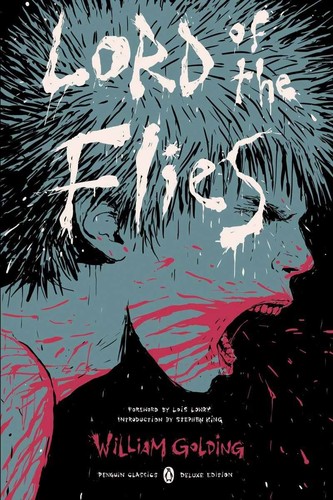
British schoolboys stranded on an island descend into savagery. A classic examination of human nature. Disturbing but often taught in schools. Content note: violence and death.
Best for: classic readers. Ages: 14+.
2. Into the Wild by Jon Krakauer
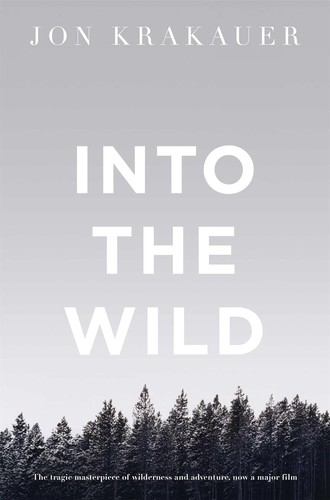
Christopher McCandless gives away his savings and heads into the Alaskan wilderness. Krakauer reconstructs his story. Debated and compelling. Content note: death by starvation.
Best for: outdoor and philosophy readers. Ages: 14+.
3. Alive by Piers Paul Read
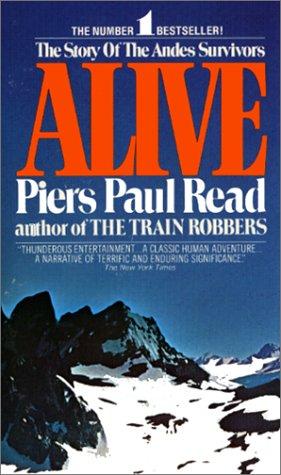
After a plane crashes in the Andes, survivors endure for 72 days. The book recounts what they did to survive. Includes cannibalism, which is handled soberly. Content note: cannibalism and death.
Best for: true-survival readers. Ages: 15+.
4. Into Thin Air by Jon Krakauer
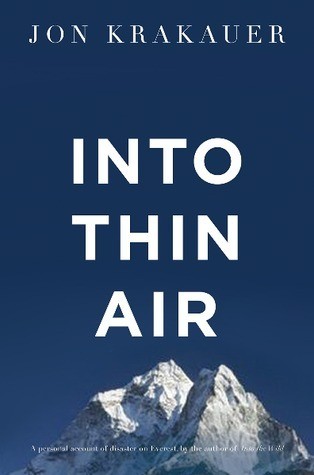
Krakauer’s firsthand account of the 1996 Everest disaster. Tense, tragic and controversial. Contains many deaths. Content note: many deaths and frostbite.
Best for: mountaineering fans. Ages: 15+.
5. Touching the Void by Joe Simpson
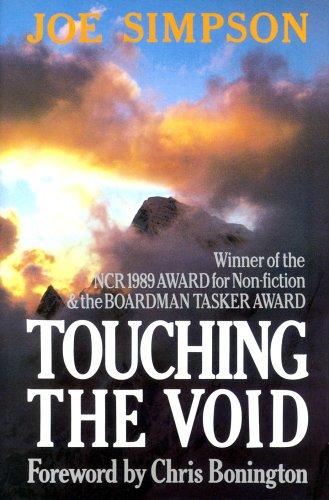
After a fall in the Andes, Simpson crawls to safety with a broken leg. An astonishing survival story. Contains graphic injury. Content note: graphic injuries.
Best for: climbing fans. Ages: 15+.
6. The Perfect Storm by Sebastian Junger
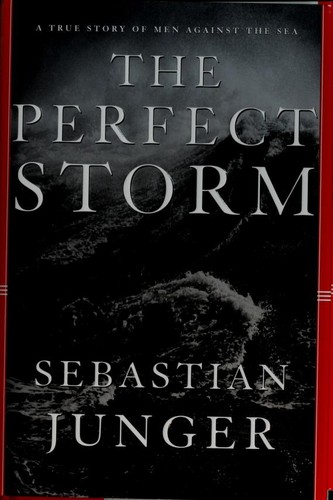
A swordfishing boat is lost in a historic 1991 storm. Junger reconstructs the event. Heavy on tragedy. Content note: deaths at sea.
Best for: sea-story fans. Ages: 14+.
7. In the Heart of the Sea by Nathaniel Philbrick
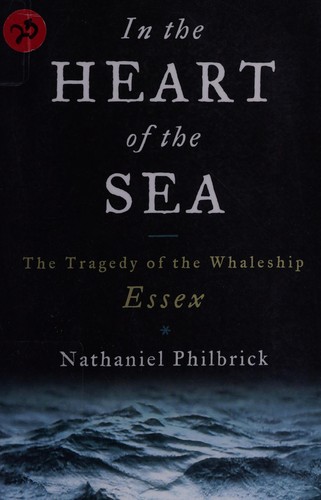
The whaleship Essex was sunk by a whale in 1820, and survivors endured months at sea. The inspiration for Moby-Dick. Includes cannibalism. Content note: cannibalism and death.
Best for: history fans. Ages: 14+.
8. Between a Rock and a Hard Place by Aron Ralston
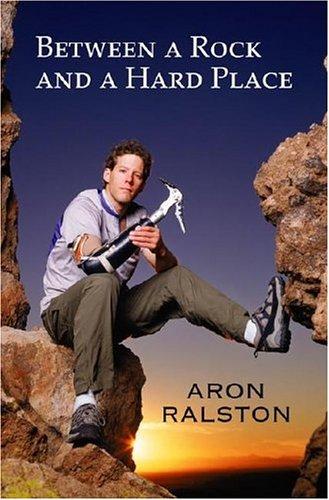
Ralston, trapped by a boulder in a Utah canyon, makes a drastic decision. Gripping and graphic. The basis for the film 127 Hours. Content note: self-amputation.
Best for: extreme survival fans. Ages: 15+.
9. Ashfall by Mike Mullin
When the Yellowstone supervolcano erupts, Alex must cross a ruined Iowa. A fast, harrowing novel. Contains violence. Content note: violence and death.
Best for: post-disaster readers. Ages: 14+.
10. The Road by Cormac McCarthy
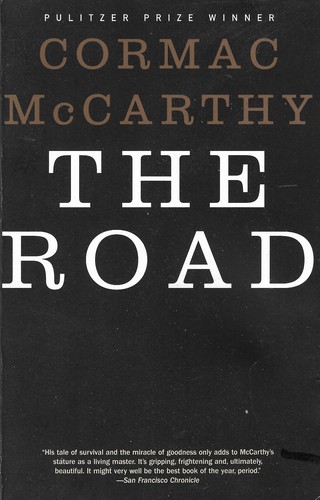
A father and son walk through a burned America. Spare and moving. Very bleak with disturbing scenes. Content note: violence, cannibalism and despair.
Best for: literary readers. Ages: 16+.
11. Never Cry Wolf by Farley Mowat
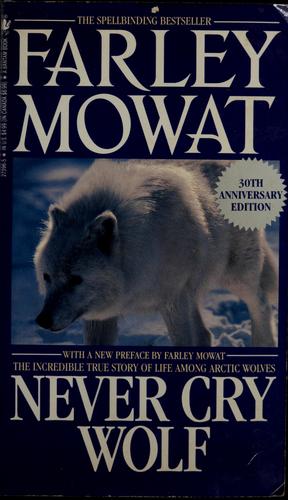
Mowat is sent to the Arctic to study wolves. A funny, warm account. Some facts have been questioned.
Best for: nature readers. Ages: 13+.
12. Dead Wake by Erik Larson
The sinking of the Lusitania in 1915 told through multiple perspectives. Tense and well researched. Some deaths of children are mentioned. Content note: deaths in a sinking.
Best for: history fans. Ages: 14+.
13. The Ice Master by Jennifer Niven
In 1913, the Karluk is trapped in Arctic ice, and the crew struggles to survive. A harrowing true story. Contains death. Content note: death and hardship.
Best for: polar-history readers. Ages: 14+.
14. Deep Survival by Laurence Gonzales
Gonzales explores why some people survive and others don’t. Part science, part story. An unusual and fascinating book.
Best for: psychology fans. Ages: 14+.
15. Wild by Cheryl Strayed
After her mother’s death, Strayed hikes the Pacific Crest Trail alone. A memoir of grief and healing. Contains drug use and sexual content. Content note: grief, drug use and sexual content.
Best for: memoir readers. Ages: 16+.
How to Match a Survival Book to Your Teen
Teen readers want books that respect their intelligence and reflect real feelings. Begin with what your teen already enjoys, whether that is a show, a game or a favorite author, and choose a survival title that echoes it. Teens often prefer to pick for themselves, so offer a short stack instead of one assigned book. Read the content notes in this list, since some books cover mature themes, and talk openly about them. A short, fast-paced novel is a good way back into reading for someone who has drifted away, while avid readers may enjoy long series. Libraries, e-books and audiobooks all count as reading, and a teen who listens on a commute is still building vocabulary.
A Simple Reading Plan for Survival Books
Pick one title to try this month and set a small target, such as ten to twenty pages a day or one chapter before bed. Library apps and e-readers make survival books easy to carry, and audiobooks fill commutes and chores. If a book does not hook your teen within the first fifty pages, switching is fine. Not every book suits every reader. Encourage your teen to share what they are reading with friends, in a club or online, since talking about books keeps the habit alive. A short list of next reads on a phone note can help them keep going without searching each time.
Why Survival Books Matter for Teens
Reading survival books as a teen does more than pass time. Fiction and narrative nonfiction build empathy by letting readers live inside other people’s choices, and they strengthen the focus and vocabulary that school, college and work reward. Teens who read for pleasure tend to do better academically, and they often say books helped them feel less alone. A survival book can also be a bridge for conversation, giving parents and teens a safe way to talk about difficult subjects through characters instead of directly. Because teens are busy, the best strategy is to make reading easy and rewarding, which is exactly what a well-chosen book does.
Where to Find and How to Read These Books
You do not need to buy every title. A library card gives your teen free access to print books, e-books and audiobooks through apps such as Libby, and holds let you queue popular survival titles. Paperbacks are the best value, and used copies are plentiful for older bestsellers. E-readers and phones make books easy to carry, and audiobooks turn commutes, workouts and chores into reading time. Many schools also run reading lists and book clubs that use these titles. If your teen likes a book, check whether it has a sequel or a companion book, because finishing a series is often what turns a casual reader into a committed one.
After the Last Page: What to Read Next
When your teen finishes a book, the best next step is usually a short conversation, not a quiz. Ask what they thought of the ending, whether they would recommend it and what they want to read next. Then look for a sequel, another book by the same author or a similar survival title from this list. A shared reading list on a phone, a library hold queue or a school or online book club can keep the momentum going. If a book did not work, that is useful information about taste. Trying a few different books is how teens find what they love.
A Quick Checklist Before You Pick a Survival Book
Ask these questions before you borrow or buy:
- Does the opening grab your teen within the first chapter or two?
- Is the content, including violence, language and romance, right for their maturity?
- Is it standalone, or the start of a series they can binge?
- Does a library, e-book or audiobook copy exist so they can start immediately?
- Does it connect to something they already love, such as a show, game or hobby?
Questions to Talk About After Reading
These work for almost any book on this list:
- What do you think the author was really trying to say?
- Which character did you understand best, and which frustrated you?
- Did the ending feel earned?
- How does this book compare with others in the genre?
- Would you recommend it to a friend, and what would you say?
Tips for Choosing Survival Books for Teens
- Choose by comfort. Many true stories involve death.
- Mix fiction and nonfiction. Ashfall and Lord of the Flies complement true accounts.
- Discuss decisions. Ask what you would do at each critical point.
- Look up the real events. Photos and documentaries add context.
- Check maturity. The Road and Wild are for older teens.
Related: 15 best survival books for middle schoolers and 15 best book club books for teens.
Frequently Asked Questions
What survival books should teens read?
Lord of the Flies, Into the Wild, Touching the Void and The Perfect Storm are widely recommended.
Are survival books too intense?
Some are, so check content notes.
What are good true survival stories for teens?
Touching the Void, Alive, The Ice Master and In the Heart of the Sea are gripping.