
Disclosure: As an Amazon Associate, Bookish Wisdom earns from qualifying purchases. This doesn’t change our picks or your price.
Quick answer: These 15 poetry books suit middle schoolers (ages 10–13). Start with Where the Sidewalk Ends, A Light in the Attic, Falling Up, Brown Girl Dreaming, Love That Dog or Technically, It’s Not My Fault. Each pick below has a short blurb, an age range and a content note where it matters.
Poetry shows kids what words can do. A good poem can be funny, sad, strange or all three in a few lines, and for many middle schoolers, a poetry book is less intimidating than a novel. This list collects fifteen of the best for ages 10 to 13, from silly classics to powerful verse memoirs and novels in verse. Most are friendly for school and home, and a few touch on serious topics, which we note. Read one aloud, memorize a favorite or write your own poem, and poetry becomes play.
Table of Contents
Quick Picks at a Glance
| Book | Author | Ages | Best For |
|---|---|---|---|
| Where the Sidewalk Ends | Shel Silverstein | 6–13 | funny poetry fans |
| A Light in the Attic | Shel Silverstein | 6–13 | funny poetry fans |
| Falling Up | Shel Silverstein | 6–13 | silly-verse fans |
| Brown Girl Dreaming | Jacqueline Woodson | 10–14 | memoir readers |
| Love That Dog | Sharon Creech | 8–12 | reluctant poetry readers |
| Technically, It’s Not My Fault | John Grandits | 8–12 | concrete-poem fans |
| Hip Hop Speaks to Children | edited by Nikki Giovanni | 6–13 | music and rhythm fans |
| Pocket Poems | Paul B. Janeczko | 8–12 | short-poem fans |
| Bronx Masquerade | Nikki Grimes | 11–14 | ensemble readers |
| Be Glad Your Nose Is on Your Face | Jack Prelutsky | 6–12 | humor fans |
| A Child’s Garden of Verses | Robert Louis Stevenson | 5–12 | classic fans |
| Lemonade: And Other Poems Squeezed from a Single Word | Bob Raczka | 6–12 | wordplay fans |
| Honey, I Love and Other Love Poems | Eloise Greenfield | 5–11 | gentle readers |
| The 20th Century Children’s Poetry Treasury | selected by Jack Prelutsky | 6–12 | anthology fans |
| Poetry for Young People: Maya Angelou | edited by Edwin Graves Wilson | 9–13 | inspiration seekers |
1. Where the Sidewalk Ends by Shel Silverstein
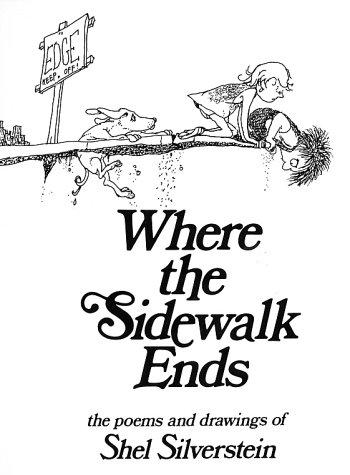
Silverstein’s playful poems and drawings have delighted generations. The poems are short, silly and surprising. A perfect first poetry book.
Best for: funny poetry fans. Ages: 6–13.
2. A Light in the Attic by Shel Silverstein
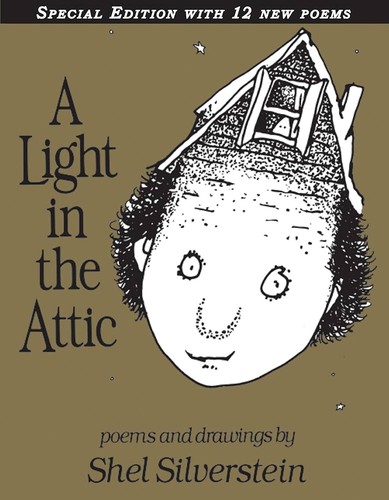
Another collection of whimsical poems and drawings. It mixes humor with moments of unexpected truth. Great for reading aloud.
Best for: funny poetry fans. Ages: 6–13.
3. Falling Up by Shel Silverstein
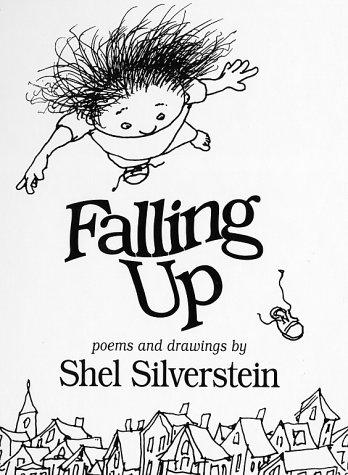
Silverstein’s third collection continues the fun with zany characters and wordplay. Good for reluctant readers. Fits short attention spans.
Best for: silly-verse fans. Ages: 6–13.
4. Brown Girl Dreaming by Jacqueline Woodson
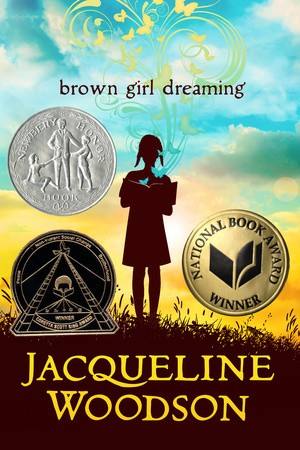
Woodson tells of her childhood in verse, from South Carolina to Brooklyn. A National Book Award winner. Lyrical and personal. Content note: racism and family separation.
Best for: memoir readers. Ages: 10–14.
5. Love That Dog by Sharon Creech
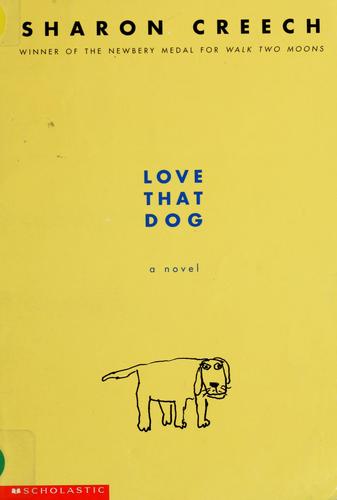
Jack hates poetry until his teacher shows him how to write his own. Told in poems, it’s moving and funny. An easy and inspiring read. Content note: the loss of a pet.
Best for: reluctant poetry readers. Ages: 8–12.
6. Technically, It’s Not My Fault by John Grandits
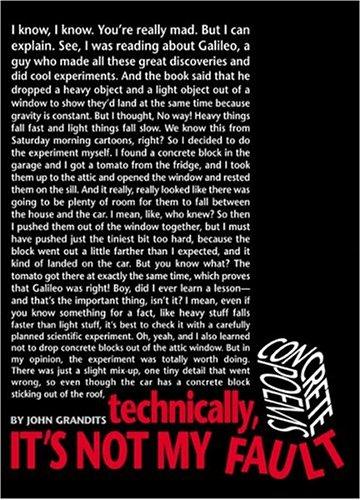
Poems shaped like their subjects, from shoes to headaches, make this collection fun to look at. Humorous and creative. Encourages visual thinking.
Best for: concrete-poem fans. Ages: 8–12.
7. Hip Hop Speaks to Children by Nikki Giovanni (editor)
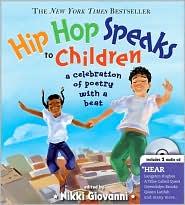
This collection of poems and songs with a CD celebrates the rhythms of hip hop. Reads well aloud. Includes poets from many eras.
Best for: music and rhythm fans. Ages: 6–13.
8. Pocket Poems by Paul B. Janeczko
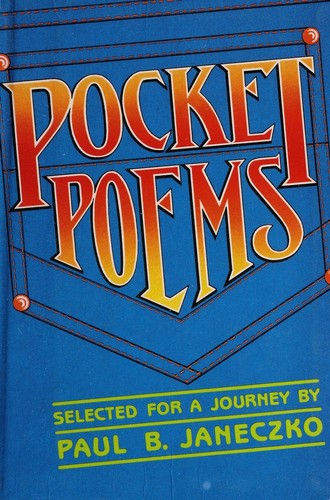
A pocket-size collection of short poems to carry and share. Great for beginners. Easy to read in snippets.
Best for: short-poem fans. Ages: 8–12.
9. Bronx Masquerade by Nikki Grimes
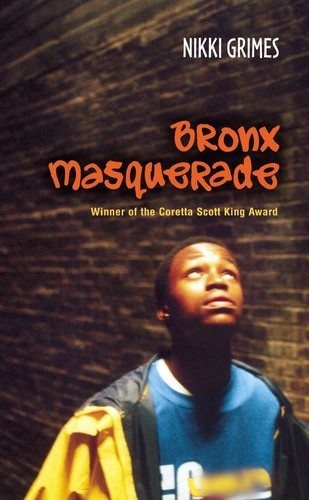
A high school class shares poems at open mic. Each student’s voice is unique. A story in poems and prose. Content note: teen issues such as abuse and grief.
Best for: ensemble readers. Ages: 11–14.
10. Be Glad Your Nose Is on Your Face by Jack Prelutsky
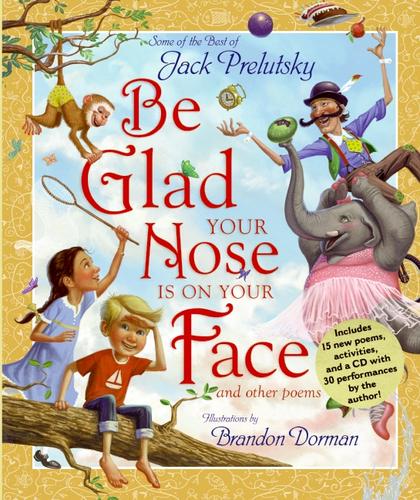
Prelutsky’s funny poems about everything from dinner to dentists have won countless fans. Great for family reading. Easy and fun.
Best for: humor fans. Ages: 6–12.
11. A Child’s Garden of Verses by Robert Louis Stevenson
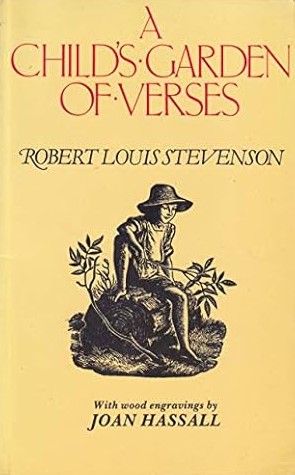
Stevenson’s gentle poems about childhood imagination remain charming. Old-fashioned but sweet. Illustrated editions are lovely.
Best for: classic fans. Ages: 5–12.
12. Lemonade: And Other Poems Squeezed from a Single Word by Bob Raczka
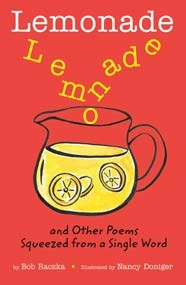
Each poem is made from letters of a single word. Clever and inspiring for young writers. Great for a poetry exercise.
Best for: wordplay fans. Ages: 6–12.
13. Honey, I Love and Other Love Poems by Eloise Greenfield
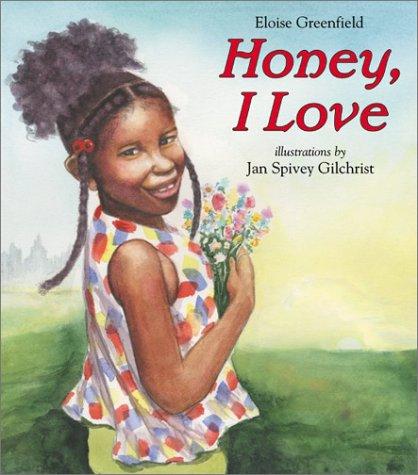
A warm collection of poems about everyday joys. Celebrates family and community. Lovely art.
Best for: gentle readers. Ages: 5–11.
14. The 20th Century Children’s Poetry Treasury by Jack Prelutsky (editor)
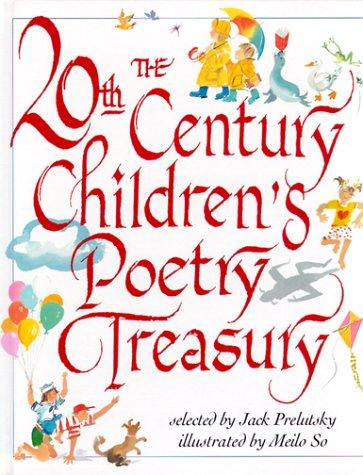
A large anthology of poems by many poets, from classic to modern. A one-volume library of poetry. Good for browsing.
Best for: anthology fans. Ages: 6–12.
15. Poetry for Young People: Maya Angelou by Edwin Graves Wilson (editor)
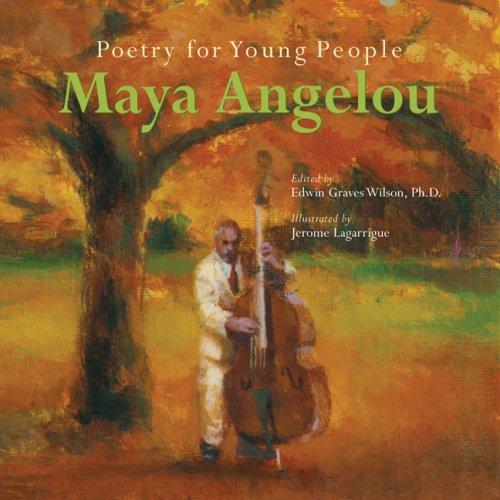
A selection of Angelou’s poems for young readers with illustrations. Powerful and uplifting. Includes ‘Still I Rise.’
Best for: inspiration seekers. Ages: 9–13.
How to Match a Poetry Book to Your Middle School
Middle school readers range widely. One eleven-year-old may still love illustrated chapter books, while another is ready for novels with darker themes. Start with the reader’s current favorites, then pick a poetry title with a similar length and pace. Look at the first page together: if your middle school can read it smoothly and wants to continue, it is a good fit. Short chapters and strong openings help hesitant readers, while avid readers can handle longer books and series. Pay attention to content notes in this list, and preview a book if your child is sensitive to a particular topic. When in doubt, offer two or three choices and let your child decide, because a book they choose is a book they are more likely to finish.
A Simple Reading Plan for Poetry Books
Choose one book from the list to start this week and set a modest goal, such as twenty minutes a day. Keep a library card in use, since borrowing lets your child try several poetry books without cost. Read the same book yourself, or listen to it as an audiobook in the car, so you can chat about it at dinner. When your middle school finishes, ask which part they liked best and whether they want to try the next book in a series or a similar title from this list. A simple chart on the fridge can track finished books. Celebrate progress with a trip to the library or bookstore rather than with screen time or a prize.
Why Poetry Books Matter for Middle Schoolers
Reading poetry books during the middle school years does more than fill free time. Children this age are building stamina for longer texts, growing their vocabulary and learning to follow complex plots, and they do those things best when they enjoy what they read. A book that fits their interests teaches them that reading is a source of pleasure, not only an assignment. It also gives you a way to talk about hard subjects, friendships and choices through characters, which can be easier than talking about their own lives. Research on reading habits repeatedly finds that children who read for fun do better in school, so a good poetry book is worth far more than its price.
Where to Find and How to Read These Books
Buying every book on this list is not necessary. Start at your public library, where you can borrow print copies, e-books and audiobooks with a free card, and use the holds feature for popular titles. Paperbacks are usually the best value for books your child will reread, and hardcovers hold up better for favorites that will be passed down. Used copies are often cheap, and a classroom or neighborhood swap can add variety. Large-print or dyslexia-friendly editions help some readers, and audiobooks are a good support for children who are building stamina. Whatever format you choose, keep a few poetry books visible on a shelf or by the bed so reading is the easy choice.
After the Last Page: What to Read Next
The last page of a book is a good moment to keep the momentum going. Ask your child what they liked, then look for the sequel, another book by the same author or a similar title from this list. Many children enjoy a small ritual, such as choosing the next poetry book at the library every week. If a book did not work, treat that as information, not failure; it simply tells you what to try next. Notice patterns, such as whether your child prefers short chapters, humor or fast plots, and use them to guide future picks. Over a few months, those small choices add up to a real reading habit.
A Quick Checklist Before You Pick a Poetry Book
Ask these questions before you borrow or buy:
- Is the length right? A 150-page book is a confident win, while a 400-page book is a project.
- Does the first chapter hook your child within a few pages?
- Is the content right for their age and sensitivity?
- Is there a sequel or companion book waiting if they love it?
- Can you find it at your library so there is no risk?
Questions to Talk About After Reading
These work for almost any book on this list:
- What was your favorite part, and why?
- Which character would you want as a friend?
- What would you have done differently in the main character’s place?
- Did the ending surprise you?
- Which book from this list do you want to read next?
Tips for Choosing Poetry Books for Middle Schoolers
- Read aloud. Poetry is meant to be heard.
- Memorize a favorite. A short poem is a good first memory challenge.
- Write your own. Try imitating a poem’s pattern.
- Pick by topic. Humor, nature, family or sports, choose what your child likes.
- Keep a poem journal. Copy favorites and add drawings.
Related: 15 best book club books for middle schoolers and 15 best books for reluctant readers in middle school.
Frequently Asked Questions
What poetry books are good for middle schoolers?
Where the Sidewalk Ends, Brown Girl Dreaming, Love That Dog and Bronx Masquerade are popular.
How do I get a child to like poetry?
Start with funny poems, read aloud and let them write their own.
Are novels in verse good for reluctant readers?
Yes. Short lines and white space make them quick to read.