
Disclosure: As an Amazon Associate, Bookish Wisdom earns from qualifying purchases. This doesn’t change our picks or your price.
Quick answer: These 15 poetry books suit teens (ages 13 and up). Start with The Poet X, Long Way Down, Milk and Honey, And Still I Rise, Selected Poems of Langston Hughes or The Hill We Climb. Each pick below has a short blurb, an age range and a content note where it matters.
Poetry speaks to teens in a way few other forms can. It compresses feelings, identity and ideas into a few lines, and it is a space for honesty. This list gathers fifteen of the best for ages 13 and up: novels in verse, modern collections and classics. Some address trauma, grief and sexuality, and we flag those. If your teen writes, journals or simply feels things deeply, these books can feel like company.
Table of Contents
Quick Picks at a Glance
| Book | Author | Ages | Best For |
|---|---|---|---|
| The Poet X | Elizabeth Acevedo | 14+ | slam-poetry fans |
| Long Way Down | Jason Reynolds | 13+ | fast, powerful readers |
| Milk and Honey | Rupi Kaur | 16+ | modern poetry fans |
| And Still I Rise | Maya Angelou | 13+ | classic poetry readers |
| Selected Poems of Langston Hughes | Langston Hughes | 13+ | classic poetry fans |
| The Hill We Climb | Amanda Gorman | 13+ | modern, inspirational readers |
| Leaves of Grass | Walt Whitman | 15+ | classic, expansive readers |
| The Collected Poems of Emily Dickinson | Emily Dickinson | 14+ | compact-poem fans |
| Shakespeare’s Sonnets | William Shakespeare | 14+ | classic readers |
| Devotions | Mary Oliver | 14+ | nature poetry fans |
| Sailing Alone Around the Room | Billy Collins | 14+ | witty-poetry fans |
| Ariel | Sylvia Plath | 16+ | confessional-poetry fans |
| Night Sky with Exit Wounds | Ocean Vuong | 16+ | contemporary-poetry fans |
| Shout | Laurie Halse Anderson | 15+ | memoir-in-verse readers |
| The Rose That Grew from Concrete | Tupac Shakur | 14+ | hip-hop fans |
1. The Poet X by Elizabeth Acevedo
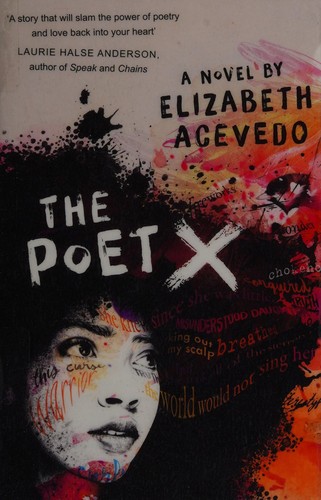
Xiomara, a Dominican American teen in Harlem, finds her voice through slam poetry. A National Book Award winner told in verse. Honest and fierce. Content note: sexual harassment and family conflict.
Best for: slam-poetry fans. Ages: 14+.
2. Long Way Down by Jason Reynolds
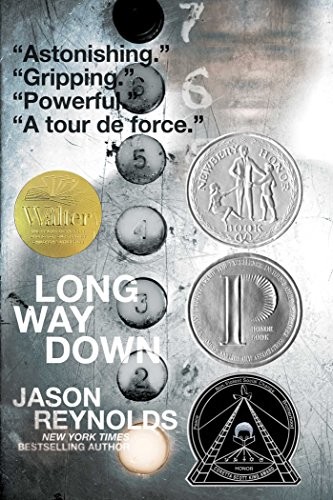
Will rides an elevator down seven floors after his brother’s shooting, deciding whether to take revenge. A novel in verse that reads in one sitting. Gripping. Content note: gun violence and grief.
Best for: fast, powerful readers. Ages: 13+.
3. Milk and Honey by Rupi Kaur
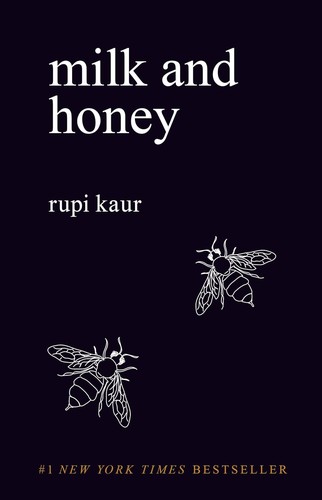
Short poems and drawings about love, loss and healing. Very popular with young readers. Addresses abuse. Content note: sexual abuse and trauma.
Best for: modern poetry fans. Ages: 16+.
4. And Still I Rise by Maya Angelou
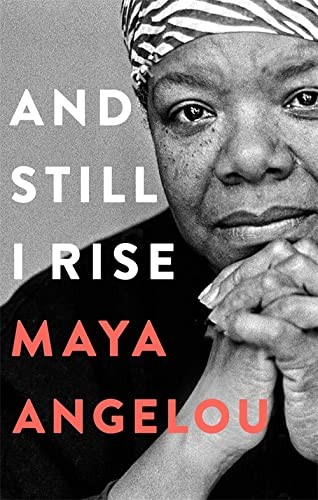
Angelou’s collection includes the famous poem of the same name. Strong and rhythmic. A great place to start.
Best for: classic poetry readers. Ages: 13+.
5. Selected Poems of Langston Hughes by Langston Hughes
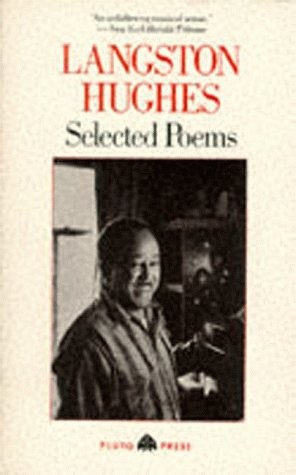
Hughes’ poems capture Harlem and the Black experience with rhythm and jazz. Accessible and rich. A must-read poet.
Best for: classic poetry fans. Ages: 13+.
6. The Hill We Climb by Amanda Gorman
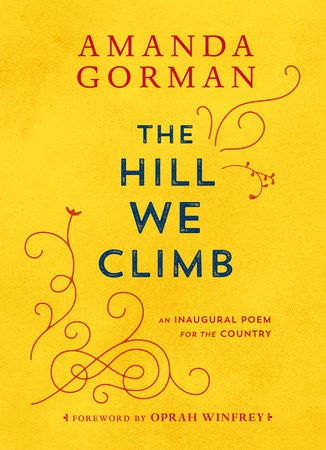
Gorman’s inaugural poem is presented with an essay. Hopeful and timely. Short enough for a quick read.
Best for: modern, inspirational readers. Ages: 13+.
7. Leaves of Grass by Walt Whitman
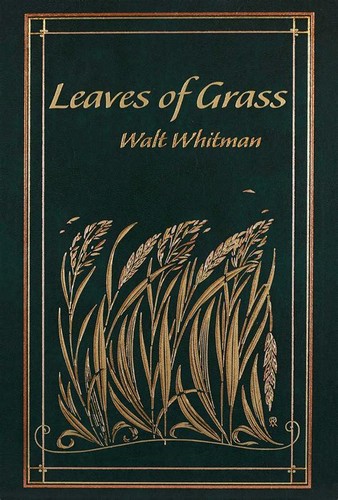
Whitman’s sprawling celebration of America and self. Free verse that changed poetry. Long, so dip in.
Best for: classic, expansive readers. Ages: 15+.
8. The Collected Poems of Emily Dickinson by Emily Dickinson
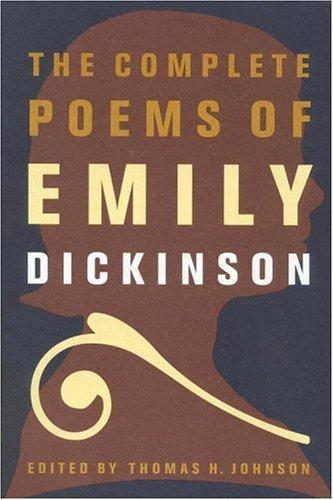
Dickinson’s short, strange poems explore death, nature and the soul. Dashes and slant rhymes make them distinct. Choose a selection if the full collection feels large.
Best for: compact-poem fans. Ages: 14+.
9. Shakespeare’s Sonnets by William Shakespeare
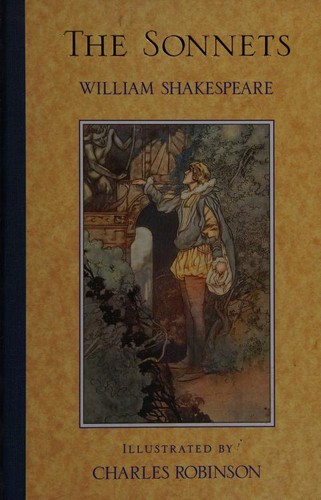
The 154 sonnets explore love, time and beauty. Language is old but rewarding. A fine place to practice reading verse.
Best for: classic readers. Ages: 14+.
10. Devotions by Mary Oliver
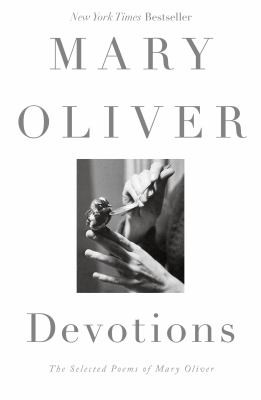
A career-spanning selection of Oliver’s calm, observant nature poems. Accessible and uplifting. Many teens find it comforting.
Best for: nature poetry fans. Ages: 14+.
11. Sailing Alone Around the Room by Billy Collins
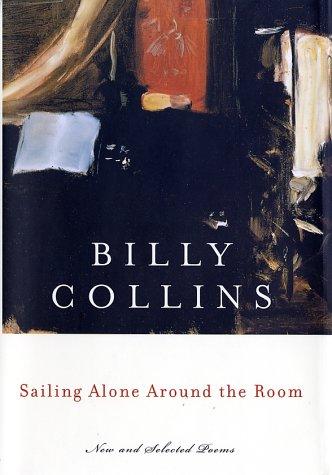
Collins’ conversational poems are funny and insightful. A friendly route for those who think poetry is hard. Highly accessible.
Best for: witty-poetry fans. Ages: 14+.
12. Ariel by Sylvia Plath
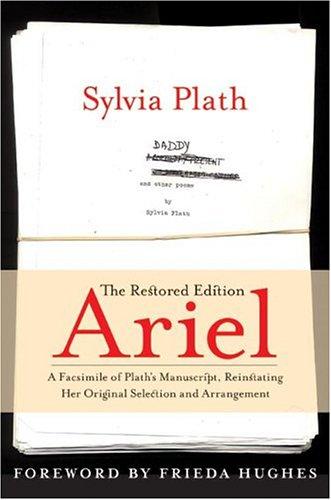
Plath’s intense, vivid poems about identity, motherhood and death. Powerful and influential. Contains themes of depression and suicide; if this is hard, the 988 Lifeline is available in the US. Content note: depression and suicide.
Best for: confessional-poetry fans. Ages: 16+.
13. Night Sky with Exit Wounds by Ocean Vuong
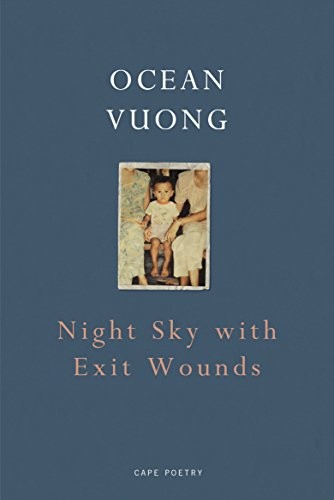
Vuong’s debut explores family, war and queer love. Lyrical and bold. Contains mature content. Content note: violence and sexual content.
Best for: contemporary-poetry fans. Ages: 16+.
14. Shout by Laurie Halse Anderson
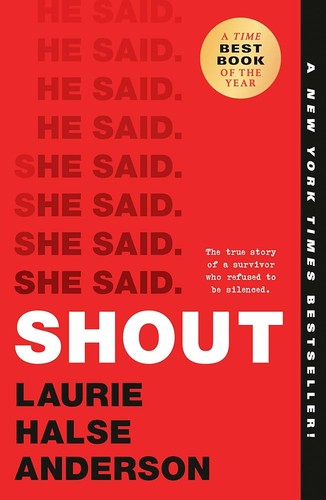
Anderson recounts her sexual assault and how writing Speak helped her. A raw, powerful memoir in verse. Not for everyone. Content note: sexual assault.
Best for: memoir-in-verse readers. Ages: 15+.
15. The Rose That Grew from Concrete by Tupac Shakur
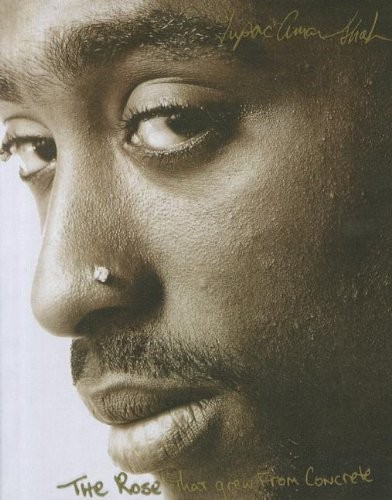
Poems written by Tupac as a young man. Reflective and sometimes raw. Offers a different view of the artist. Content note: violence and strong language.
Best for: hip-hop fans. Ages: 14+.
How to Match a Poetry Book to Your Teen
Teen readers want books that respect their intelligence and reflect real feelings. Begin with what your teen already enjoys, whether that is a show, a game or a favorite author, and choose a poetry title that echoes it. Teens often prefer to pick for themselves, so offer a short stack instead of one assigned book. Read the content notes in this list, since some books cover mature themes, and talk openly about them. A short, fast-paced novel is a good way back into reading for someone who has drifted away, while avid readers may enjoy long series. Libraries, e-books and audiobooks all count as reading, and a teen who listens on a commute is still building vocabulary.
A Simple Reading Plan for Poetry Books
Pick one title to try this month and set a small target, such as ten to twenty pages a day or one chapter before bed. Library apps and e-readers make poetry books easy to carry, and audiobooks fill commutes and chores. If a book does not hook your teen within the first fifty pages, switching is fine. Not every book suits every reader. Encourage your teen to share what they are reading with friends, in a club or online, since talking about books keeps the habit alive. A short list of next reads on a phone note can help them keep going without searching each time.
Why Poetry Books Matter for Teens
Reading poetry books as a teen does more than pass time. Fiction and narrative nonfiction build empathy by letting readers live inside other people’s choices, and they strengthen the focus and vocabulary that school, college and work reward. Teens who read for pleasure tend to do better academically, and they often say books helped them feel less alone. A poetry book can also be a bridge for conversation, giving parents and teens a safe way to talk about difficult subjects through characters instead of directly. Because teens are busy, the best strategy is to make reading easy and rewarding, which is exactly what a well-chosen book does.
Where to Find and How to Read These Books
You do not need to buy every title. A library card gives your teen free access to print books, e-books and audiobooks through apps such as Libby, and holds let you queue popular poetry titles. Paperbacks are the best value, and used copies are plentiful for older bestsellers. E-readers and phones make books easy to carry, and audiobooks turn commutes, workouts and chores into reading time. Many schools also run reading lists and book clubs that use these titles. If your teen likes a book, check whether it has a sequel or a companion book, because finishing a series is often what turns a casual reader into a committed one.
After the Last Page: What to Read Next
When your teen finishes a book, the best next step is usually a short conversation, not a quiz. Ask what they thought of the ending, whether they would recommend it and what they want to read next. Then look for a sequel, another book by the same author or a similar poetry title from this list. A shared reading list on a phone, a library hold queue or a school or online book club can keep the momentum going. If a book did not work, that is useful information about taste. Trying a few different books is how teens find what they love.
A Quick Checklist Before You Pick a Poetry Book
Ask these questions before you borrow or buy:
- Does the opening grab your teen within the first chapter or two?
- Is the content, including violence, language and romance, right for their maturity?
- Is it standalone, or the start of a series they can binge?
- Does a library, e-book or audiobook copy exist so they can start immediately?
- Does it connect to something they already love, such as a show, game or hobby?
Questions to Talk About After Reading
These work for almost any book on this list:
- What do you think the author was really trying to say?
- Which character did you understand best, and which frustrated you?
- Did the ending feel earned?
- How does this book compare with others in the genre?
- Would you recommend it to a friend, and what would you say?
Tips for Choosing Poetry Books for Teens
- Start with verse novels. The Poet X and Long Way Down are page-turners.
- Read aloud. Poetry comes alive when heard.
- Check content. Several collections handle trauma.
- Write back. Encourage your teen to write a poem in response.
- Find a local slam. Open mics let teens hear poetry live.
Related: 15 best poetry books for middle schoolers and 15 best book club books for teens.
Frequently Asked Questions
What are good poetry books for teens?
The Poet X, Long Way Down, And Still I Rise and The Hill We Climb are popular.
What poetry is best for teens who don’t like poetry?
Verse novels like Long Way Down read like stories.
Are Milk and Honey and Ariel okay for teens?
They address abuse and depression, so they suit older teens, ideally with conversation.