
Disclosure: As an Amazon Associate, Bookish Wisdom earns from qualifying purchases. This doesn’t change our picks or your price.
Quick answer: These 15 biography books suit middle schoolers (ages 10–13). Start with Hidden Figures Young Readers’ Edition, I Am Malala (Young Readers Edition), The Boy Who Harnessed the Wind (Young Readers Edition), Who Was Albert Einstein?, Long Walk to Freedom: Young Readers’ Edition or Rosa Parks: My Story. Each pick below has a short blurb, an age range and a content note where it matters.
Biographies show middle schoolers what real people did with their curiosity, courage and mistakes. The best ones read like adventure stories, because the lives behind them were full of obstacles, humor and surprising turns. This list collects fifteen of the best biographies and memoirs for ages 10 to 13, including young readers’ editions of famous adult books. They cover scientists, activists, athletes, inventors and writers. A few cover heavy topics such as war and racism, and we flag them. Choose one for a school project or hand it to a child who needs a role model.
Table of Contents
Quick Picks at a Glance
| Book | Author | Ages | Best For |
|---|---|---|---|
| Hidden Figures Young Readers’ Edition | Margot Lee Shetterly | 8–12 | STEM and history fans |
| I Am Malala (Young Readers Edition) | Malala Yousafzai and Patricia McCormick | 10–14 | courage-story fans |
| The Boy Who Harnessed the Wind (Young Readers Edition) | William Kamkwamba and Bryan Mealer | 9–13 | inventor fans |
| Who Was Albert Einstein? | Jess M. Brallier | 7–11 | easy-biography readers |
| Long Walk to Freedom: Young Readers’ Edition | Nelson Mandela | 11–14 | history and leadership fans |
| Rosa Parks: My Story | Rosa Parks with Jim Haskins | 9–13 | civil-rights history fans |
| The Story of Ruby Bridges | Robert Coles | 6–10 | picture-book biography fans |
| Rad American Women A-Z | Kate Schatz | 8–13 | short-profile readers |
| Chasing Space (Young Readers’ Edition) | Leland Melvin | 10–14 | space and perseverance fans |
| The Story of My Life | Helen Keller | 10–14 | classic memoir fans |
| Of Beetles & Angels | Mawi Asgedom | 11–14 | immigrant story fans |
| The Diary of a Young Girl | Anne Frank | 11–14 | history readers |
| Steve Jobs: The Man Who Thought Different | Karen Blumenthal | 11–14 | tech fans |
| Lincoln: A Photobiography | Russell Freedman | 10–14 | history fans |
| Who Was Harriet Tubman? | Yona Zeldis McDonough | 7–11 | easy-biography readers |
1. Hidden Figures Young Readers’ Edition by Margot Lee Shetterly
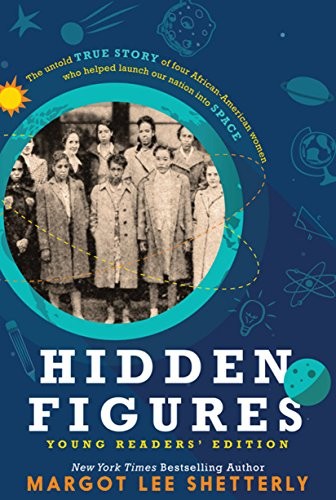
This adaptation tells how Black women mathematicians helped NASA win the space race. The writing is clear and inspiring. A good way to learn about overlooked heroes. Content note: racial segregation.
Best for: STEM and history fans. Ages: 8–12.
2. I Am Malala (Young Readers Edition) by Malala Yousafzai and Patricia McCormick
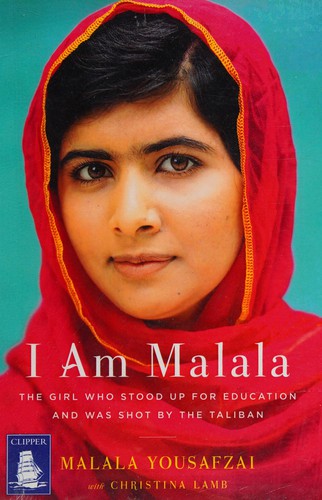
Malala recounts growing up in Pakistan and surviving an attack for speaking up about girls’ education. Inspiring and clear. Includes a shooting. Content note: a violent attack.
Best for: courage-story fans. Ages: 10–14.
3. The Boy Who Harnessed the Wind (Young Readers Edition) by William Kamkwamba and Bryan Mealer
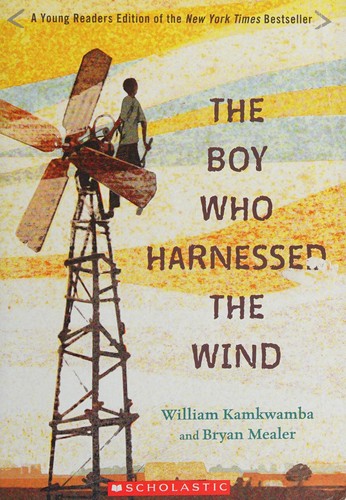
William, a boy in Malawi, builds a windmill from scrap to bring electricity to his village. A story of ingenuity during famine. Hopeful and practical. Content note: famine and hardship.
Best for: inventor fans. Ages: 9–13.
4. Who Was Albert Einstein? by Jess M. Brallier
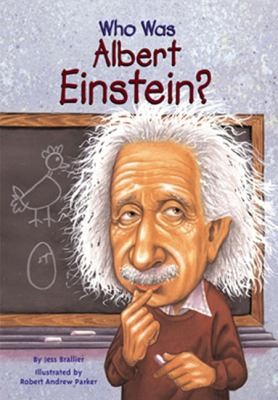
This short, illustrated book covers Einstein’s life and ideas. Part of the popular Who Was series. A quick introduction for young readers.
Best for: easy-biography readers. Ages: 7–11.
5. Long Walk to Freedom: Young Readers’ Edition by Nelson Mandela
Mandela tells of his life, from a village childhood to prison and the presidency. A shortened version for young readers. Inspiring and substantial. Content note: apartheid and imprisonment.
Best for: history and leadership fans. Ages: 11–14.
6. Rosa Parks: My Story by Rosa Parks with Jim Haskins
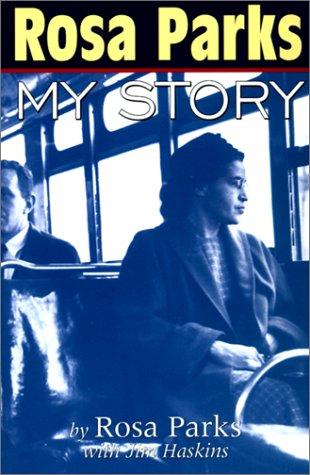
Rosa Parks tells her own story, including the bus boycott. Clear and powerful. A good companion to civil-rights lessons. Content note: racism and threats.
Best for: civil-rights history fans. Ages: 9–13.
7. The Story of Ruby Bridges by Robert Coles
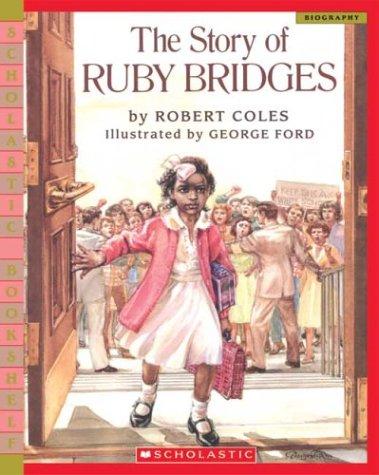
Six-year-old Ruby Bridges integrated a New Orleans school in 1960. A picture book for younger or reluctant readers. Moving and brief. Content note: racist mobs.
Best for: picture-book biography fans. Ages: 6–10.
8. Rad American Women A-Z by Kate Schatz
Alphabetical profiles of women who changed America, with bold art. Perfect for browsing. Includes artists, scientists and activists.
Best for: short-profile readers. Ages: 8–13.
9. Chasing Space (Young Readers’ Edition) by Leland Melvin
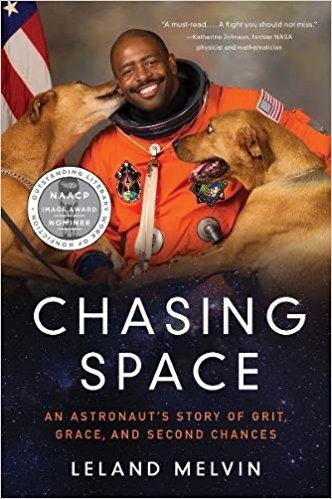
Astronaut Leland Melvin tells of his NFL dreams, injuries and journey to NASA. Inspiring and fun. Includes his love of dogs.
Best for: space and perseverance fans. Ages: 10–14.
10. The Story of My Life by Helen Keller
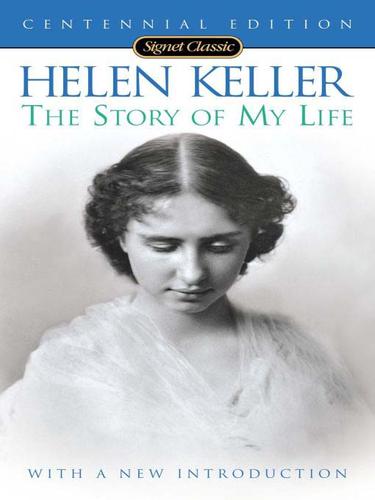
Helen Keller describes her childhood and her breakthrough with teacher Anne Sullivan. A landmark of memoir. Language is old-fashioned.
Best for: classic memoir fans. Ages: 10–14.
11. Of Beetles & Angels by Mawi Asgedom
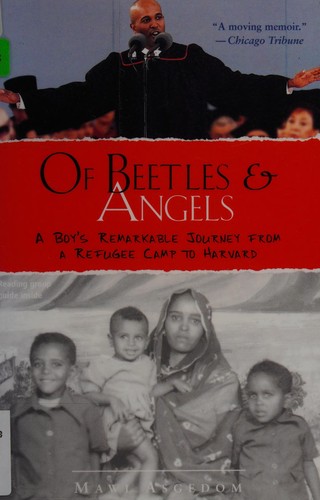
Mawi recounts leaving Ethiopia as a refugee and finding success in America. A hopeful memoir. Short chapters.
Best for: immigrant story fans. Ages: 11–14.
12. The Diary of a Young Girl by Anne Frank
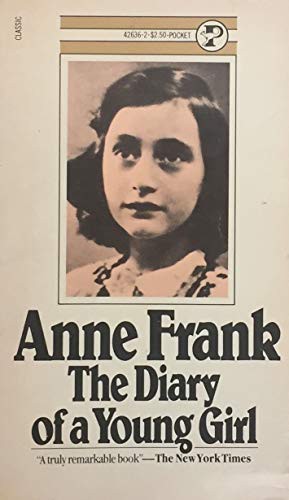
Anne Frank’s diary documents two years in hiding in Amsterdam. A powerful first-person source. Its end is heartbreaking. Content note: the Holocaust.
Best for: history readers. Ages: 11–14.
13. Steve Jobs: The Man Who Thought Different by Karen Blumenthal
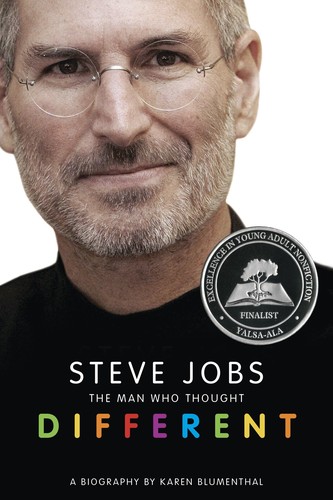
A biography of Apple’s co-founder for young readers. Honest about his flaws as well as his genius. Readable and engaging.
Best for: tech fans. Ages: 11–14.
14. Lincoln: A Photobiography by Russell Freedman
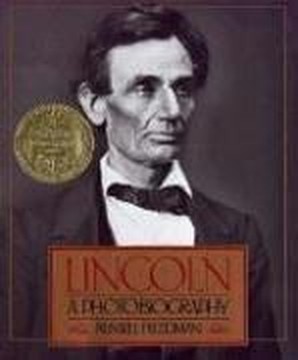
Freedman uses photographs and engaging prose to tell Lincoln’s life. A Newbery winner. Great for browsing. Content note: war and assassination.
Best for: history fans. Ages: 10–14.
15. Who Was Harriet Tubman? by Yona Zeldis McDonough
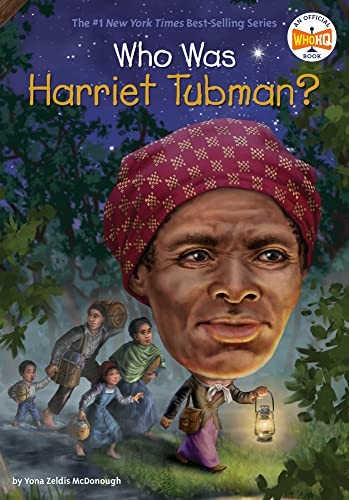
A short, illustrated look at Harriet Tubman’s life as a conductor on the Underground Railroad. Part of the Who Was series. Perfect for younger readers. Content note: slavery.
Best for: easy-biography readers. Ages: 7–11.
How to Match a Biography Book to Your Middle School
Middle school readers range widely. One eleven-year-old may still love illustrated chapter books, while another is ready for novels with darker themes. Start with the reader’s current favorites, then pick a biography title with a similar length and pace. Look at the first page together: if your middle school can read it smoothly and wants to continue, it is a good fit. Short chapters and strong openings help hesitant readers, while avid readers can handle longer books and series. Pay attention to content notes in this list, and preview a book if your child is sensitive to a particular topic. When in doubt, offer two or three choices and let your child decide, because a book they choose is a book they are more likely to finish.
A Simple Reading Plan for Biography Books
Choose one book from the list to start this week and set a modest goal, such as twenty minutes a day. Keep a library card in use, since borrowing lets your child try several biography books without cost. Read the same book yourself, or listen to it as an audiobook in the car, so you can chat about it at dinner. When your middle school finishes, ask which part they liked best and whether they want to try the next book in a series or a similar title from this list. A simple chart on the fridge can track finished books. Celebrate progress with a trip to the library or bookstore rather than with screen time or a prize.
Why Biography Books Matter for Middle Schoolers
Reading biography books during the middle school years does more than fill free time. Children this age are building stamina for longer texts, growing their vocabulary and learning to follow complex plots, and they do those things best when they enjoy what they read. A book that fits their interests teaches them that reading is a source of pleasure, not only an assignment. It also gives you a way to talk about hard subjects, friendships and choices through characters, which can be easier than talking about their own lives. Research on reading habits repeatedly finds that children who read for fun do better in school, so a good biography book is worth far more than its price.
Where to Find and How to Read These Books
Buying every book on this list is not necessary. Start at your public library, where you can borrow print copies, e-books and audiobooks with a free card, and use the holds feature for popular titles. Paperbacks are usually the best value for books your child will reread, and hardcovers hold up better for favorites that will be passed down. Used copies are often cheap, and a classroom or neighborhood swap can add variety. Large-print or dyslexia-friendly editions help some readers, and audiobooks are a good support for children who are building stamina. Whatever format you choose, keep a few biography books visible on a shelf or by the bed so reading is the easy choice.
After the Last Page: What to Read Next
The last page of a book is a good moment to keep the momentum going. Ask your child what they liked, then look for the sequel, another book by the same author or a similar title from this list. Many children enjoy a small ritual, such as choosing the next biography book at the library every week. If a book did not work, treat that as information, not failure; it simply tells you what to try next. Notice patterns, such as whether your child prefers short chapters, humor or fast plots, and use them to guide future picks. Over a few months, those small choices add up to a real reading habit.
A Quick Checklist Before You Pick a Biography Book
Ask these questions before you borrow or buy:
- Is the length right? A 150-page book is a confident win, while a 400-page book is a project.
- Does the first chapter hook your child within a few pages?
- Is the content right for their age and sensitivity?
- Is there a sequel or companion book waiting if they love it?
- Can you find it at your library so there is no risk?
Questions to Talk About After Reading
These work for almost any book on this list:
- What was your favorite part, and why?
- Which character would you want as a friend?
- What would you have done differently in the main character’s place?
- Did the ending surprise you?
- Which book from this list do you want to read next?
Tips for Choosing Biography Books for Middle Schoolers
- Pair with a project. Biographies make great sources for reports.
- Mix formats. Picture-book biographies and graphic memoirs are real reading.
- Choose a role model. Let your child pick someone they admire.
- Add context. Look up photos and timelines.
- Talk about hard parts. Many lives involve injustice and loss.
Related: 15 best book club books for middle schoolers and 15 best books for reluctant readers in middle school.
Frequently Asked Questions
What are good biographies for 11-year-olds?
I Am Malala (Young Readers), The Boy Who Harnessed the Wind and Hidden Figures (Young Readers) are widely loved.
Are there short biographies for reluctant readers?
The Who Was? series and picture-book biographies are quick and engaging.
Why should kids read biographies?
They show real people overcoming obstacles, which builds motivation and empathy.