
Disclosure: As an Amazon Associate, Bookish Wisdom earns from qualifying purchases. This doesn’t change our picks or your price.
Quick answer: These 15 magic school books suit middle schoolers (ages 10–13). Start with Harry Potter and the Sorcerer’s Stone, The Worst Witch, The School for Good and Evil, Jinx, The Magic Misfits or A Tale of Magic. Each pick below has a short blurb, an age range and a content note where it matters.
Few settings are as appealing as a school where lessons include potions, spells and flying. Magic school stories combine the familiar worries of a new school, such as making friends and finding your place, with wonder and danger. This list collects fifteen magical-school and apprentice stories for ages 8 to 13, from the book that started a craze to fresh series from around the world. A few are on the darker side, which we mention. If your child has finished Harry Potter and wants more, start here.
Table of Contents
Quick Picks at a Glance
| Book | Author | Ages | Best For |
|---|---|---|---|
| Harry Potter and the Sorcerer’s Stone | J.K. Rowling | 8–13 | first-time fantasy readers |
| The Worst Witch | Jill Murphy | 6–10 | younger readers |
| The School for Good and Evil | Soman Chainani | 9–13 | fairy-tale twist fans |
| Jinx | Sage Blackwood | 9–13 | forest-fantasy fans |
| The Magic Misfits | Neil Patrick Harris | 8–12 | magic and mystery fans |
| A Tale of Magic | Chris Colfer | 9–13 | feminist-fantasy fans |
| Unicorn Academy: Sophia and Rainbow | Julie Sykes | 6–9 | younger animal fans |
| Witchlings | Claribel A. Ortega | 8–12 | witchy-school fans |
| Charlie Bone and the Invisible Boy | Jenny Nimmo | 8–12 | gothic-school fans |
| Wizard’s Hall | Jane Yolen | 8–12 | classic magic-school fans |
| Magyk | Angie Sage | 9–13 | epic fantasy fans |
| Akata Witch | Nnedi Okorafor | 11–14 | West African-inspired magic fans |
| The Magic Thief | Sarah Prineas | 9–13 | street-smart heroes fans |
| Pages & Co.: The Bookwanderers | Anna James | 8–12 | book lovers |
| Merlin: The Lost Years | T.A. Barron | 10–14 | Arthurian fans |
1. Harry Potter and the Sorcerer’s Stone by J.K. Rowling
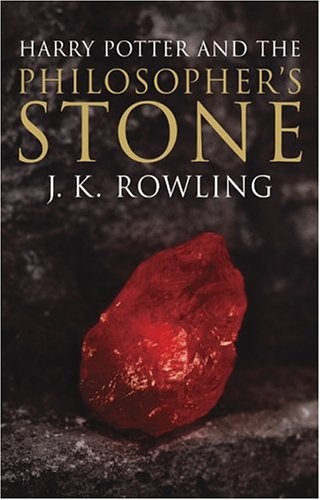
Orphan Harry discovers he is a wizard and starts at Hogwarts, where he finds friends and enemies. The book that created a generation of readers. Magic, mystery and humor.
Best for: first-time fantasy readers. Ages: 8–13.
2. The Worst Witch by Jill Murphy
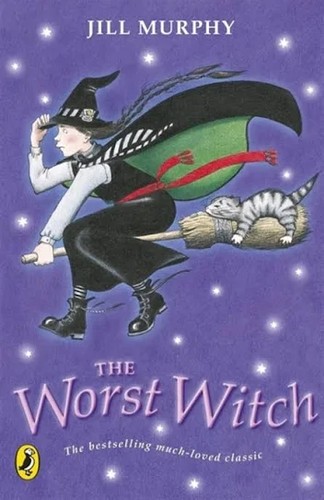
Mildred Hubble is the clumsiest student at Miss Cackle’s Academy. Short, funny and charming. A lighter, earlier magic school story.
Best for: younger readers. Ages: 6–10.
3. The School for Good and Evil by Soman Chainani
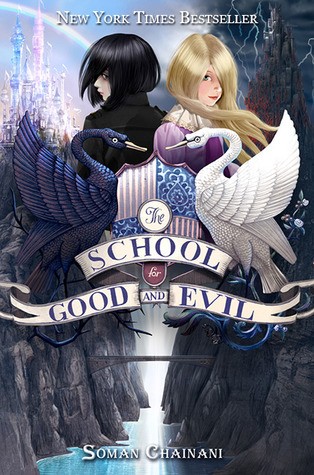
Two best friends are taken to a school for future heroes and villains, but end up in the wrong places. Clever and twisty. The first of a series. Content note: some dark moments.
Best for: fairy-tale twist fans. Ages: 9–13.
4. Jinx by Sage Blackwood
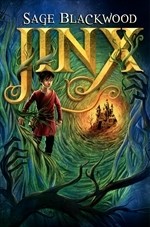
Jinx leaves the dangerous Urwald for a wizard’s cottage and learns magic and trust. Original and witty. The first of a series.
Best for: forest-fantasy fans. Ages: 9–13.
5. The Magic Misfits by Neil Patrick Harris
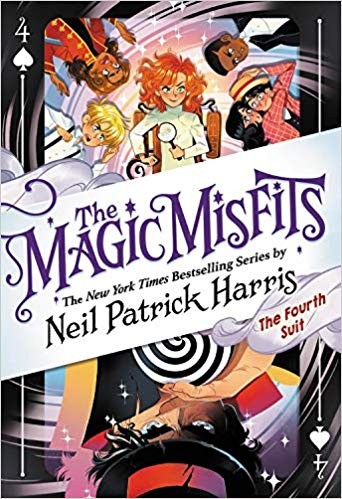
Carter joins a band of kids who perform magic and unmask a villain. Includes puzzles and tricks. Fun and fast.
Best for: magic and mystery fans. Ages: 8–12.
6. A Tale of Magic by Chris Colfer
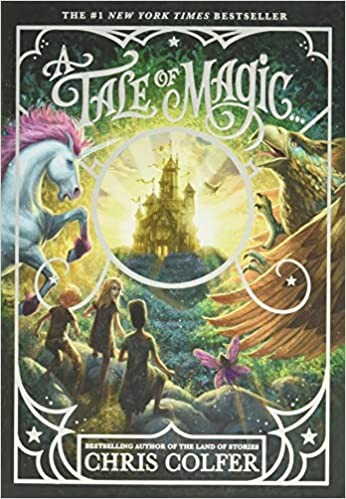
Brystal Evergreen defies the law by learning magic in a hidden academy. Warm and inventive. The first of the Tale of Magic series.
Best for: feminist-fantasy fans. Ages: 9–13.
7. Unicorn Academy: Sophia and Rainbow by Julie Sykes
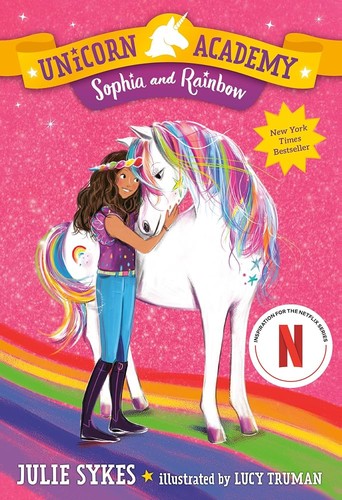
At a school for unicorn riders, Sophia bonds with her unicorn. Short chapters with sparkle. Great for early chapter readers.
Best for: younger animal fans. Ages: 6–9.
8. Witchlings by Claribel A. Ortega
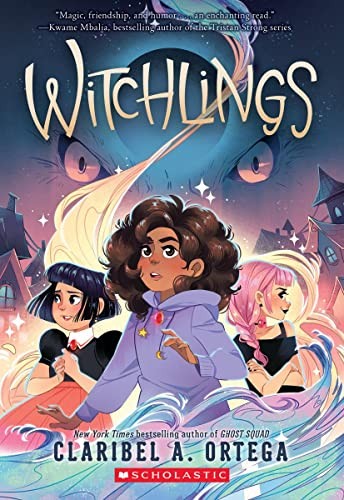
Seren, a young witch, and her friends compete for places in a magical school. Funny and warm. With Latinx characters.
Best for: witchy-school fans. Ages: 8–12.
9. Charlie Bone and the Invisible Boy by Jenny Nimmo
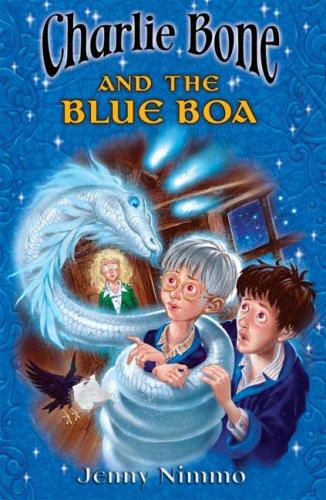
Charlie discovers he can hear people in photographs and goes to a strange school. Atmospheric and mysterious. The first of the Children of the Red King books.
Best for: gothic-school fans. Ages: 8–12.
10. Wizard’s Hall by Jane Yolen
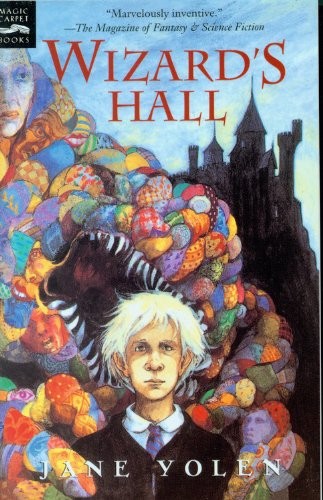
Henry attends a school of wizardry and must find his own magic. Published before Harry Potter. Gentle and charming.
Best for: classic magic-school fans. Ages: 8–12.
11. Magyk by Angie Sage
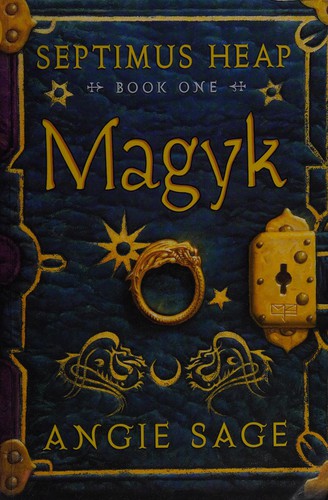
Septimus Heap, the seventh son, is the apprentice to the Extraordinary Wizard. Quirky and richly imagined. The first of the Septimus Heap series.
Best for: epic fantasy fans. Ages: 9–13.
12. Akata Witch by Nnedi Okorafor
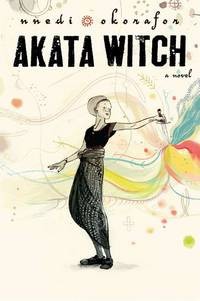
Sunny, a Nigerian American girl, discovers she has magical powers and joins other Leopard People. Vivid and thrilling. Contains some violence. Content note: some violence.
Best for: West African-inspired magic fans. Ages: 11–14.
13. The Magic Thief by Sarah Prineas
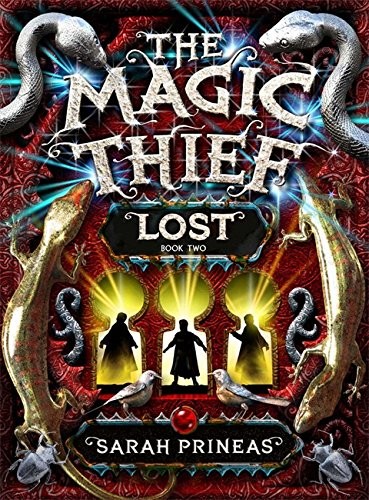
Conn, a thief, steals a wizard’s locus magicalicus and becomes his apprentice. Witty and original. A fast-paced series starter.
Best for: street-smart heroes fans. Ages: 9–13.
14. Pages & Co.: The Bookwanderers by Anna James
Tilly can step into the stories she reads. A bookshop, a mystery and favorite characters. A love letter to reading.
Best for: book lovers. Ages: 8–12.
15. Merlin: The Lost Years by T.A. Barron
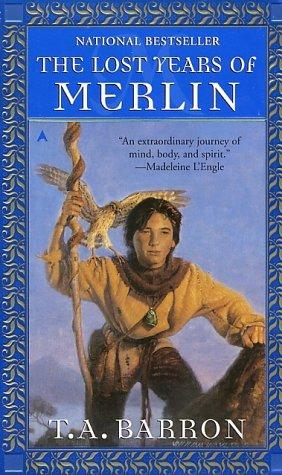
A boy with no memory sets out to discover who he is, eventually becoming Merlin. Epic and moving. The first of a series.
Best for: Arthurian fans. Ages: 10–14.
How to Match a Magic School Book to Your Middle School
Middle school readers range widely. One eleven-year-old may still love illustrated chapter books, while another is ready for novels with darker themes. Start with the reader’s current favorites, then pick a magic school title with a similar length and pace. Look at the first page together: if your middle school can read it smoothly and wants to continue, it is a good fit. Short chapters and strong openings help hesitant readers, while avid readers can handle longer books and series. Pay attention to content notes in this list, and preview a book if your child is sensitive to a particular topic. When in doubt, offer two or three choices and let your child decide, because a book they choose is a book they are more likely to finish.
A Simple Reading Plan for Magic School Books
Choose one book from the list to start this week and set a modest goal, such as twenty minutes a day. Keep a library card in use, since borrowing lets your child try several magic school books without cost. Read the same book yourself, or listen to it as an audiobook in the car, so you can chat about it at dinner. When your middle school finishes, ask which part they liked best and whether they want to try the next book in a series or a similar title from this list. A simple chart on the fridge can track finished books. Celebrate progress with a trip to the library or bookstore rather than with screen time or a prize.
Why Magic School Books Matter for Middle Schoolers
Reading magic school books during the middle school years does more than fill free time. Children this age are building stamina for longer texts, growing their vocabulary and learning to follow complex plots, and they do those things best when they enjoy what they read. A book that fits their interests teaches them that reading is a source of pleasure, not only an assignment. It also gives you a way to talk about hard subjects, friendships and choices through characters, which can be easier than talking about their own lives. Research on reading habits repeatedly finds that children who read for fun do better in school, so a good magic school book is worth far more than its price.
Where to Find and How to Read These Books
Buying every book on this list is not necessary. Start at your public library, where you can borrow print copies, e-books and audiobooks with a free card, and use the holds feature for popular titles. Paperbacks are usually the best value for books your child will reread, and hardcovers hold up better for favorites that will be passed down. Used copies are often cheap, and a classroom or neighborhood swap can add variety. Large-print or dyslexia-friendly editions help some readers, and audiobooks are a good support for children who are building stamina. Whatever format you choose, keep a few magic school books visible on a shelf or by the bed so reading is the easy choice.
After the Last Page: What to Read Next
The last page of a book is a good moment to keep the momentum going. Ask your child what they liked, then look for the sequel, another book by the same author or a similar title from this list. Many children enjoy a small ritual, such as choosing the next magic school book at the library every week. If a book did not work, treat that as information, not failure; it simply tells you what to try next. Notice patterns, such as whether your child prefers short chapters, humor or fast plots, and use them to guide future picks. Over a few months, those small choices add up to a real reading habit.
A Quick Checklist Before You Pick a Magic School Book
Ask these questions before you borrow or buy:
- Is the length right? A 150-page book is a confident win, while a 400-page book is a project.
- Does the first chapter hook your child within a few pages?
- Is the content right for their age and sensitivity?
- Is there a sequel or companion book waiting if they love it?
- Can you find it at your library so there is no risk?
Questions to Talk About After Reading
These work for almost any book on this list:
- What was your favorite part, and why?
- Which character would you want as a friend?
- What would you have done differently in the main character’s place?
- Did the ending surprise you?
- Which book from this list do you want to read next?
Tips for Choosing Magic School Books for Middle Schoolers
- Compare to Hogwarts. Ask what’s the same and different.
- Try different cultures. Akata Witch offers Nigerian magic.
- Choose by reading level. The Worst Witch is easier than Magyk.
- Make a spell book. Invent your own spells and potions.
- Read in order. Most are series.
Related: 15 best book club books for middle schoolers and 15 best books for reluctant readers in middle school.
Frequently Asked Questions
What books are like Harry Potter?
Nevermoor, The School for Good and Evil, Magyk and Pages & Co. are popular choices.
Is Harry Potter appropriate for 8-year-olds?
Many read the first books at 8 to 10, but later books grow darker.
What magic school book is best for beginning readers?
The Worst Witch and Unicorn Academy have short chapters and pictures.