
Disclosure: As an Amazon Associate, Bookish Wisdom earns from qualifying purchases. This doesn’t change our picks or your price.
Quick answer: These 15 magic school books suit teens (ages 13 and up). Start with Harry Potter and the Goblet of Fire, Carry On, A Deadly Education, Hex Hall, Vampire Academy or The Magicians. Each pick below has a short blurb, an age range and a content note where it matters.
Magic academies aren’t only for kids. For teens, these schools hold secrets, rivalries, romance and dangers, and the books examine power, privilege and identity. This list gathers fifteen magical-school and academy stories for ages 13 and up, ranging from light YA to dark academia. Several contain violence, sexual content or heavy themes, and we flag them. Choose one if your teen has outgrown Hogwarts but still wants a school with spells.
Table of Contents
Quick Picks at a Glance
| Book | Author | Ages | Best For |
|---|---|---|---|
| Harry Potter and the Goblet of Fire | J.K. Rowling | 11+ | series fans |
| Carry On | Rainbow Rowell | 13+ | fanfiction-style romance fans |
| A Deadly Education | Naomi Novik | 14+ | dark-academia fans |
| Hex Hall | Rachel Hawkins | 13+ | funny paranormal fans |
| Vampire Academy | Richelle Mead | 14+ | paranormal romance fans |
| The Magicians | Lev Grossman | 16+ | dark-fantasy fans |
| Ninth House | Leigh Bardugo | 17+ | dark-academia fans |
| Babel | R.F. Kuang | 16+ | academia and history fans |
| The Name of the Wind | Patrick Rothfuss | 16+ | long-epic readers |
| Sabriel | Garth Nix | 13+ | dark-fantasy fans |
| Akata Warrior | Nnedi Okorafor | 12+ | sequel readers |
| Sorcery of Thorns | Margaret Rogerson | 13+ | book-lover fantasy fans |
| The Invisible Library | Genevieve Cogman | 14+ | library-adventure fans |
| Charmed Life | Diana Wynne Jones | 10+ | classic fans |
| Magic for Liars | Sarah Gailey | 16+ | noir and fantasy fans |
1. Harry Potter and the Goblet of Fire by J.K. Rowling
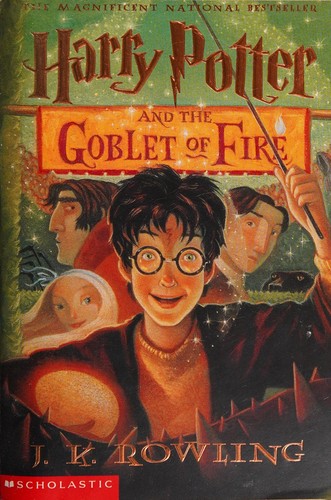
The Triwizard Tournament comes to Hogwarts, and Harry is chosen as a mysterious fourth champion. The series turns darker here. A major turning point. Content note: violence and a death.
Best for: series fans. Ages: 11+.
2. Carry On by Rainbow Rowell
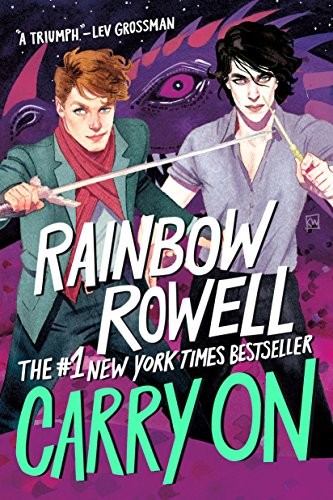
Simon Snow, the Chosen One, returns for his last year at Watford with his roommate and enemy Baz. Funny, queer and full of tropes. A love letter to magic school stories.
Best for: fanfiction-style romance fans. Ages: 13+.
3. A Deadly Education by Naomi Novik
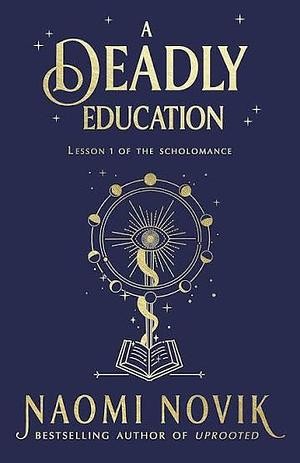
At the Scholomance, students face monsters daily, and El tries to survive until graduation. Snarky and brilliant. The first of the Scholomance trilogy. Content note: violence.
Best for: dark-academia fans. Ages: 14+.
4. Hex Hall by Rachel Hawkins
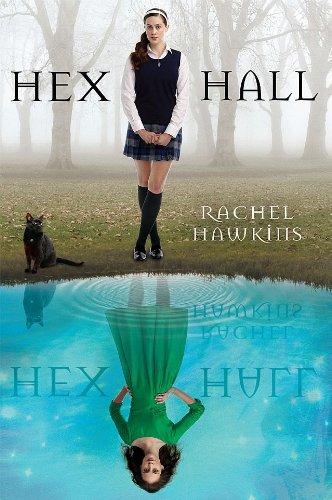
Sophie is sent to a boarding school for magical delinquents. Witty and light. The start of a trilogy.
Best for: funny paranormal fans. Ages: 13+.
5. Vampire Academy by Richelle Mead
Rose and her best friend Lissa return to a school for vampires and their guardians. Fast and romantic. Contains violence and sexual content. Content note: violence and sexual content.
Best for: paranormal romance fans. Ages: 14+.
6. The Magicians by Lev Grossman
Quentin Coldwater discovers Brakebills, a college of magic, and a fantasy world. Adult in tone, melancholy and sharp. Contains drug use and sex. Content note: drug use and sexual content.
Best for: dark-fantasy fans. Ages: 16+.
7. Ninth House by Leigh Bardugo
Alex, a survivor, is sent to Yale to monitor secret societies that practice magic. Gritty, gripping adult fantasy. Contains violence and assault. Content note: sexual assault and violence.
Best for: dark-academia fans. Ages: 17+.
8. Babel by R.F. Kuang
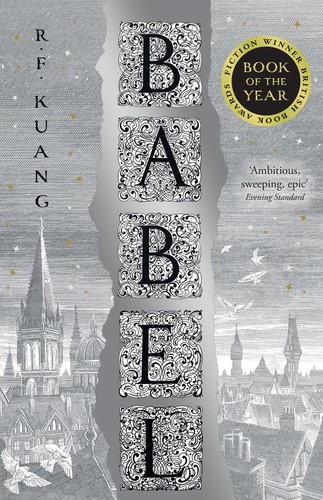
At Oxford in the 1830s, translators wield silver-based magic and face colonial violence. Rich and political. Contains racism and violence. Content note: racism and violence.
Best for: academia and history fans. Ages: 16+.
9. The Name of the Wind by Patrick Rothfuss
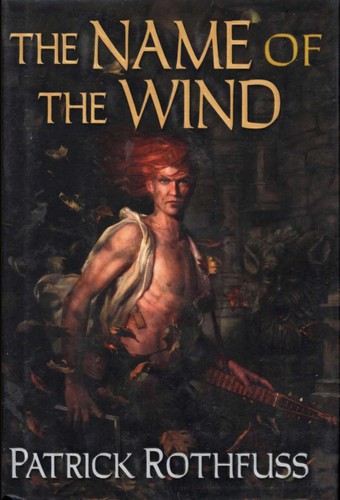
Kvothe tells his life story, including his time at the University. Lyrical and immersive. A long first volume of an unfinished series. Content note: some violence.
Best for: long-epic readers. Ages: 16+.
10. Sabriel by Garth Nix
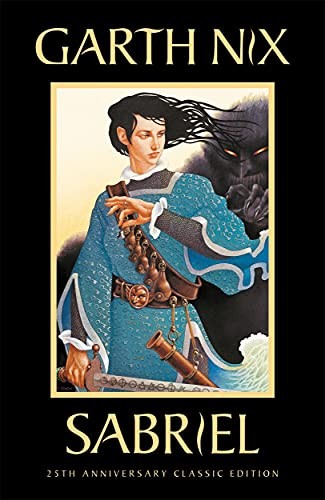
Sabriel returns from a boarding school to the Old Kingdom to find her missing father. Inventive and eerie. The first of the Abhorsen series. Content note: dark themes.
Best for: dark-fantasy fans. Ages: 13+.
11. Akata Warrior by Nnedi Okorafor
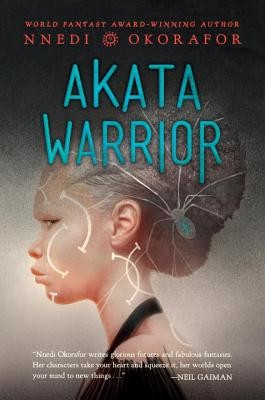
Sunny continues her training and faces a threat to the world. Colorful, Nigerian-inspired fantasy. Best read after Akata Witch.
Best for: sequel readers. Ages: 12+.
12. Sorcery of Thorns by Margaret Rogerson
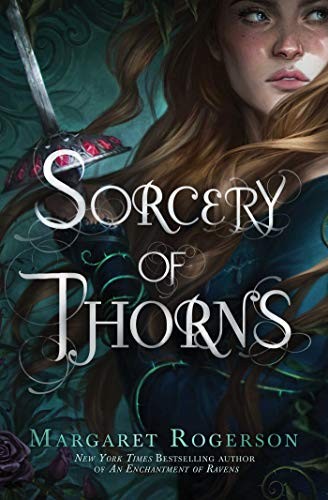
Elisabeth, an apprentice librarian, tries to protect dangerous grimoires. A cozy, adventurous romance. Contains some violence. Content note: some violence.
Best for: book-lover fantasy fans. Ages: 13+.
13. The Invisible Library by Genevieve Cogman
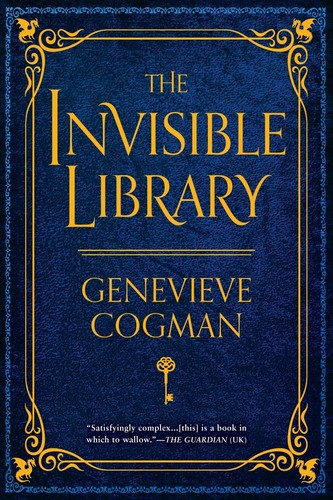
Irene, a spy-librarian, collects unique books from alternate worlds. Fun and fast. The first of a series.
Best for: library-adventure fans. Ages: 14+.
14. Charmed Life by Diana Wynne Jones
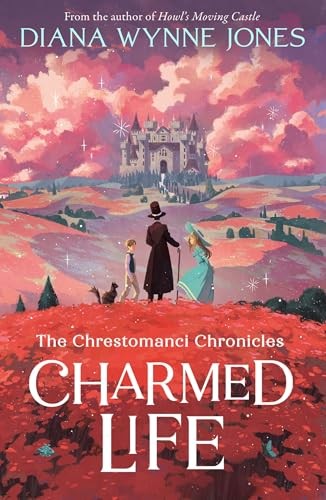
Cat and his sister Gwendolen are sent to live with an enchanter. A witty, early magic-school-adjacent story. A classic with humor.
Best for: classic fans. Ages: 10+.
15. Magic for Liars by Sarah Gailey
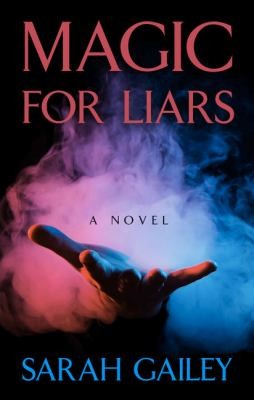
A detective investigates a murder at a magic school. Dark, funny and unusual. Contains mature themes. Content note: violence and mature themes.
Best for: noir and fantasy fans. Ages: 16+.
How to Match a Magic School Book to Your Teen
Teen readers want books that respect their intelligence and reflect real feelings. Begin with what your teen already enjoys, whether that is a show, a game or a favorite author, and choose a magic school title that echoes it. Teens often prefer to pick for themselves, so offer a short stack instead of one assigned book. Read the content notes in this list, since some books cover mature themes, and talk openly about them. A short, fast-paced novel is a good way back into reading for someone who has drifted away, while avid readers may enjoy long series. Libraries, e-books and audiobooks all count as reading, and a teen who listens on a commute is still building vocabulary.
A Simple Reading Plan for Magic School Books
Pick one title to try this month and set a small target, such as ten to twenty pages a day or one chapter before bed. Library apps and e-readers make magic school books easy to carry, and audiobooks fill commutes and chores. If a book does not hook your teen within the first fifty pages, switching is fine. Not every book suits every reader. Encourage your teen to share what they are reading with friends, in a club or online, since talking about books keeps the habit alive. A short list of next reads on a phone note can help them keep going without searching each time.
Why Magic School Books Matter for Teens
Reading magic school books as a teen does more than pass time. Fiction and narrative nonfiction build empathy by letting readers live inside other people’s choices, and they strengthen the focus and vocabulary that school, college and work reward. Teens who read for pleasure tend to do better academically, and they often say books helped them feel less alone. A magic school book can also be a bridge for conversation, giving parents and teens a safe way to talk about difficult subjects through characters instead of directly. Because teens are busy, the best strategy is to make reading easy and rewarding, which is exactly what a well-chosen book does.
Where to Find and How to Read These Books
You do not need to buy every title. A library card gives your teen free access to print books, e-books and audiobooks through apps such as Libby, and holds let you queue popular magic school titles. Paperbacks are the best value, and used copies are plentiful for older bestsellers. E-readers and phones make books easy to carry, and audiobooks turn commutes, workouts and chores into reading time. Many schools also run reading lists and book clubs that use these titles. If your teen likes a book, check whether it has a sequel or a companion book, because finishing a series is often what turns a casual reader into a committed one.
After the Last Page: What to Read Next
When your teen finishes a book, the best next step is usually a short conversation, not a quiz. Ask what they thought of the ending, whether they would recommend it and what they want to read next. Then look for a sequel, another book by the same author or a similar magic school title from this list. A shared reading list on a phone, a library hold queue or a school or online book club can keep the momentum going. If a book did not work, that is useful information about taste. Trying a few different books is how teens find what they love.
A Quick Checklist Before You Pick a Magic School Book
Ask these questions before you borrow or buy:
- Does the opening grab your teen within the first chapter or two?
- Is the content, including violence, language and romance, right for their maturity?
- Is it standalone, or the start of a series they can binge?
- Does a library, e-book or audiobook copy exist so they can start immediately?
- Does it connect to something they already love, such as a show, game or hobby?
Questions to Talk About After Reading
These work for almost any book on this list:
- What do you think the author was really trying to say?
- Which character did you understand best, and which frustrated you?
- Did the ending feel earned?
- How does this book compare with others in the genre?
- Would you recommend it to a friend, and what would you say?
Tips for Choosing Magic School Books for Teens
- Match maturity. Several of these are adult novels.
- Start light. Carry On and Hex Hall are fun and mild.
- Try dark academia. Ninth House and A Deadly Education are grittier.
- Read in order. Most are series openers.
- Make a house list. Sort your friends for fun.
Related: 15 best magic school books for middle schoolers and 15 best book club books for teens.
Frequently Asked Questions
What books are like Harry Potter for teens?
Carry On, A Deadly Education, Hex Hall and Sabriel are popular.
Which magic school books are for older readers?
Ninth House, The Magicians and Babel are adult.
Is A Deadly Education appropriate for 14-year-olds?
It contains violence but little else, and many teens enjoy it.