

Disclosure: As an Amazon Associate, Bookish Wisdom earns from qualifying purchases. This doesn’t change our picks or your price.
Quick answer: The best memoirs for book clubs are honest, beautifully written true stories that invite members to share their own experiences. Top picks include Educated, Becoming, The Glass Castle, Born a Crime, Crying in H Mart and When Breath Becomes Air.
Memoirs might be the most personal books a club can read. When someone tells the truth about their childhood, grief, ambition or mistakes, readers almost always respond with stories of their own. That’s why memoir meetings tend to run long and feel close. The list below covers a range of voices and experiences: unusual childhoods, famous lives, illness and loss, identity, food and family. Some deal with heavy subjects, so we’ve added content notes where it matters. Each book also includes a question to open the conversation.
Table of Contents
Quick Picks at a Glance
| Book | Author | Theme | Best For |
|---|---|---|---|
| Educated | Tara Westover | Family and self-invention | First memoir pick |
| Becoming | Michelle Obama | Identity and ambition | Large or mixed groups |
| The Glass Castle | Jeannette Walls | Childhood and resilience | Discussion-heavy groups |
| Born a Crime | Trevor Noah | Race and family | Groups that want humor |
| Crying in H Mart | Michelle Zauner | Grief and food | Food lovers |
| I’m Glad My Mom Died | Jennette McCurdy | Family and fame | Younger-adult groups |
| When Breath Becomes Air | Paul Kalanithi | Mortality and meaning | Reflective groups |
| Wild | Cheryl Strayed | Grief and adventure | Outdoor lovers |
| Know My Name | Chanel Miller | Justice and healing | Groups ready for serious topics |
| The Year of Magical Thinking | Joan Didion | Grief | Literary groups |
| Night | Elie Wiesel | Holocaust | Short but powerful pick |
| Angela’s Ashes | Frank McCourt | Poverty and childhood | Classic memoir fans |
| Just Kids | Patti Smith | Art and friendship | Creative groups |
| Finding Me | Viola Davis | Resilience and success | Inspiration seekers |
| Heavy | Kiese Laymon | Body, race and family | Groups that like bold writing |
1. Educated by Tara Westover
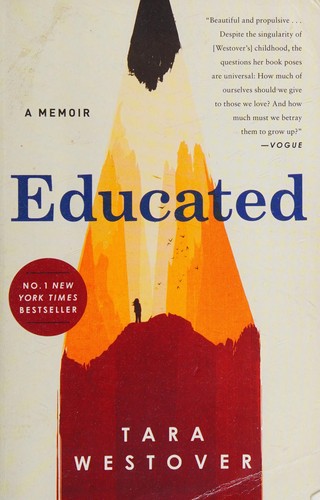
Westover grew up in a survivalist family in rural Idaho, with no school and no doctors. Through sheer determination she taught herself enough to get into college, and eventually earned a PhD. It’s a gripping, complicated look at family loyalty and memory.
Talk about: Can you love your family and still walk away from them?
2. Becoming by Michelle Obama
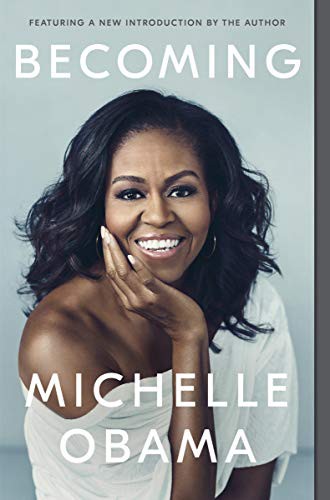
The former First Lady writes about growing up on Chicago’s South Side, building a career, marriage and motherhood, and life in the White House. It’s warm, candid and surprisingly funny, and the chapters are easy to split across meetings.
Talk about: Which stage of her life did you relate to most?
3. The Glass Castle by Jeannette Walls
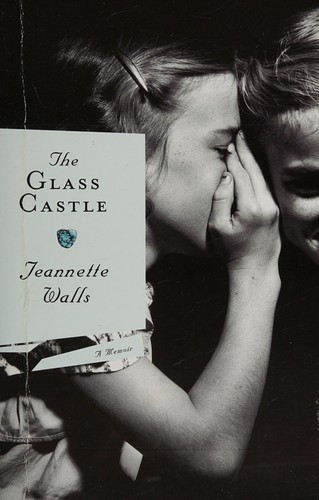
Walls describes a chaotic childhood with brilliant, unreliable parents who moved the family from place to place, often without food or heat. She writes without self-pity, and readers argue for hours about whether her father was a dreamer or a danger.
Talk about: How did Walls manage to love her parents despite everything?
4. Born a Crime by Trevor Noah
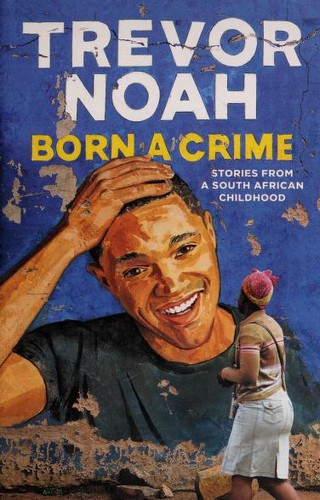
Noah grew up in apartheid South Africa as the son of a Black mother and a white father, a relationship that was illegal. His stories are hilarious and heartbreaking, and his fearless mother steals the show.
Talk about: What role did humor play in how Noah survived?
5. Crying in H Mart by Michelle Zauner
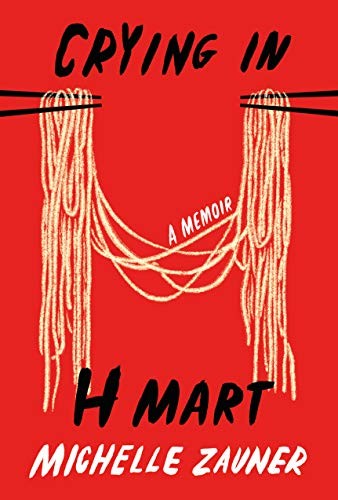
The Japanese Breakfast musician writes about losing her Korean mother to cancer and finding her way back to her heritage through cooking. It’s tender, sensory and full of food that will make you hungry.
Talk about: Which foods connect you to someone you love?
6. I’m Glad My Mom Died by Jennette McCurdy
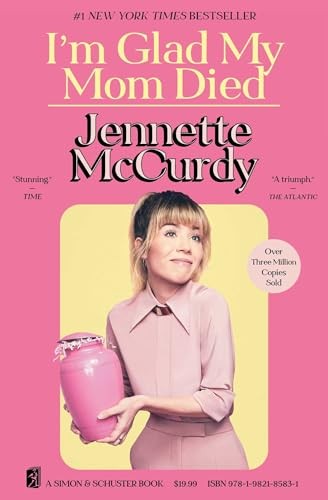
The former Nickelodeon star describes a childhood controlled by her mother’s ambitions and the eating disorder that followed. Despite the title, it’s darkly funny and ultimately hopeful. Content note: eating disorders and abuse.
Talk about: How did the title change your expectations of the book?
7. When Breath Becomes Air by Paul Kalanithi
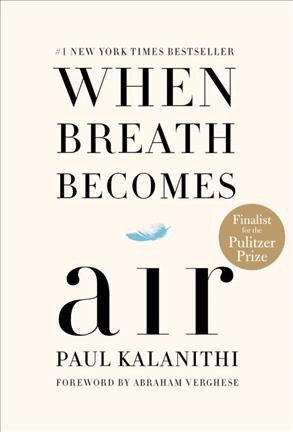
A neurosurgeon diagnosed with lung cancer at 36 reflects on what makes life worth living. Written in his final months, it’s short, wise and unforgettable, with an epilogue by his wife, Lucy.
Talk about: If you knew your time was limited, what would you change?
8. Wild by Cheryl Strayed

After her mother’s death and her own life falling apart, Strayed hiked more than 1,000 miles of the Pacific Crest Trail alone with no experience. It’s raw, honest and full of discussion-worthy choices.
Talk about: Have you ever done something drastic to reset your life?
9. Know My Name by Chanel Miller
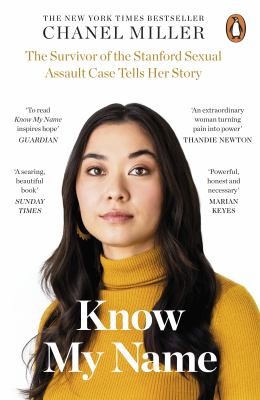
Miller, known in the news for years only as “Emily Doe,” reclaims her story after a sexual assault and the trial that followed. It’s beautifully written and a powerful look at the justice system. Content note: sexual assault.
Talk about: What did this book teach you about how victims are treated?
10. The Year of Magical Thinking by Joan Didion
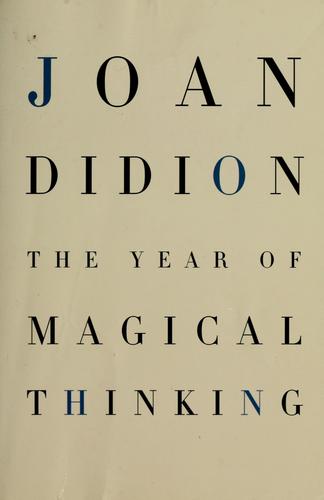
Didion chronicles the year after her husband died suddenly while their daughter lay critically ill. Her precise, clear-eyed prose captures how grief scrambles our thinking. It’s slim but rich.
Talk about: Which of Didion’s observations about grief rang truest for you?
11. Night by Elie Wiesel
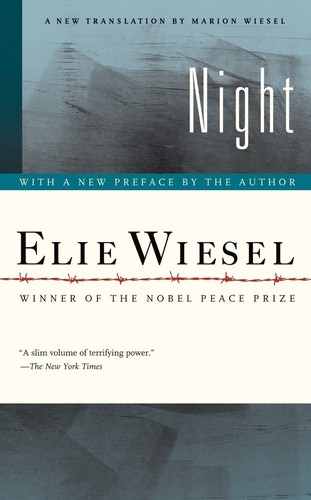
Wiesel recounts his teenage years in Auschwitz and Buchenwald with his father. At just over 100 pages, it’s one of the most important memoirs ever written, and it leaves a lasting impact. Content note: genocide.
Talk about: Why is it important to keep reading survivor testimony today?
12. Angela’s Ashes by Frank McCourt
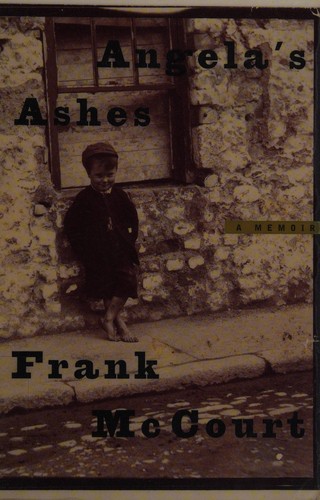
McCourt describes growing up desperately poor in Limerick, Ireland, with a father who drank away the family’s money. Somehow the book is also very funny. It won the Pulitzer Prize.
Talk about: How does McCourt make such a sad childhood so funny?
13. Just Kids by Patti Smith
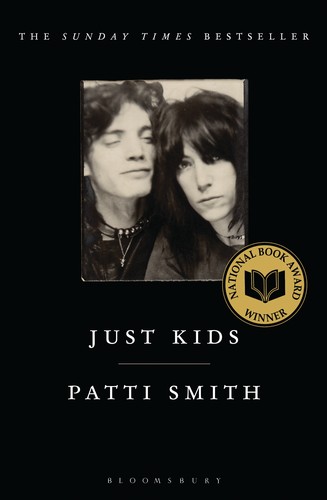
Smith tells the story of her friendship with photographer Robert Mapplethorpe as two broke young artists in late-1960s New York. It’s a love letter to creativity, friendship and a city that no longer exists.
Talk about: What does it cost to commit fully to making art?
14. Finding Me by Viola Davis
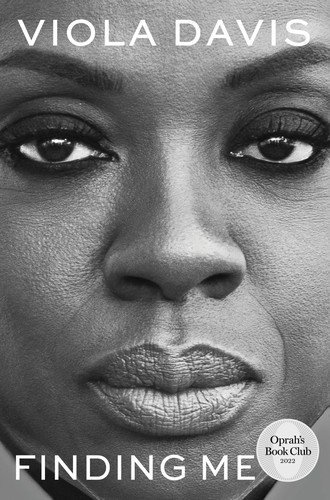
The Oscar-winning actor writes about growing up in poverty in Rhode Island, facing racism and trauma, and finding her voice. It’s honest, painful and triumphant.
Talk about: What helped Davis keep going when the odds were against her?
15. Heavy by Kiese Laymon
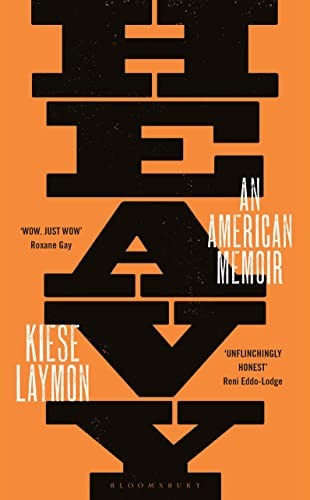
Written as a letter to his mother, Laymon’s memoir explores weight, race, violence and family in Mississippi. It’s challenging and stylistically daring, and it gives a club plenty to unpack.
Talk about: Why do you think Laymon addressed the book to his mother?
Tips for a Memoir Book Club
- Set ground rules for sharing. Memoirs bring up personal stories, so agree that what’s said in the group stays there.
- Discuss memory and truth. Ask how much the author could really remember and whether that matters.
- Look up interviews. Hearing the author speak often adds new layers.
- Check in before heavy reads. Share content notes so members can opt out without pressure.
- Pair with a lighter pick after an intense memoir.
- Try a “six-word memoir” warm-up, where everyone sums up their own life in six words.
Related: our Born a Crime summary and the best nonfiction books for book clubs.
Frequently Asked Questions
What is a good memoir for a book club?
Educated, Becoming, The Glass Castle and Born a Crime are among the most popular memoirs for book clubs because they’re gripping and raise questions everyone can relate to.
What’s the difference between a memoir and an autobiography?
An autobiography covers a whole life, usually in order. A memoir focuses on a specific theme, period or set of experiences, which often makes it more focused and easier to discuss.
Are memoirs good for book clubs?
Yes. Memoirs invite members to share their own experiences, which tends to make discussions personal and memorable.