
Disclosure: As an Amazon Associate, Bookish Wisdom earns from qualifying purchases. This doesn’t change our picks or your price.
Quick answer: The best nonfiction books for book clubs read like stories but leave you with big questions to debate. Top picks include The Immortal Life of Henrietta Lacks, Killers of the Flower Moon, Sapiens, The Boys in the Boat, Quiet and Braiding Sweetgrass.
Fiction gets most of the book club love, but nonfiction often sparks the liveliest meetings. Real events give everyone something concrete to react to, and members bring their own experience, work and opinions to the table. The trick is choosing narrative nonfiction: books with characters, tension and a clear story, not dry textbooks. This list mixes history, science, psychology, business and nature writing, so you can rotate topics and keep things fresh. Most titles are under 400 pages, and each one comes with a question to get your group started.
Table of Contents
Quick Picks at a Glance
| Book | Author | Topic | Best For |
|---|---|---|---|
| The Immortal Life of Henrietta Lacks | Rebecca Skloot | Science and ethics | Medical ethics debate |
| Killers of the Flower Moon | David Grann | American history | True-crime fans |
| Sapiens | Yuval Noah Harari | Human history | Big-picture thinkers |
| The Boys in the Boat | Daniel James Brown | Sports history | Uplifting history |
| Quiet | Susan Cain | Psychology | Self-reflection |
| Braiding Sweetgrass | Robin Wall Kimmerer | Nature and Indigenous wisdom | Slow, reflective reading |
| The Warmth of Other Suns | Isabel Wilkerson | American history | Ambitious groups |
| Outliers | Malcolm Gladwell | Success and society | Light, debate-friendly pick |
| Bad Blood | John Carreyrou | Business | Workplace groups |
| Hidden Figures | Margot Lee Shetterly | Science history | Mother-daughter or mixed-age groups |
| Being Mortal | Atul Gawande | Medicine and aging | Groups with aging parents |
| Empire of Pain | Patrick Radden Keefe | Business and public health | Investigative-journalism fans |
| The Sixth Extinction | Elizabeth Kolbert | Science and environment | Science-curious groups |
| Into Thin Air | Jon Krakauer | Adventure | Readers who love suspense |
| Educated | Tara Westover | Memoir | Groups new to nonfiction |
1. The Immortal Life of Henrietta Lacks by Rebecca Skloot
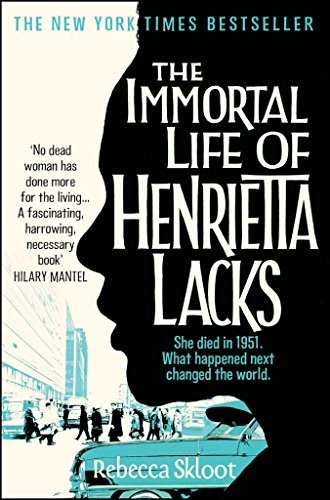
Henrietta Lacks’s cells were taken without her knowledge in 1951 and went on to transform medicine. Skloot weaves the science together with the story of the Lacks family, who didn’t learn about it for decades. It’s moving, infuriating and impossible to put down.
Talk about: Who should own our cells and medical data, and what did the family deserve?
2. Killers of the Flower Moon by David Grann
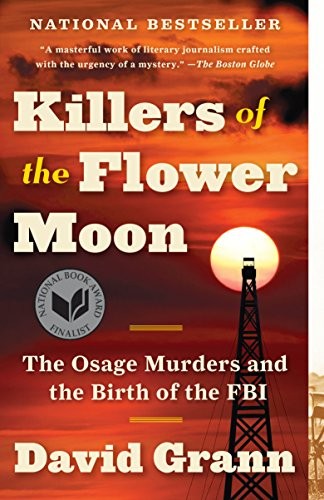
In 1920s Oklahoma, members of the oil-rich Osage Nation were murdered one after another. Grann follows the investigation that helped shape the early FBI and uncovers how deep the conspiracy really went. It reads like a thriller, but every page is true.
Talk about: Why was this history left out of so many classrooms?
3. Sapiens by Yuval Noah Harari
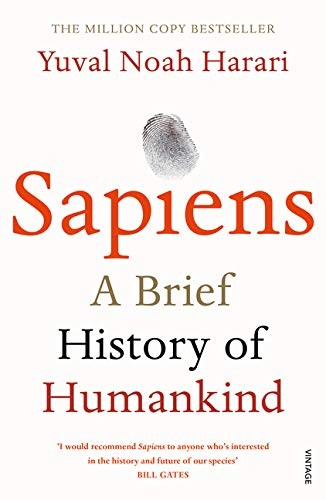
Harari tells the story of our species, from foragers to farmers to the modern world, and argues that shared myths like money and nations let humans cooperate in huge numbers. You won’t agree with every claim, which is exactly what makes it great for discussion.
Talk about: Which of Harari’s arguments convinced you, and which didn’t?
4. The Boys in the Boat by Daniel James Brown
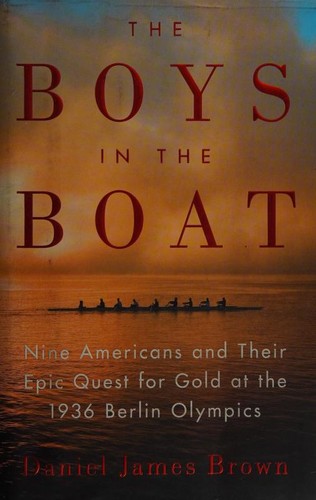
Nine working-class young men from the University of Washington rowing team chased gold at the 1936 Berlin Olympics. Centered on Joe Rantz, who grew up nearly alone during the Depression, it’s a story about teamwork, grit and belonging.
Talk about: What does it take for a group to work as one?
5. Quiet by Susan Cain
Cain explores how schools, offices and culture reward extroverts, and what we lose by overlooking quieter people. Grounded in research and personal stories, it helps readers understand themselves and the people they live and work with.
Talk about: Do you identify as an introvert, extrovert or somewhere in between?
6. Braiding Sweetgrass by Robin Wall Kimmerer
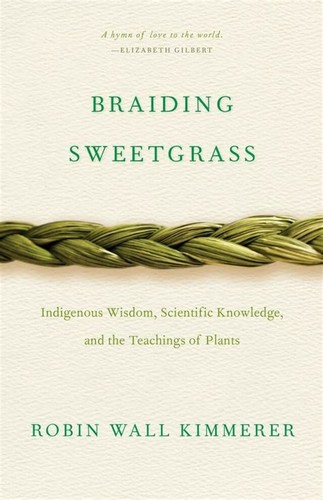
A botanist and member of the Citizen Potawatomi Nation blends plant science with Indigenous teachings about gratitude and reciprocity. The essays are short, so it’s easy to read a few at a time, and many groups say it changed how they see the natural world.
Talk about: What would it look like to treat the earth as a gift rather than a resource?
7. The Warmth of Other Suns by Isabel Wilkerson
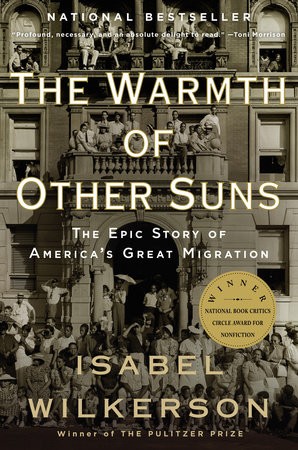
Wilkerson tells the story of the Great Migration, when about six million Black Americans left the South, through three people who made the journey in different decades. It’s long, but the personal stories make it read like a novel.
Talk about: How did the Great Migration shape the city or region you live in?
8. Outliers by Malcolm Gladwell
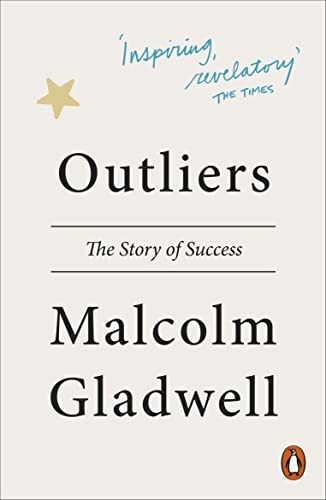
Gladwell argues that success depends less on individual genius and more on timing, culture and opportunity, from hockey players’ birthdays to the famous 10,000-hour idea. It’s a quick read with lots of arguable claims.
Talk about: What “hidden advantages” helped shape your own path?
9. Bad Blood by John Carreyrou
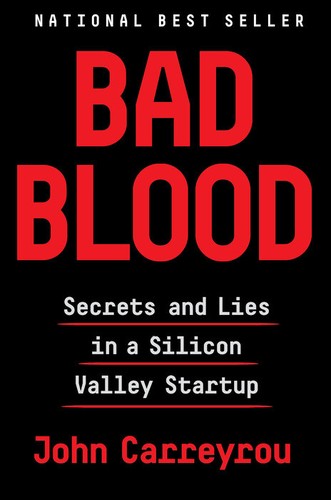
The reporter who exposed Theranos tells how Elizabeth Holmes raised hundreds of millions for blood-testing technology that didn’t work as promised. It’s a gripping story about ambition, fear and the people brave enough to speak up.
Talk about: Why did so many smart people believe the story for so long?
10. Hidden Figures by Margot Lee Shetterly
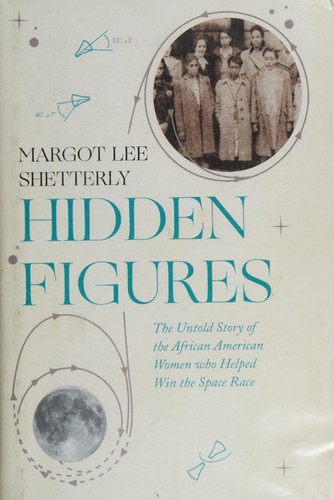
This is the true story of the Black women mathematicians whose calculations helped power NASA and the space race while they fought segregation and sexism. It’s inspiring, and the book goes deeper than the movie.
Talk about: Whose contributions in your own field or family have gone unrecognized?
11. Being Mortal by Atul Gawande
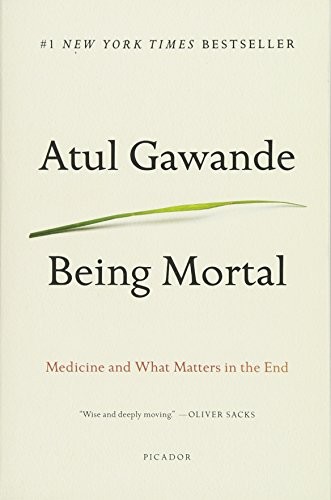
A surgeon looks at how modern medicine handles aging and the end of life, and argues for care that puts quality of life first. It’s tender and practical, and many readers say it helped them have hard conversations with family.
Talk about: What matters most to you about how you want to live in your later years?
12. Empire of Pain by Patrick Radden Keefe
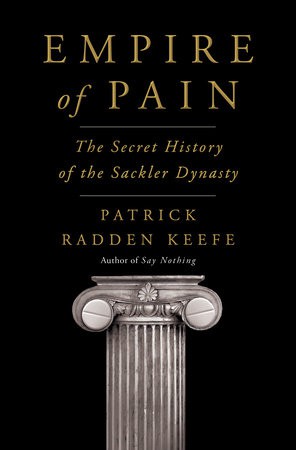
Keefe traces the Sackler family, their philanthropy and the role of OxyContin in the opioid crisis. It’s thorough, sharp and deeply readable, and it raises big questions about wealth, responsibility and accountability.
Talk about: Should museums and universities keep money from controversial donors?
13. The Sixth Extinction by Elizabeth Kolbert
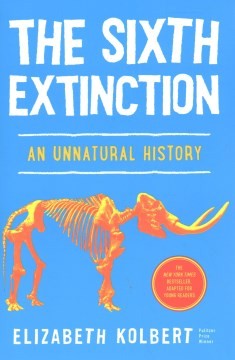
Kolbert travels from rainforests to coral reefs to show how human activity is driving species loss. This Pulitzer Prize winner is clear and engaging, never preachy.
Talk about: Did this book change any of your everyday habits?
14. Into Thin Air by Jon Krakauer
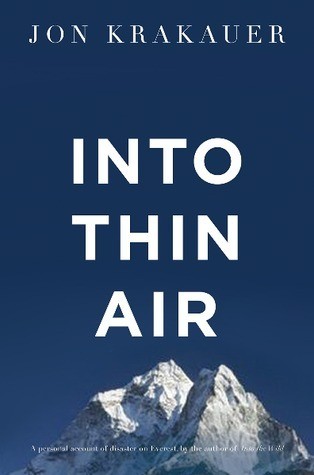
Krakauer was on Mount Everest during the deadly 1996 storm and recounts what went wrong in vivid detail. It’s a page-turner that leaves plenty to debate about risk, money and responsibility on the mountain.
Talk about: Would you ever attempt something this dangerous, and why?
15. Educated by Tara Westover
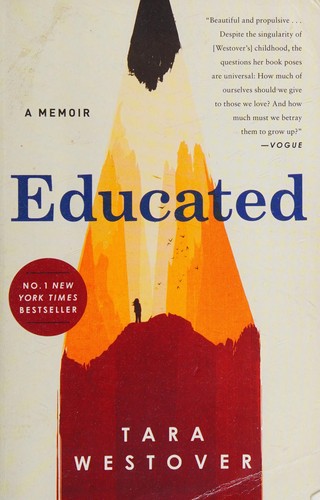
Raised by survivalist parents in Idaho, Westover never went to school, yet she eventually earned a PhD from Cambridge. Her memoir is about family loyalty, memory and the cost of self-invention, and it’s one of the most discussed book club picks of the past decade.
Talk about: How do you balance loyalty to family with being true to yourself?
Tips for a Nonfiction Book Club
- Pick narrative nonfiction, books with characters and a storyline, especially for your first few meetings.
- Let people read selectively. For long books, agree on key chapters so no one feels behind.
- Bring in extra sources. A short documentary clip, article or podcast episode adds a fresh angle.
- Invite personal experience. Ask members how the topic touches their work, family or community.
- Fact-check together. Look up what has changed since the book came out.
- Alternate with fiction so the group gets variety across the year.
Related: the benefits of reading nonfiction and the best book club books of all time.
Frequently Asked Questions
What is a good nonfiction book for a book club?
The Immortal Life of Henrietta Lacks, Killers of the Flower Moon, The Boys in the Boat and Educated are reliable choices because they read like stories and raise questions everyone can weigh in on.
Is nonfiction good for book clubs?
Yes. Narrative nonfiction often sparks livelier discussion than fiction because members can connect real events to their own lives, work and opinions.
How long should a book club nonfiction book be?
Aim for 250 to 400 pages for a monthly club. For longer books, split the reading over two meetings or agree on key chapters.