
Disclosure: As an Amazon Associate, Bookish Wisdom earns from qualifying purchases. This doesn’t change our picks or your price.
Quick answer: These 15 mythology books suit teens (ages 13 and up). Start with Mythos, Heroes, Circe, The Song of Achilles, Ariadne or The Odyssey (translated by Emily Wilson). Each pick below has a short blurb, an age range and a content note where it matters.
Teens who love myths often find that the old stories feel startlingly modern: gods who bicker, heroes who stumble and monsters who might have a point. This list gathers fifteen of the best for ages 13 and up, mixing original texts and powerful modern retellings. Some contain violence and sexual content, and we flag them. Pick one if your teen wants a deeper dive after Percy Jackson, or for a classics class assignment.
Table of Contents
Quick Picks at a Glance
| Book | Author | Ages | Best For |
|---|---|---|---|
| Mythos | Stephen Fry | 13+ | witty myth readers |
| Heroes | Stephen Fry | 13+ | heroic-quest fans |
| Circe | Madeline Miller | 15+ | feminist-retelling fans |
| The Song of Achilles | Madeline Miller | 15+ | romance and tragedy fans |
| Ariadne | Jennifer Saint | 15+ | retelling fans |
| The Odyssey (translated by Emily Wilson) | Homer | 14+ | epic readers |
| The Iliad (translated by Robert Fagles) | Homer | 14+ | war-epic readers |
| Metamorphoses | Ovid | 15+ | myth collectors |
| Beowulf (translated by Seamus Heaney) | Anonymous | 14+ | monster-story readers |
| The Penelopiad | Margaret Atwood | 15+ | feminist readers |
| Lore | Alexandra Bracken | 14+ | urban-fantasy fans |
| Gods of Jade and Shadow | Silvia Moreno-Garcia | 15+ | Maya-myth readers |
| Daughter of the Moon Goddess | Sue Lynn Tan | 15+ | Chinese-myth readers |
| Pandora’s Jar | Natalie Haynes | 15+ | myth critics |
| Lavinia | Ursula K. Le Guin | 15+ | Roman-epic fans |
1. Mythos by Stephen Fry
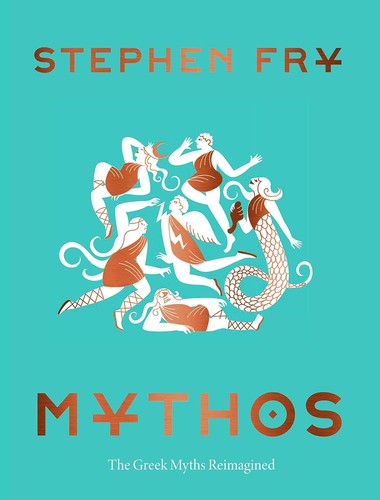
Fry retells Greek myths with humor and warmth. Accessible and engaging. Great for audiobook listening too. Content note: some adult themes.
Best for: witty myth readers. Ages: 13+.
2. Heroes by Stephen Fry
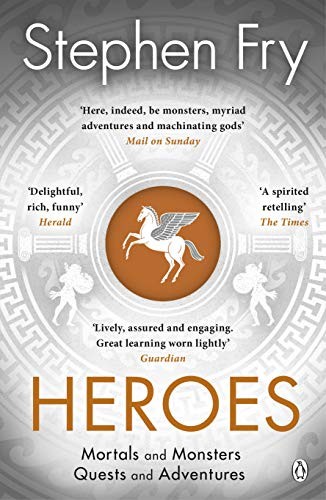
Fry continues with the stories of Perseus, Heracles and Jason. Funny and detailed. A natural sequel to Mythos.
Best for: heroic-quest fans. Ages: 13+.
3. Circe by Madeline Miller
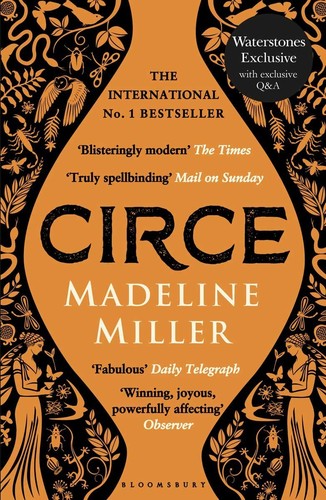
Circe, daughter of a Titan, is banished to an island and becomes a witch. Lyrical and compelling. Contains sexual violence. Content note: sexual violence.
Best for: feminist-retelling fans. Ages: 15+.
4. The Song of Achilles by Madeline Miller
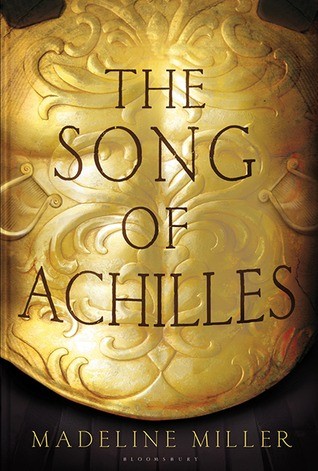
Patroclus tells of his love for Achilles and the Trojan War. A beautiful, tragic retelling. Contains sexual content and war violence. Content note: sexual content and violence.
Best for: romance and tragedy fans. Ages: 15+.
5. Ariadne by Jennifer Saint
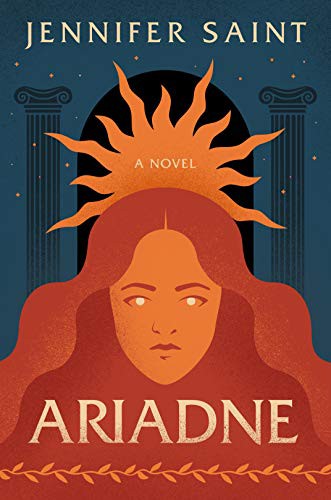
Ariadne helps Theseus kill the Minotaur and is abandoned. A story of betrayal and resilience. Told from a woman’s perspective. Content note: violence and betrayal.
Best for: retelling fans. Ages: 15+.
6. The Odyssey by Homer (translated by Emily Wilson)
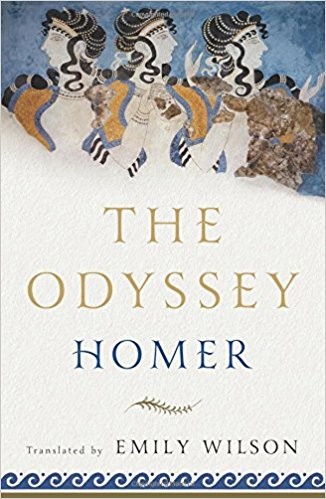
Odysseus’ long journey home from Troy in an accessible modern translation. Fast and vivid. The language is plain and lively. Content note: violence.
Best for: epic readers. Ages: 14+.
7. The Iliad by Homer (translated by Robert Fagles)
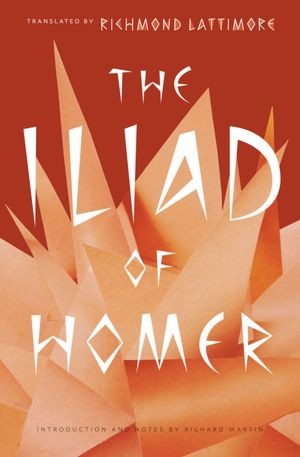
The wrath of Achilles in the Trojan War. A powerful, bloody epic. Fagles’ translation reads well. Content note: graphic battle violence.
Best for: war-epic readers. Ages: 14+.
8. Metamorphoses by Ovid
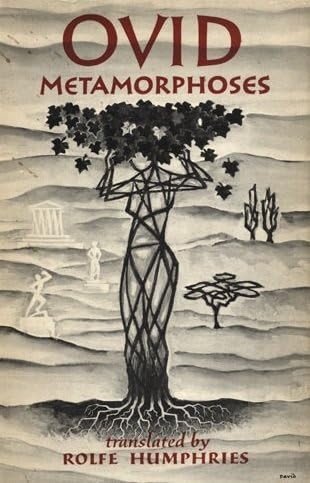
Ovid retells hundreds of Greek and Roman transformation myths. A source for much of Western art and literature. Includes violence and assault. Content note: sexual violence.
Best for: myth collectors. Ages: 15+.
9. Beowulf by Seamus Heaney (translator)
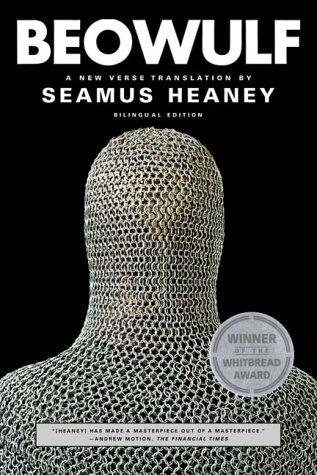
The hero Beowulf fights Grendel, his mother and a dragon. Heaney’s translation is vigorous. Short and strong. Content note: battle violence.
Best for: monster-story readers. Ages: 14+.
10. The Penelopiad by Margaret Atwood
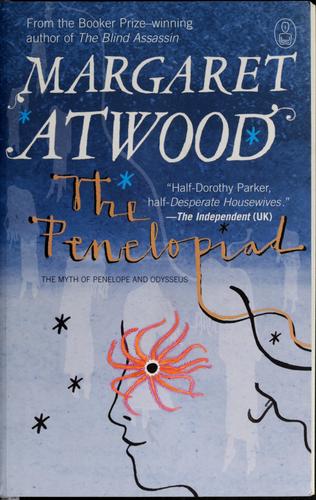
Penelope narrates the Odyssey from the afterlife, exposing the story’s injustices. Short and clever. Contains violence. Content note: violence and the hanging of maids.
Best for: feminist readers. Ages: 15+.
11. Lore by Alexandra Bracken
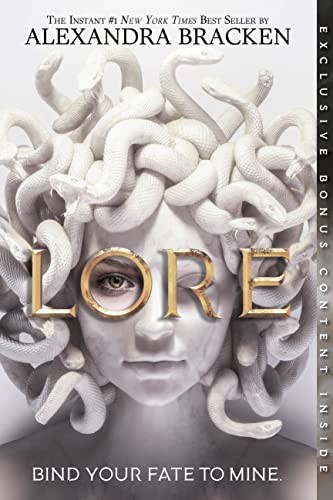
Every seven years, gods hunt each other in modern New York. Lore, a former huntress, is pulled back. Fast and stylish. Content note: violence.
Best for: urban-fantasy fans. Ages: 14+.
12. Gods of Jade and Shadow by Silvia Moreno-Garcia
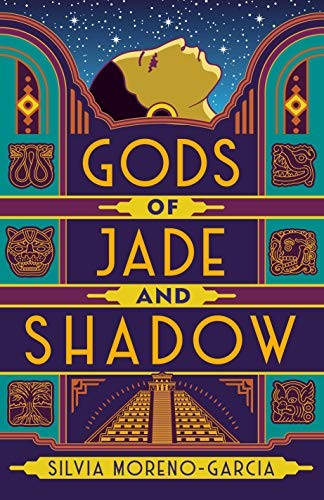
A young woman in 1920s Mexico teams up with a Maya death god. Atmospheric and romantic. Contains some violence. Content note: violence.
Best for: Maya-myth readers. Ages: 15+.
13. Daughter of the Moon Goddess by Sue Lynn Tan
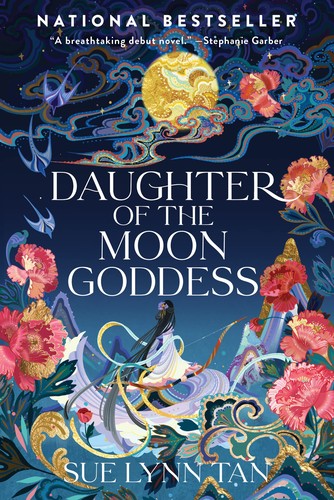
Inspired by the legend of Chang’e, a girl trains to free her mother. Lush and epic. The first of a duology.
Best for: Chinese-myth readers. Ages: 15+.
14. Pandora’s Jar by Natalie Haynes
Haynes reexamines women of Greek myth, from Pandora to Medusa. Smart and accessible. Offers a feminist perspective. Content note: violence against women.
Best for: myth critics. Ages: 15+.
15. Lavinia by Ursula K. Le Guin
Lavinia, a minor figure in Virgil’s Aeneid, tells her own story. Calm and wise. Rich in detail.
Best for: Roman-epic fans. Ages: 15+.
How to Match a Mythology Book to Your Teen
Teen readers want books that respect their intelligence and reflect real feelings. Begin with what your teen already enjoys, whether that is a show, a game or a favorite author, and choose a mythology title that echoes it. Teens often prefer to pick for themselves, so offer a short stack instead of one assigned book. Read the content notes in this list, since some books cover mature themes, and talk openly about them. A short, fast-paced novel is a good way back into reading for someone who has drifted away, while avid readers may enjoy long series. Libraries, e-books and audiobooks all count as reading, and a teen who listens on a commute is still building vocabulary.
A Simple Reading Plan for Mythology Books
Pick one title to try this month and set a small target, such as ten to twenty pages a day or one chapter before bed. Library apps and e-readers make mythology books easy to carry, and audiobooks fill commutes and chores. If a book does not hook your teen within the first fifty pages, switching is fine. Not every book suits every reader. Encourage your teen to share what they are reading with friends, in a club or online, since talking about books keeps the habit alive. A short list of next reads on a phone note can help them keep going without searching each time.
Why Mythology Books Matter for Teens
Reading mythology books as a teen does more than pass time. Fiction and narrative nonfiction build empathy by letting readers live inside other people’s choices, and they strengthen the focus and vocabulary that school, college and work reward. Teens who read for pleasure tend to do better academically, and they often say books helped them feel less alone. A mythology book can also be a bridge for conversation, giving parents and teens a safe way to talk about difficult subjects through characters instead of directly. Because teens are busy, the best strategy is to make reading easy and rewarding, which is exactly what a well-chosen book does.
Where to Find and How to Read These Books
You do not need to buy every title. A library card gives your teen free access to print books, e-books and audiobooks through apps such as Libby, and holds let you queue popular mythology titles. Paperbacks are the best value, and used copies are plentiful for older bestsellers. E-readers and phones make books easy to carry, and audiobooks turn commutes, workouts and chores into reading time. Many schools also run reading lists and book clubs that use these titles. If your teen likes a book, check whether it has a sequel or a companion book, because finishing a series is often what turns a casual reader into a committed one.
After the Last Page: What to Read Next
When your teen finishes a book, the best next step is usually a short conversation, not a quiz. Ask what they thought of the ending, whether they would recommend it and what they want to read next. Then look for a sequel, another book by the same author or a similar mythology title from this list. A shared reading list on a phone, a library hold queue or a school or online book club can keep the momentum going. If a book did not work, that is useful information about taste. Trying a few different books is how teens find what they love.
A Quick Checklist Before You Pick a Mythology Book
Ask these questions before you borrow or buy:
- Does the opening grab your teen within the first chapter or two?
- Is the content, including violence, language and romance, right for their maturity?
- Is it standalone, or the start of a series they can binge?
- Does a library, e-book or audiobook copy exist so they can start immediately?
- Does it connect to something they already love, such as a show, game or hobby?
Questions to Talk About After Reading
These work for almost any book on this list:
- What do you think the author was really trying to say?
- Which character did you understand best, and which frustrated you?
- Did the ending feel earned?
- How does this book compare with others in the genre?
- Would you recommend it to a friend, and what would you say?
Tips for Choosing Mythology Books for Teens
- Mix originals and retellings. The Odyssey and Circe go well together.
- Check maturity. Many retellings include sexual content or violence.
- Use translations. Newer translations are easier to read.
- Watch the audiobooks. Fry’s narration is excellent.
- Look for pairings. Read a myth, then a novel that retells it.
Related: 15 best mythology books for middle schoolers and 15 best book club books for teens.
Frequently Asked Questions
What are good mythology books for teens?
Mythos, Circe, The Song of Achilles and The Odyssey are widely recommended.
What is the best translation of the Odyssey for teens?
Emily Wilson’s is popular for its clarity, and Robert Fagles’ is also readable.
Are Madeline Miller’s books appropriate for teens?
They contain violence and sexual content, so they suit older teens.