
Disclosure: As an Amazon Associate, Bookish Wisdom earns from qualifying purchases. This doesn’t change our picks or your price.
Quick answer: These 15 mythology books suit middle schoolers (ages 10–13). Start with The Lightning Thief, D’Aulaires’ Book of Greek Myths, Aru Shah and the End of Time, Norse Mythology, The Red Pyramid or The Sword of Summer. Each pick below has a short blurb, an age range and a content note where it matters.
Myths are the original adventure stories, full of monsters, tricksters and gods who behave badly. Middle schoolers love them because the plots are wild and memorable, and they appear everywhere from movies to video games. This list collects fifteen books for ages 9 to 13, mixing retellings, fiction inspired by myth and classic collections. They cover Greek, Roman, Norse, Egyptian, Hindu, African and other traditions. A few have scary creatures or battles, and we note them. Use them for school units on ancient cultures or as a fun path into folklore.
Table of Contents
Quick Picks at a Glance
| Book | Author | Ages | Best For |
|---|---|---|---|
| The Lightning Thief | Rick Riordan | 9–13 | modern-myth fans |
| D’Aulaires’ Book of Greek Myths | Ingri and Edgar Parin d’Aulaire | 6–12 | classic illustrated myth fans |
| Aru Shah and the End of Time | Roshani Chokshi | 8–12 | Hindu-mythology fans |
| Norse Mythology | Neil Gaiman | 10–14 | Norse-myth fans |
| The Red Pyramid | Rick Riordan | 9–13 | Egyptian-myth fans |
| The Sword of Summer | Rick Riordan | 10–14 | Norse adventure fans |
| Mythology | Edith Hamilton | 11–14 | classic scholars |
| Treasury of Egyptian Mythology | Donna Jo Napoli | 8–12 | Egyptian-myth fans |
| Tristan Strong Punches a Hole in the Sky | Kwame Mbalia | 9–13 | African American folklore fans |
| The Storm Runner | J.C. Cervantes | 9–13 | Maya-myth fans |
| Dragon Pearl | Yoon Ha Lee | 9–13 | space and myth fans |
| D’Aulaires’ Book of Norse Myths | Ingri and Edgar Parin d’Aulaire | 6–12 | illustrated-myth fans |
| Greek Myths for Young Children | Heather Amery | 5–9 | younger readers |
| Athena the Brain (Goddess Girls) | Joan Holub and Suzanne Williams | 7–11 | light, funny readers |
| Percy Jackson’s Greek Gods | Rick Riordan | 9–13 | humor and myth fans |
1. The Lightning Thief by Rick Riordan
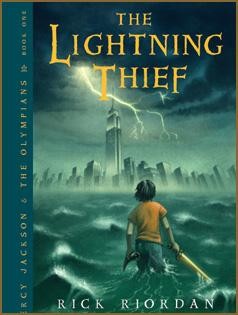
Percy Jackson learns he is the son of a Greek god and is thrown into a quest to stop a war among the gods. Funny, fast and full of monsters. The first of a hugely popular series.
Best for: modern-myth fans. Ages: 9–13.
2. D’Aulaires’ Book of Greek Myths by Ingri and Edgar Parin d’Aulaire
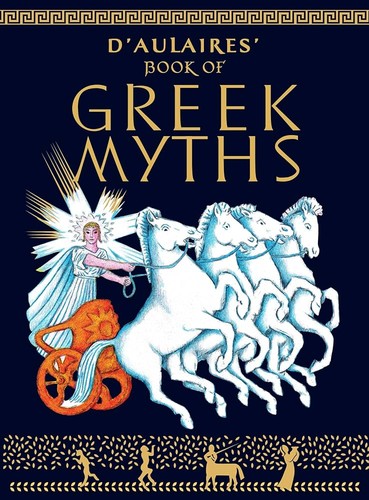
A beautifully illustrated retelling of the main Greek myths. Clear and engaging. A staple for classrooms and home libraries.
Best for: classic illustrated myth fans. Ages: 6–12.
3. Aru Shah and the End of Time by Roshani Chokshi
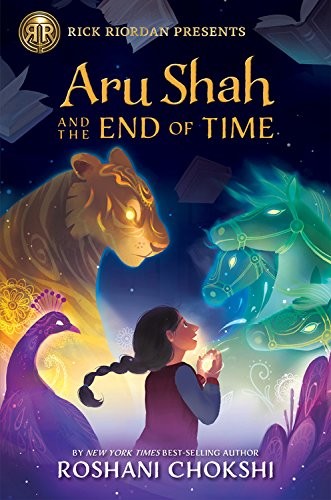
Aru accidentally frees a demon and must find her place among the heroes of the Mahabharata. Funny and fast. Part of Rick Riordan Presents.
Best for: Hindu-mythology fans. Ages: 8–12.
4. Norse Mythology by Neil Gaiman
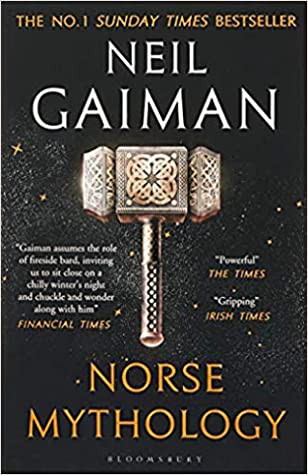
Gaiman retells the Norse tales of Odin, Thor and Loki with wit. Readable and vivid. A great bridge from Marvel to the originals. Content note: some mature themes.
Best for: Norse-myth fans. Ages: 10–14.
5. The Red Pyramid by Rick Riordan
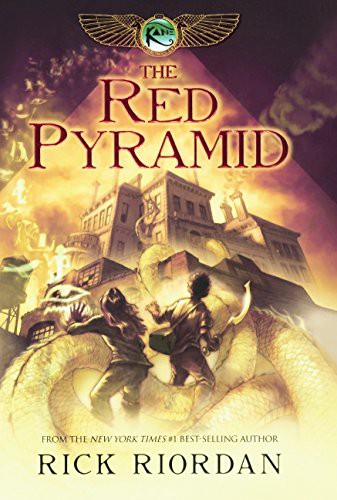
Carter and Sadie Kane discover they are descended from magicians and must fight an Egyptian god. Fast-paced with dual narrators. The first of the Kane Chronicles.
Best for: Egyptian-myth fans. Ages: 9–13.
6. The Sword of Summer by Rick Riordan
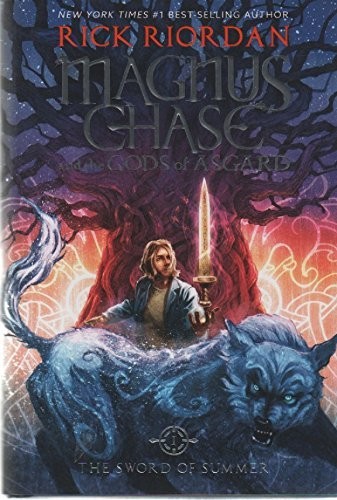
Magnus Chase, a homeless teen, learns he is the son of a Norse god. Full of humor and action. First of the Magnus Chase trilogy.
Best for: Norse adventure fans. Ages: 10–14.
7. Mythology by Edith Hamilton
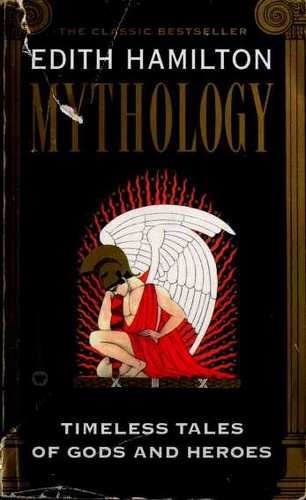
Hamilton’s classic retells Greek, Roman and Norse myths. A standard reference for generations. More formal than modern retellings.
Best for: classic scholars. Ages: 11–14.
8. Treasury of Egyptian Mythology by Donna Jo Napoli
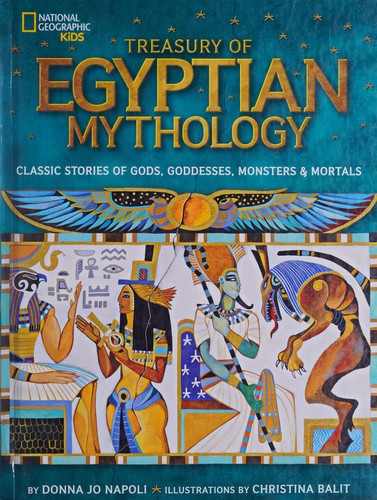
Stories of gods and goddesses with beautiful illustrations. Informative and accessible. A National Geographic Kids title.
Best for: Egyptian-myth fans. Ages: 8–12.
9. Tristan Strong Punches a Hole in the Sky by Kwame Mbalia
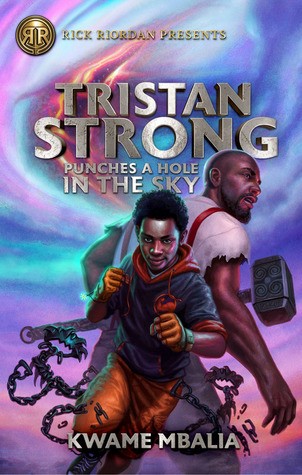
Tristan falls into the world of African American folktales, where John Henry and Anansi live. Funny, brave and rich. Part of Rick Riordan Presents.
Best for: African American folklore fans. Ages: 9–13.
10. The Storm Runner by J.C. Cervantes
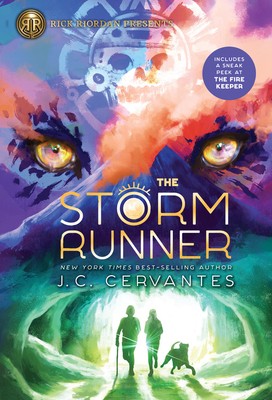
Zane Obispo learns he is tied to Maya gods and must stop a villain. Fast and fresh. A strong choice for fans of Percy Jackson.
Best for: Maya-myth fans. Ages: 9–13.
11. Dragon Pearl by Yoon Ha Lee
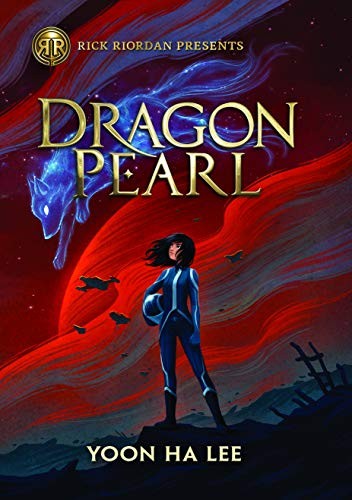
Min, a fox spirit, joins a space academy to find her brother, based on Korean mythology. Inventive and fun. Another Rick Riordan Presents title.
Best for: space and myth fans. Ages: 9–13.
12. D’Aulaires’ Book of Norse Myths by Ingri and Edgar Parin d’Aulaire
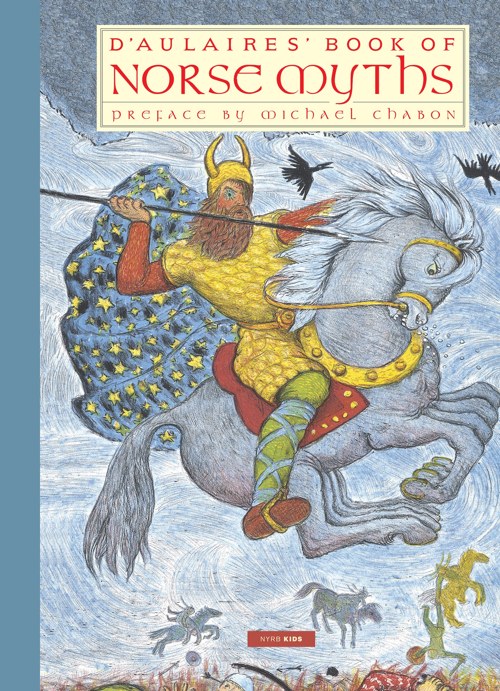
A companion to the Greek volume, with beautiful art and clear storytelling. Covers Odin, Thor and Loki. Great for reading aloud.
Best for: illustrated-myth fans. Ages: 6–12.
13. Greek Myths for Young Children by Heather Amery
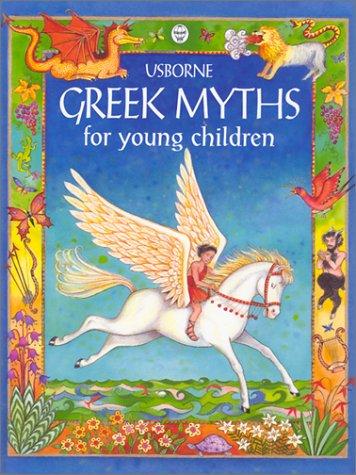
Short, gentle retellings of Greek stories for children. Beautifully illustrated. A good starter for younger middle schoolers.
Best for: younger readers. Ages: 5–9.
14. Athena the Brain (Goddess Girls) by Joan Holub and Suzanne Williams
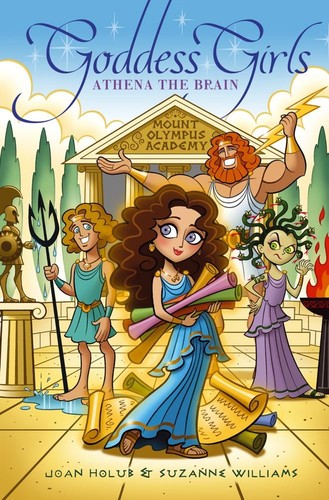
Athena attends Mount Olympus Academy with other young goddesses. Light and fun. A good gateway for younger readers.
Best for: light, funny readers. Ages: 7–11.
15. Percy Jackson’s Greek Gods by Rick Riordan
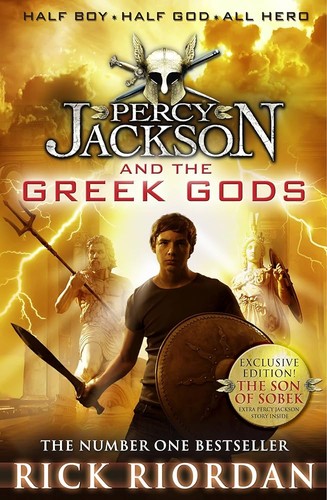
Percy narrates the stories of the Greek gods with sarcasm and style. Funny and informative. A good companion to the series.
Best for: humor and myth fans. Ages: 9–13.
How to Match a Mythology Book to Your Middle School
Middle school readers range widely. One eleven-year-old may still love illustrated chapter books, while another is ready for novels with darker themes. Start with the reader’s current favorites, then pick a mythology title with a similar length and pace. Look at the first page together: if your middle school can read it smoothly and wants to continue, it is a good fit. Short chapters and strong openings help hesitant readers, while avid readers can handle longer books and series. Pay attention to content notes in this list, and preview a book if your child is sensitive to a particular topic. When in doubt, offer two or three choices and let your child decide, because a book they choose is a book they are more likely to finish.
A Simple Reading Plan for Mythology Books
Choose one book from the list to start this week and set a modest goal, such as twenty minutes a day. Keep a library card in use, since borrowing lets your child try several mythology books without cost. Read the same book yourself, or listen to it as an audiobook in the car, so you can chat about it at dinner. When your middle school finishes, ask which part they liked best and whether they want to try the next book in a series or a similar title from this list. A simple chart on the fridge can track finished books. Celebrate progress with a trip to the library or bookstore rather than with screen time or a prize.
Why Mythology Books Matter for Middle Schoolers
Reading mythology books during the middle school years does more than fill free time. Children this age are building stamina for longer texts, growing their vocabulary and learning to follow complex plots, and they do those things best when they enjoy what they read. A book that fits their interests teaches them that reading is a source of pleasure, not only an assignment. It also gives you a way to talk about hard subjects, friendships and choices through characters, which can be easier than talking about their own lives. Research on reading habits repeatedly finds that children who read for fun do better in school, so a good mythology book is worth far more than its price.
Where to Find and How to Read These Books
Buying every book on this list is not necessary. Start at your public library, where you can borrow print copies, e-books and audiobooks with a free card, and use the holds feature for popular titles. Paperbacks are usually the best value for books your child will reread, and hardcovers hold up better for favorites that will be passed down. Used copies are often cheap, and a classroom or neighborhood swap can add variety. Large-print or dyslexia-friendly editions help some readers, and audiobooks are a good support for children who are building stamina. Whatever format you choose, keep a few mythology books visible on a shelf or by the bed so reading is the easy choice.
After the Last Page: What to Read Next
The last page of a book is a good moment to keep the momentum going. Ask your child what they liked, then look for the sequel, another book by the same author or a similar title from this list. Many children enjoy a small ritual, such as choosing the next mythology book at the library every week. If a book did not work, treat that as information, not failure; it simply tells you what to try next. Notice patterns, such as whether your child prefers short chapters, humor or fast plots, and use them to guide future picks. Over a few months, those small choices add up to a real reading habit.
A Quick Checklist Before You Pick a Mythology Book
Ask these questions before you borrow or buy:
- Is the length right? A 150-page book is a confident win, while a 400-page book is a project.
- Does the first chapter hook your child within a few pages?
- Is the content right for their age and sensitivity?
- Is there a sequel or companion book waiting if they love it?
- Can you find it at your library so there is no risk?
Questions to Talk About After Reading
These work for almost any book on this list:
- What was your favorite part, and why?
- Which character would you want as a friend?
- What would you have done differently in the main character’s place?
- Did the ending surprise you?
- Which book from this list do you want to read next?
Tips for Choosing Mythology Books for Middle Schoolers
- Start with a favorite culture. Pick Greek, Norse or Egyptian based on interest.
- Read the originals. After fiction, try a retelling to see the source.
- Visit a museum. Seeing ancient art makes myths real.
- Draw the gods. Illustrations deepen memory.
- Compare myths. Many cultures have flood or creation stories.
Related: 15 best book club books for middle schoolers and 15 best books for reluctant readers in middle school.
Frequently Asked Questions
What mythology books are good for 10-year-olds?
The Lightning Thief, D’Aulaires’ Book of Greek Myths and Aru Shah are popular.
Is Percy Jackson a good gateway to mythology?
Yes. Many readers move on to the original myths after the series.
What are good non-Greek mythology books for kids?
Aru Shah, The Red Pyramid, Tristan Strong and Dragon Pearl cover other cultures.