
Disclosure: As an Amazon Associate, Bookish Wisdom earns from qualifying purchases. This doesn't change our picks or your price.
Quick answer: The best sci-Fi Books by Decade include Frankenstein by Mary Shelley, The Time Machine by H. G. Wells and The First Men in the Moon by H. G. Wells, plus twelve more strong picks. Each one below has a short description and who it suits best, with a quick table to compare them.
One of the best ways to understand science fiction is to read it decade by decade. This list picks one landmark novel from each period, starting with Frankenstein and ending in the 2020s. The year of first publication is noted in each blurb. Together they show how the genre moved from gothic science to space opera, dystopia, cyberpunk and modern hard science fiction over two centuries.
Each book below has a short description and a note on who it suits best. Use the quick table to compare the picks at a glance, then read the full entries for the titles that catch your eye.
Table of Contents
Quick Picks at a Glance
| Book | Author | Best for |
|---|---|---|
| Frankenstein | Mary Shelley | the 1810s |
| The Time Machine | H. G. Wells | the 1890s |
| The First Men in the Moon | H. G. Wells | the 1900s |
| A Princess of Mars | Edgar Rice Burroughs | the 1910s |
| We | Yevgeny Zamyatin | the 1920s |
| Brave New World | Aldous Huxley | the 1930s |
| Nineteen Eighty-Four | George Orwell | the 1940s |
| Foundation | Isaac Asimov | the 1950s |
| Dune | Frank Herbert | the 1960s |
| The Dispossessed | Ursula K. Le Guin | the 1970s |
| Neuromancer | William Gibson | the 1980s |
| The Diamond Age | Neal Stephenson | the 1990s |
| Never Let Me Go | Kazuo Ishiguro | the 2000s |
| The Martian | Andy Weir | the 2010s |
| Project Hail Mary | Andy Weir | the 2020s |
1. Frankenstein by Mary Shelley
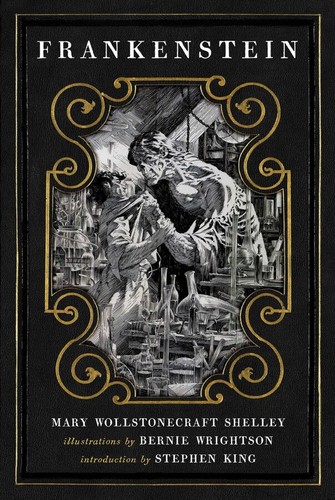
1818: a scientist creates life.
2. The Time Machine by H. G. Wells
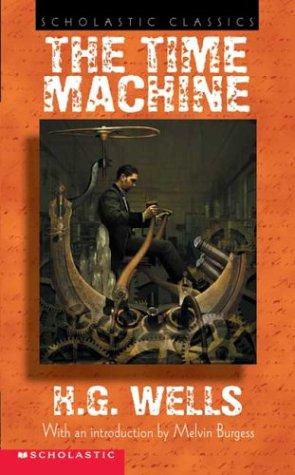
1895: a Victorian travels to the far future.
3. The First Men in the Moon by H. G. Wells
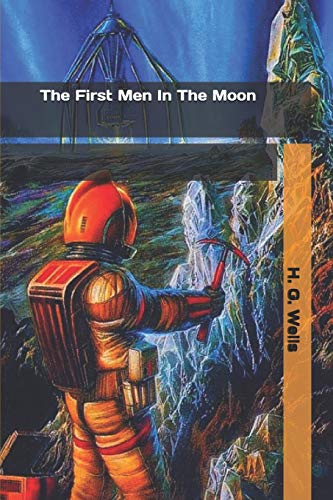
1901: two Englishmen fly to the Moon.
4. A Princess of Mars by Edgar Rice Burroughs
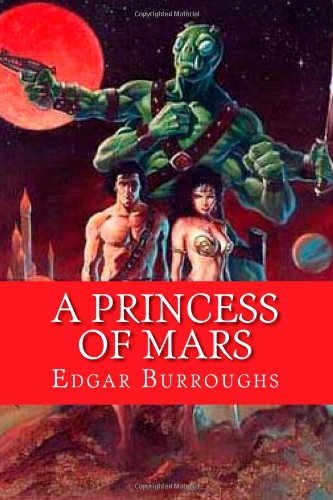
1912: a Civil War veteran is transported to Mars.
5. We by Yevgeny Zamyatin
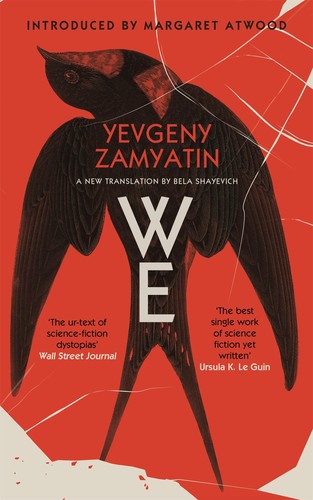
1924: a dystopia that inspired Orwell.
6. Brave New World by Aldous Huxley
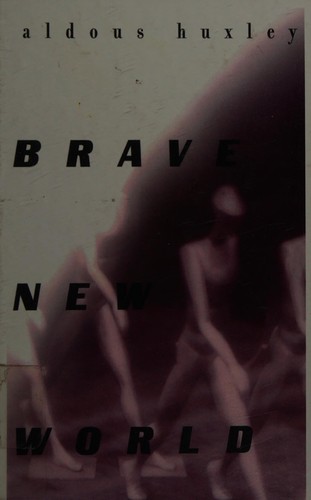
1932: a society of engineered happiness.
7. Nineteen Eighty-Four by George Orwell
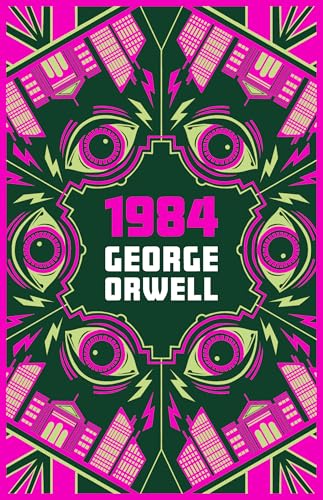
1949: total surveillance and control.
8. Foundation by Isaac Asimov
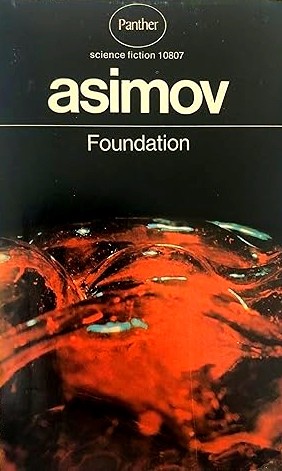
1951: saving civilization from a dark age.
9. Dune by Frank Herbert
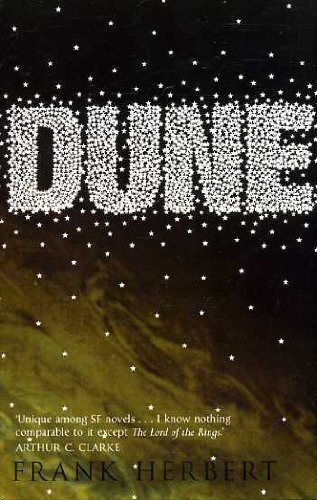
1965: politics and ecology on a desert planet.
10. The Dispossessed by Ursula K. Le Guin
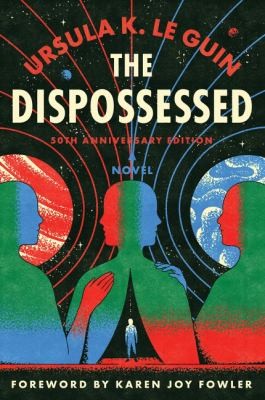
1974: a physicist between two worlds.
11. Neuromancer by William Gibson
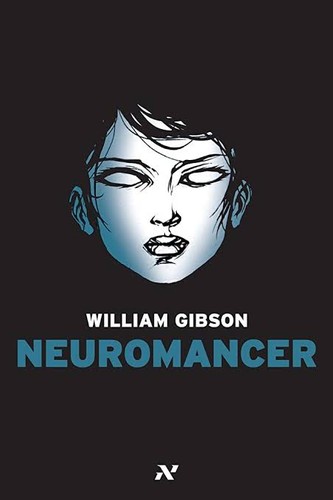
1984: the birth of cyberpunk.
12. The Diamond Age by Neal Stephenson
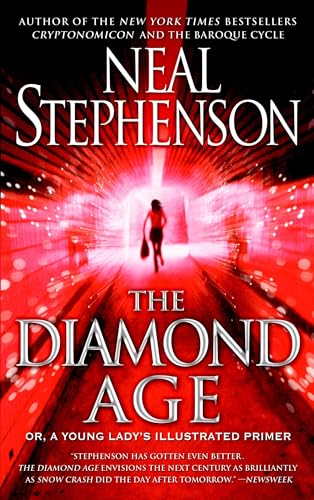
1995: nanotech and an interactive book.
13. Never Let Me Go by Kazuo Ishiguro
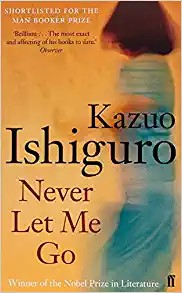
2005: students learn their purpose.
14. The Martian by Andy Weir
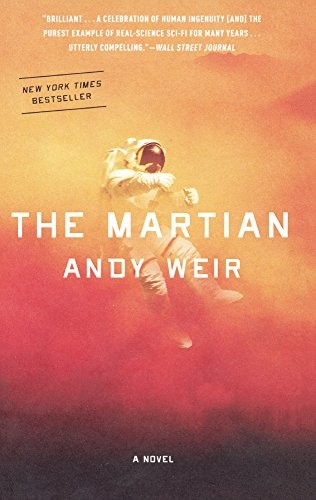
2011: survival on Mars.
15. Project Hail Mary by Andy Weir
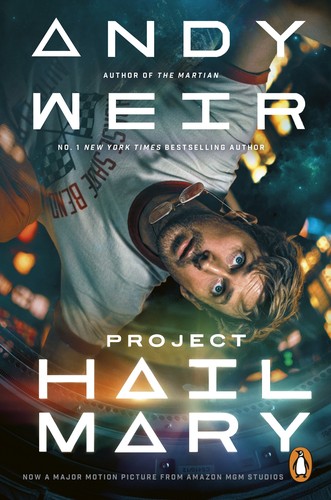
2021: a lone astronaut saves Earth.
How to Choose
Read in order to see how science fiction changed, or start with your favorite decade. For newcomers, The Martian and Brave New World are great entry points.
How We Chose These Books
Every pick is a real, widely available book with strong reviews from readers, teachers or librarians. We mixed well-known favourites with a few less obvious titles and noted who each one suits best. Check the description and the table before you buy, and borrow a copy from the library first if you are unsure.
Tips for Getting the Most From These Books
- Start with one. Pick the title that matches your goal today, not the longest one on the list.
- Sample first. Read the opening chapter in a library copy or ebook preview before you buy.
- Try audio. Many of these work well as audiobooks on a commute or walk.
- Mix formats. Try an audiobook or ebook version of one pick to see which format clicks.
- Keep a list. Jot down the titles you finish so you can look for more by the same authors.
Frequently Asked Questions
Which book should I start with?
Frankenstein by Mary Shelley is a strong first pick, and every book on this list is worth a look.
Where can I find these books?
Most of these titles are easy to find at public libraries and bookshops, and many are also available as ebooks or audiobooks.
Related: Frankenstein by Mary Shelley: Summary and Key Takeaways · The Time Machine by H.G. Wells: Summary and Key Takeaways