
Disclosure: As an Amazon Associate, Bookish Wisdom earns from qualifying purchases. This doesn’t change our picks or your price.
TL;DR: Bird by Bird: Some Instructions on Writing and Life by Anne Lamott is a funny, honest guide to writing that urges you to take it one small step at a time. Lamott’s best-known advice includes writing terrible first drafts, taking short assignments, listening to your characters and learning to quiet your inner critic, all with humor about the struggle.
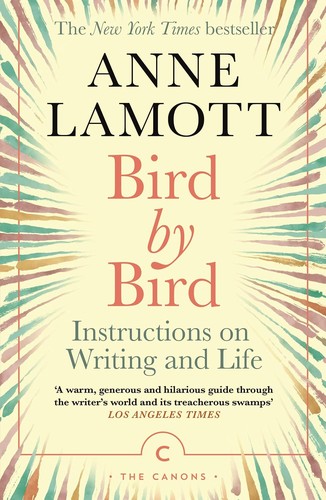
Published in 1994, Bird by Bird has been a favorite of writers for decades, whether they write novels, memoirs or emails. Anne Lamott, a novelist and nonfiction author, draws on her experience teaching and writing, and on her father, who was also a writer. The title comes from a story about her brother, who was overwhelmed by a school report on birds, and her father’s advice to take it bird by bird. The book is conversational and funny, and it covers both craft and the emotional side of writing. Here’s a summary of its main ideas.
Table of Contents
Bird by Bird at a Glance
| Detail | Info |
|---|---|
| Author | Anne Lamott |
| Published | 1994 |
| Genre | Writing guide, memoir |
| Core idea | Write one small piece at a time and accept imperfection |
| Structure | Short chapters on process, craft, feelings and the writing life |
| Best for | Aspiring writers, creatives and anyone facing a daunting project |
What Is Bird by Bird About?
Lamott begins with the story of her brother, ten years old, sitting at the kitchen table with a report on birds due the next day, overwhelmed by the amount of work. Their father put his arm around him and said, bird by bird, buddy. Just take it bird by bird.
The phrase becomes the book’s refrain. Writing, like most big tasks, is manageable if you break it into small steps and do the next one.
Key Ideas, Part by Part
Getting Started: Short Assignments and First Drafts
Lamott advises writers to start small. Her short assignments idea is to give yourself a limited task, like describing one scene or writing what you can see through a one-inch picture frame. It reduces pressure and helps you start. She also recommends setting regular writing times and treating it as a habit.
Her most famous idea is the shitty first draft, a term she uses for the rough, imperfect draft that every writer needs to produce. She says that all good writers write terrible first drafts, and that the point is to get something down, which you can improve later. Perfectionism, she warns, is the enemy of the good.
Character, Plot and Dialogue
In the craft chapters, Lamott says that good stories grow out of characters, not plot. Start with people, their desires and flaws, and the plot will emerge from what they do. She suggests listening to characters, learning what they want and letting them surprise you.
On dialogue, she advises reading it aloud to hear if it sounds natural. She also talks about setting and how to choose details that make a scene vivid. She encourages writers to pay attention to the world and to write what they know emotionally, even if the facts are made up.
The Inner Critic and Writer’s Block
Lamott describes the voices in a writer’s head, including a radio station she calls KFKD, which broadcasts doubt and judgment. Her advice is to notice the voices, thank them, and write anyway, sometimes by picturing them as mice and placing them in a jar. She says that most writers struggle with envy and self-doubt, and that these feelings are normal.
For writer’s block, she suggests going back to short assignments, taking a walk, reading something inspiring or writing about something else. She also stresses the importance of friends and writing groups, who can offer feedback and support.
Publication, Purpose and Generosity
Lamott is frank about publication. She warns that it does not solve your problems and often brings its own disappointments. She encourages writers to focus on the joy of writing and to write for the sake of understanding and giving to readers.
The final chapters emphasize that writing is a form of generosity and honesty. By telling the truth in a story, you help others feel less alone. She ends with the reminder that writing is a way of paying attention to life.
6 Key Takeaways From Bird by Bird
- Take it bird by bird. Break big tasks into small ones.
- Write terrible first drafts. Get something on the page and revise later.
- Start with characters. They drive the story.
- Quiet the inner critic. Notice it, then keep writing.
- Find your people. Writing groups provide support.
- Write to give. Honesty and generosity connect with readers.
Ideas Worth Remembering
- Perfectionism will keep you from finishing. (paraphrased)
- Write what you see through a one-inch picture frame. (paraphrased)
- You don’t need to see the whole road to take the next step. (paraphrased)
- Publication won’t fix you, but writing can enrich you. (paraphrased)
How to Apply Bird by Bird in Real Life
- Set a small goal. Write one paragraph or one scene today.
- Allow a bad draft. Give yourself permission to be messy.
- Listen to dialogue. Read it aloud.
- Name the voices. Write down your inner critic’s complaints, then proceed.
- Share with a friend. Ask for honest, kind feedback.
Criticisms and Limits
Some writers find the book more inspirational than technical, with limited coverage of structure, genre or the business of publishing. Lamott’s anecdotes and humor can come across as meandering, and her personal style might not suit everyone. The advice reflects a literary, memoir-focused perspective and may need to be supplemented for genre writing or professional editing.
Still, its encouraging tone has helped countless writers keep going. Use it for motivation and companionship, and add other guides for craft details.
Bird by Bird in One Minute
Break writing into small steps. Give yourself short assignments, write a terrible first draft and revise later. Start with characters, read dialogue aloud and notice the inner critic without obeying it. Find supportive readers, accept that publication is not a cure-all and write for the joy and honesty of it.
Using the Advice Beyond Writing
The principles apply to any big project, such as starting a business, learning a language or cleaning out a garage. Break the task into small steps, accept imperfection, ask for help and celebrate small progress. Many readers return to the bird by bird idea when they feel overwhelmed.
A Short Writing Routine to Try
Set a timer for twenty-five minutes. Write without stopping or editing, even if the words feel awkward. When the timer ends, stop and note one thing you liked. Repeat the next day, and after a week, read what you have. This routine, drawn from Lamott’s ideas, trains you to start and to see progress.
Language Note
Lamott is known for a candid, sometimes salty voice. The key phrase about first drafts uses a swear word, and the book includes references to her family, recovery and faith. Readers who prefer a more formal approach may find the tone casual, while others love its honesty. If you want a different style, pair it with On Writing.
Two Exercises From the Book
Try the one-inch picture frame: choose a small scene, like a kitchen counter, and describe only what you see inside an imaginary frame, with sensory details. Then try the character sketch: write a page about someone who wants something badly and is stuck. Both exercises are small, and both teach the habit of noticing. Do them a few times a week, and you will have a pile of material to build on.
Writing Groups and Feedback
Lamott recommends sharing work with people who respond kindly and honestly. A good group tells you what is working before it points to problems and avoids rewriting your piece for you. When you give feedback, be specific and gentle. When you receive it, listen, take notes and decide later what to use. A healthy circle can make writing less lonely and keep you going on days when you want to quit.
Who Should Read Bird by Bird?
Read it if you write, want to write or are stuck in a big project. It’s a good companion for beginners, and a comfort for experienced writers. For a more craft-focused guide, pair it with On Writing by Stephen King.
What to Read Next
- On Writing by Stephen King a memoir of the craft
- The War of Art by Steven Pressfield breaking through the blocks that stop creative work
- Big Magic by Elizabeth Gilbert creative living beyond fear
Related: The Gifts of Imperfection summary and key takeaways and The 5 Second Rule summary and key takeaways.
Frequently Asked Questions
What is the main idea of Bird by Bird?
That writing, like any big task, is done one small piece at a time, and that imperfect first drafts are the way forward.
What is the shitty first draft?
Lamott’s term for the rough first version every writer needs to produce before improving it.
What does bird by bird mean?
Taking an overwhelming task one small step at a time.
What is the one-inch picture frame?
A tool for narrowing focus to a small scene or detail so a writing task feels manageable.
Who is it for?
Writers at any level, and others facing large projects.