

Disclosure: As an Amazon Associate, Bookish Wisdom earns from qualifying purchases. This doesn't change our picks or your price.
Quick answer: If you read The 12 Week Year, read Atomic Habits, The 4 Disciplines of Execution, Deep Work and Essentialism. All help you plan, focus and finish important work with practical systems rather than vague resolutions.
Brian Moran and Michael Lennington's 2013 book argues that annual plans are too slow, and proposes treating every twelve weeks as a full year, with weekly scoring and a clear focus. It is practical, direct and aimed at people who want results. The books below offer related ideas about goals, habits, time and focus.
Table of Contents
Quick Picks at a Glance
| Book | Author | Ages | Best For |
|---|---|---|---|
| Atomic Habits | James Clear | Adult | small daily changes |
| The 4 Disciplines of Execution | Chris McChesney, Sean Covey and Jim Huling | Adult | team goals |
| Deep Work | Cal Newport | Adult | focus |
| Essentialism | Greg McKeown | Adult | doing less, better |
| Getting Things Done | David Allen | Adult | task management |
| The 7 Habits of Highly Effective People | Stephen R. Covey | Adult | principles of effectiveness |
| Make Time | Jake Knapp and John Zeratsky | Adult | daily focus |
| The One Thing | Gary Keller and Jay Papasan | Adult | single priority |
| Eat That Frog! | Brian Tracy | Adult | beating procrastination |
| The Power of Habit | Charles Duhigg | Adult | science of routines |
| Measure What Matters | John Doerr | Adult | OKRs |
| Four Thousand Weeks | Oliver Burkeman | Adult | time and limits |
| Tiny Habits | B.J. Fogg | Adult | small starts |
| Grit | Angela Duckworth | Adult | perseverance |
| Mindset | Carol S. Dweck | Adult | growth versus fixed |
1. Atomic Habits by James Clear
Clear shows how tiny habits add up to big results. Practical, well organised and widely loved.
Best for: small daily changes.
2. The 4 Disciplines of Execution by Chris McChesney, Sean Covey and Jim Huling
A system for focusing on a few key goals and keeping score. Strong for teams and managers.
Best for: team goals.
3. Deep Work by Cal Newport
Newport argues that deep focus is rare and valuable. Practical and convincing.
Best for: focus.
4. Essentialism by Greg McKeown
McKeown makes the case for pursuing only what matters most. Clear and calming.
Best for: doing less, better.
5. Getting Things Done by David Allen

Allen's system for capturing and organising tasks. A classic for managing overload.
Best for: task management.
6. The 7 Habits of Highly Effective People by Stephen R. Covey
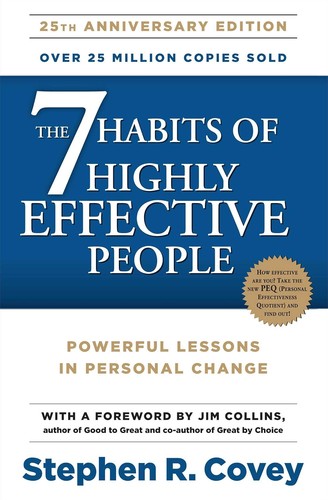
A well-known guide to personal and professional effectiveness. Long but influential.
Best for: principles of effectiveness.
7. Make Time by Jake Knapp and John Zeratsky
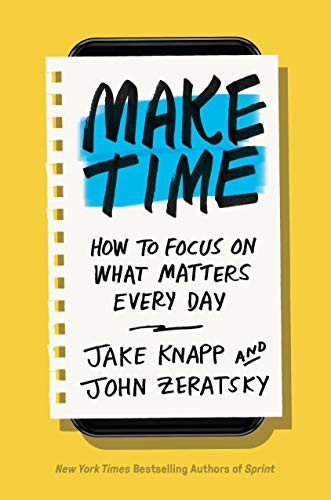
A simple system for choosing a daily highlight. Light and practical.
Best for: daily focus.
8. The One Thing by Gary Keller and Jay Papasan
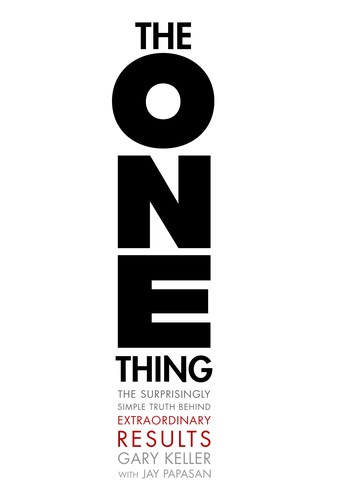
The authors argue for focusing on one task at a time. Short and motivating.
Best for: single priority.
9. Eat That Frog! by Brian Tracy
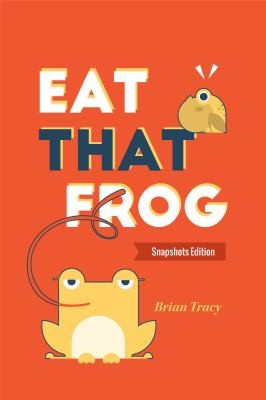
Tracy suggests doing your hardest task first. Quick and direct.
Best for: beating procrastination.
10. The Power of Habit by Charles Duhigg
Duhigg explains how habits form and how to change them. Story-driven and clear.
Best for: science of routines.
11. Measure What Matters by John Doerr
Doerr explains the goal-setting method used at Google and others. Practical for teams.
Best for: OKRs.
12. Four Thousand Weeks by Oliver Burkeman
Burkeman argues that we can never do everything, so we must choose. Wise and gentle.
Best for: time and limits.
13. Tiny Habits by B.J. Fogg
A behavioural scientist teaches how to build habits with tiny steps. Friendly and effective.
Best for: small starts.
14. Grit by Angela Duckworth
Duckworth shows that effort and long-term passion matter more than talent. Research-led and encouraging.
Best for: perseverance.
15. Mindset by Carol S. Dweck
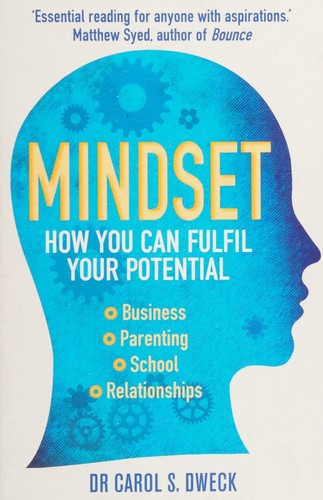
Dweck shows how belief about ability shapes success. A foundation for personal growth.
Best for: growth versus fixed.
How to Choose
For the system behind goals choose The 4 Disciplines of Execution or Measure What Matters. For habits pick Atomic Habits, Tiny Habits or The Power of Habit. For focus read Deep Work, Essentialism or The One Thing. For a gentler view of time try Four Thousand Weeks. The 12 Week Year is a method as much as a book, so pick one framework and use it for a full quarter before changing. A practical approach is to read one book, set one 12-week goal and review weekly. Many readers keep a simple scorecard and treat the review as a short meeting with themselves. If you want a system, pair The 12 Week Year with a simple weekly review and one of the habit books above. If you want motivation, Grit and Mindset help with persistence. If you prefer an approach with less pressure, Four Thousand Weeks reminds you that you cannot do everything. Many of these are available as audiobooks, which suit commutes.
Related: The 12 Week Year by Brian P. Moran and Michael Lennington: Summary and Key Takeaways · 12 Dystopian Books Like the Hunger Games | Best Books to Read Like Hunger Games
Frequently Asked Questions
What is The 12 Week Year about?
A system for treating every 12 weeks as a full year to achieve goals faster.
Who wrote it?
Brian P. Moran and Michael Lennington.
When was it published?
2013.
Is it a long read?
No, it is a normal-length business book that is quick to read.
Is it for managers only?
No, it is aimed at individuals and teams.
Does it work for personal goals?
Yes, though it is designed for career and business goals.
Is it similar to Atomic Habits?
Both are practical, but Atomic Habits focuses on small habits, while The 12 Week Year focuses on short planning cycles.
What should I read next?
Try Atomic Habits or Deep Work.
How does the 12-week approach differ from annual goals?
It uses shorter cycles, weekly scoring and a tighter focus so progress is easier to see and fix.
Do I need special software?
No. A notebook or spreadsheet is enough.