
Disclosure: As an Amazon Associate, Bookish Wisdom earns from qualifying purchases. This doesn't change our picks or your price.
Quick answer: If you read Beyond Good and Evil, read Nietzsche's Thus Spoke Zarathustra, On the Genealogy of Morality and The Gay Science, then The Myth of Sisyphus, Notes from Underground and Meditations. All challenge accepted ideas about truth, morality and how to live.
Friedrich Nietzsche's 1886 book is a collection of aphorisms and short essays that criticises philosophers for their hidden prejudices and argues for a new, freer way of thinking beyond conventional morality. It is sharp, provocative and surprisingly readable. The books below offer related philosophy, from other Nietzsche works to existentialists and ancient thinkers.
Table of Contents
Quick Picks at a Glance
| Book | Author | Ages | Best For |
|---|---|---|---|
| Thus Spoke Zarathustra | Friedrich Nietzsche | Adult | the poetic one |
| On the Genealogy of Morality | Friedrich Nietzsche | Adult | origins of morals |
| The Gay Science | Friedrich Nietzsche | Adult | aphorisms and joy |
| Twilight of the Idols | Friedrich Nietzsche | Adult | short and sharp |
| Ecce Homo | Friedrich Nietzsche | Adult | philosophical autobiography |
| The Birth of Tragedy | Friedrich Nietzsche | Adult | early work |
| The Myth of Sisyphus | Albert Camus | Adult | absurd philosophy |
| The Stranger | Albert Camus | Adult | existential classic |
| Notes from Underground | Fyodor Dostoevsky | Adult | bitter narrator |
| Meditations | Marcus Aurelius | Adult | Stoic reflection |
| Letters from a Stoic | Seneca | Adult | practical philosophy |
| The Prince | Niccolo Machiavelli | Adult | realist politics |
| Existentialism Is a Humanism | Jean-Paul Sartre | Adult | short lecture |
| Man's Search for Meaning | Viktor E. Frankl | Adult | resilience and purpose |
| Sophie's World | Jostein Gaarder | Teen | philosophy as story |
1. Thus Spoke Zarathustra by Friedrich Nietzsche
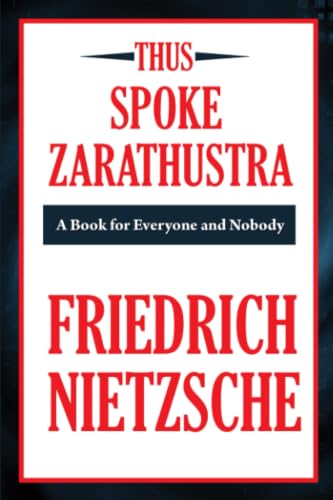
A prophet comes down from a mountain to teach about the overman. Poetic and dense.
Best for: the poetic one.
2. On the Genealogy of Morality by Friedrich Nietzsche
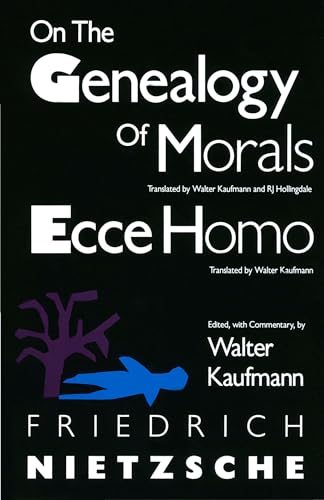
Nietzsche traces how moral ideas developed. Tight and argumentative.
Best for: origins of morals.
3. The Gay Science by Friedrich Nietzsche
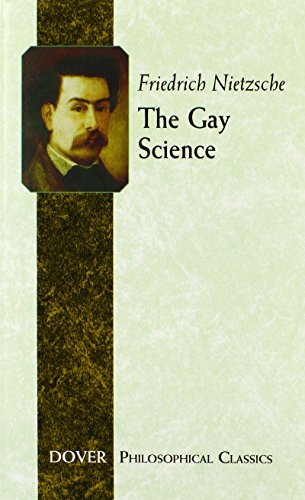
A collection of short reflections on knowledge and living. Lively and readable.
Best for: aphorisms and joy.
4. Twilight of the Idols by Friedrich Nietzsche
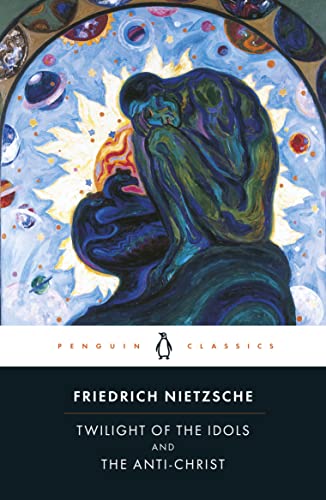
A brief summary of his ideas, with attacks on old beliefs. A good quick introduction.
Best for: short and sharp.
5. Ecce Homo by Friedrich Nietzsche
Nietzsche reviews his own books and life. Bold and strange.
Best for: philosophical autobiography.
6. The Birth of Tragedy by Friedrich Nietzsche
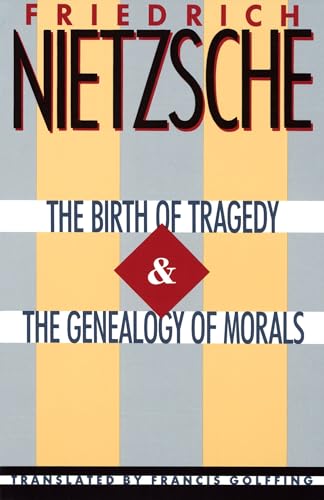
Nietzsche explores Greek drama and its two forces. Lyrical and influential.
Best for: early work.
7. The Myth of Sisyphus by Albert Camus
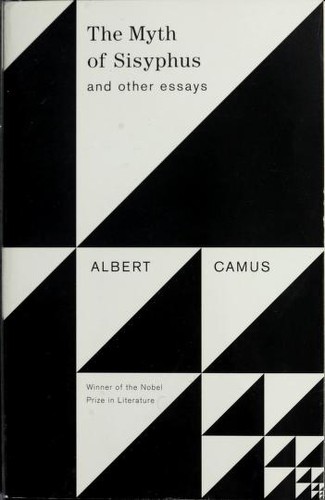
Camus asks whether life is worth living without meaning. Short and powerful.
Best for: absurd philosophy.
8. The Stranger by Albert Camus
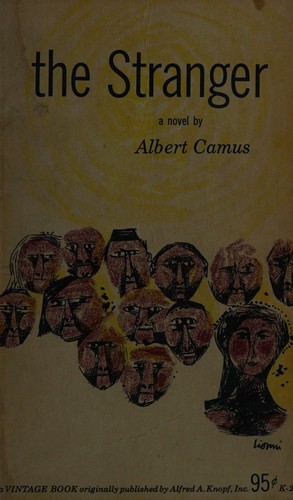
A detached man commits a murder and faces trial. Short and strange.
Best for: existential classic.
9. Notes from Underground by Fyodor Dostoevsky
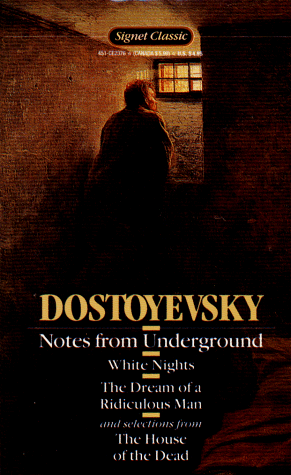
A resentful clerk rants about society. Short and intense.
Best for: bitter narrator.
10. Meditations by Marcus Aurelius
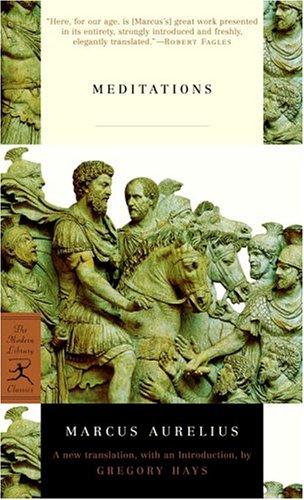
The Roman emperor's private notes on how to live. A calm, practical classic.
Best for: Stoic reflection.
11. Letters from a Stoic by Seneca
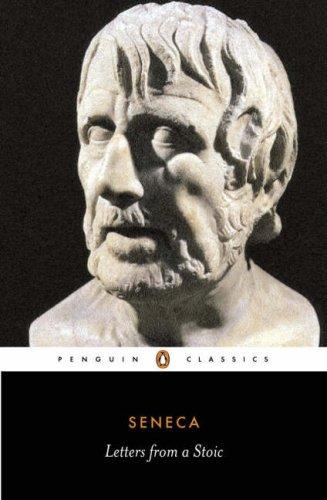
Letters on friendship, death and living well. Wise and warm.
Best for: practical philosophy.
12. The Prince by Niccolo Machiavelli
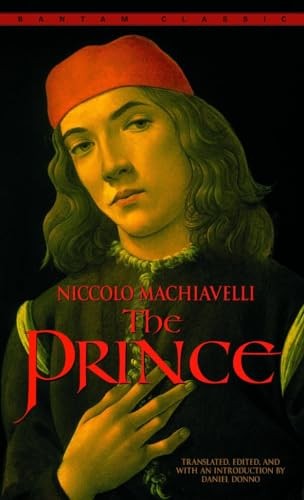
A short manual on how rulers gain and keep power. Blunt and provocative.
Best for: realist politics.
13. Existentialism Is a Humanism by Jean-Paul Sartre
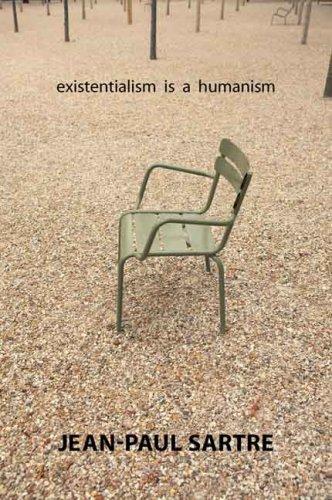
Sartre explains existentialism in an accessible talk. Brief and clear.
Best for: short lecture.
14. Man's Search for Meaning by Viktor E. Frankl
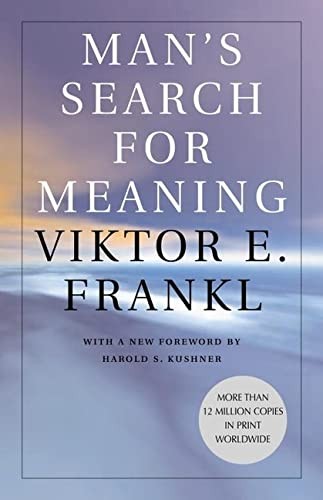
A psychiatrist reflects on surviving concentration camps. Short and profound.
Best for: resilience and purpose.
15. Sophie's World by Jostein Gaarder
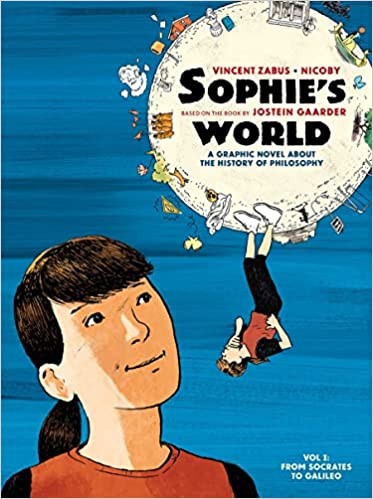
A girl receives mysterious letters about philosophy. A fun, narrative introduction.
Best for: philosophy as story.
How We Chose These Books
Every pick is a real, widely available book that shares something specific with Beyond Good and Evil: its tone, its themes, its pace or the kind of characters it puts at the center. We mixed well-known favorites with a few less obvious titles, and we noted who each book suits best so you can match it to the reader. Where a book belongs to a series, we list the first volume so you can start at the beginning.
How to Choose
For more Nietzsche begin with Twilight of the Idols or The Gay Science. For poetic philosophy pick Thus Spoke Zarathustra. For existentialism read Camus and Sartre. For practical ancient wisdom choose Meditations or Seneca. For an easy overview try Sophie's World. Beyond Good and Evil is aphoristic, so it can be read in short sections. Because Nietzsche's work is often misused, a good introduction is helpful. Look for editions with notes by respected scholars, and be wary of quotations taken out of context. Short sections are the best way to read him. Nietzsche's aphorisms are best read slowly, one or two at a time, and then revisited. A study guide or lecture series can help with unfamiliar references. If you want a gentler route, start with The Gay Science, which is more playful. Audiobooks make the compact sections easy to take in.
Related: 15 Books Like A Good Girl’s Guide to Murder You’ll Love: Teen Mysteries and Twisty Thrillers · What Age Is A Good Girl’s Guide to Murder Appropriate For? A Parent’s Guide
Frequently Asked Questions
What is Beyond Good and Evil about?
A critique of philosophers' assumptions and the foundations of morality.
Who wrote it?
Friedrich Nietzsche.
When was it published?
1886.
Is it a good first Nietzsche?
Many people start with it or with Twilight of the Idols.
Which translation should I choose?
Look for Walter Kaufmann or Judith Norman for clear, annotated versions.
Is it difficult?
It is dense, but the aphoristic style makes it approachable in small pieces.
Is it about religion?
It discusses religion as part of its critique of morality, but it is mainly philosophy.
What should I read next?
Try On the Genealogy of Morality.
Is Beyond Good and Evil a book about religion?
It criticises accepted moral and religious ideas, but it is a work of philosophy.
Is it better to read it after Zarathustra?
Either order works; many find it clearer than Zarathustra.