

Disclosure: As an Amazon Associate, Bookish Wisdom earns from qualifying purchases. This doesn't change our picks or your price.
Quick answer: If you read I Who Have Never Known Men, read Margaret Atwood's The Handmaid's Tale and Oryx and Crake, then Station Eleven, Never Let Me Go, The Memory Police and Blindness. All are haunting, unusual novels about confined survivors in worlds that never explain themselves.
Jacqueline Harpman's 1995 novel, translated from French, follows a girl who grows up in an underground cage with thirty-nine women, guarded by men, with no explanation, and who later escapes into an empty world. It is quiet, strange and bleak. The books below offer similar stories of survival, mystery and women's lives in extraordinary circumstances.
Table of Contents
Quick Picks at a Glance
| Book | Author | Ages | Best For |
|---|---|---|---|
| The Handmaid's Tale | Margaret Atwood | Adult | oppressive society |
| Oryx and Crake | Margaret Atwood | Adult | science gone wrong |
| Station Eleven | Emily St. John Mandel | Adult | literary post-collapse |
| Never Let Me Go | Kazuo Ishiguro | Adult | quiet horror |
| The Memory Police | Yoko Ogawa | Adult | vanishing things |
| Blindness | Jose Saramago | Adult | epidemic of blindness |
| The Power | Naomi Alderman | Adult | reversed power |
| Herland | Charlotte Perkins Gilman | Adult | feminist utopia |
| Parable of the Sower | Octavia E. Butler | Adult | visionary survival |
| The Left Hand of Darkness | Ursula K. Le Guin | Adult | gender and society |
| Woman on the Edge of Time | Marge Piercy | Adult | utopia and dystopia |
| The Female Man | Joanna Russ | Adult | feminist science fiction |
| Severance | Ling Ma | Adult | office satire |
| Vox | Christina Dalcher | Adult | silencing women |
| The Road | Cormac McCarthy | Adult | bleak survival |
1. The Handmaid's Tale by Margaret Atwood
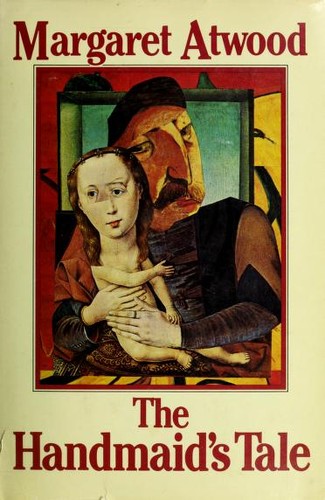
A woman lives under a theocratic regime. Chilling and unforgettable.
Best for: oppressive society.
2. Oryx and Crake by Margaret Atwood
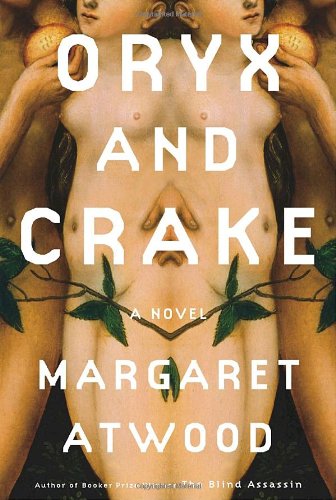
A lonely survivor recalls how the world ended. Sharp and darkly funny.
Best for: science gone wrong.
3. Station Eleven by Emily St. John Mandel
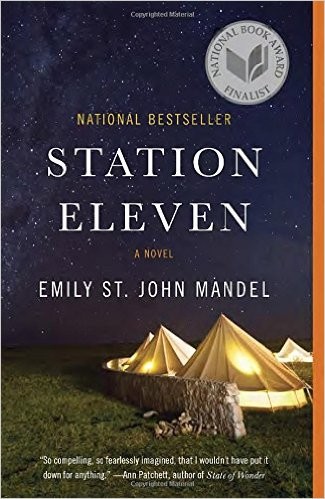
A travelling company performs Shakespeare after a pandemic. Elegant and moving.
Best for: literary post-collapse.
4. Never Let Me Go by Kazuo Ishiguro
Students at an English boarding school learn their purpose. Gentle and devastating.
Best for: quiet horror.
5. The Memory Police by Yoko Ogawa
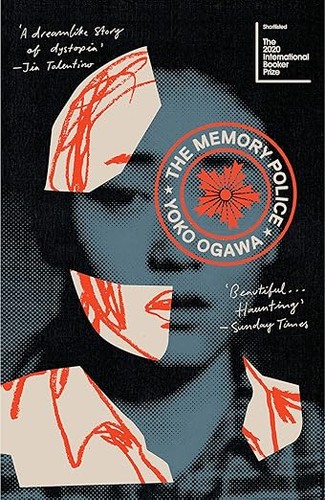
Objects disappear from an island and are forgotten. Haunting and calm.
Best for: vanishing things.
6. Blindness by Jose Saramago
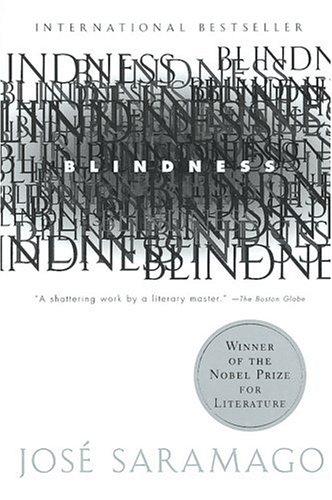
An epidemic of blindness traps people in an asylum. Stark and moving.
Best for: epidemic of blindness.
7. The Power by Naomi Alderman
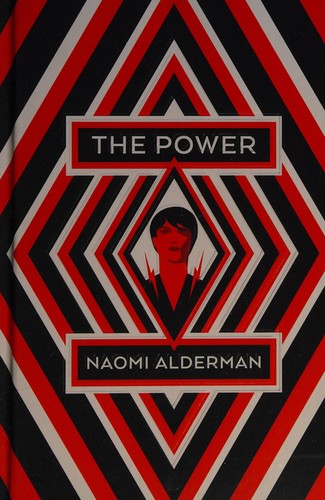
Women develop the ability to produce electric shocks, and the world shifts. Provocative and gripping.
Best for: reversed power.
8. Herland by Charlotte Perkins Gilman
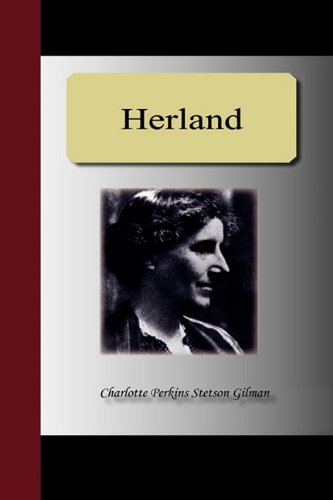
Three men discover a society of women. A classic of early feminist science fiction.
Best for: feminist utopia.
9. Parable of the Sower by Octavia E. Butler
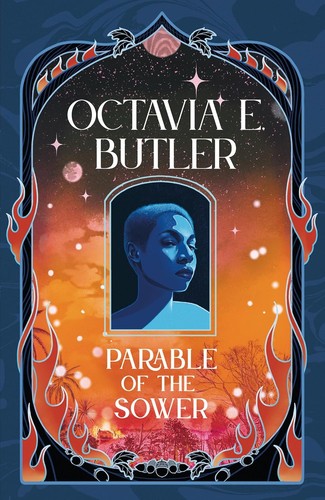
A teenage girl travels through a collapsing California. Influential and powerful.
Best for: visionary survival.
10. The Left Hand of Darkness by Ursula K. Le Guin
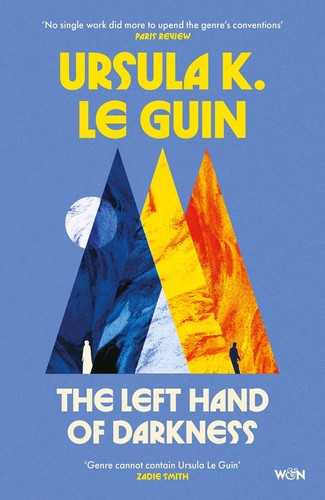
An envoy visits a world whose people have no fixed gender. Thoughtful and humane.
Best for: gender and society.
11. Woman on the Edge of Time by Marge Piercy

A woman visits a possible future. Political and humane.
Best for: utopia and dystopia.
12. The Female Man by Joanna Russ
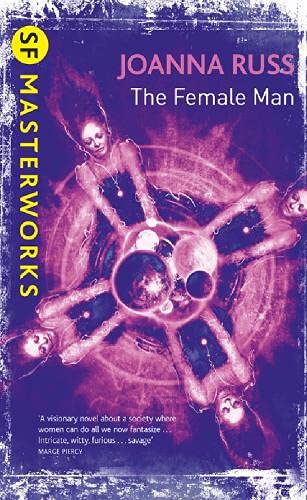
Four women from parallel worlds meet. Sharp, funny and radical.
Best for: feminist science fiction.
13. Severance by Ling Ma
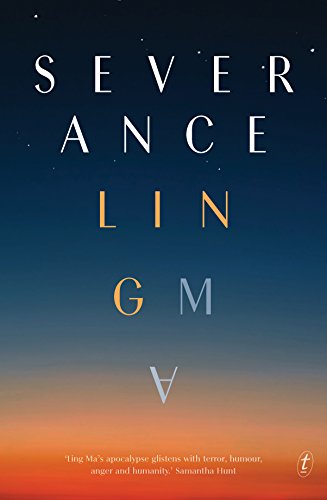
An office worker keeps going to work as a pandemic empties New York. Dry and haunting.
Best for: office satire.
14. Vox by Christina Dalcher
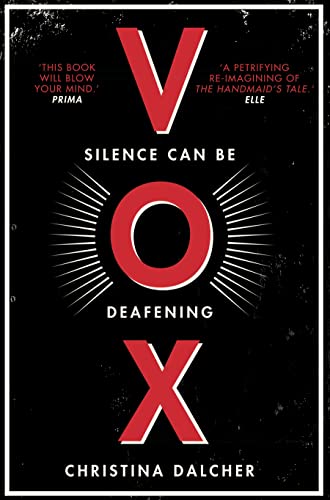
Women are limited to a hundred words a day. Fast and chilling.
Best for: silencing women.
15. The Road by Cormac McCarthy
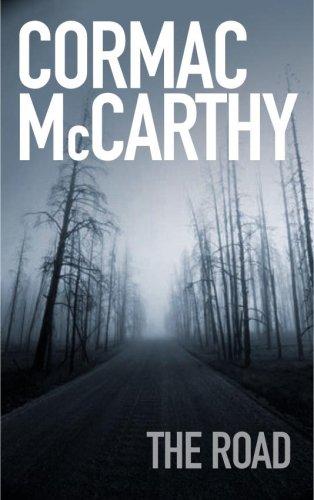
A father and son walk through a burned America. Sparse and devastating.
Best for: bleak survival.
How We Chose These Books
Every pick is a real, widely available book that shares something specific with I Who Have Never Known Men: its tone, its themes, its pace or the kind of characters it puts at the center. We mixed well-known favorites with a few less obvious titles, and we noted who each book suits best so you can match it to the reader. Where a book belongs to a series, we list the first volume so you can start at the beginning.
How to Choose
For more feminist dystopias choose The Handmaid's Tale, The Power or Vox. For quiet, strange survival pick Station Eleven, Never Let Me Go or The Memory Police. For classic utopias read Herland, The Left Hand of Darkness or Woman on the Edge of Time. For bleak emptiness try The Road or Blindness. I Who Have Never Known Men is spare and unresolved, so these picks suit readers who like questions more than answers. Harpman was a Belgian psychoanalyst and novelist, and her book was little known in English until a translation in 1997 and a revival in recent years, which has made it a cult favourite. It is short enough to read in a weekend. This is a book for readers who enjoy mystery without solution. If you prefer answers, The Handmaid's Tale and Parable of the Sower are more explicit. If you enjoy the confinement, Blindness and Never Let Me Go are similar. Short and haunting, it makes an excellent book club choice.
Related: Who Was Book Series Printable List Pdf · Who Moved My Cheese by Spencer Johnson: Summary and Key Takeaways
Frequently Asked Questions
What is I Who Have Never Known Men about?
A girl grows up in a cage with other women, then survives in an empty world.
Who wrote it?
Jacqueline Harpman, a Belgian author.
When was it published?
1995 in French.
Is it a short book?
Yes, about 250 pages.
Does it explain what happened?
No, the mystery stays unresolved.
Is it a dystopia?
It is a quiet science-fiction novel about survival and meaning.
Is it bleak?
Yes, though also humane.
What should I read next?
Try The Handmaid's Tale or The Memory Police.
Is I Who Have Never Known Men translated?
Yes, from French, by Ros Schwartz.
Is there a sequel?
No, it stands alone.