
Disclosure: As an Amazon Associate, Bookish Wisdom earns from qualifying purchases. This doesn't change our picks or your price.
Quick answer: If you loved Blink, try Outliers, Talking to Strangers, Thinking, Fast and Slow, Predictably Irrational, Nudge and The Gift of Fear. Each one explores how we make decisions, quick judgments or the hidden forces behind our behavior.
Malcolm Gladwell's 2005 bestseller examines the power and danger of quick judgments, which he calls thin-slicing. He shows how experts spot fakes in an instant, how speed daters really choose and how snap judgments can lead police to tragic mistakes. Readers love his stories and surprising research. These books share its interest in intuition, bias and decision-making.
Table of Contents
Quick Picks at a Glance
| Book | Author | Focus | Best For |
|---|---|---|---|
| Outliers | Malcolm Gladwell | Success | readers who want more Gladwell |
| Talking to Strangers | Malcolm Gladwell | Judgment | readers who like misjudgments |
| Thinking, Fast and Slow | Daniel Kahneman | Decision-making | readers who want the science |
| Predictably Irrational | Dan Ariely | Behavioral economics | readers who like irrational choices |
| Nudge | Richard H. Thaler and Cass R. Sunstein | Choice | readers who like design of choices |
| The Gift of Fear | Gavin de Becker | Intuition | readers who want practical intuition |
| Sources of Power | Gary Klein | Expert intuition | readers who want research |
| Influence | Robert B. Cialdini | Persuasion | readers who like hidden influences |
| Noise | Daniel Kahneman, Olivier Sibony and Cass R. Sunstein | Judgment | readers who want more Kahneman |
| Thinking in Bets | Annie Duke | Uncertainty | readers who like poker lessons |
| Freakonomics | Steven D. Levitt and Stephen J. Dubner | Economics | readers who like surprising data |
| Incognito | David Eagleman | Brain | readers who like neuroscience |
| Biased | Jennifer L. Eberhardt | Bias | readers who want research on racial bias |
| The Undoing Project | Michael Lewis | Biography | readers who want the story of Kahneman and Tversky |
| Superforecasting | Philip E. Tetlock and Dan Gardner | Prediction | readers who want better forecasts |
1. Outliers by Malcolm Gladwell
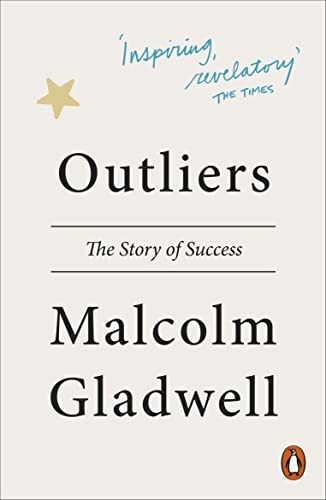
Gladwell examines what drives success.
Best for: readers who want more Gladwell.
2. Talking to Strangers by Malcolm Gladwell
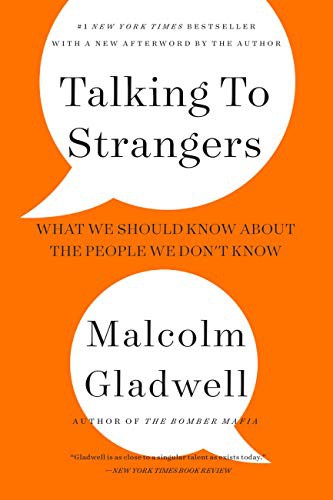
Why we misread people we don't know.
Best for: readers who like misjudgments.
3. Thinking, Fast and Slow by Daniel Kahneman
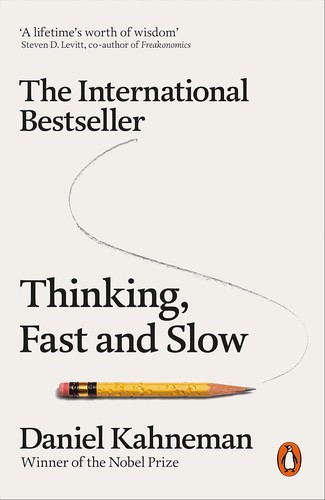
A Nobel winner explains two modes of thought.
Best for: readers who want the science.
4. Predictably Irrational by Dan Ariely
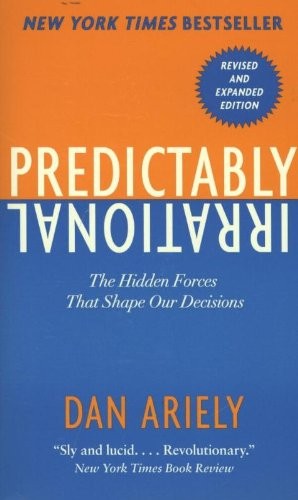
Experiments show predictable mistakes.
Best for: readers who like irrational choices.
5. Nudge by Richard H. Thaler and Cass R. Sunstein

How small nudges shape decisions.
Best for: readers who like design of choices.
6. The Gift of Fear by Gavin de Becker
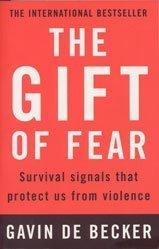
How to trust your instincts about danger.
Best for: readers who want practical intuition.
7. Sources of Power by Gary Klein
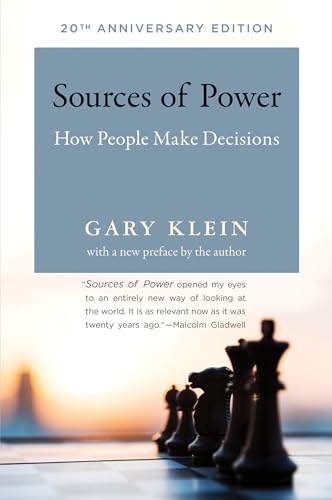
How experts make fast decisions.
Best for: readers who want research.
8. Influence by Robert B. Cialdini
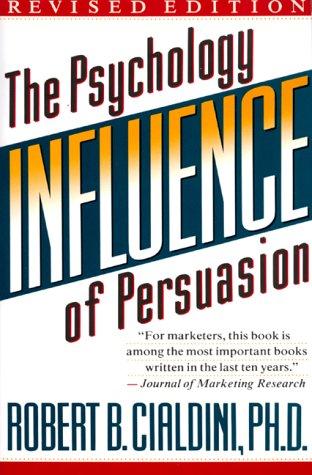
The psychology of persuasion.
Best for: readers who like hidden influences.
9. Noise by Daniel Kahneman, Olivier Sibony and Cass R. Sunstein
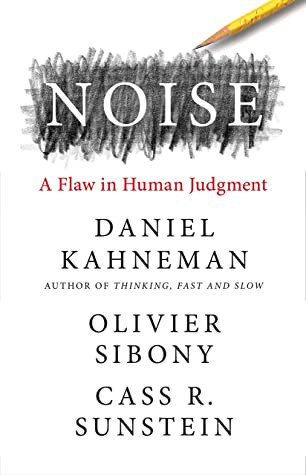
Why judgments vary.
Best for: readers who want more Kahneman.
10. Thinking in Bets by Annie Duke
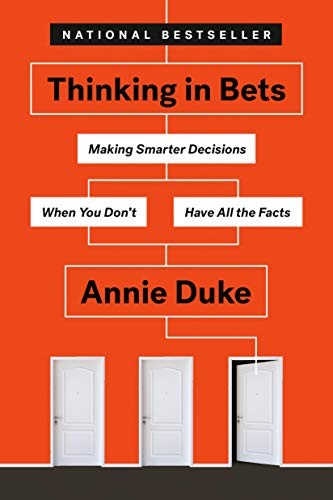
Deciding under uncertainty.
Best for: readers who like poker lessons.
11. Freakonomics by Steven D. Levitt and Stephen J. Dubner
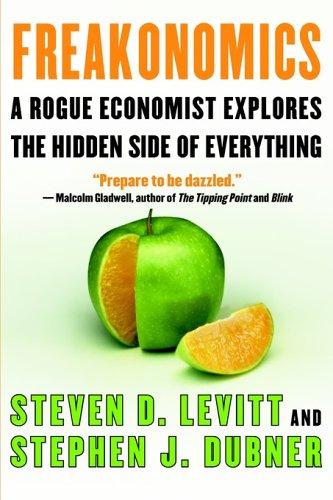
Hidden forces behind everyday life.
Best for: readers who like surprising data.
12. Incognito by David Eagleman
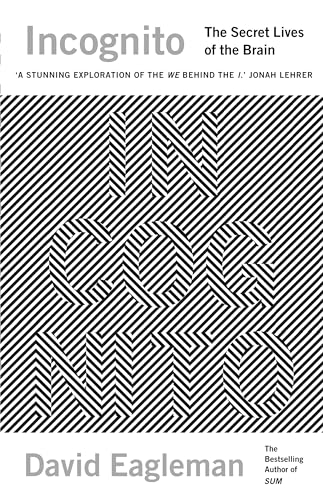
The secret life of the brain.
Best for: readers who like neuroscience.
13. Biased by Jennifer L. Eberhardt
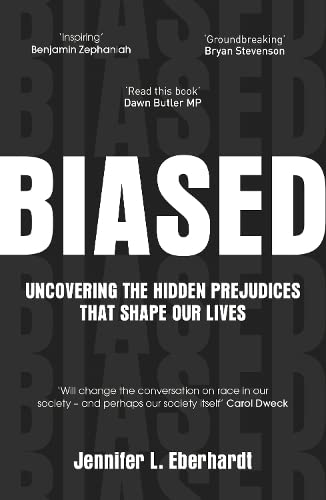
How unconscious bias shapes society.
Best for: readers who want research on racial bias.
14. The Undoing Project by Michael Lewis
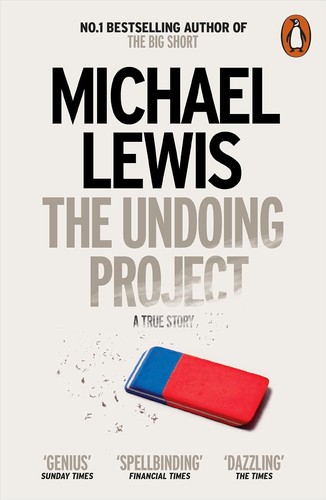
A friendship that changed psychology.
Best for: readers who want the story of Kahneman and Tversky.
15. Superforecasting by Philip E. Tetlock and Dan Gardner
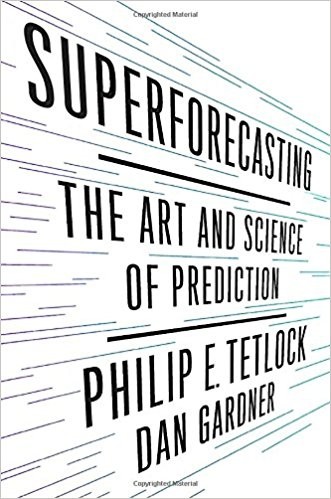
How some people predict well.
Best for: readers who want better forecasts.
How We Chose These Books
Every pick is a real, widely available book that shares something specific with Blink: its tone, its themes, its pace or the kind of characters it puts at the center. We mixed well-known favorites with a few less obvious titles, and we noted who each book suits best so you can match it to the reader. Where a book belongs to a series, we list the first volume so you can start at the beginning.
If you are not sure where to begin, start with the first three picks in the table: they are the closest match to Blink. The rest of the list moves further out, so it works well once you know which part of the original you liked most. If a pick is part of a longer series, read the first book before you commit, and check the age or content notes in the table before passing a book to a younger reader.
How to Choose
For more Gladwell, Talking to Strangers is closest in theme. If you want the deeper science, Thinking, Fast and Slow is essential, and The Undoing Project tells its story. The Gift of Fear shows how to use intuition for safety. Biased explores the darker side of snap judgments.
Related: Blink by Malcolm Gladwell: Summary and Key Takeaways · The Tipping Point by Malcolm Gladwell: Summary and Key Takeaways
Frequently Asked Questions
What is Blink about?
How quick, unconscious judgments can be powerful and sometimes dangerously wrong.
What is thin-slicing?
Gladwell's term for making judgments from small amounts of information.
Is Blink scientific?
It draws on research, but some psychologists say it oversimplifies.
What should I read after Blink?
Thinking, Fast and Slow goes deeper into the science.
Is Blink easy to read?
Yes. It is built around short stories.
When was Blink published?
In 2005.
Is Blink about trusting your gut?
Partly, but it also shows when gut feelings fail.
What is the Getty kouros story?
Art experts sensed a statue was fake within seconds, before tests confirmed doubts.
Is Blink good for business readers?
Yes. Its lessons on hiring, marketing and bias apply to work.