
Disclosure: As an Amazon Associate, Bookish Wisdom earns from qualifying purchases. This doesn't change our picks or your price.
Quick answer: If you read Cut, read Laurie Halse Anderson's Speak and Wintergirls, then Girl in Pieces, Perks of Being a Wallflower and It's Kind of a Funny Story. All are honest young adult novels about mental health, pain and recovery, and they should be read with care.
Patricia McCormick's 2000 novel follows Callie, a teenager who has stopped speaking and is sent to a treatment centre after harming herself. It is spare, empathetic and honest, and it opens up conversation about teen mental health. Please note that it deals with self-harm, and readers should take care. The books below offer similar stories of struggle and healing for teens.
Table of Contents
Quick Picks at a Glance
| Book | Author | Ages | Best For |
|---|---|---|---|
| Speak | Laurie Halse Anderson | Teen | silence after trauma |
| Wintergirls | Laurie Halse Anderson | Teen | eating disorders |
| Girl in Pieces | Kathleen Glasgow | Teen | self-harm and recovery |
| The Perks of Being a Wallflower | Stephen Chbosky | Teen | letters from a shy teen |
| It's Kind of a Funny Story | Ned Vizzini | Teen | depression with humour |
| Challenger Deep | Neal Shusterman | Teen | mental illness in metaphor |
| All the Bright Places | Jennifer Niven | Teen | love and depression |
| Turtles All the Way Down | John Green | Teen | anxiety |
| Hold Still | Nina LaCour | Teen | grief after suicide |
| Hate List | Jennifer Brown | Teen | aftermath of a shooting |
| Impulse | Ellen Hopkins | Teen | verse novel |
| Thirteen Reasons Why | Jay Asher | Teen | tapes and suicide |
| Girl, Interrupted | Susanna Kaysen | Adult | memoir of hospitalisation |
| The Bell Jar | Sylvia Plath | Adult | classic breakdown |
| Willow | Julia Hoban | Teen | self-harm and grief |
1. Speak by Laurie Halse Anderson
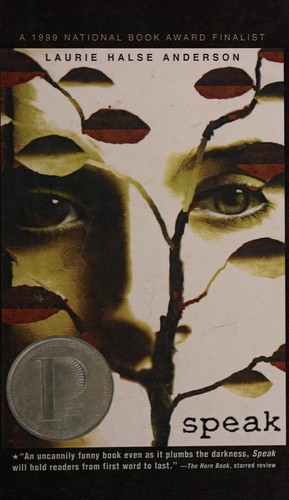
A freshman who was assaulted stops speaking. Clear, tough and powerful.
Best for: silence after trauma.
2. Wintergirls by Laurie Halse Anderson
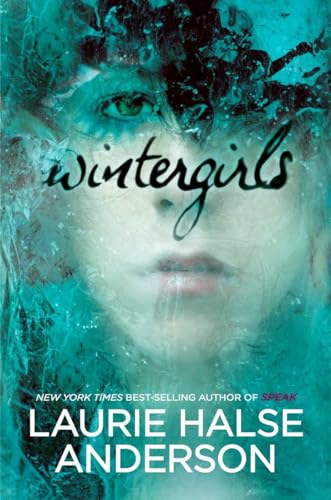
A teenager grieves her best friend and struggles with anorexia. Intense and poetic.
Best for: eating disorders.
3. Girl in Pieces by Kathleen Glasgow
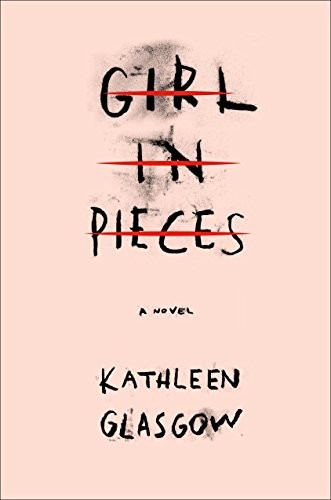
A homeless teenager fights to rebuild her life. Raw and hopeful.
Best for: self-harm and recovery.
4. The Perks of Being a Wallflower by Stephen Chbosky
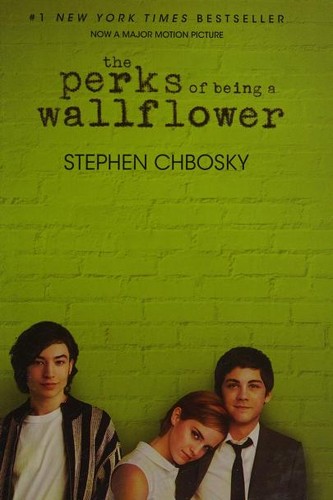
A shy teenager writes letters about high school and friendship. Warm, sad and classic.
Best for: letters from a shy teen.
5. It's Kind of a Funny Story by Ned Vizzini
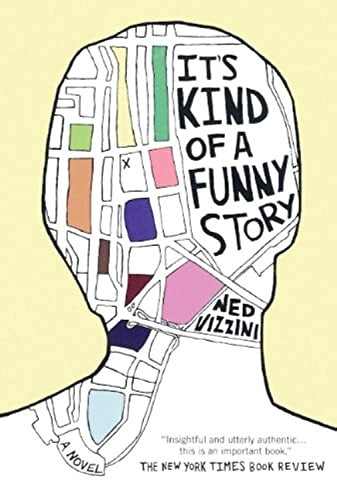
A teen checks into a psychiatric ward. Funny and moving.
Best for: depression with humour.
6. Challenger Deep by Neal Shusterman
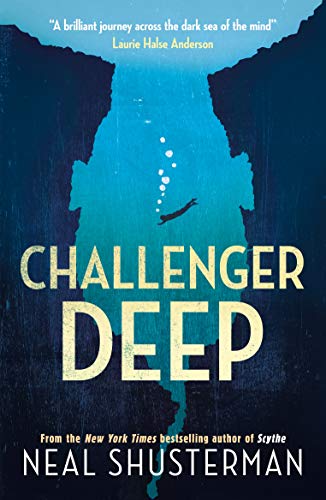
A boy descends into psychosis on an imaginary ship. Inventive and honest.
Best for: mental illness in metaphor.
7. All the Bright Places by Jennifer Niven
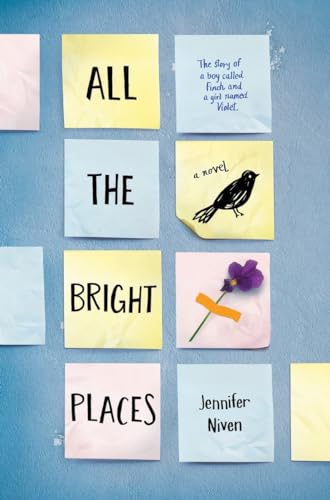
Two teens meet on a ledge and form a bond. Moving and heavy.
Best for: love and depression.
8. Turtles All the Way Down by John Green
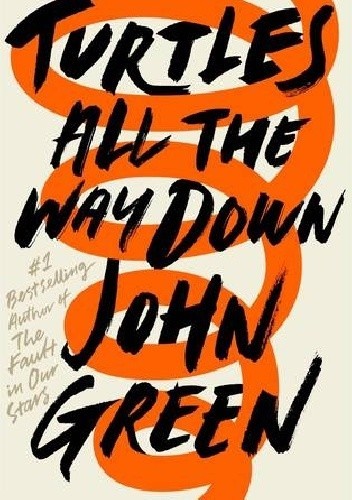
A girl struggles with obsessive thoughts. Honest and clear.
Best for: anxiety.
9. Hold Still by Nina LaCour
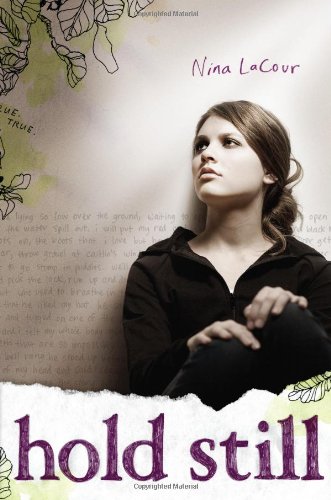
A teenager copes with her best friend's death. Gentle and lyrical.
Best for: grief after suicide.
10. Hate List by Jennifer Brown
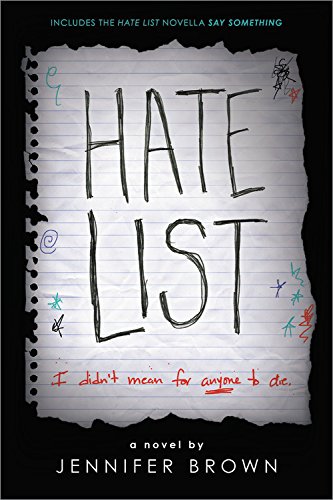
A teen faces the fallout of her boyfriend's shooting. Hard and honest.
Best for: aftermath of a shooting.
11. Impulse by Ellen Hopkins
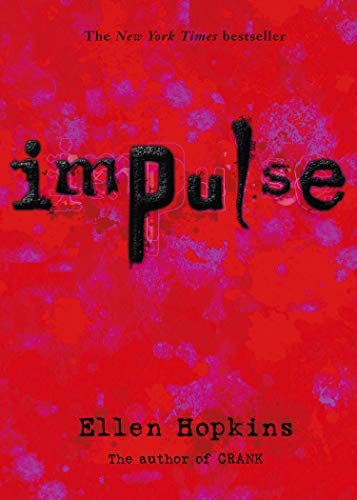
Three teens in a treatment centre tell their stories. Raw and fast.
Best for: verse novel.
12. Thirteen Reasons Why by Jay Asher
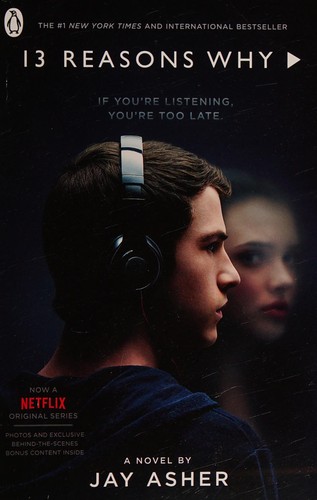
A teenager listens to tapes recorded by a friend who died. Controversial and widely read.
Best for: tapes and suicide.
13. Girl, Interrupted by Susanna Kaysen
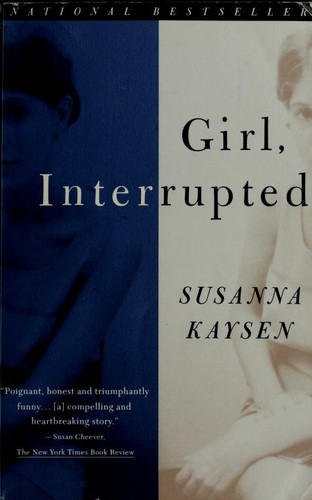
Kaysen recalls her time in a psychiatric hospital. Short and haunting.
Best for: memoir of hospitalisation.
14. The Bell Jar by Sylvia Plath
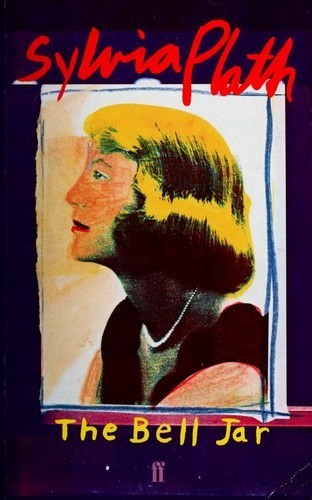
A young woman unravels during a summer in New York. Honest and enduring.
Best for: classic breakdown.
15. Willow by Julia Hoban
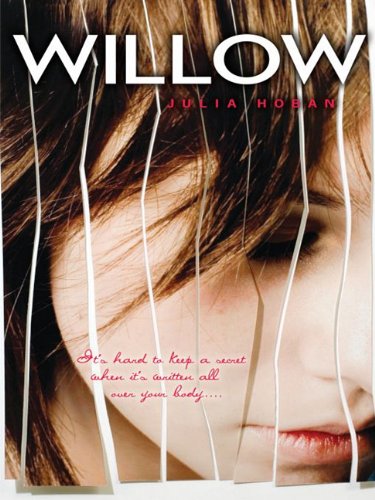
A teen who cuts herself after her parents' death meets a caring boy. Quiet and moving.
Best for: self-harm and grief.
How We Chose These Books
Every pick is a real, widely available book that shares something specific with Cut: its tone, its themes, its pace or the kind of characters it puts at the center. We mixed well-known favorites with a few less obvious titles, and we noted who each book suits best so you can match it to the reader. Where a book belongs to a series, we list the first volume so you can start at the beginning.
How to Choose
For more McCormick read her other novels. For related YA topics choose Speak, Wintergirls or Girl in Pieces. For hopeful humour pick It's Kind of a Funny Story or The Perks of Being a Wallflower. For anxiety and grief read Turtles All the Way Down or Hold Still. For adult classics try The Bell Jar or Girl, Interrupted. If you or someone you know is struggling, please reach out to a doctor, counsellor or a local helpline. Cut is a short book often used in schools and libraries, and its quiet, spare style makes it approachable for reluctant readers. It is best read with a trusted adult available to talk afterwards. Teachers and librarians often recommend Cut as a gateway to harder YA novels about mental health. If you are reading with a young person, it helps to ask what they noticed and to listen without judgement. Audiobooks are available.
Related: 15 Books Like Wings of Fire Kids Will Love: Dragons, Quests and Animal Adventures · 12 Dystopian Books Like the Hunger Games | Best Books to Read Like Hunger Games
Frequently Asked Questions
What is Cut about?
A teenager who harms herself is sent to a treatment centre and learns to speak.
Who wrote it?
Patricia McCormick.
When was it published?
2000.
What age is it for?
Young adult, usually ages 13 and up.
Is it graphic?
It deals with self-harm but avoids explicit detail.
Is it hopeful?
Yes, it focuses on recovery.
Is it a quick read?
Yes, about 170 pages.
Where can I find help?
A doctor, counsellor or local crisis line.
Is Cut appropriate for school libraries?
It is widely stocked, though schools often review it first.
Is the ending realistic?
Many readers feel it is honest about recovery being gradual.