
Disclosure: As an Amazon Associate, Bookish Wisdom earns from qualifying purchases. This doesn't change our picks or your price.
Quick answer: If you read The Botany of Desire, read Michael Pollan's The Omnivore's Dilemma and In Defense of Food, then Braiding Sweetgrass, The Hidden Life of Trees, Salt and The Orchid Thief. All look at plants, food and nature as a story of human wants and natural forces.
Michael Pollan's 2001 book looks at four plants, the apple, tulip, cannabis and potato, and asks how each has used human desires for sweetness, beauty, intoxication and control to spread. It is curious, funny and thoughtful. The books below offer similar looks at nature, food and the natural history behind everyday things.
Table of Contents
Quick Picks at a Glance
| Book | Author | Ages | Best For |
|---|---|---|---|
| The Omnivore's Dilemma | Michael Pollan | Adult | what we eat |
| In Defense of Food | Michael Pollan | Adult | eating well |
| Cooked | Michael Pollan | Adult | fire, water, air, earth |
| Second Nature | Michael Pollan | Adult | gardens |
| Braiding Sweetgrass | Robin Wall Kimmerer | Adult | science and story |
| The Hidden Life of Trees | Peter Wohlleben | Adult | forest science |
| Salt | Mark Kurlansky | Adult | history of a mineral |
| Cod | Mark Kurlansky | Adult | history of a fish |
| Guns, Germs, and Steel | Jared Diamond | Adult | geography and history |
| 1491 | Charles C. Mann | Adult | Americas before Columbus |
| The Orchid Thief | Susan Orlean | Adult | obsession with plants |
| Entangled Life | Merlin Sheldrake | Adult | fungi |
| The Wild Trees | Richard Preston | Adult | giant redwoods |
| Lab Girl | Hope Jahren | Adult | science memoir |
| Silent Spring | Rachel Carson | Adult | environmental classic |
1. The Omnivore's Dilemma by Michael Pollan
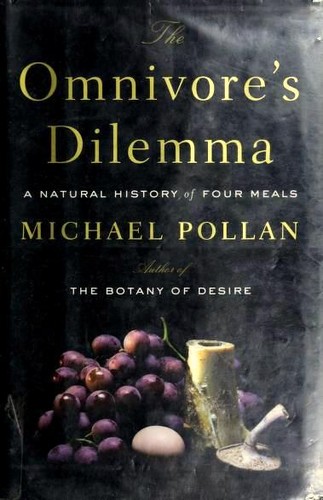
Pollan follows four meals back to their sources. Engaging and influential.
Best for: what we eat.
2. In Defense of Food by Michael Pollan
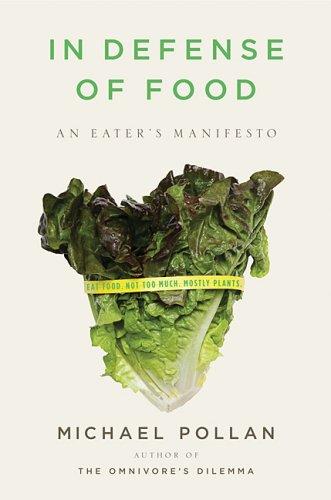
Pollan argues for simple, traditional food. Short and clear.
Best for: eating well.
3. Cooked by Michael Pollan
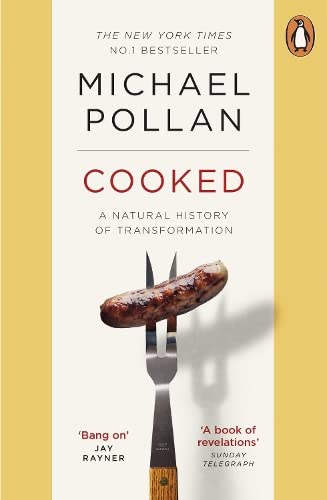
Pollan learns to cook and ferment. Warm and curious.
Best for: fire, water, air, earth.
4. Second Nature by Michael Pollan
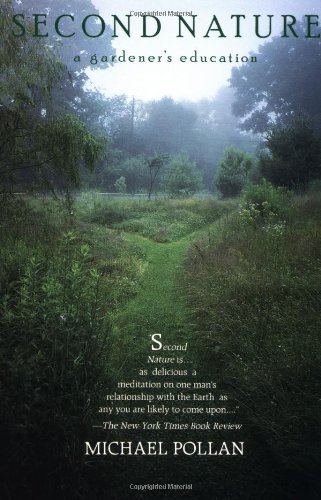
Pollan reflects on gardening. Gentle and witty.
Best for: gardens.
5. Braiding Sweetgrass by Robin Wall Kimmerer
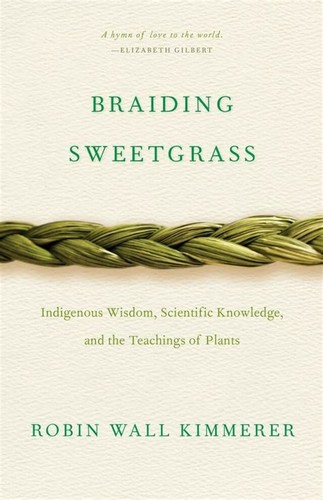
A botanist and Potawatomi writer blends plant science with Indigenous knowledge. Warm and wise.
Best for: science and story.
6. The Hidden Life of Trees by Peter Wohlleben
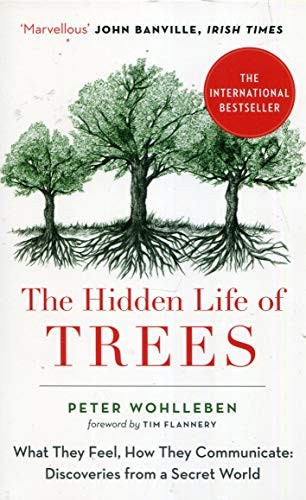
A forester explains how trees communicate and support each other. Charming and surprising.
Best for: forest science.
7. Salt by Mark Kurlansky
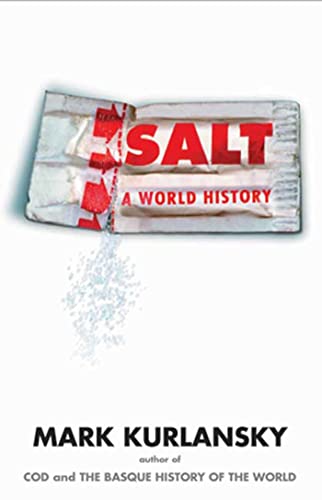
Kurlansky traces the story of salt in human history. Light and fascinating.
Best for: history of a mineral.
8. Cod by Mark Kurlansky
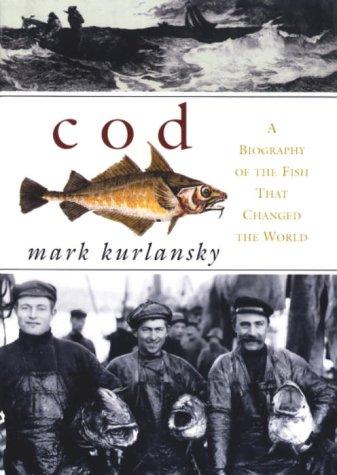
The fish that changed the world. Clear and entertaining.
Best for: history of a fish.
9. Guns, Germs, and Steel by Jared Diamond

Diamond argues that geography shaped the rise of societies. Controversial but influential.
Best for: geography and history.
10. 1491 by Charles C. Mann
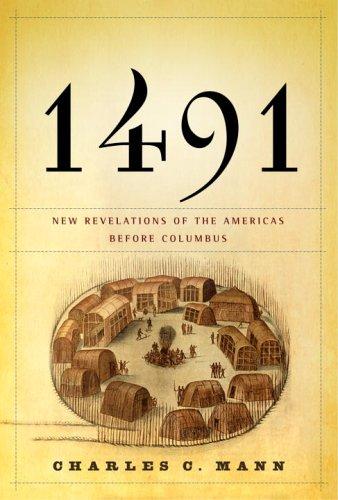
Mann reveals what archaeology says about pre-Columbian life. Fascinating and detailed.
Best for: Americas before Columbus.
11. The Orchid Thief by Susan Orlean
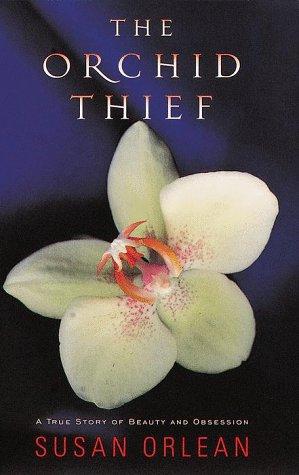
Orlean follows a man who steals orchids in Florida. Funny and strange.
Best for: obsession with plants.
12. Entangled Life by Merlin Sheldrake
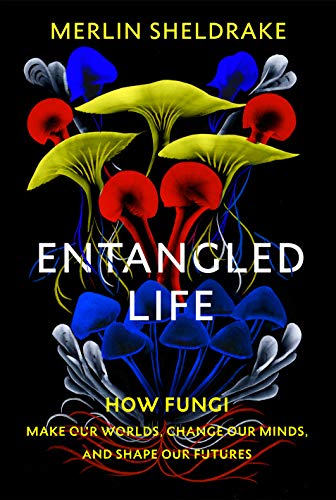
Sheldrake explores the hidden world of fungi. Beautiful and surprising.
Best for: fungi.
13. The Wild Trees by Richard Preston
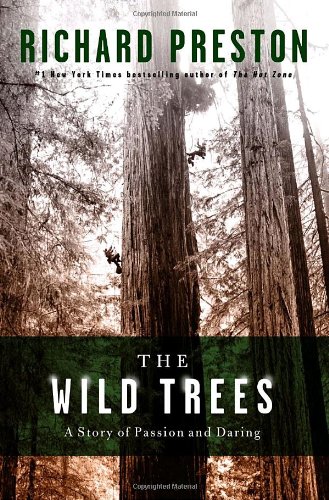
A group of climbers explores the canopy of the tallest trees. Vivid and strange.
Best for: giant redwoods.
14. Lab Girl by Hope Jahren
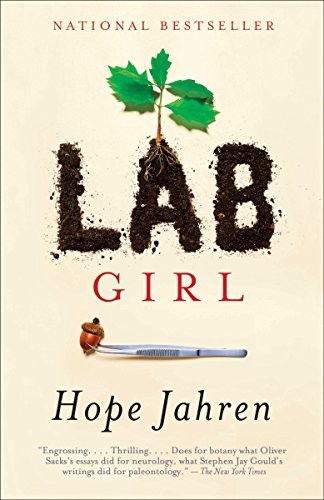
A geobiologist writes about her work with plants and friendship. Funny and honest.
Best for: science memoir.
15. Silent Spring by Rachel Carson
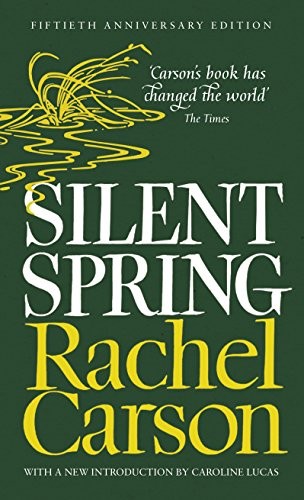
Carson shows the harm of pesticides to nature. The book that helped launch the modern environmental movement.
Best for: environmental classic.
How We Chose These Books
Every pick is a real, widely available book that shares something specific with The Botany of Desire: its tone, its themes, its pace or the kind of characters it puts at the center. We mixed well-known favorites with a few less obvious titles, and we noted who each book suits best so you can match it to the reader. Where a book belongs to a series, we list the first volume so you can start at the beginning.
How to Choose
For more Pollan start with The Omnivore's Dilemma or In Defense of Food. For plants and wisdom choose Braiding Sweetgrass or The Hidden Life of Trees. For histories of ordinary things read Salt and Cod. For deep history try 1491 or Guns, Germs, and Steel. For plant obsession pick The Orchid Thief. The Botany of Desire is lively and short, so these picks suit readers who enjoy nature writing with wit. Pollan's book was adapted into a PBS documentary, which is a good companion if you enjoy visual storytelling. His other books have also been adapted, including Cooked as a Netflix series. Pollan's writing is light, curious and clear, so it suits readers who like science without jargon. If you want to try the ideas yourself, gardening and cooking books make good companions. If you want deeper history, 1491 and Guns, Germs, and Steel are broad. Audiobooks of Pollan are narrated by the author.
Related: 15 Books Like Wings of Fire Kids Will Love: Dragons, Quests and Animal Adventures · 12 Dystopian Books Like the Hunger Games | Best Books to Read Like Hunger Games
Frequently Asked Questions
What is The Botany of Desire about?
How four plants, the apple, tulip, cannabis and potato, shaped and were shaped by human desires.
Who wrote it?
Michael Pollan.
When was it published?
2001.
Is it about gardening?
Partly, though it is more about natural and cultural history.
Is it a long book?
About 250 pages.
Is there a documentary?
Yes, a PBS documentary based on the book.
Is it good for non-scientists?
Yes, it is written for general readers.
What should I read next?
Try The Omnivore's Dilemma or Braiding Sweetgrass.
Does the book discuss cannabis?
Yes, as one of the four plants, and Pollan treats it as a topic of history and culture.
Is it still relevant?
Yes, many of its questions about food and nature remain central.