

Disclosure: As an Amazon Associate, Bookish Wisdom earns from qualifying purchases. This doesn't change our picks or your price.
Quick answer: If you loved Do No Harm, read Admissions, When Breath Becomes Air, Being Mortal and This Is Going to Hurt. All offer frank, human accounts of medicine from doctors who care deeply.
Henry Marsh's memoir describes a neurosurgeon's triumphs, mistakes and doubts. The books below share that honesty and look at life, death and the doctors who stand between them. They are mostly memoirs and narrative nonfiction, and all are real, in-print books.
Table of Contents
Quick Picks at a Glance
| Book | Author | Ages | Best For |
|---|---|---|---|
| Admissions | Henry Marsh | Adult | more Marsh |
| When Breath Becomes Air | Paul Kalanithi | Adult | reflective memoir |
| Being Mortal | Atul Gawande | Adult | end-of-life care |
| This Is Going to Hurt | Adam Kay | Adult | medical humor |
| Complications | Atul Gawande | Adult | surgical stories |
| The Emperor of All Maladies | Siddhartha Mukherjee | Adult | history of medicine |
| The House of God | Samuel Shem | Adult | medical satire |
| Every Patient Tells a Story | Lisa Sanders | Adult | medical mysteries |
| The Checklist Manifesto | Atul Gawande | Adult | systems thinking |
| Better | Atul Gawande | Adult | improving practice |
| How Doctors Think | Jerome Groopman | Adult | patient insight |
| Direct Red | Gabriel Weston | Adult | surgeon's voice |
| With the End in Mind | Kathryn Mannix | Adult | palliative care |
| Mountains Beyond Mountains | Tracy Kidder | Adult | global health |
| Black Man in a White Coat | Damon Tweedy | Adult | race in medicine |
1. Admissions by Henry Marsh
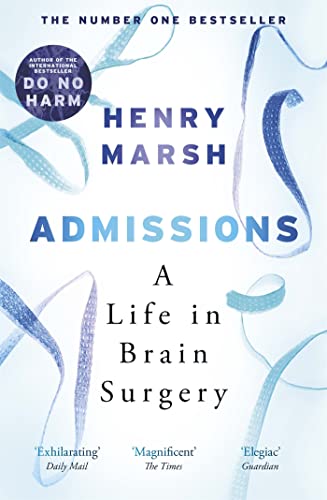
Marsh's follow-up looks back on his career and retirement. Reflective and frank.
Best for: more Marsh.
2. When Breath Becomes Air by Paul Kalanithi
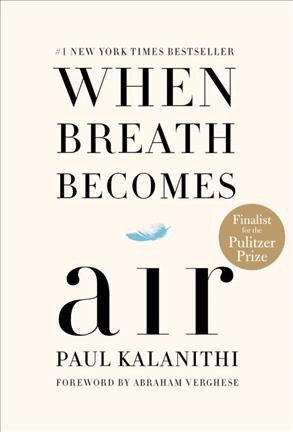
A neurosurgeon faces terminal cancer and reflects on meaning. Moving and brief.
Best for: reflective memoir.
3. Being Mortal by Atul Gawande
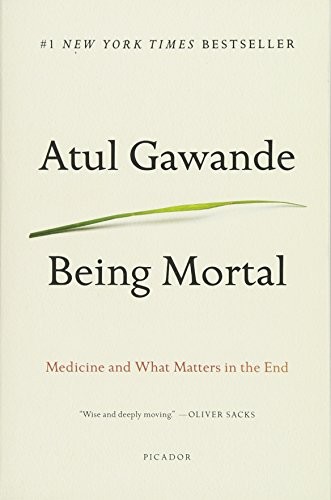
A surgeon examines aging, illness and end-of-life care. Clear and humane.
Best for: end-of-life care.
4. This Is Going to Hurt by Adam Kay
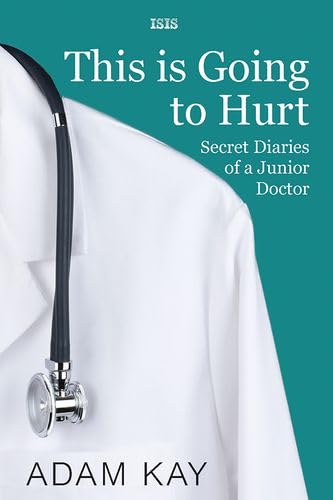
A junior doctor's diary of the British NHS. Funny, rude and sad.
Best for: medical humor.
5. Complications by Atul Gawande
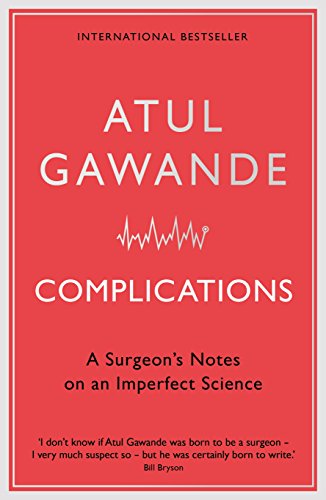
A surgeon writes about the imperfect science of surgery. Curious and honest.
Best for: surgical stories.
6. The Emperor of All Maladies by Siddhartha Mukherjee
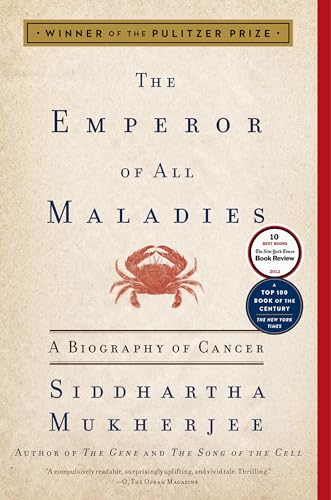
A biography of cancer, from ancient times to modern treatments. Long and rich.
Best for: history of medicine.
7. The House of God by Samuel Shem
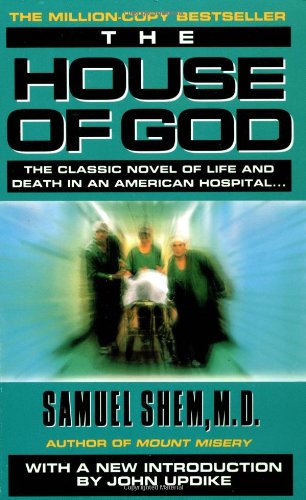
A satirical novel about a harsh internship in the 1970s. Dark and funny.
Best for: medical satire.
8. Every Patient Tells a Story by Lisa Sanders
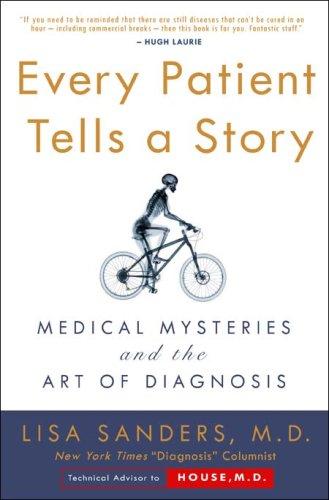
A doctor describes solving puzzling diagnoses. Gripping and educational.
Best for: medical mysteries.
9. The Checklist Manifesto by Atul Gawande
Shows how simple checklists can save lives. Practical and brief.
Best for: systems thinking.
10. Better by Atul Gawande
Essays on how doctors can improve their craft. Wise and helpful.
Best for: improving practice.
11. How Doctors Think by Jerome Groopman
Explores how doctors make decisions and where they go wrong. Useful for patients.
Best for: patient insight.
12. Direct Red by Gabriel Weston
A surgeon describes the intensity of her work. Literary and sharp.
Best for: surgeon's voice.
13. With the End in Mind by Kathryn Mannix
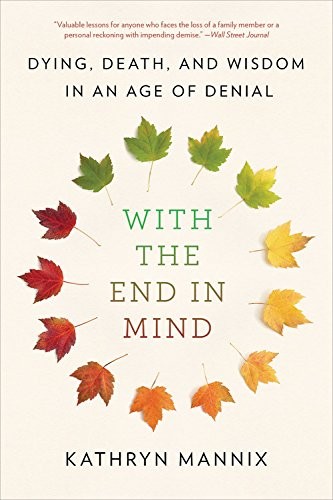
A palliative care doctor shares stories of dying well. Gentle and calming.
Best for: palliative care.
14. Mountains Beyond Mountains by Tracy Kidder
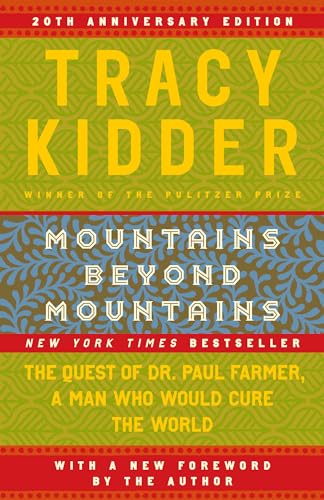
The story of Paul Farmer's work for global health. Inspiring and detailed.
Best for: global health.
15. Black Man in a White Coat by Damon Tweedy
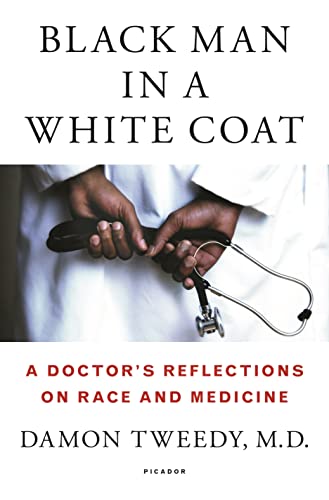
A Black doctor reflects on race and medicine. Honest and thoughtful.
Best for: race in medicine.
How to Choose
For more Marsh, begin with Admissions. For emotional memoirs, When Breath Becomes Air and Being Mortal. For humor, This Is Going to Hurt. For medical history, The Emperor of All Maladies. For a hopeful look at dying, With the End in Mind. These books discuss illness and death in plain terms, so read them when you feel ready. Medical memoirs are best read slowly. Many include sad or upsetting stories, so you may want to alternate them with lighter books. If you are a student of medicine or healthcare, these titles also work as discussion material. Libraries often have audiobook versions narrated by the authors, which many readers prefer for their personal tone. If you work in or study a health field, try a few of these titles as a group read. The stories about uncertainty, bedside manner and decision-making can start valuable conversations. Non-medical readers will also find that they learn how to ask better questions at their own appointments.
Related: 15 Books Like Wings of Fire Kids Will Love: Dragons, Quests and Animal Adventures · 12 Dystopian Books Like the Hunger Games | Best Books to Read Like Hunger Games
Frequently Asked Questions
Is Do No Harm graphic?
It describes brain surgery in detail, but the focus is on the doctor's decisions and feelings.
Who wrote Do No Harm?
Henry Marsh, a British neurosurgeon, published it in 2014.
What is the subtitle?
The full title is Do No Harm: Stories of Life, Death and Brain Surgery.
Is it suitable for non-medical readers?
Yes. Marsh explains terms clearly and focuses on human stories.
Which book is the funniest?
This Is Going to Hurt by Adam Kay is the funniest and the most outspoken.
Is Do No Harm a good book for people who are not in medicine?
Yes. Marsh uses plain language and explains terms.
How does it compare with When Breath Becomes Air?
Marsh is blunt and darkly funny, while Kalanithi is lyrical and personal.
Does Marsh talk about regret?
Yes. He openly describes mistakes and the guilt that follows them.
Is the book about the NHS?
It is set mainly in British hospitals and includes frustrations with the health system.
Is there a documentary about Marsh?
Yes. The film The English Surgeon (2007) follows him in Ukraine.
Why did Marsh write Do No Harm?
He wanted to show the reality of brain surgery, including the doubt and the mistakes, which medical books often leave out.
Is Admissions a sequel?
It is a follow-up memoir that covers his later career and retirement, though it stands alone.