
Disclosure: As an Amazon Associate, Bookish Wisdom earns from qualifying purchases. This doesn't change our picks or your price.
Quick answer: If you read Dying of Whiteness, continue with White Rage, Strangers in Their Own Land, The Sum of Us and Caste. All examine how race, politics and policy shape people's lives and choices.
Jonathan Metzl's book argues that policies favored by some white Americans, such as looser gun laws, tax cuts and refusal of health coverage, can harm the very communities that support them. The books below explore related questions about race, class and politics. All are nonfiction, and all are real, in-print books. They reflect different views and should be read critically.
Table of Contents
Quick Picks at a Glance
| Book | Author | Ages | Best For |
|---|---|---|---|
| White Rage | Carol Anderson | Adult | history of backlash |
| Strangers in Their Own Land | Arlie Russell Hochschild | Adult | understanding voters |
| The Color of Law | Richard Rothstein | Adult | housing history |
| Caste | Isabel Wilkerson | Adult | big ideas |
| The Sum of Us | Heather McGhee | Adult | costs of division |
| Medical Apartheid | Harriet A. Washington | Adult | medical history |
| The New Jim Crow | Michelle Alexander | Adult | systemic critique |
| Deaths of Despair and the Future of Capitalism | Anne Case and Angus Deaton | Adult | public health and economics |
| Evicted | Matthew Desmond | Adult | poverty and housing |
| Dopesick | Beth Macy | Adult | opioid crisis |
| Nickel and Dimed | Barbara Ehrenreich | Adult | low-wage work |
| Stamped from the Beginning | Ibram X. Kendi | Adult | history of ideas |
| How to Be an Antiracist | Ibram X. Kendi | Adult | practical ideas |
| Hillbilly Elegy | J.D. Vance | Adult | class and family |
| Between the World and Me | Ta-Nehisi Coates | Adult | personal essay |
1. White Rage by Carol Anderson
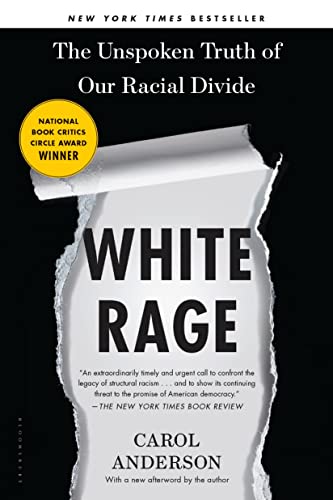
Argues that white backlash has often followed Black progress in American history. Clear and forceful.
Best for: history of backlash.
2. Strangers in Their Own Land by Arlie Russell Hochschild
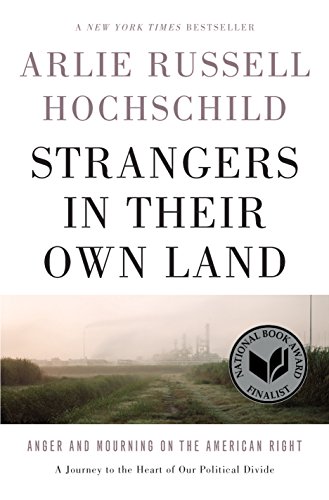
A sociologist spends years among Tea Party supporters in Louisiana. Careful and empathetic.
Best for: understanding voters.
3. The Color of Law by Richard Rothstein
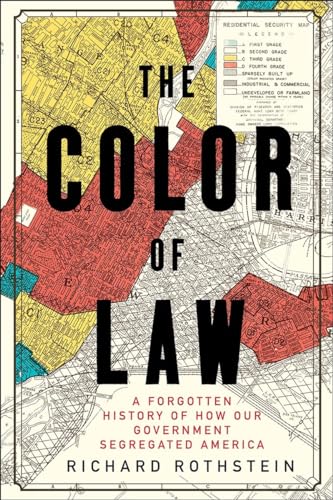
Shows how government policy segregated American cities. Detailed and eye-opening.
Best for: housing history.
4. Caste by Isabel Wilkerson
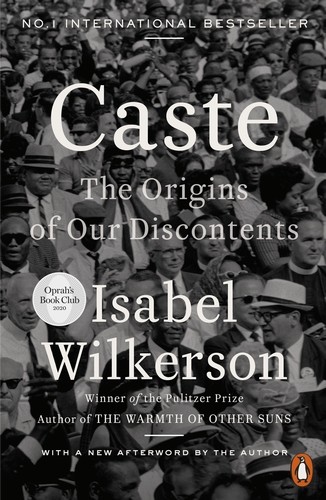
Explores the idea of caste in America, comparing it with India and Nazi Germany. Thought-provoking.
Best for: big ideas.
5. The Sum of Us by Heather McGhee
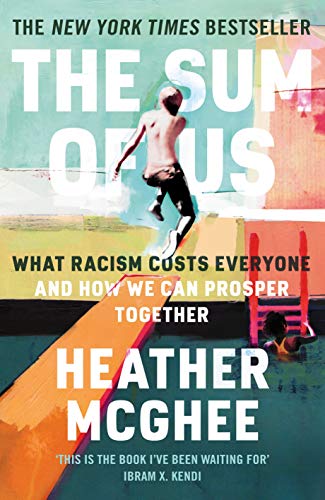
Argues that racism costs everyone, with examples from public pools to health care. Clear and hopeful.
Best for: costs of division.
6. Medical Apartheid by Harriet A. Washington
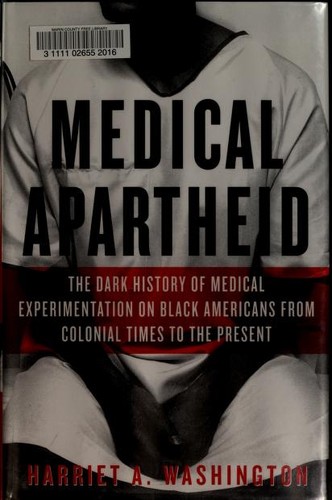
A history of medical experimentation on Black Americans. Detailed and disturbing.
Best for: medical history.
7. The New Jim Crow by Michelle Alexander
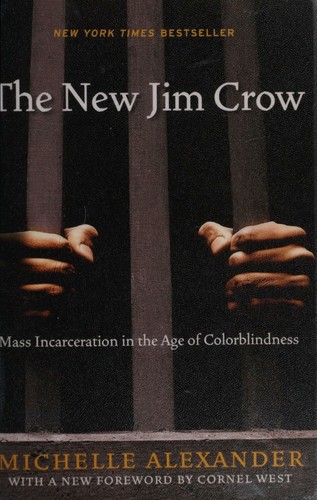
Argues that mass incarceration works as a system of racial control. Influential and sobering.
Best for: systemic critique.
8. Deaths of Despair and the Future of Capitalism by Anne Case and Angus Deaton
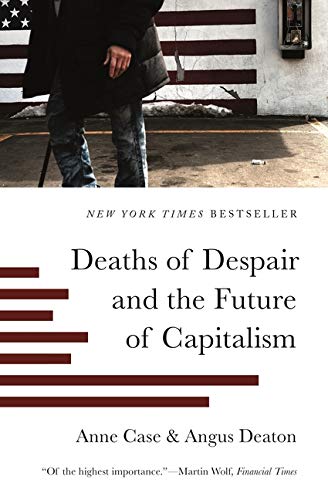
Two economists study rising deaths among less-educated white Americans. Data-driven and humane.
Best for: public health and economics.
9. Evicted by Matthew Desmond
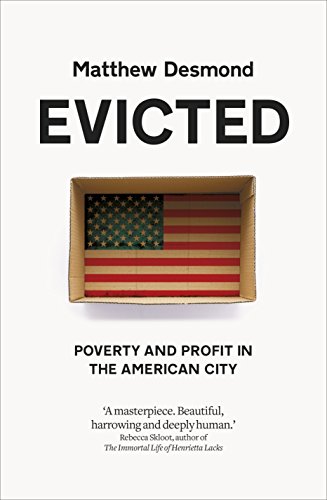
Follows families facing eviction in Milwaukee. Sociology that reads like a novel.
Best for: poverty and housing.
10. Dopesick by Beth Macy

A reporter follows opioid addiction through Appalachia. Human and angry.
Best for: opioid crisis.
11. Nickel and Dimed by Barbara Ehrenreich
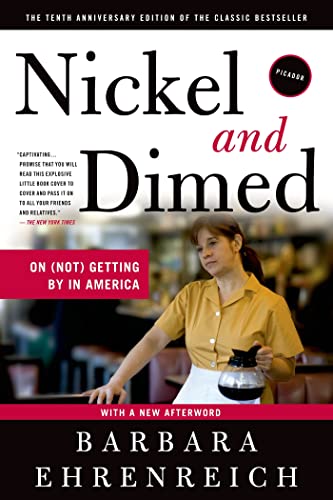
A writer takes low-wage jobs to see how people live. Sharp and still relevant.
Best for: low-wage work.
12. Stamped from the Beginning by Ibram X. Kendi
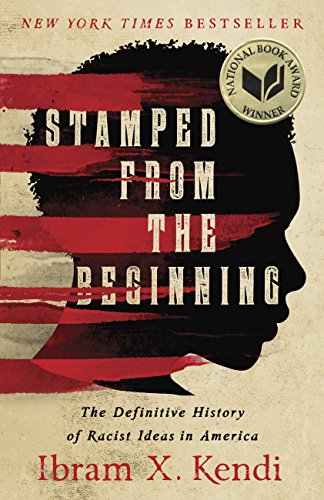
A history of racist ideas in America. Long and influential.
Best for: history of ideas.
13. How to Be an Antiracist by Ibram X. Kendi
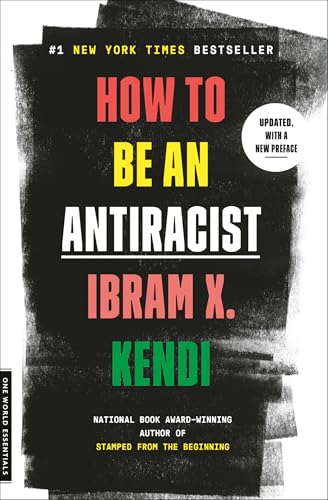
Mixes memoir and argument about racism and policy. Personal and direct.
Best for: practical ideas.
14. Hillbilly Elegy by J.D. Vance
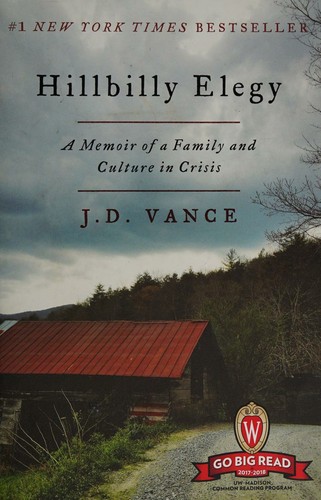
A memoir of growing up in Appalachia and Ohio. Debated, but widely read.
Best for: class and family.
15. Between the World and Me by Ta-Nehisi Coates
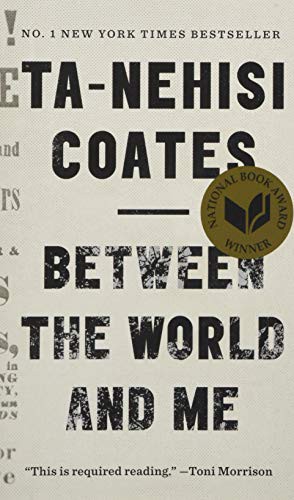
A letter to the author's son about being Black in America. Lyrical and urgent.
Best for: personal essay.
How to Choose
For policy and history, read The Color of Law and White Rage. For listening to voters, Strangers in Their Own Land. For health, Medical Apartheid and Deaths of Despair. For personal stories, Hillbilly Elegy and Between the World and Me. These books are political and disputed, so read with an open mind. This kind of reading benefits from discussion. Consider reading with a friend who disagrees, or follow up with a podcast or a lecture. Many libraries and universities host talks on public health, race and policy that can add context.
Related: 15 Best Books on Death and Dying · 12 Dystopian Books Like the Hunger Games | Best Books to Read Like Hunger Games
Frequently Asked Questions
What is Dying of Whiteness about?
Metzl uses stories from Tennessee, Missouri and Kansas to argue that policies tied to racial resentment harm health, including gun laws and refusal of Medicaid expansion.
Who is Jonathan Metzl?
A psychiatrist and sociologist at Vanderbilt University.
Is the book controversial?
Yes. Critics say it generalizes, while supporters say it offers hard-to-ignore evidence.
Is it based on data?
It combines interviews and public health data.
What is a good companion?
Strangers in Their Own Land offers a more listening-focused approach.
What is the main argument?
Metzl argues that some policies supported by white voters hurt their own health, and that racial resentment can drive those choices.
Is it a quick read?
It is about 300 pages with clear writing.
Does it use statistics?
Yes, along with stories from interviews.
Where can I find a counterargument?
Books such as Hillbilly Elegy and critics of Metzl's work give other views.
Is Dying of Whiteness required reading in schools?
It is common in college courses on health policy and sociology.
Does Metzl discuss gun laws?
Yes, with a focus on Tennessee's 'guns in bars' law and its effects.