

Disclosure: As an Amazon Associate, Bookish Wisdom earns from qualifying purchases. This doesn't change our picks or your price.
Quick answer: If you liked Milan Kundera's Identity, read The Unbearable Lightness of Being, Immortality, The Book of Laughter and Forgetting and Slowness. All explore love, identity and what we know of each other, in a witty, philosophical style.
Kundera's 1998 novel follows Chantal and Jean-Marc, a couple in France whose relationship is shaken by anonymous letters and the question of whether they really know each other. The books below share its blend of story and thought. Most are literary fiction, and all are real, in-print books.
Table of Contents
Quick Picks at a Glance
| Book | Author | Ages | Best For |
|---|---|---|---|
| The Unbearable Lightness of Being | Milan Kundera | Adult | the essential Kundera |
| Immortality | Milan Kundera | Adult | ideas and stories |
| The Book of Laughter and Forgetting | Milan Kundera | Adult | fragments |
| Slowness | Milan Kundera | Adult | short and playful |
| Ignorance | Milan Kundera | Adult | exile and return |
| The Joke | Milan Kundera | Adult | political satire |
| The Stranger | Albert Camus | Adult | existential classics |
| Nausea | Jean-Paul Sartre | Adult | existential fiction |
| The Trial | Franz Kafka | Adult | absurd classics |
| The Remains of the Day | Kazuo Ishiguro | Adult | memory and regret |
| Austerlitz | W.G. Sebald | Adult | memory and exile |
| Pnin | Vladimir Nabokov | Adult | comic exiles |
| The Sense of an Ending | Julian Barnes | Adult | memory and truth |
| Invisible Cities | Italo Calvino | Adult | lyrical experiments |
| The Name of the Rose | Umberto Eco | Adult | ideas and mystery |
1. The Unbearable Lightness of Being by Milan Kundera
Four people in Prague in 1968 face love, politics and the question of whether life has weight. Kundera's best-known novel.
Best for: the essential Kundera.
2. Immortality by Milan Kundera
A set of linked stories about gestures, fame and the afterlife. Playful and inventive.
Best for: ideas and stories.
3. The Book of Laughter and Forgetting by Milan Kundera
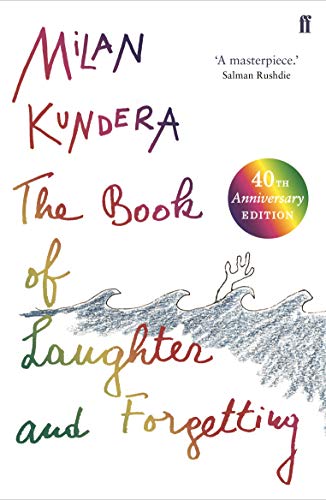
Seven linked stories about memory, politics and laughter. Fragmentary and sharp.
Best for: fragments.
4. Slowness by Milan Kundera
A short novel contrasting an eighteenth-century tale with modern speed. Light and ironic.
Best for: short and playful.
5. Ignorance by Milan Kundera
Two Czech emigrants return home after the fall of communism. Quiet and moving.
Best for: exile and return.
6. The Joke by Milan Kundera
A young man's joke sends him to a labor camp, and years later he seeks revenge. Kundera's first novel.
Best for: political satire.
7. The Stranger by Albert Camus
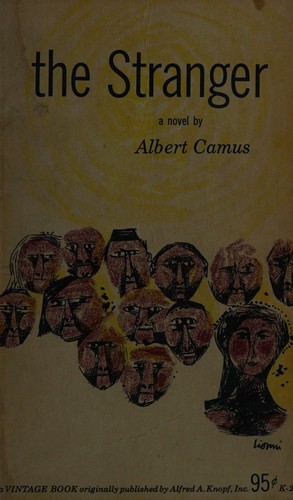
A French Algerian man kills a stranger and faces trial. Short and cool.
Best for: existential classics.
8. Nausea by Jean-Paul Sartre
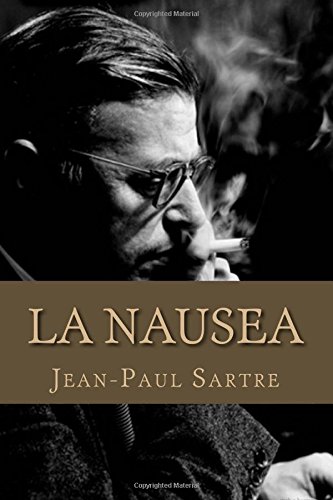
A man in a French port town feels the strangeness of existence. Philosophical and gloomy.
Best for: existential fiction.
9. The Trial by Franz Kafka
A man is arrested for no stated reason. A source of the Kafkaesque, bleak and darkly funny.
Best for: absurd classics.
10. The Remains of the Day by Kazuo Ishiguro
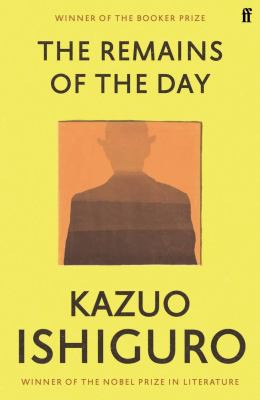
An English butler reflects on his years of service and a missed chance at love. Quiet and sad.
Best for: memory and regret.
11. Austerlitz by W.G. Sebald
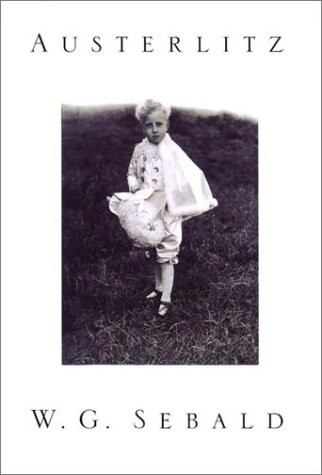
A man searches for his lost family history. Dense, melancholic and haunting.
Best for: memory and exile.
12. Pnin by Vladimir Nabokov
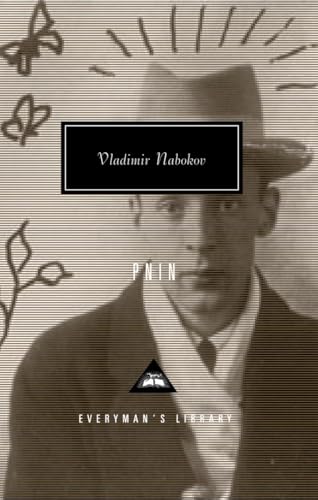
A kindly, awkward Russian professor in America. Funny and tender.
Best for: comic exiles.
13. The Sense of an Ending by Julian Barnes
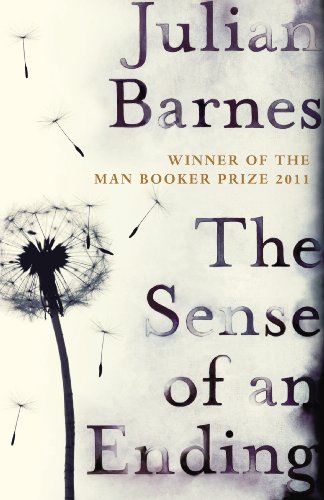
A man revisits his past after a surprising bequest. Short and sharp on memory.
Best for: memory and truth.
14. Invisible Cities by Italo Calvino
Marco Polo describes imaginary cities to Kublai Khan. Poetic and dreamlike.
Best for: lyrical experiments.
15. The Name of the Rose by Umberto Eco
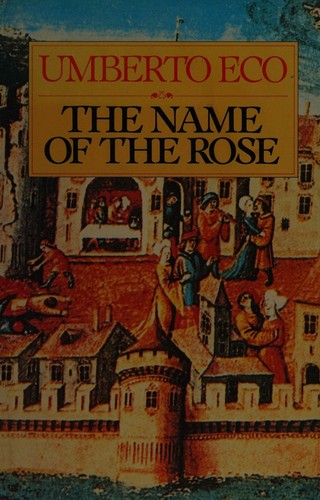
A monk investigates deaths at a medieval abbey. Dense, intellectual and a classic.
Best for: ideas and mystery.
How to Choose
For Kundera's best work, begin with The Unbearable Lightness of Being. For shorter, begin with Slowness or Identity. For existential classics, The Stranger and Nausea. For quiet reflection, The Remains of the Day. Kundera mixes story and essay, so read slowly and enjoy the ideas. Kundera is best read in small sections, since his chapters mix story with essay. Keep a pencil nearby to mark lines you want to remember. If you are new to translation, look for editions with a note on the translator, as Kundera revised some of them himself. Pair Kundera with a trip to a bookstore or library that has a European literature shelf for more finds.
Related: 15 Books Like Wings of Fire Kids Will Love: Dragons, Quests and Animal Adventures · 12 Dystopian Books Like the Hunger Games | Best Books to Read Like Hunger Games
Frequently Asked Questions
What is Identity about?
Chantal receives anonymous letters, and her partner Jean-Marc must decide how well he knows her, in a story about love and appearances.
Where was Kundera from?
He was born in Czechoslovakia and moved to France in 1975.
Which language did he write in?
He wrote in Czech until the 1990s, then in French, which is the language of Identity.
Is Identity a short novel?
Yes, about 170 pages.
Which Kundera book should I start with?
The Unbearable Lightness of Being is the usual first choice.
What does the title mean?
The word identity points to the question of who we are and how others know us.
Is Identity a love story?
Yes. It is about a couple whose trust is tested.
Is it a good first Kundera?
The Unbearable Lightness of Being is usually the first choice, but Identity is short and approachable.
Does Kundera appear in his novels?
He sometimes speaks directly to the reader as an essayist.
Why does Identity use anonymous letters?
They raise questions of privacy and the difference between how we see ourselves and how others see us.
What should I read next by Kundera?
The Book of Laughter and Forgetting and Immortality are both rewarding.
Is Identity translated well?
Linda Asher translated it from French, and readers praise her clear, elegant version.