
Disclosure: As an Amazon Associate, Bookish Wisdom earns from qualifying purchases. This doesn't change our picks or your price.
Quick answer: If you loved Ella Minnow Pea, read The Phantom Tollbooth, Frindle, A Void and The Dictionary of Lost Words. All celebrate the power and play of language, from clever wordplay to books about the people who make dictionaries.
Mark Dunn's 2001 novel is a letter-based story about an island nation that worships the pangram “The quick brown fox jumps over the lazy dog” and begins banning letters as tiles fall from a monument. As the alphabet shrinks, so does the language of the book. The books below celebrate words, wit and the fun of language.
Table of Contents
Quick Picks at a Glance
| Book | Author | Ages | Best For |
|---|---|---|---|
| The Phantom Tollbooth | Norton Juster | Ages 8-12 | wordplay adventure |
| Frindle | Andrew Clements | Ages 8-12 | clever mischief |
| A Void | Georges Perec | Adult | a novel without the letter e |
| Gadsby | Ernest Vincent Wright | Adult | another lipogram |
| Flatland | Edwin A. Abbott | Adult | satire and geometry |
| The Eyre Affair | Jasper Fforde | Adult | literary comedy |
| The Princess Bride | William Goldman | Adult | fairy-tale parody |
| The Professor and the Madman | Simon Winchester | Adult | making the OED |
| The Dictionary of Lost Words | Pip Williams | Adult | women and words |
| Eats, Shoots & Leaves | Lynne Truss | Adult | punctuation humour |
| 84, Charing Cross Road | Helene Hanff | Adult | letters between booklovers |
| The Guernsey Literary and Potato Peel Pie Society | Mary Ann Shaffer and Annie Barrows | Adult | letters and books |
| Where'd You Go, Bernadette | Maria Semple | Adult | told in documents |
| Dear Mr. Henshaw | Beverly Cleary | Ages 8-12 | letters to an author |
| Animal Farm | George Orwell | Adult | political fable |
1. The Phantom Tollbooth by Norton Juster
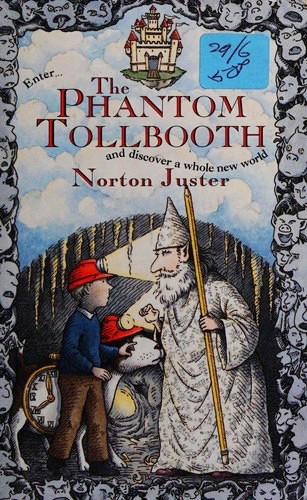
A bored boy drives a toy car into a land of puns. Clever and funny.
Best for: wordplay adventure.
2. Frindle by Andrew Clements
A boy invents a new word and starts a movement. Smart and funny.
Best for: clever mischief.
3. A Void by Georges Perec
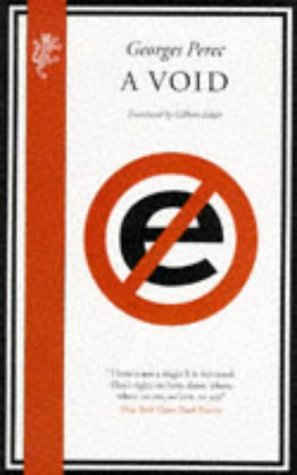
A mystery written without the most common letter in French. A playful feat of translation.
Best for: a novel without the letter e.
4. Gadsby by Ernest Vincent Wright
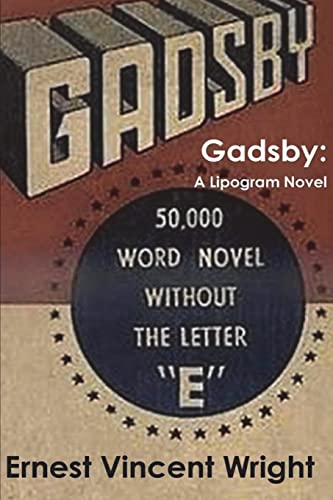
A novel written without the letter e. Odd and impressive.
Best for: another lipogram.
5. Flatland by Edwin A. Abbott
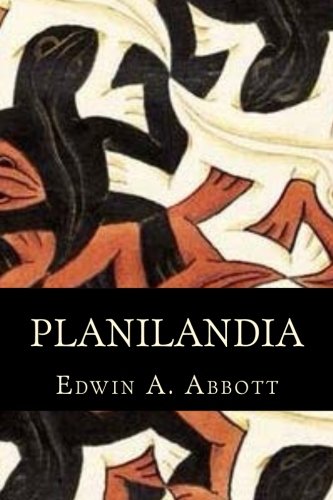
A square discovers other dimensions. Short and clever.
Best for: satire and geometry.
6. The Eyre Affair by Jasper Fforde
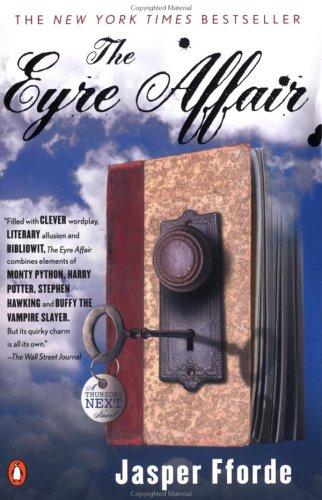
A literary detective chases a villain who kidnaps characters from books. Clever and bookish.
Best for: literary comedy.
7. The Princess Bride by William Goldman
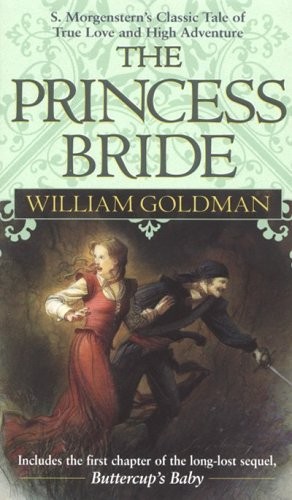
A farm boy and his true love face pirates and giants. Witty and loved.
Best for: fairy-tale parody.
8. The Professor and the Madman by Simon Winchester
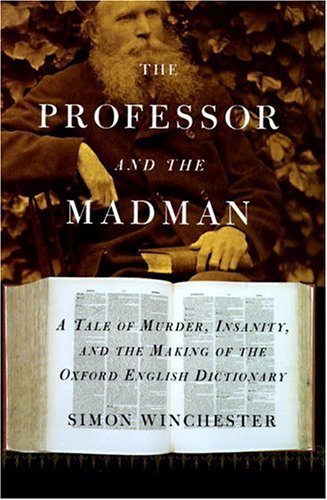
The story of the Oxford English Dictionary and an unlikely contributor. Fascinating and humane.
Best for: making the OED.
9. The Dictionary of Lost Words by Pip Williams
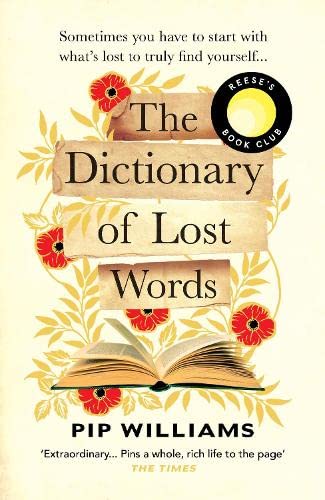
A girl collects words that dictionary editors ignore. Warm and historical.
Best for: women and words.
10. Eats, Shoots & Leaves by Lynne Truss
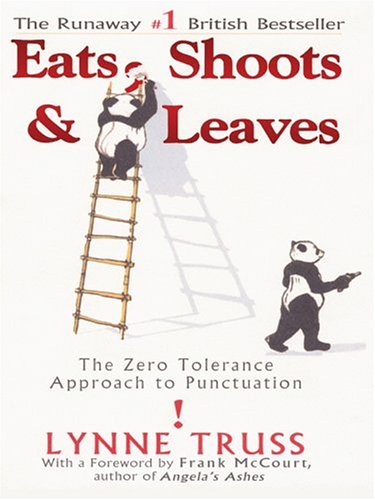
Truss offers a witty guide to punctuation. Light and opinionated.
Best for: punctuation humour.
11. 84, Charing Cross Road by Helene Hanff
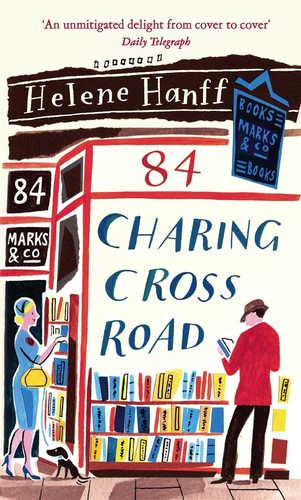
Letters between a New York writer and a London bookseller. Short and heart-warming.
Best for: letters between booklovers.
12. The Guernsey Literary and Potato Peel Pie Society by Mary Ann Shaffer and Annie Barrows
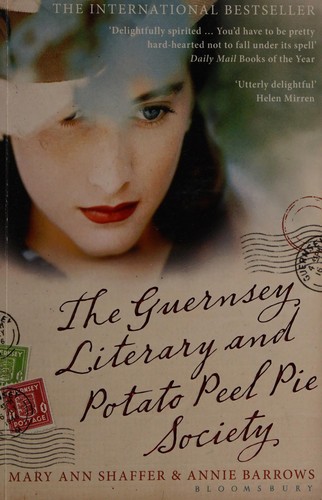
A writer exchanges letters with islanders after the war. Charming and moving.
Best for: letters and books.
13. Where'd You Go, Bernadette by Maria Semple
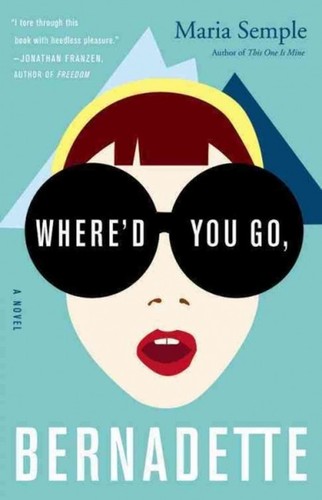
A teenager searches for her mother through emails and notes. Funny and unusual.
Best for: told in documents.
14. Dear Mr. Henshaw by Beverly Cleary
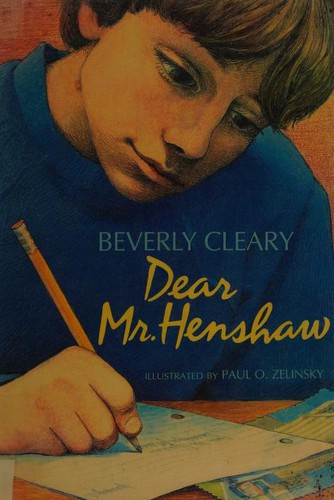
A boy writes to his favourite author. A gentle Newbery winner.
Best for: letters to an author.
15. Animal Farm by George Orwell
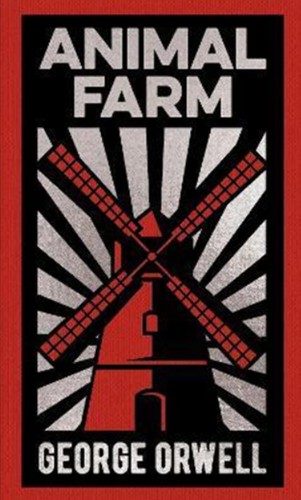
Farm animals rebel and face a new tyranny. Short and sharp, with language as a weapon.
Best for: political fable.
How to Choose
For more wordplay choose The Phantom Tollbooth, Frindle or A Void. For books about language itself pick The Professor and the Madman, The Dictionary of Lost Words or Eats, Shoots & Leaves. For letter-based stories read 84, Charing Cross Road or The Guernsey Literary and Potato Peel Pie Society. For satire try Animal Farm or Flatland. Ella Minnow Pea is playful, so these picks suit readers who enjoy language. Mark Dunn wrote the novel as a lipogram, with the story gradually dropping letters from its own text, so the book itself changes as you read. It is best read in a few sittings so the effect builds. Ella Minnow Pea is easy to read quickly but fun to read slowly, noticing how the letters change. Pair it with wordplay classics like The Phantom Tollbooth for a language-themed reading list. If you enjoy epistolary stories, 84, Charing Cross Road and The Guernsey Literary and Potato Peel Pie Society are warm companions. Classrooms often use it to teach about censorship.
Related: 15 Books Like Wings of Fire Kids Will Love: Dragons, Quests and Animal Adventures · 12 Dystopian Books Like the Hunger Games | Best Books to Read Like Hunger Games
Frequently Asked Questions
What is Ella Minnow Pea about?
An island nation bans letters one by one as tiles fall from a sentence on a monument.
Who wrote it?
Mark Dunn.
When was it published?
2001.
Is it a funny book?
Yes, with a serious point about censorship and language.
Is it a hard read?
The letters vanish, so the style becomes more difficult, but it is rewarding.
What sentence is on the monument?
The pangram: The quick brown fox jumps over the lazy dog.
Is it for adults or teens?
Both, since the language is sophisticated but the story is accessible.
What should I read next?
Try The Phantom Tollbooth or The Eyre Affair.
Is Ella Minnow Pea suitable for teens?
Yes, it is widely read in high school.
Is the story serious?
It has humour, but it explores censorship and conformity seriously.