
Disclosure: As an Amazon Associate, Bookish Wisdom earns from qualifying purchases. This doesn't change our picks or your price.
Quick answer: If you read Between Shades of Gray, read Ruta Sepetys's Salt to the Sea and Out of the Easy, then Number the Stars, The Book Thief, Code Name Verity and Refugee. All are moving young adult novels about ordinary people caught in terrible chapters of twentieth-century history.
Ruta Sepetys's 2011 novel follows fifteen-year-old Lina, an aspiring artist, whose family is deported from Lithuania to Siberia by Soviet forces in 1941. She records the journey through drawings. The books below offer similar stories of survival, memory and moral courage, many with teen voices.
Table of Contents
Quick Picks at a Glance
| Book | Author | Ages | Best For |
|---|---|---|---|
| Salt to the Sea | Ruta Sepetys | Ages 12+ | wartime refugees |
| Out of the Easy | Ruta Sepetys | Ages 13+ | New Orleans in 1950 |
| The Fountains of Silence | Ruta Sepetys | Ages 13+ | Franco's Spain |
| Number the Stars | Lois Lowry | Ages 9-13 | courage in war |
| The Book Thief | Markus Zusak | Ages 13+ | narrated by Death |
| Prisoner B-3087 | Alan Gratz | Ages 10-14 | Holocaust survival |
| Code Name Verity | Elizabeth Wein | Ages 13+ | friendship in war |
| Refugee | Alan Gratz | Ages 10-14 | three journeys |
| Milkweed | Jerry Spinelli | Ages 11+ | child in the ghetto |
| When Hitler Stole Pink Rabbit | Judith Kerr | Ages 8-12 | refugee childhood |
| Inside Out & Back Again | Thanhha Lai | Ages 9-13 | refugee verse |
| The Diary of a Young Girl | Anne Frank | Ages 11+ | classic diary |
| Maus | Art Spiegelman | Ages 13+ | graphic memoir |
| I Am Malala | Malala Yousafzai | Ages 12+ | memoir of courage |
| Wolf by Wolf | Ryan Graudin | Ages 13+ | alternate history |
1. Salt to the Sea by Ruta Sepetys
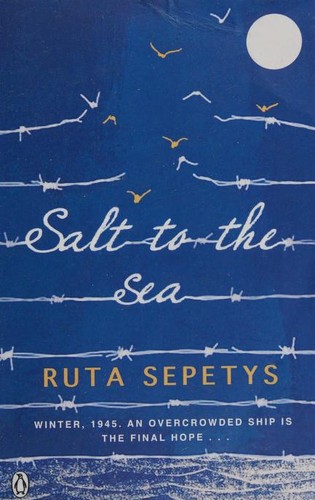
Four young refugees face the sinking of the Wilhelm Gustloff. Gripping and sad.
Best for: wartime refugees.
2. Out of the Easy by Ruta Sepetys
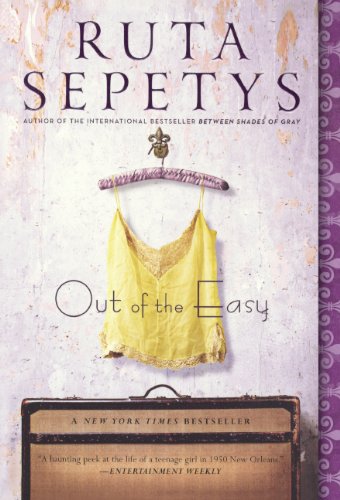
A girl dreams of leaving the French Quarter. Atmospheric and warm.
Best for: New Orleans in 1950.
3. The Fountains of Silence by Ruta Sepetys
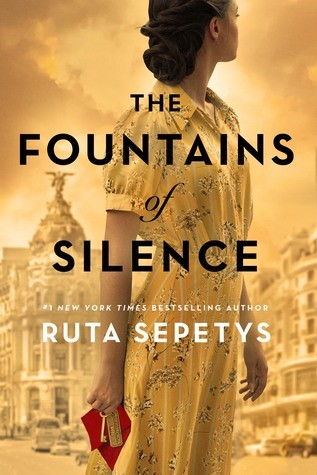
A photographer in 1957 Madrid uncovers a secret. Rich and moving.
Best for: Franco's Spain.
4. Number the Stars by Lois Lowry
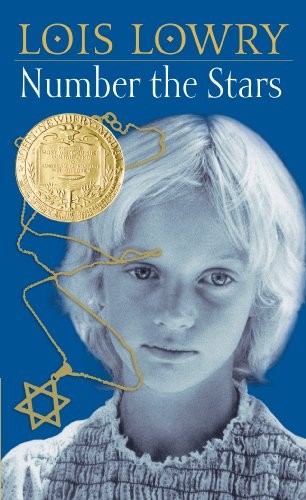
A girl in Denmark helps her Jewish friend escape the Nazis. Short and powerful.
Best for: courage in war.
5. The Book Thief by Markus Zusak
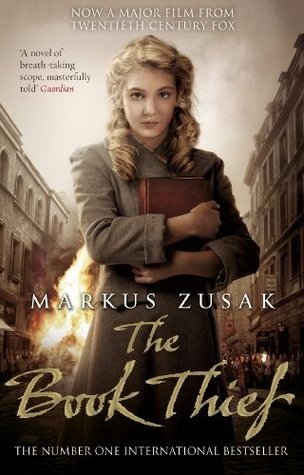
A girl in Nazi Germany steals books and shares them. Moving and widely loved.
Best for: narrated by Death.
6. Prisoner B-3087 by Alan Gratz

A boy survives ten concentration camps. Fast and moving.
Best for: Holocaust survival.
7. Code Name Verity by Elizabeth Wein
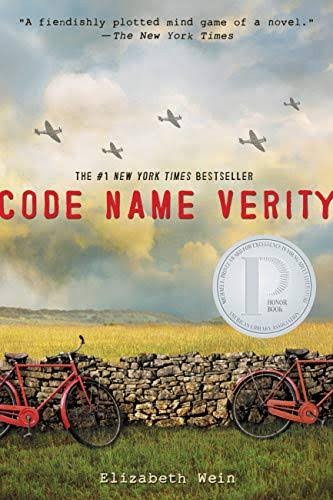
Two young women, a pilot and a spy, are caught in the Second World War. Clever and devastating.
Best for: friendship in war.
8. Refugee by Alan Gratz
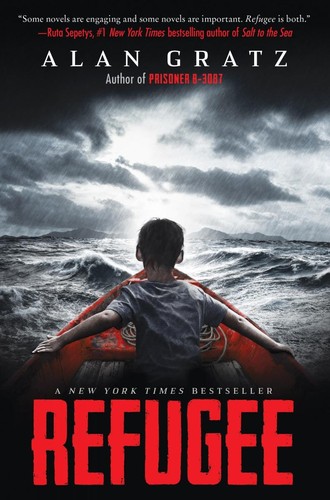
Three children flee from three different eras of persecution. Fast and moving.
Best for: three journeys.
9. Milkweed by Jerry Spinelli
An orphan boy lives on the streets of Warsaw. Haunting and short.
Best for: child in the ghetto.
10. When Hitler Stole Pink Rabbit by Judith Kerr
A Jewish family flees Germany. Warm and gentle, based on the author's life.
Best for: refugee childhood.
11. Inside Out & Back Again by Thanhha Lai
A girl flees Vietnam and starts over in Alabama. Simple and moving.
Best for: refugee verse.
12. The Diary of a Young Girl by Anne Frank
Anne Frank writes during two years in hiding. The most famous Holocaust document for young readers.
Best for: classic diary.
13. Maus by Art Spiegelman
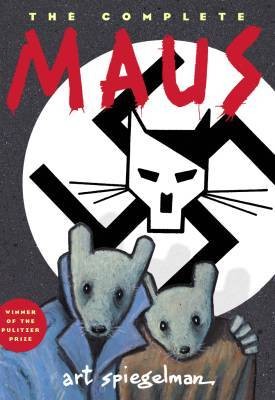
Spiegelman tells his father's survival story with animals as characters. A landmark of comics.
Best for: graphic memoir.
14. I Am Malala by Malala Yousafzai
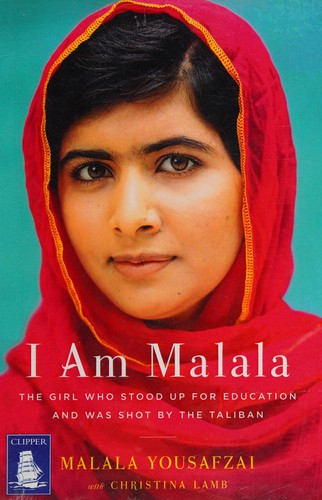
A girl stands up for education in Pakistan and survives an attack. Inspiring and clear.
Best for: memoir of courage.
15. Wolf by Wolf by Ryan Graudin
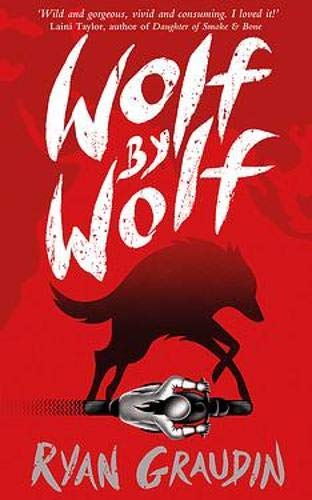
A girl in a world where the Axis won enters a motorcycle race to assassinate Hitler. Fast and imaginative.
Best for: alternate history.
How to Choose
For more Sepetys begin with Salt to the Sea. For younger readers choose Number the Stars or When Hitler Stole Pink Rabbit. For teen survival pick The Book Thief or Code Name Verity. For memoir read The Diary of a Young Girl, Maus or I Am Malala. For alternate history try Wolf by Wolf. These books deal with violence, deportation and death, so read with care and discuss together if possible. Between Shades of Gray was released in some countries as Between Shades of Grey, and it has been translated into dozens of languages. It is widely used in classrooms to teach about the Baltic states. Teachers often pair Between Shades of Gray with other novels about deportation and occupation, and with oral histories from survivors. Younger readers might prefer to begin with Number the Stars. Older readers can continue to The Book Thief and Code Name Verity. Audiobooks bring out the voices well.
Related: What Is the Difference Between YA and New Adult? · Shelley Shepard Gray Printable Book List
Frequently Asked Questions
What is Between Shades of Gray about?
A Lithuanian girl and her family are deported to Siberia by Soviet forces.
Who wrote it?
Ruta Sepetys.
When was it published?
2011.
Is it based on history?
Yes, on the Soviet deportations from the Baltic states, with fictional characters.
What age is it for?
Teens, roughly 13 and up.
Is there a film?
Yes, a 2018 film titled Ashes in the Snow.
Is it graphic?
It describes hardship and death, but with care.
What should I read next?
Try Salt to the Sea.
Why is it called Between Shades of Gray?
The title reflects the moral complexity of living under occupation, where there are few clear heroes or villains.
Is it historically accurate?
Sepetys researched the deportations carefully and drew on survivor accounts.