
Disclosure: As an Amazon Associate, Bookish Wisdom earns from qualifying purchases. This doesn't change our picks or your price.
Quick answer: If you read Four Thousand Weeks, read Oliver Burkeman's Meditations for Mortals, then Essentialism, Digital Minimalism, How to Do Nothing and On the Shortness of Life. All look at time, attention and what it means to live a finite life well.
Oliver Burkeman's 2021 book argues that the average human lifespan is about four thousand weeks and that time-management tricks can never let us do everything, so we should embrace our limits. It is wise, funny and calming. The books below offer similar ideas about attention, rest and living well in limited time.
Table of Contents
Quick Picks at a Glance
| Book | Author | Ages | Best For |
|---|---|---|---|
| Meditations for Mortals | Oliver Burkeman | Adult | the follow-up |
| Essentialism | Greg McKeown | Adult | doing less, better |
| Digital Minimalism | Cal Newport | Adult | less screen time |
| Deep Work | Cal Newport | Adult | focus |
| How to Do Nothing | Jenny Odell | Adult | resisting the attention economy |
| Stolen Focus | Johann Hari | Adult | attention and technology |
| On the Shortness of Life | Seneca | Adult | ancient wisdom |
| Letters from a Stoic | Seneca | Adult | practical philosophy |
| Meditations | Marcus Aurelius | Adult | Stoic reflection |
| In Praise of Slow | Carl Honore | Adult | the slow movement |
| Make Time | Jake Knapp and John Zeratsky | Adult | daily focus |
| Rest | Alex Soojung-Kim Pang | Adult | work less, achieve more |
| Flow | Mihaly Csikszentmihalyi | Adult | optimal experience |
| The Courage to Be Disliked | Ichiro Kishimi and Fumitake Koga | Adult | freedom from comparison |
| The Happiness Hypothesis | Jonathan Haidt | Adult | ancient wisdom and science |
1. Meditations for Mortals by Oliver Burkeman
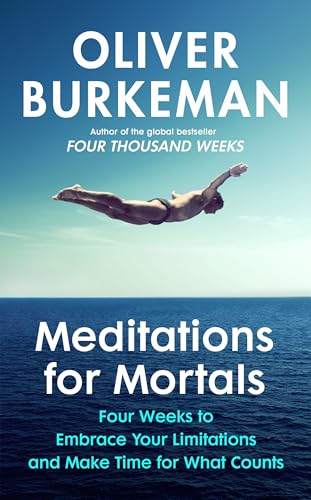
Burkeman offers a month of daily reflections on living with limits. Short, gentle and practical.
Best for: the follow-up.
2. Essentialism by Greg McKeown
McKeown makes the case for pursuing only what matters most. Clear and calming.
Best for: doing less, better.
3. Digital Minimalism by Cal Newport
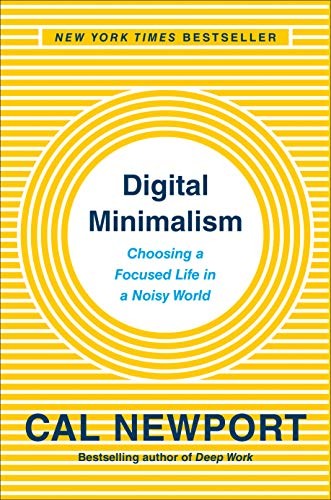
Newport offers a philosophy for living well with technology. Practical and thoughtful.
Best for: less screen time.
4. Deep Work by Cal Newport
Newport argues that deep focus is rare and valuable. Practical and convincing.
Best for: focus.
5. How to Do Nothing by Jenny Odell
Odell argues for paying attention to place and community. Thoughtful and lyrical.
Best for: resisting the attention economy.
6. Stolen Focus by Johann Hari
Hari investigates why we cannot concentrate. Provocative and wide-ranging.
Best for: attention and technology.
7. On the Shortness of Life by Seneca
Seneca argues that life is long enough if we use it well. Short and timeless.
Best for: ancient wisdom.
8. Letters from a Stoic by Seneca
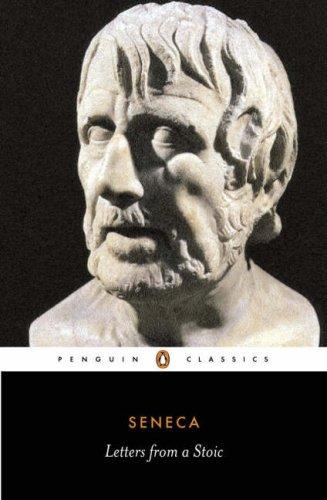
Letters on friendship, death and living well. Wise and warm.
Best for: practical philosophy.
9. Meditations by Marcus Aurelius
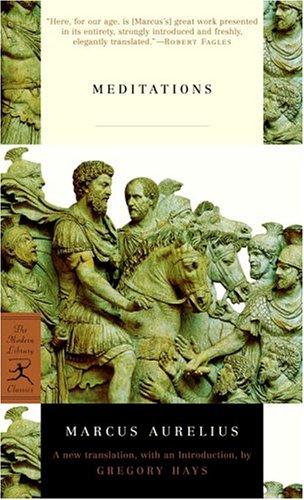
The Roman emperor's private notes on how to live. A calm, practical classic.
Best for: Stoic reflection.
10. In Praise of Slow by Carl Honore
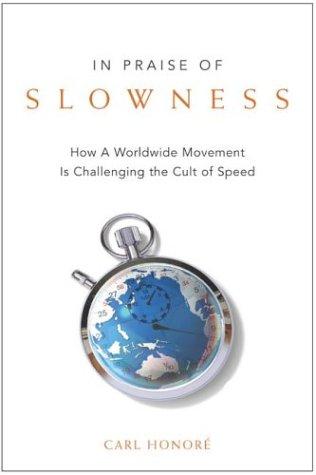
Honore explores the global movement against speed. Light and persuasive.
Best for: the slow movement.
11. Make Time by Jake Knapp and John Zeratsky
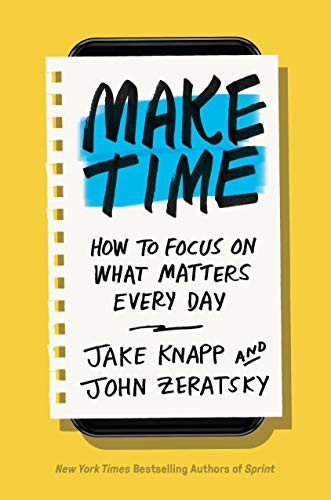
A simple system for choosing a daily highlight. Light and practical.
Best for: daily focus.
12. Rest by Alex Soojung-Kim Pang
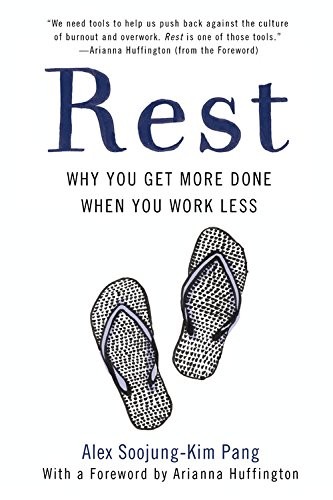
Pang shows how rest helps creativity and productivity. Research-led and encouraging.
Best for: work less, achieve more.
13. Flow by Mihaly Csikszentmihalyi
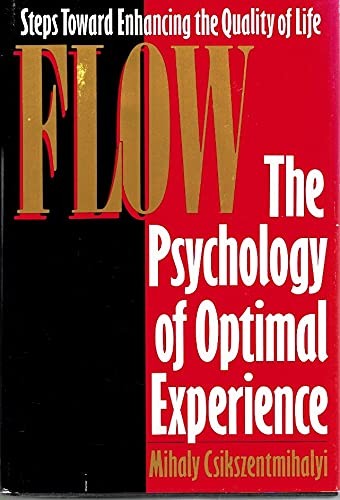
The psychologist explains how deep engagement makes life better. A classic of positive psychology.
Best for: optimal experience.
14. The Courage to Be Disliked by Ichiro Kishimi and Fumitake Koga
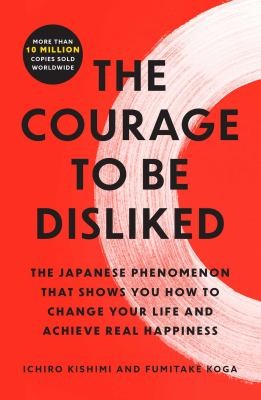
A dialogue about Adlerian psychology and living freely. Thoughtful and popular.
Best for: freedom from comparison.
15. The Happiness Hypothesis by Jonathan Haidt
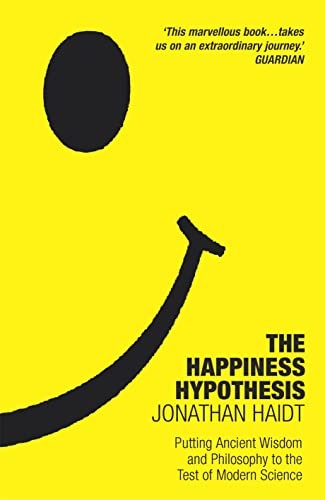
Haidt compares old ideas about happiness with modern research. Clear and engaging.
Best for: ancient wisdom and science.
How to Choose
For more Burkeman read Meditations for Mortals. For practical focus choose Essentialism, Deep Work or Make Time. For technology and attention pick Digital Minimalism or Stolen Focus. For philosophy try Seneca, Marcus Aurelius or The Courage to Be Disliked. For rest and flow read Rest or Flow. Four Thousand Weeks is short on productivity hacks, so these picks suit readers who want a wiser attitude to time. Burkeman writes a popular newsletter called The Imperfectionist, which offers a weekly dose of this same perspective and may suit readers who enjoy the book. Four Thousand Weeks is best read slowly, a chapter at a time, with time to think. Pairing it with one practical book, such as Essentialism or Deep Work, gives you both philosophy and technique. Audiobooks are a popular choice for this kind of reflective non-fiction, and Burkeman's own newsletter extends the ideas week by week. Burkeman suggests treating each week as a small gift, which readers often find a calming idea.
Related: Four Thousand Weeks by Oliver Burkeman: Summary and Key Takeaways · 12 Dystopian Books Like the Hunger Games | Best Books to Read Like Hunger Games
Frequently Asked Questions
What is Four Thousand Weeks about?
Why time management cannot fix our lives and how to embrace the limits of our time.
Who wrote it?
Oliver Burkeman.
When was it published?
2021.
Is it a productivity book?
It is an anti-productivity book, aimed at changing how we think about time.
Is it religious?
No, though it draws on philosophers from many traditions.
Is it a long read?
About 250 pages.
Is it funny?
Yes, with a wry, humane voice.
What should I read next?
Try Meditations for Mortals or Essentialism.
Does the book offer any practical tips?
Yes, in an appendix of ten tools for embracing finitude, though it favours attitude over hacks.
Is it depressing to think about four thousand weeks?
Many readers find it freeing, since it removes the pressure to do everything.
Does Four Thousand Weeks offer a daily routine?
No. It encourages accepting limits rather than building a perfect schedule.