
Disclosure: As an Amazon Associate, Bookish Wisdom earns from qualifying purchases. This doesn't change our picks or your price.
Quick answer: If you finished Entangled Life, read Braiding Sweetgrass, The Hidden Life of Trees, Finding the Mother Tree and The Overstory. All explore how living things connect and why the natural world is more complex than we assumed.
Merlin Sheldrake's 2020 book takes readers into the world of fungi, from mushrooms to hidden networks under the soil. The books below share that sense of wonder, with plants, trees, animals and microbes. Most are popular science or nature writing, and all are real, in-print books.
Table of Contents
Quick Picks at a Glance
| Book | Author | Ages | Best For |
|---|---|---|---|
| Braiding Sweetgrass | Robin Wall Kimmerer | Adult | science and story |
| The Hidden Life of Trees | Peter Wohlleben | Adult | forest curiosity |
| Finding the Mother Tree | Suzanne Simard | Adult | forest science |
| The Overstory | Richard Powers | Adult | trees in fiction |
| Mycelium Running | Paul Stamets | Adult | fungi in practice |
| Lab Girl | Hope Jahren | Adult | science memoirs |
| The Soul of an Octopus | Sy Montgomery | Adult | animal minds |
| An Immense World | Ed Yong | Adult | animal senses |
| I Contain Multitudes | Ed Yong | Adult | microbes |
| The Songs of Trees | David George Haskell | Adult | nature writing |
| Underland | Robert Macfarlane | Adult | underground journeys |
| The Light Eaters | Zoë Schlanger | Adult | plant science |
| What a Plant Knows | Daniel Chamovitz | Adult | plant senses |
| The Botany of Desire | Michael Pollan | Adult | plants and people |
| Why Fish Don't Exist | Lulu Miller | Adult | offbeat science stories |
1. Braiding Sweetgrass by Robin Wall Kimmerer
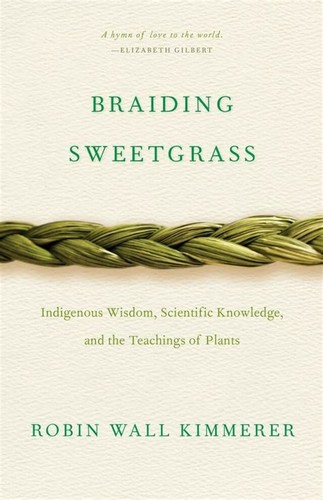
A botanist and Potawatomi writer blends science and indigenous wisdom. Warm and widely loved.
Best for: science and story.
2. The Hidden Life of Trees by Peter Wohlleben
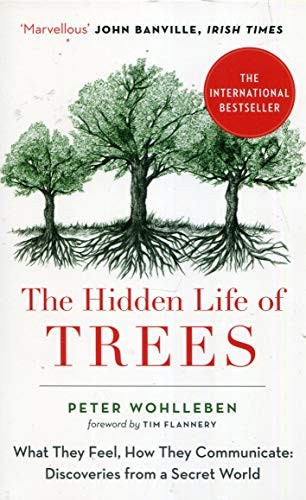
A German forester explains how trees communicate and support each other. Simple and charming.
Best for: forest curiosity.
3. Finding the Mother Tree by Suzanne Simard
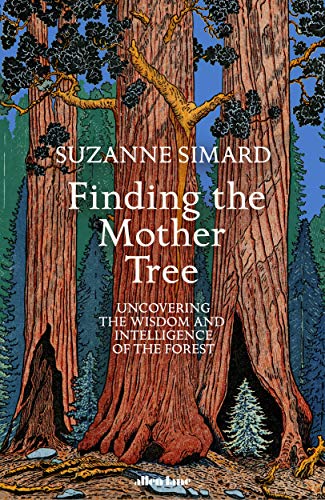
A scientist describes her work on forest networks. Part memoir, part science.
Best for: forest science.
4. The Overstory by Richard Powers
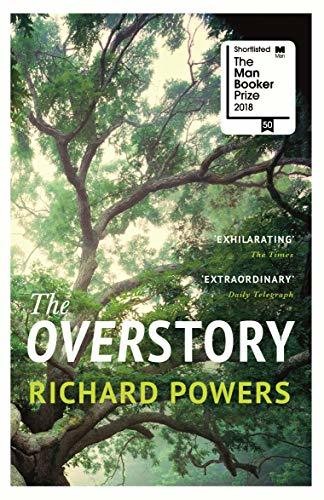
Nine people are drawn together by trees. A big, thoughtful novel.
Best for: trees in fiction.
5. Mycelium Running by Paul Stamets
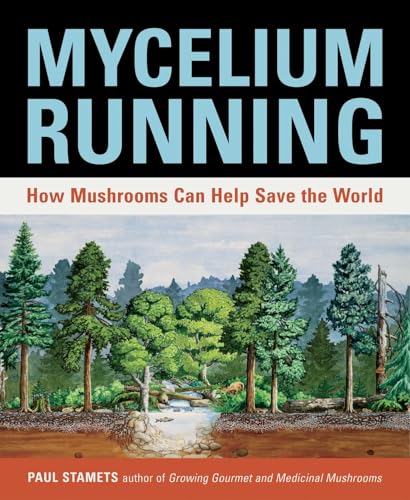
A mycologist describes how fungi can heal ecosystems. Practical and enthusiastic.
Best for: fungi in practice.
6. Lab Girl by Hope Jahren
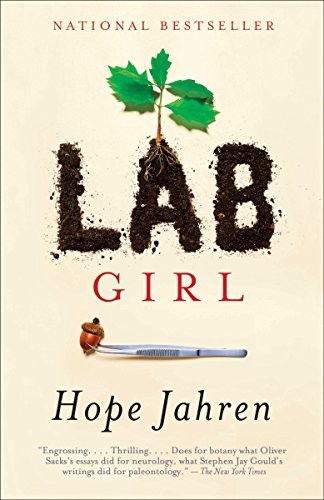
A scientist writes about her life, her love of plants and her friendship with her lab partner. Funny and moving.
Best for: science memoirs.
7. The Soul of an Octopus by Sy Montgomery
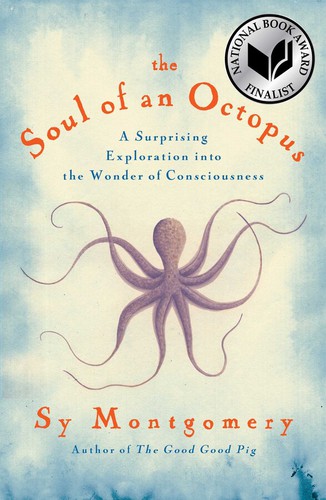
A naturalist befriends octopuses at an aquarium. Warm and curious.
Best for: animal minds.
8. An Immense World by Ed Yong
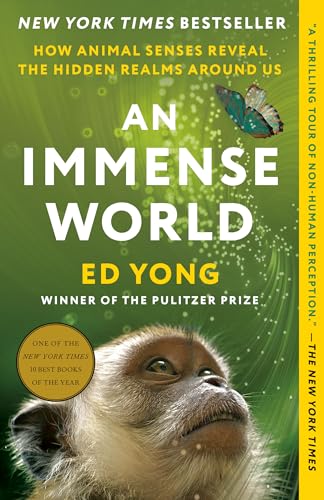
Explores how animals sense their surroundings. Fascinating and clear.
Best for: animal senses.
9. I Contain Multitudes by Ed Yong
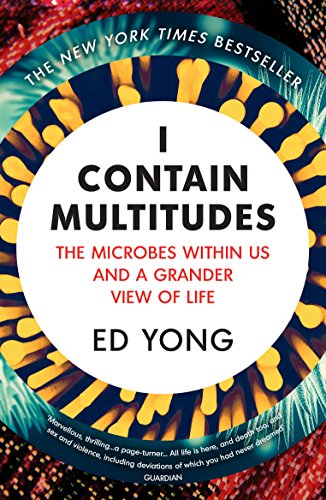
Explains how microbes shape the lives of animals and humans. Funny and eye-opening.
Best for: microbes.
10. The Songs of Trees by David George Haskell
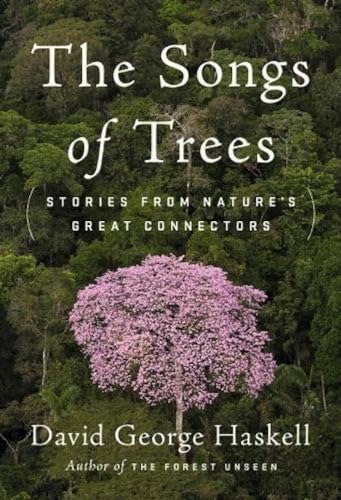
Visits individual trees around the world and describes their ecosystems. Quiet and lyrical.
Best for: nature writing.
11. Underland by Robert Macfarlane
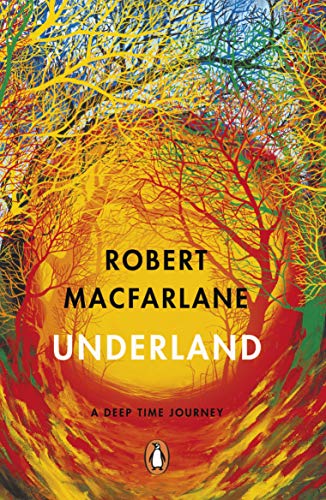
A journey beneath the earth, from caves to catacombs. Lyrical and adventurous.
Best for: underground journeys.
12. The Light Eaters by Zoë Schlanger
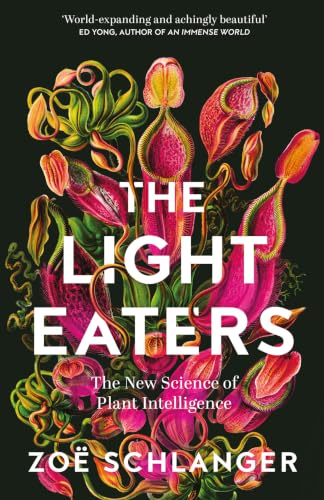
Explores new research on plant behavior and intelligence. Clear and surprising.
Best for: plant science.
13. What a Plant Knows by Daniel Chamovitz
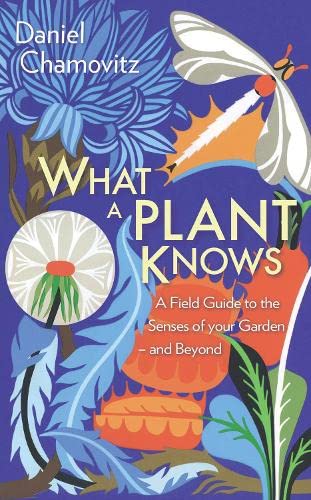
Shows how plants see, smell and feel in their own way. Short and accessible.
Best for: plant senses.
14. The Botany of Desire by Michael Pollan
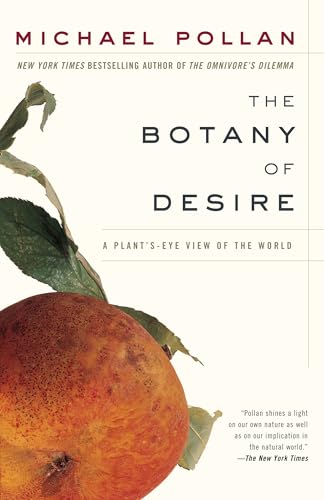
Tells the story of four plants and how they shaped humans. Thoughtful and fun.
Best for: plants and people.
15. Why Fish Don't Exist by Lulu Miller
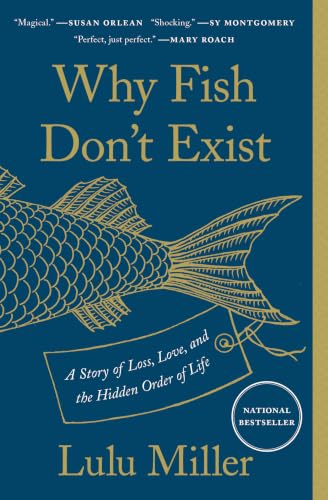
A science writer blends biography and memoir while searching for order in chaos. Odd and unforgettable.
Best for: offbeat science stories.
How to Choose
For forests, read The Hidden Life of Trees and Finding the Mother Tree. For wider nature, Braiding Sweetgrass. For animals, An Immense World and The Soul of an Octopus. For fiction, The Overstory. Go for a walk after reading a chapter and look closely at what is under your feet. Popular science works best when you slow down and explore. After a chapter, look up a photo of the organism, or visit a local park and look for fungi after rain. A magnifying glass and a field guide are all you need. Pair this list with a field trip to a botanical garden or a local mushroom club.
Related: 15 Books Like The Invisible Life of Addie LaRue You’ll Love: Immortality, Bargains and Love Across Time · Your Money or Your Life by Vicki Robin and Joe Dominguez: Summary and Key Takeaways
Frequently Asked Questions
What is Entangled Life about?
It explores the world of fungi and shows how they shape ecosystems, decompose matter and even influence human life.
Who is Merlin Sheldrake?
A British biologist and author with a doctorate in tropical ecology from Cambridge.
Is the book scientific?
Yes, though it is written for general readers with clear language.
Is it about mushrooms only?
It covers mushrooms, yeasts, lichens and the networks that connect plants.
What should I read next?
The Hidden Life of Trees is a natural next step.
Why are fungi important?
They decompose matter, feed plants and shape soil, and humans use them for food, medicine and fermentation.
Is there a TV series about fungi?
Fantastic Fungi is a documentary film that covers similar ground.
Is Entangled Life a good gift?
Yes, for anyone who likes nature, science or curious facts.
Is the writing technical?
No. Sheldrake writes in a lively and accessible style.
Is the book good for kids?
It suits teens and adults. Younger readers may like illustrated books on mushrooms and nature.
Does the author have a podcast or talks?
Sheldrake has given many public talks about fungi, and some are available online.
Can I forage mushrooms after reading it?
No. The book is not a field guide, and wild mushrooms can be dangerous without expert identification.