

Disclosure: As an Amazon Associate, Bookish Wisdom earns from qualifying purchases. This doesn't change our picks or your price.
Quick answer: If you loved Eon, try Eternity, Blood Music, Rendezvous with Rama, Ringworld, Hyperion and Contact. Each one offers big, mind-expanding science fiction with mysterious objects, alternate futures or space exploration.
Greg Bear's 1985 novel begins when a giant asteroid, later called the Stone, appears in Earth's orbit as the Cold War nears a nuclear crisis. Inside, explorers find abandoned cities, libraries describing Earth's future and a seventh chamber that opens into an endless corridor called the Way. Mathematician Patricia Vasquez must unlock its secrets. Readers love its scope and ideas. These books share its big objects and big questions.
Table of Contents
Quick Picks at a Glance
| Book | Author | Style | Best For |
|---|---|---|---|
| Eternity | Greg Bear | Sequel | readers who want the next book |
| Blood Music | Greg Bear | Biotech | readers who want more Bear |
| Rendezvous with Rama | Arthur C. Clarke | Big object | readers who like exploring alien objects |
| Ringworld | Larry Niven | Big object | readers who like megastructures |
| Hyperion | Dan Simmons | Epic | readers who like layered mysteries |
| Contact | Carl Sagan | First contact | readers who like scientists and aliens |
| The Three-Body Problem | Cixin Liu | First contact | readers who want big ideas |
| Revelation Space | Alastair Reynolds | Space opera | readers who like ancient mysteries |
| Diaspora | Greg Egan | Posthuman | readers who like hard sci-fi |
| Childhood's End | Arthur C. Clarke | First contact | readers who like transformative aliens |
| Solaris | Stanisław Lem | First contact | readers who like unknowable aliens |
| Pushing Ice | Alastair Reynolds | Big object | readers who like crews on strange objects |
| Neuromancer | William Gibson | Cyberpunk | readers who like 1980s classics |
| Anathem | Neal Stephenson | Philosophy | readers who like big thinking |
| Children of Time | Adrian Tchaikovsky | Evolution | readers who like big timescales |
1. Eternity by Greg Bear
The story of the Way continues.
Best for: readers who want the next book.
2. Blood Music by Greg Bear
Smart cells transform life on Earth.
Best for: readers who want more Bear.
3. Rendezvous with Rama by Arthur C. Clarke
Astronauts explore a vast alien ship.
Best for: readers who like exploring alien objects.
4. Ringworld by Larry Niven
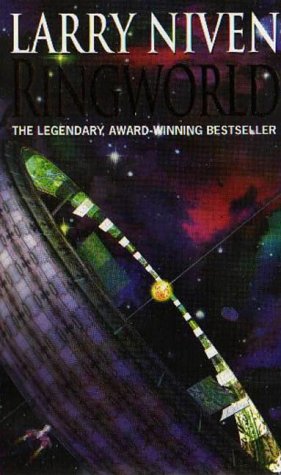
Explorers visit a ring-shaped world.
Best for: readers who like megastructures.
5. Hyperion by Dan Simmons
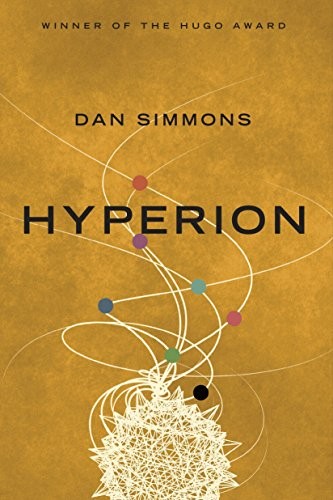
Pilgrims journey to a mysterious place.
Best for: readers who like layered mysteries.
6. Contact by Carl Sagan
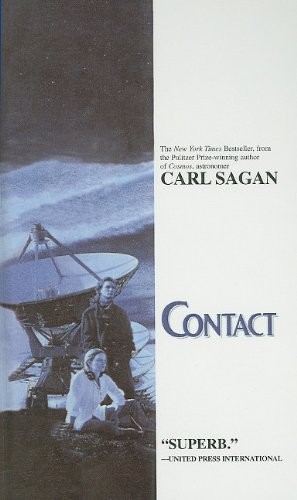
A scientist receives a message from space.
Best for: readers who like scientists and aliens.
7. The Three-Body Problem by Cixin Liu
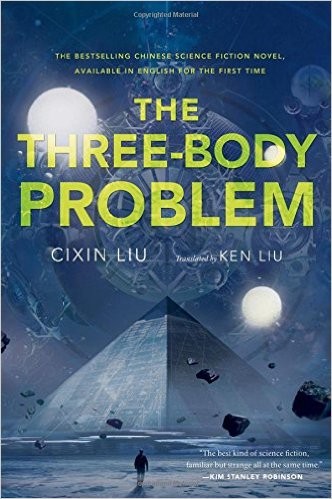
Humanity's first contact goes wrong.
Best for: readers who want big ideas.
8. Revelation Space by Alastair Reynolds
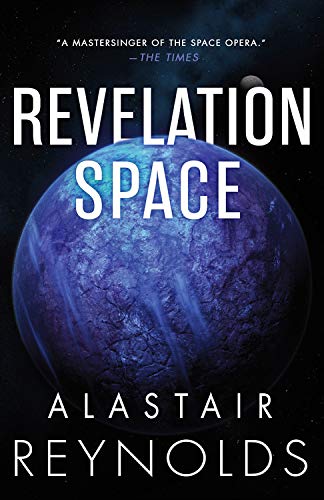
Scientists investigate an extinct alien race.
Best for: readers who like ancient mysteries.
9. Diaspora by Greg Egan
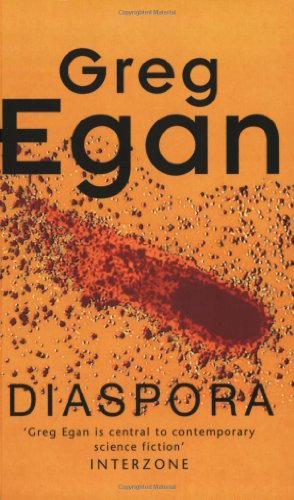
Digital minds explore the universe.
Best for: readers who like hard sci-fi.
10. Childhood's End by Arthur C. Clarke
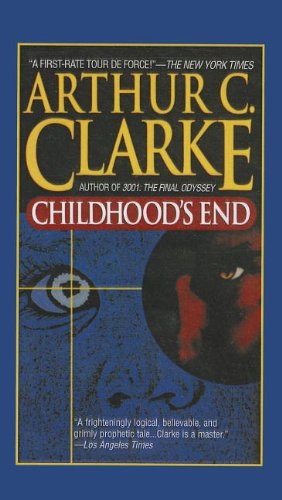
Aliens oversee humanity's end.
Best for: readers who like transformative aliens.
11. Solaris by Stanisław Lem
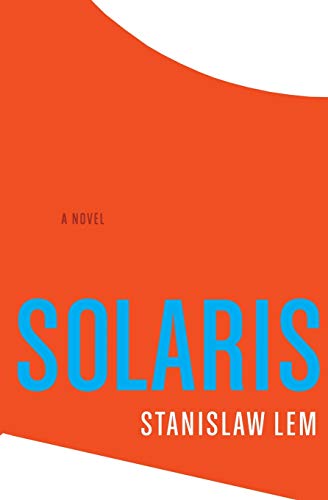
Scientists study a living ocean.
Best for: readers who like unknowable aliens.
12. Pushing Ice by Alastair Reynolds
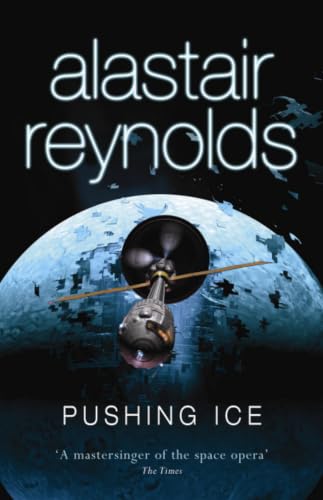
A mining ship chases a moon.
Best for: readers who like crews on strange objects.
13. Neuromancer by William Gibson
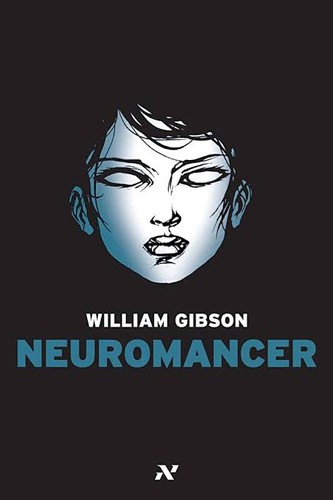
A hacker is hired for a final job.
Best for: readers who like 1980s classics.
14. Anathem by Neal Stephenson
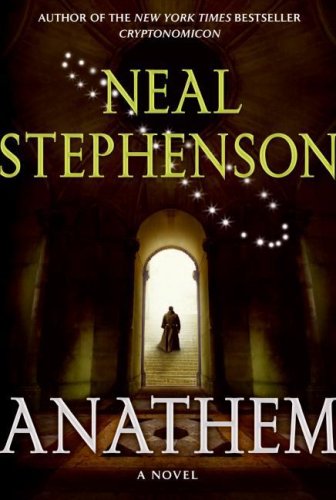
Scholars face a mysterious alien ship.
Best for: readers who like big thinking.
15. Children of Time by Adrian Tchaikovsky
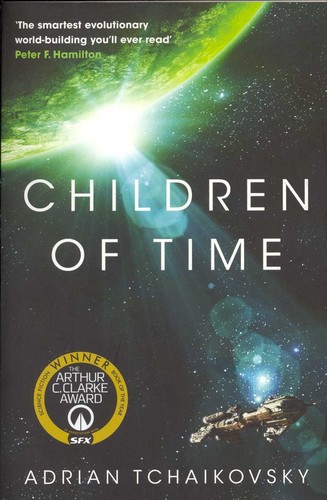
Spiders evolve intelligence.
Best for: readers who like big timescales.
How We Chose These Books
Every pick is a real, widely available book that shares something specific with Eon: its tone, its themes, its pace or the kind of characters it puts at the center. We mixed well-known favorites with a few less obvious titles, and we noted who each book suits best so you can match it to the reader. Where a book belongs to a series, we list the first volume so you can start at the beginning.
If you are not sure where to begin, start with the first three picks in the table: they are the closest match to Eon. The rest of the list moves further out, so it works well once you know which part of the original you liked most. If a pick is part of a longer series, read the first book before you commit, and check the age or content notes in the table before passing a book to a younger reader.
How to Choose
Continue with Eternity or try Blood Music for more Bear. If you loved exploring a vast object, Rendezvous with Rama, Ringworld and Pushing Ice are perfect. For mind-bending ideas, Hyperion, Diaspora and The Three-Body Problem are excellent.
Related: Neuromancer by William Gibson: Summary and Key Takeaways
Frequently Asked Questions
What is Eon about?
A giant asteroid appears with libraries from the future and a corridor called the Way.
Is Eon part of a series?
Yes. It is followed by Eternity and the prequel Legacy.
Is Eon hard to read?
It is dense with science, but its mystery keeps you hooked.
When was Eon published?
In 1985.
What is the Way?
An endless corridor inside the asteroid that connects to other places and times.
Who is Patricia Vasquez?
A young mathematician who studies the Stone.
Is Eon hard science fiction?
Yes, with big ideas in physics and mathematics.
What happens on Earth in Eon?
A nuclear war breaks out, and survivors must rebuild with help from the Stone.
Who should read Eon?
Readers who love big-idea science fiction and mysteries.
Is Eon still worth reading today?
Yes. Its ideas about space and time still feel fresh, even if its Cold War setting is dated.