

Disclosure: As an Amazon Associate, Bookish Wisdom earns from qualifying purchases. This doesn't change our picks or your price.
Quick answer: If you loved The Millionaire Next Door, try The Psychology of Money, I Will Teach You to Be Rich, The Simple Path to Wealth, Your Money or Your Life, The Total Money Makeover and Rich Dad Poor Dad. Each one offers practical, honest advice about saving, spending wisely and building wealth over time.
Thomas J. Stanley and William D. Danko's 1996 bestseller surprised readers by showing that most American millionaires do not live flashy lives. Based on years of surveys, it finds that typical millionaires drive used cars, live below their means, budget carefully and often run ordinary businesses. The authors contrast “prodigious accumulators of wealth” with high earners who spend everything. Readers love its myth-busting data and its plain advice. These books share its focus on frugality, habits and long-term wealth.
Table of Contents
Quick Picks at a Glance
| Book | Author | Focus | Best For |
|---|---|---|---|
| The Psychology of Money | Morgan Housel | Behavior | readers who want short lessons |
| I Will Teach You to Be Rich | Ramit Sethi | Systems | readers who want an automated plan |
| The Simple Path to Wealth | JL Collins | Investing | readers who want simple index investing |
| Your Money or Your Life | Vicki Robin and Joe Dominguez | Values | readers who want to rethink work and money |
| The Total Money Makeover | Dave Ramsey | Debt | readers who need to get out of debt |
| Rich Dad Poor Dad | Robert T. Kiyosaki | Mindset | readers who like money stories |
| The Richest Man in Babylon | George S. Clason | Parables | readers who like old-fashioned lessons |
| The Intelligent Investor | Benjamin Graham | Investing | readers ready for a classic |
| A Random Walk Down Wall Street | Burton G. Malkiel | Investing | readers who want the case for index funds |
| Die with Zero | Bill Perkins | Spending | readers who save too much |
| The Automatic Millionaire | David Bach | Habits | readers who want a hands-off method |
| Stop Acting Rich | Thomas J. Stanley | Lifestyle | readers who want the follow-up |
| The Little Book of Common Sense Investing | John C. Bogle | Investing | readers who want the index fund founder |
| Broke Millennial | Erin Lowry | Basics | younger readers |
| The Bogleheads' Guide to Investing | Taylor Larimore and others | Investing | readers who want a community's wisdom |
1. The Psychology of Money by Morgan Housel
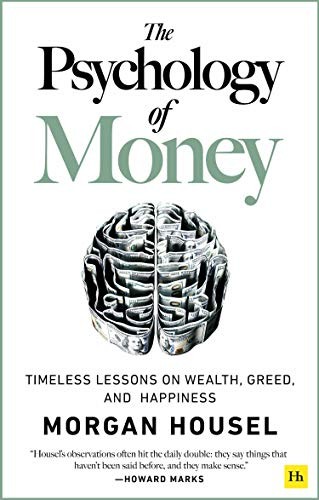
Stories about how people think about money and why behavior matters most.
Best for: readers who want short lessons.
2. I Will Teach You to Be Rich by Ramit Sethi
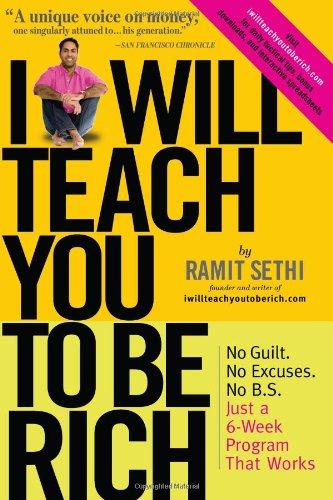
A six-week program to automate saving, investing and guilt-free spending.
Best for: readers who want an automated plan.
3. The Simple Path to Wealth by JL Collins
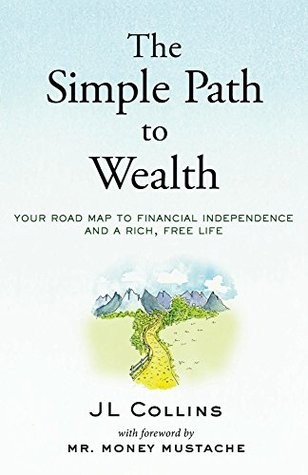
A father's letters to his daughter on low-cost investing and financial freedom.
Best for: readers who want simple index investing.
4. Your Money or Your Life by Vicki Robin and Joe Dominguez
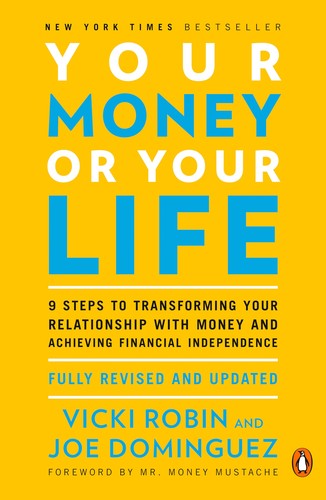
A classic program for matching spending to values.
Best for: readers who want to rethink work and money.
5. The Total Money Makeover by Dave Ramsey

A step-by-step plan to pay off debt and save.
Best for: readers who need to get out of debt.
6. Rich Dad Poor Dad by Robert T. Kiyosaki
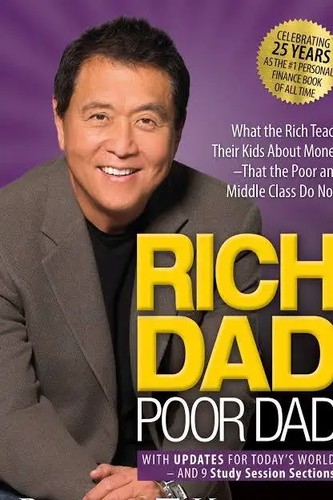
Two father figures teach opposing lessons about money.
Best for: readers who like money stories.
7. The Richest Man in Babylon by George S. Clason
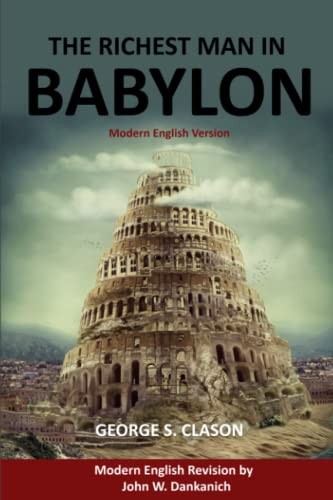
Ancient-style parables about saving a portion of what you earn.
Best for: readers who like old-fashioned lessons.
8. The Intelligent Investor by Benjamin Graham
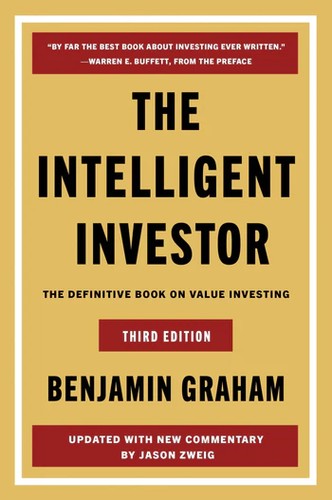
The foundational guide to value investing and market discipline.
Best for: readers ready for a classic.
9. A Random Walk Down Wall Street by Burton G. Malkiel
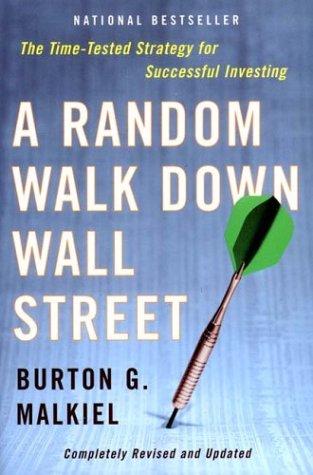
Why most investors can't beat the market.
Best for: readers who want the case for index funds.
10. Die with Zero by Bill Perkins
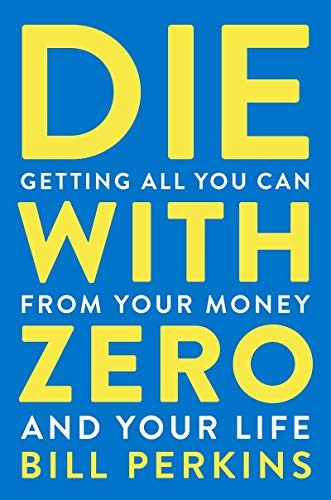
An argument for spending on experiences while you can.
Best for: readers who save too much.
11. The Automatic Millionaire by David Bach
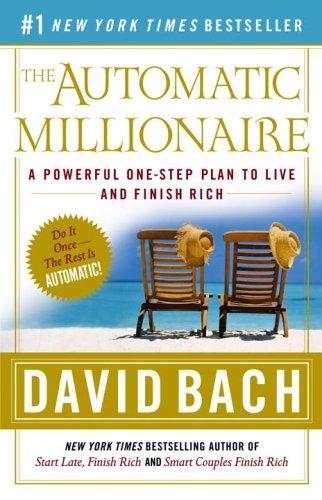
How to save by paying yourself first, automatically.
Best for: readers who want a hands-off method.
12. Stop Acting Rich by Thomas J. Stanley
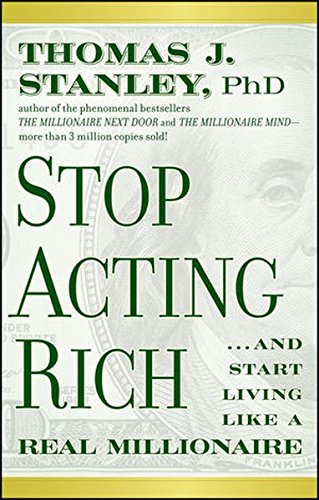
Stanley's later research on status spending.
Best for: readers who want the follow-up.
13. The Little Book of Common Sense Investing by John C. Bogle

Vanguard's founder explains low-cost investing.
Best for: readers who want the index fund founder.
14. Broke Millennial by Erin Lowry
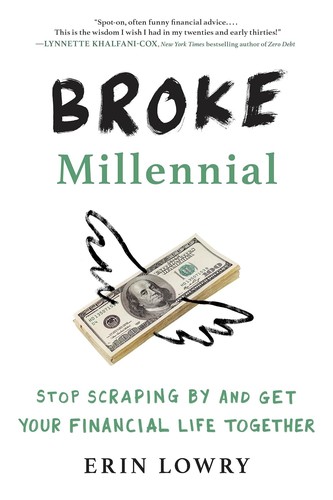
A friendly guide to money for twenty-somethings.
Best for: younger readers.
15. The Bogleheads' Guide to Investing by Taylor Larimore and others
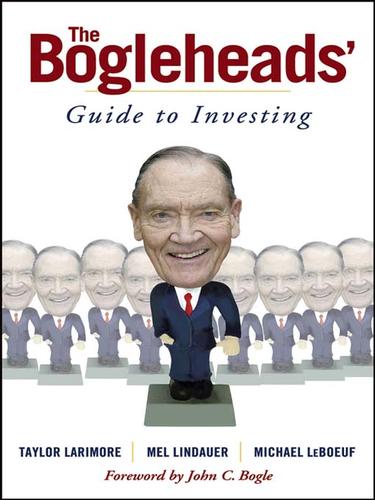
Practical index investing advice from a famous forum.
Best for: readers who want a community's wisdom.
How to Choose
If you want the same message in modern form, The Psychology of Money and I Will Teach You to Be Rich are the best next reads. For investing, The Simple Path to Wealth and The Little Book of Common Sense Investing explain the low-cost index approach clearly. If debt is your first problem, start with The Total Money Makeover. Readers who want to question how much is enough should try Your Money or Your Life or Die with Zero.
Related: The Millionaire Next Door by Thomas J. Stanley and William D. Danko: Summary and Key Takeaways · The Psychology of Money by Morgan Housel: Summary and Key Takeaways
Frequently Asked Questions
What is The Millionaire Next Door about?
It shows that many American millionaires build wealth by living frugally rather than spending on luxury.
Is The Millionaire Next Door still relevant?
Its core habits still apply, though some numbers are dated, so many readers pair it with newer books.
What is a “prodigious accumulator of wealth”?
Someone whose net worth is much higher than expected for their income and age.
Who wrote The Millionaire Next Door?
Thomas J. Stanley and William D. Danko, based on their research.
Is there an updated version?
Stanley's daughter Sarah Stanley Fallaw wrote The Next Millionaire Next Door in 2018.
Is it a how-to guide?
It is mainly research and observation, but its lessons are practical.
What is the main lesson?
Spend less than you earn, avoid status spending and invest the difference over many years.