

Disclosure: As an Amazon Associate, Bookish Wisdom earns from qualifying purchases. This doesn't change our picks or your price.
Quick answer: If you loved The Intelligent Investor, try Security Analysis, The Little Book of Common Sense Investing, A Random Walk Down Wall Street, One Up on Wall Street, The Essays of Warren Buffett and Common Stocks and Uncommon Profits. Each one teaches disciplined investing, long-term thinking or how to avoid costly mistakes in the market.
Benjamin Graham's 1949 classic is often called the bible of value investing, and Warren Buffett has called it the best book about investing ever written. Graham explains the difference between investing and speculation, introduces “Mr. Market”, an emotional business partner whose moods you can use, and stresses the “margin of safety”. Modern editions include commentary by Jason Zweig. Readers value its timeless discipline. These books share its long-term thinking and its common sense.
Table of Contents
Quick Picks at a Glance
| Book | Author | Focus | Best For |
|---|---|---|---|
| Security Analysis | Benjamin Graham and David Dodd | Advanced | readers who want Graham's deeper textbook |
| The Little Book of Common Sense Investing | John C. Bogle | Indexing | readers who want simple advice |
| A Random Walk Down Wall Street | Burton G. Malkiel | Indexing | readers who like market history |
| One Up on Wall Street | Peter Lynch | Stock picking | readers who like everyday investing |
| The Essays of Warren Buffett | Warren Buffett and Lawrence A. Cunningham | Value investing | readers who want Buffett's thinking |
| Common Stocks and Uncommon Profits | Philip A. Fisher | Growth investing | readers who want Buffett's other influence |
| The Most Important Thing | Howard Marks | Risk | readers who want deep thinking on risk |
| The Psychology of Money | Morgan Housel | Behavior | readers who want accessible lessons |
| The Snowball | Alice Schroeder | Biography | readers who want Buffett's life |
| Poor Charlie's Almanack | Charles T. Munger | Wisdom | readers who like mental models |
| The Little Book That Still Beats the Market | Joel Greenblatt | Simple value | readers who want a formula |
| Margin of Safety | Seth Klarman | Value | readers who want a modern classic |
| Thinking, Fast and Slow | Daniel Kahneman | Psychology | readers who want to understand bias |
| The Simple Path to Wealth | JL Collins | Indexing | readers who want a plain plan |
| Fooled by Randomness | Nassim Nicholas Taleb | Luck | readers who like risk thinking |
1. Security Analysis by Benjamin Graham and David Dodd
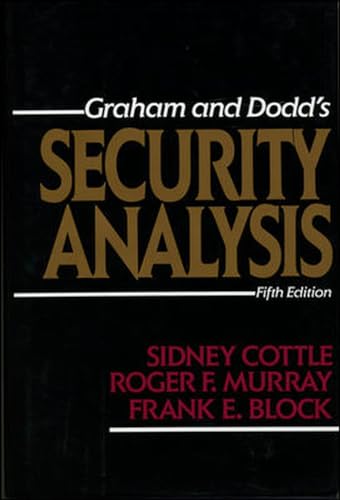
The detailed foundation of value investing.
Best for: readers who want Graham's deeper textbook.
2. The Little Book of Common Sense Investing by John C. Bogle

Vanguard's founder explains why low-cost index funds win.
Best for: readers who want simple advice.
3. A Random Walk Down Wall Street by Burton G. Malkiel
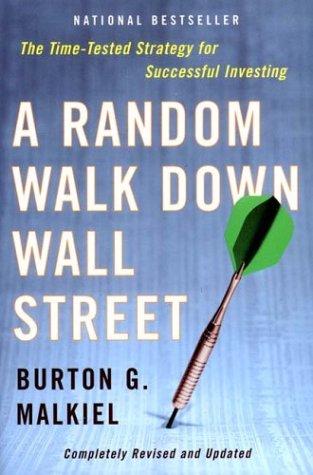
Why markets are hard to beat.
Best for: readers who like market history.
4. One Up on Wall Street by Peter Lynch
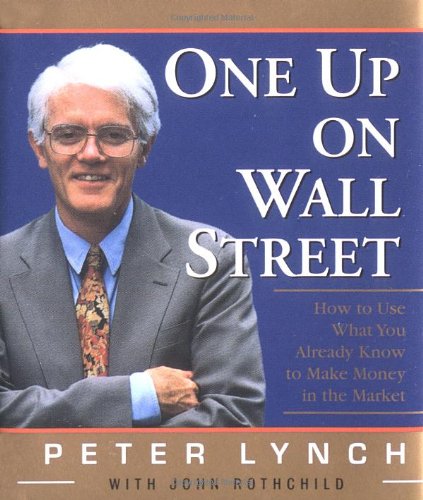
A famous fund manager explains how ordinary people can find great stocks.
Best for: readers who like everyday investing.
5. The Essays of Warren Buffett by Warren Buffett and Lawrence A. Cunningham
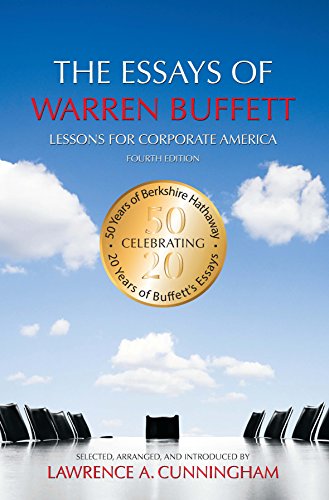
Buffett's shareholder letters organized by topic.
Best for: readers who want Buffett's thinking.
6. Common Stocks and Uncommon Profits by Philip A. Fisher
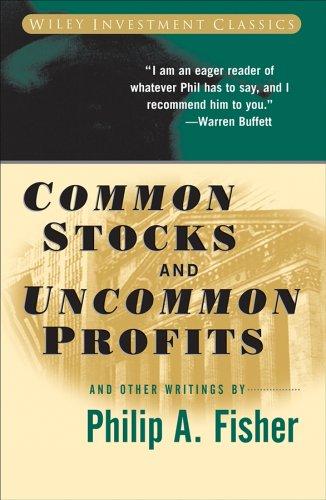
How to judge high-quality growth companies.
Best for: readers who want Buffett's other influence.
7. The Most Important Thing by Howard Marks
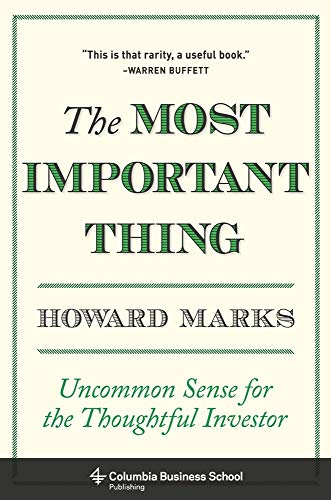
A legendary investor's lessons on markets and risk.
Best for: readers who want deep thinking on risk.
8. The Psychology of Money by Morgan Housel
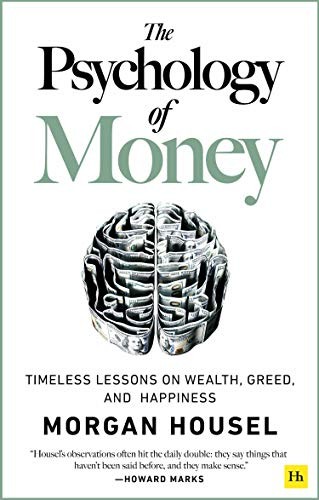
Why behavior matters more than knowledge.
Best for: readers who want accessible lessons.
9. The Snowball by Alice Schroeder
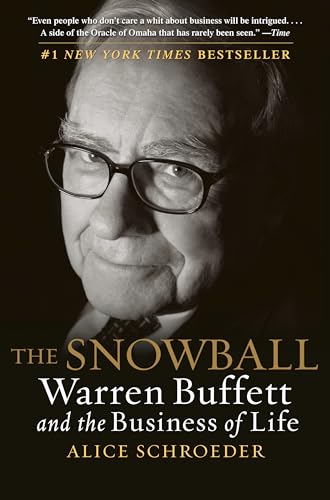
An authorized biography of Warren Buffett.
Best for: readers who want Buffett's life.
10. Poor Charlie's Almanack by Charles T. Munger

Speeches and wisdom from Buffett's partner.
Best for: readers who like mental models.
11. The Little Book That Still Beats the Market by Joel Greenblatt
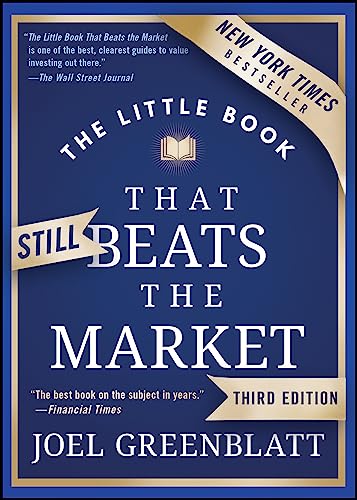
A simple value investing approach.
Best for: readers who want a formula.
12. Margin of Safety by Seth Klarman
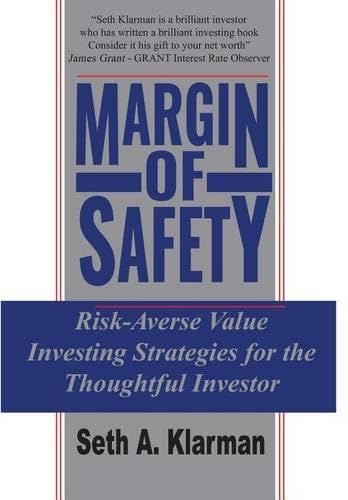
Risk-averse value investing.
Best for: readers who want a modern classic.
13. Thinking, Fast and Slow by Daniel Kahneman
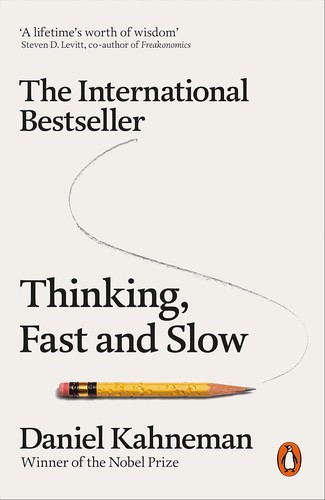
How our minds make predictable errors.
Best for: readers who want to understand bias.
14. The Simple Path to Wealth by JL Collins
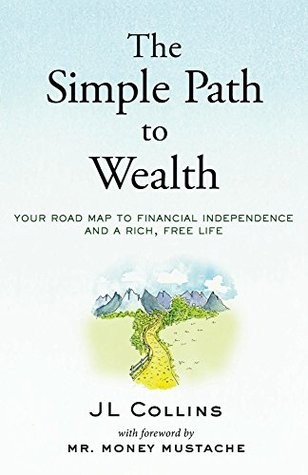
Index investing for financial freedom.
Best for: readers who want a plain plan.
15. Fooled by Randomness by Nassim Nicholas Taleb
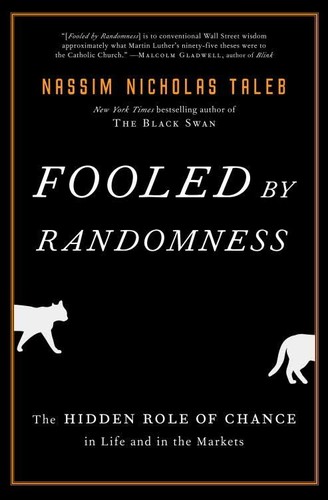
How we mistake luck for skill.
Best for: readers who like risk thinking.
How We Chose These Books
Every pick is a real, widely available book that shares something specific with The Intelligent Investor: its tone, its themes, its pace or the kind of characters it puts at the center. We mixed well-known favorites with a few less obvious titles, and we noted who each book suits best so you can match it to the reader. Where a book belongs to a series, we list the first volume so you can start at the beginning.
If you are not sure where to begin, start with the first three picks in the table: they are the closest match to The Intelligent Investor. The rest of the list moves further out, so it works well once you know which part of the original you liked most. If a pick is part of a longer series, read the first book before you commit, and check the age or content notes in the table before passing a book to a younger reader.
How to Choose
If you are new to investing, read The Little Book of Common Sense Investing first, then return to Graham. For Graham's ideas in action, The Essays of Warren Buffett and The Most Important Thing are essential. Stock pickers will enjoy One Up on Wall Street. To understand why investors make mistakes, pair Graham with Thinking, Fast and Slow.
Related: The Intelligent Investor by Benjamin Graham: Summary and Key Takeaways · The Psychology of Money by Morgan Housel: Summary and Key Takeaways
Frequently Asked Questions
What is The Intelligent Investor about?
It explains value investing, the margin of safety and how to avoid emotional mistakes.
Who is Mr. Market?
Graham's metaphor for a moody business partner who offers prices that are sometimes silly.
What is margin of safety?
Buying at a price well below a business's true value to protect against errors.
Is The Intelligent Investor hard to read?
It is long and detailed, but Jason Zweig's commentary helps modern readers.
Which edition should I read?
The revised edition with Jason Zweig's commentary is the most popular.
Did Warren Buffett study with Graham?
Yes. Buffett studied under Graham at Columbia and later worked for him.
Is it good for beginners?
Yes, especially the chapters on defensive investing.